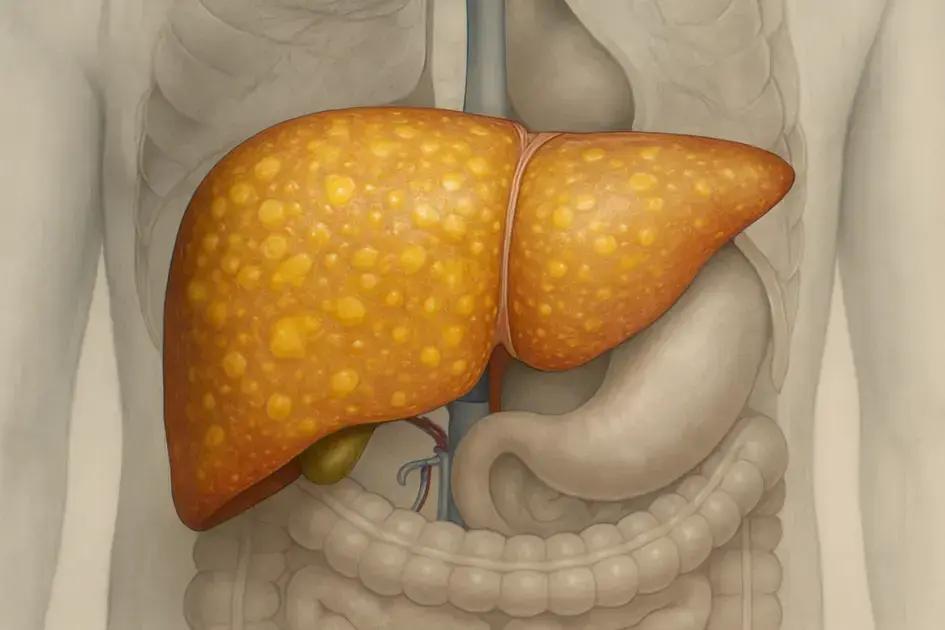
Persistent fatigue can be linked to liver dysfunction, where the liver struggles to filter toxins, process nutrients, or regulate blood sugar. Key signs include abdominal pain, jaundice, and changes in urine/stool color; lifestyle adjustments like diet, exercise, and limited alcohol can support liver health and improve energy levels.

Tired all the time? Your liver might be to blame. Ever wonder why you feel drained even after a full night’s sleep? This overlooked organ could be silently impacting how energized you really are — and understanding it might change your daily life.
Understanding the liver’s role in energy production
The liver is a powerhouse, playing a vital part in keeping you energized. It’s not just about filtering toxins; it’s central to how your body processes and uses energy. Understanding this connection can change how you view fatigue and health.
The Liver’s Key Functions
Your liver does more than you might think. It breaks down nutrients from food, turning them into forms your body can use for energy. It also stores glucose (sugar) as glycogen, releasing it when your body needs a quick energy boost. Without a healthy liver, your energy levels can plummet.
How a Healthy Liver Supports Energy Levels
A well-functioning liver ensures a steady supply of energy. It helps regulate blood sugar, preventing those energy spikes and crashes. It also processes fats and proteins efficiently, which are essential for sustained energy. Think of it as your body’s energy manager, keeping everything running smoothly.
The Liver’s Role in Detoxification
The liver filters toxins from your blood, including those from food, alcohol, and the environment. When the liver is overloaded, it can’t perform these tasks efficiently. This buildup of toxins can lead to fatigue and a general feeling of being run down. Supporting your liver’s detoxification process is key to maintaining high energy levels.

How liver dysfunction leads to chronic fatigue
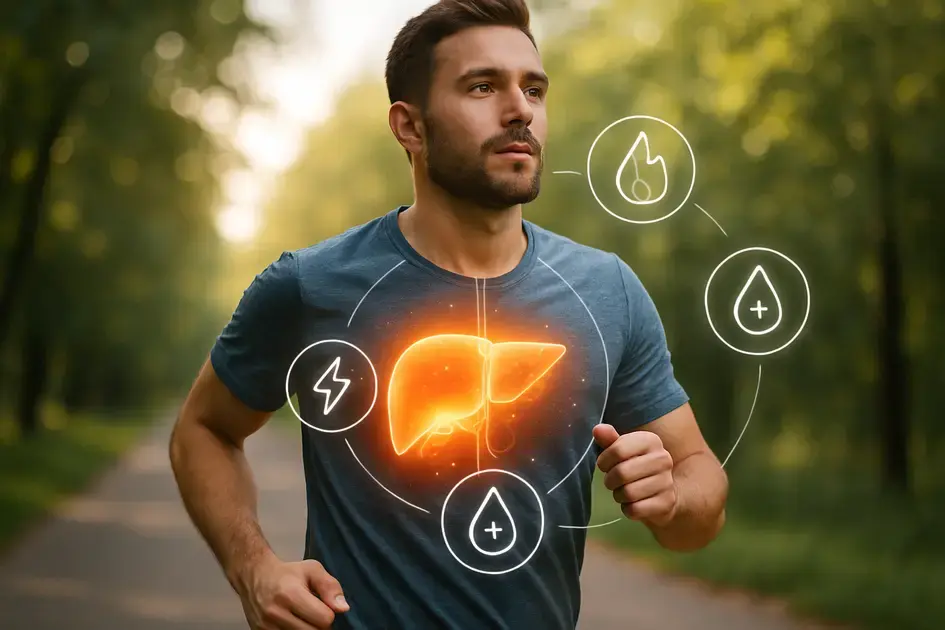
When your liver isn’t working correctly, it can lead to more than just digestive issues. It’s a common cause of chronic fatigue. Understanding why is crucial to addressing the root cause of your tiredness.
Impaired Detoxification Process
A dysfunctional liver struggles to filter toxins properly. This buildup of harmful substances in your bloodstream can make you feel constantly tired and sluggish. It’s like your body is trying to run a marathon with a weight on its back.
Poor Nutrient Processing
Your liver breaks down nutrients from food into energy your body can use. If it’s not working well, this process is disrupted. You might not be getting the necessary vitamins and minerals, leaving you feeling depleted and weak. Even if you eat a balanced diet, a compromised liver can prevent you from benefiting fully.
Reduced Bile Production
The liver produces bile, which helps digest fats. When bile production is low, your body struggles to absorb essential fatty acids and fat-soluble vitamins (A, D, E, and K). These nutrients are vital for energy production, so a lack of them contributes to fatigue. This can also lead to digestive discomfort and further impair nutrient absorption.
Blood Sugar Imbalance
The liver helps regulate blood sugar levels by storing and releasing glucose. When the liver is struggling, it can’t manage this effectively. This can lead to blood sugar spikes and crashes, resulting in energy fluctuations and chronic fatigue. Keeping your blood sugar stable is crucial for consistent energy levels.
Common liver conditions linked to tiredness
Several liver conditions can significantly impact your energy levels, leading to persistent tiredness. Recognizing these conditions is the first step toward managing your health and reclaiming your vitality.

Non-Alcoholic Fatty Liver Disease (NAFLD)
NAFLD is a common condition where excess fat accumulates in the liver of people who drink little to no alcohol. This can lead to inflammation and liver damage, causing fatigue, abdominal pain, and weakness. NAFLD is often linked to obesity, high cholesterol, and type 2 diabetes.
Alcoholic Liver Disease
Excessive alcohol consumption can cause significant damage to the liver, leading to alcoholic liver disease. This condition includes several stages, from fatty liver (steatosis) to alcoholic hepatitis and cirrhosis. Fatigue is a prominent symptom, along with jaundice, nausea, and abdominal swelling.
Hepatitis
Hepatitis is inflammation of the liver, usually caused by a viral infection (hepatitis A, B, C, D, or E). Chronic hepatitis, particularly hepatitis B and C, can lead to long-term liver damage and persistent fatigue. Other symptoms include dark urine, pale stool, and yellowing of the skin and eyes (jaundice).
Cirrhosis
Cirrhosis is severe scarring of the liver, often caused by long-term exposure to toxins, alcohol, or viral infections. As cirrhosis progresses, the liver’s ability to function declines, leading to fatigue, fluid retention, and increased susceptibility to infections. Cirrhosis can also cause portal hypertension, which leads to further complications.
Signs your liver might be affecting your energy

It’s easy to dismiss tiredness as a normal part of life, but if it’s persistent, your liver might be the culprit. Knowing the signs can help you take proactive steps toward better health.
Persistent Fatigue
One of the most common signs of liver issues is ongoing fatigue that doesn’t improve with rest. This isn’t just feeling tired after a long day; it’s a constant, draining sensation that impacts your daily life. If you’re always tired, even after sleeping well, it’s time to consider your liver health.
Abdominal Discomfort
Pain or discomfort in the upper right side of your abdomen, where the liver is located, can be a sign of liver problems. This discomfort can range from a dull ache to sharp pain and may be accompanied by bloating or swelling.
Changes in Urine and Stool Color
Dark urine and pale or clay-colored stools can indicate liver dysfunction. These changes occur because the liver isn’t processing bilirubin properly. Bilirubin is a pigment that gives urine its yellow color and stool its brown color.
Jaundice
Jaundice, a yellowing of the skin and eyes, is a clear sign that the liver isn’t functioning correctly. It occurs when bilirubin builds up in the blood. If you notice yellowing, it’s important to seek medical attention promptly.
Skin Issues
Liver problems can also manifest as skin issues such as itching (pruritus), easy bruising, and spider veins (spider angiomas). These symptoms occur because the liver isn’t effectively filtering toxins from the blood.
The impact of poor diet on liver health
What you eat plays a massive role in your liver’s health and, consequently, your energy levels. A poor diet can overburden your liver, leading to inflammation and reduced function.
High Sugar Intake
Excessive sugar, particularly fructose, can lead to non-alcoholic fatty liver disease (NAFLD). The liver processes fructose, and when overloaded, it converts the excess into fat, which accumulates in the liver. This can lead to inflammation, liver damage, and chronic fatigue. Reducing your intake of sugary drinks, processed foods, and refined carbohydrates is crucial.

Processed and Fatty Foods
Diets high in processed and fatty foods can also contribute to liver problems. These foods are often high in unhealthy fats and additives that the liver struggles to process. This can lead to inflammation and impair the liver’s ability to filter toxins effectively. Focus on whole, unprocessed foods to support liver health.
Lack of Essential Nutrients
A diet lacking in essential nutrients, such as vitamins, minerals, and antioxidants, can impair liver function. The liver needs these nutrients to perform its detoxification and metabolic processes efficiently. Ensure your diet includes plenty of fruits, vegetables, lean proteins, and whole grains.
Artificial Additives and Preservatives
Artificial additives, preservatives, and chemicals in processed foods can burden the liver. These substances require the liver to work harder to filter them out, leading to inflammation and reduced efficiency. Minimizing your intake of processed foods and opting for natural alternatives can ease the load on your liver.
The Importance of a Balanced Diet
A balanced diet rich in fruits, vegetables, lean proteins, and whole grains supports optimal liver function. These foods provide the necessary nutrients for detoxification and energy production. A healthy liver translates to more consistent energy levels and overall well-being.
How alcohol consumption stresses the liver

Alcohol is a well-known stressor for the liver. Understanding how it impacts this vital organ can help you make informed choices about your alcohol consumption and overall health.
The Liver’s Role in Processing Alcohol
The liver is responsible for metabolizing alcohol, breaking it down into less harmful substances. However, this process can create toxic byproducts that damage liver cells. The more alcohol you consume, the harder the liver has to work, and the greater the potential for damage.
Stages of Alcohol-Related Liver Damage
Alcohol-related liver damage can progress through several stages. It often starts with fatty liver (steatosis), where fat accumulates in the liver. If alcohol consumption continues, it can lead to alcoholic hepatitis, characterized by inflammation and liver cell damage. Over time, this can progress to cirrhosis, where the liver becomes scarred and unable to function properly.
Inflammation and Scarring
Chronic alcohol consumption causes inflammation in the liver, which can lead to scarring (fibrosis). As the liver becomes more scarred, it loses its ability to function effectively. This can result in a range of health problems, including fatigue, jaundice, and fluid retention.
Impact on Energy Levels
When the liver is stressed by alcohol, it can’t perform its other essential functions, such as regulating blood sugar and processing nutrients, efficiently. This can lead to energy fluctuations, chronic fatigue, and a general feeling of being run down. Reducing or eliminating alcohol consumption can give your liver a chance to heal and restore its function.
Recommendations for Moderate Consumption
If you choose to drink alcohol, moderation is key. Guidelines typically recommend up to one drink per day for women and up to two drinks per day for men. However, even moderate alcohol consumption can impact liver health, so it’s important to consider your individual health status and consult with a healthcare professional.
The connection between liver toxins and fatigue
The liver’s primary job is to filter toxins from your blood. When it’s overloaded, these toxins can build up, leading to a range of health issues, including persistent fatigue.
What Are Liver Toxins?
Liver toxins include a wide range of substances, such as alcohol, processed foods, environmental pollutants, medications, and metabolic waste products. These toxins can damage liver cells and impair the liver’s ability to function properly. Reducing your exposure to these toxins can significantly improve liver health.

How Toxins Overload the Liver
When the liver is constantly exposed to toxins, it becomes overworked and less efficient at filtering them out. This can lead to a buildup of toxins in the bloodstream, which can negatively affect your energy levels, mood, and overall health. Supporting the liver’s detoxification process is crucial for maintaining optimal function.
Impact on Energy Production
A liver struggling to process toxins can’t effectively perform its other essential functions, such as regulating blood sugar, processing nutrients, and producing bile. These functions are all vital for energy production. When they are compromised, you may experience chronic fatigue and a lack of vitality.
Symptoms of Toxin Overload
Symptoms of liver toxin overload can include fatigue, headaches, digestive issues, skin problems, and mood changes. If you experience these symptoms, it’s important to support your liver through dietary changes, lifestyle adjustments, and possibly detoxification strategies.
Supporting Liver Detoxification
Supporting liver detoxification involves reducing your exposure to toxins, eating a healthy diet, staying hydrated, and considering liver-supportive supplements. These strategies can help the liver function more efficiently and reduce the buildup of toxins in your body, leading to improved energy levels and overall well-being.
Why sleep troubles can be related to liver issues

Sleep troubles can often be linked to underlying liver issues. The liver’s role in regulating hormones and detoxifying the body impacts sleep quality. Understanding this connection can help you address both issues for better overall health.
Hormonal Imbalances
The liver plays a role in metabolizing hormones, including those that regulate sleep. When the liver isn’t functioning correctly, it can lead to hormonal imbalances that disrupt sleep patterns. For example, imbalances in cortisol and melatonin can make it difficult to fall asleep or stay asleep.
Disrupted Circadian Rhythm
The liver helps regulate the body’s circadian rhythm, the internal clock that governs sleep-wake cycles. Liver problems can disrupt this rhythm, leading to insomnia or other sleep disorders. Supporting liver health can help restore a more regular sleep pattern.
Toxin Buildup
When the liver isn’t effectively filtering toxins, they can build up in the body, interfering with sleep. These toxins can affect brain function and nervous system activity, making it difficult to relax and fall asleep. Detoxing and supporting liver function can alleviate these sleep disturbances.
Blood Sugar Fluctuations
The liver regulates blood sugar levels. When the liver is struggling, it can lead to blood sugar spikes and crashes during the night, which can disrupt sleep. Maintaining stable blood sugar levels through diet and lifestyle changes can improve sleep quality.
Sleep Apnea
Non-alcoholic fatty liver disease (NAFLD) has been linked to sleep apnea, a condition where breathing repeatedly stops and starts during sleep. Addressing NAFLD through diet and lifestyle changes can improve both liver health and sleep apnea symptoms.
Dietary changes to support liver function
Making strategic dietary changes can significantly support liver function and boost your energy levels. Focus on foods that promote detoxification and reduce inflammation to help your liver thrive.
Increase Fiber Intake
Fiber helps the liver detoxify by binding to toxins and helping to eliminate them from the body. Incorporate plenty of fiber-rich foods, such as fruits, vegetables, whole grains, and legumes, into your diet. Aim for at least 25-30 grams of fiber per day to support optimal liver function.
Eat More Cruciferous Vegetables
Cruciferous vegetables like broccoli, cauliflower, Brussels sprouts, and kale contain compounds that support liver detoxification. These vegetables help activate enzymes that break down toxins and promote their elimination. Include a serving of cruciferous vegetables in your daily diet.
Limit Processed Foods and Sugars
Processed foods and sugars can overburden the liver and contribute to inflammation. Reduce your intake of sugary drinks, packaged snacks, and refined carbohydrates. Focus on whole, unprocessed foods that are easier for the liver to process.
Include Healthy Fats
Healthy fats, such as those found in avocados, nuts, seeds, and olive oil, can support liver function. These fats help reduce inflammation and promote the production of bile, which is essential for fat digestion. Avoid trans fats and excessive amounts of saturated fats.
Stay Hydrated
Water is essential for liver detoxification. It helps flush out toxins and supports overall liver function. Aim to drink at least 8 glasses of water per day. You can also include herbal teas and other hydrating beverages in your diet.
Herbs and supplements that may boost liver health

Certain herbs and supplements are known for their liver-supporting properties. Incorporating these into your routine may help boost liver health and improve your energy levels. Always consult with a healthcare provider before starting any new supplement regimen.
Milk Thistle
Milk thistle is one of the most well-known herbs for liver health. It contains silymarin, an antioxidant and anti-inflammatory compound that can protect liver cells from damage and promote regeneration. Milk thistle supplements are often used to support liver detoxification and overall liver function.
Turmeric
Turmeric contains curcumin, a potent anti-inflammatory and antioxidant compound that can benefit liver health. Curcumin helps reduce inflammation in the liver and may protect against liver damage. You can add turmeric to your diet or take it as a supplement.
Dandelion Root
Dandelion root has been traditionally used to support liver detoxification. It helps stimulate bile production, which aids in digestion and the elimination of toxins. Dandelion root can be consumed as a tea or taken as a supplement.
Artichoke Extract
Artichoke extract can help protect the liver from damage and improve liver function. It contains compounds that stimulate bile production and support detoxification. Artichoke extract supplements are often used to support liver health and digestion.
Licorice Root
Licorice root has anti-inflammatory and antioxidant properties that can benefit liver health. It may help protect against liver damage and promote liver regeneration. However, licorice root can interact with certain medications and may not be suitable for everyone, so it’s important to consult with a healthcare provider before using it.
The importance of hydration for liver detoxification
Hydration is crucial for overall health, especially for liver detoxification. Water helps the liver process and eliminate toxins efficiently, supporting its vital functions and improving your energy levels.
Water’s Role in Toxin Elimination
Water helps flush out toxins by supporting the liver and kidneys in their detoxification processes. When you’re well-hydrated, your liver can more easily filter toxins from your blood and eliminate them through urine and sweat. Dehydration can slow down this process and lead to a buildup of toxins in the body.
Supporting Bile Production
Bile is essential for fat digestion and the elimination of waste products. Water helps keep bile thin and flowing freely, which supports healthy digestion and detoxification. Dehydration can lead to thicker bile, which can contribute to liver problems and digestive issues.
Preventing Liver Overload
Staying hydrated helps prevent the liver from becoming overloaded with toxins. When you drink enough water, your liver doesn’t have to work as hard to filter out waste products. This allows it to function more efficiently and support overall health.
How Much Water Do You Need?
The general recommendation is to drink at least 8 glasses (64 ounces) of water per day. However, individual needs may vary depending on factors such as activity level, climate, and overall health. Pay attention to your body’s signals and drink more water when you’re thirsty.
Tips for Staying Hydrated
Make it a habit to carry a water bottle with you throughout the day. Set reminders to drink water regularly, and incorporate hydrating foods like fruits and vegetables into your diet. Avoid sugary drinks and excessive caffeine, as they can dehydrate you.
How exercise affects liver and energy levels

Regular exercise has a profound impact on liver health and energy levels. It helps reduce inflammation, improve liver function, and boost overall vitality. Incorporating physical activity into your routine can significantly benefit your liver and your energy.
Reducing Liver Fat
Exercise helps reduce the amount of fat stored in the liver, which is particularly beneficial for people with non-alcoholic fatty liver disease (NAFLD). Regular physical activity can help improve insulin sensitivity and reduce overall body fat, which in turn reduces liver fat. Aim for at least 150 minutes of moderate-intensity exercise per week.
Improving Insulin Sensitivity
Exercise improves insulin sensitivity, which helps the liver regulate blood sugar levels more effectively. This can prevent blood sugar spikes and crashes, leading to more stable energy levels throughout the day. Incorporate both aerobic and strength training exercises for optimal results.
Reducing Inflammation
Exercise has anti-inflammatory effects that can benefit the liver. Regular physical activity helps reduce chronic inflammation in the body, which can protect liver cells from damage and improve overall liver function. Choose activities you enjoy, such as walking, jogging, swimming, or cycling, to make exercise a sustainable part of your routine.
Boosting Energy Levels
Exercise boosts energy levels by improving cardiovascular health, increasing oxygen delivery to the body, and stimulating the release of endorphins. Regular physical activity can combat fatigue and improve overall vitality. Even short bursts of exercise, such as a 10-minute walk, can make a difference.
Supporting Detoxification
Exercise supports liver detoxification by promoting sweating, which helps eliminate toxins through the skin. It also improves circulation, which helps the liver filter toxins more effectively. Stay hydrated during and after exercise to support toxin elimination.
When to see a doctor about liver-related fatigue
Persistent fatigue can be a sign of underlying liver problems. Knowing when to seek medical attention is crucial for early diagnosis and effective treatment. Don’t hesitate to consult a doctor if you experience certain symptoms along with fatigue.
Persistent and Unexplained Fatigue
If you experience persistent fatigue that doesn’t improve with rest or lifestyle changes, it’s important to see a doctor. Unexplained fatigue that lasts for weeks or months could indicate an underlying liver condition that requires medical evaluation.
Abdominal Pain or Discomfort
Pain or discomfort in the upper right abdomen, where the liver is located, should prompt a visit to the doctor. This could be a sign of liver inflammation, enlargement, or other liver problems that need to be addressed.
Jaundice (Yellowing of Skin and Eyes)
Jaundice, a yellowing of the skin and eyes, is a clear sign of liver dysfunction. If you notice this symptom, seek medical attention immediately. Jaundice indicates that the liver is not processing bilirubin properly, which can be a sign of serious liver conditions.
Changes in Urine and Stool Color
Dark urine and pale or clay-colored stools can indicate liver problems. These changes suggest that the liver isn’t processing bilirubin effectively and that waste products aren’t being eliminated properly. If you notice these changes, consult a doctor.
Other Symptoms
Other symptoms that warrant a visit to the doctor include unexplained weight loss, nausea, vomiting, abdominal swelling, and easy bruising. These symptoms can be signs of liver disease or other underlying medical conditions that require prompt evaluation and treatment.
Diagnostic tests for liver function and fatigue assessment

When you’re experiencing persistent fatigue, it’s important to determine if liver dysfunction is the cause. Several diagnostic tests can help assess liver function and identify potential problems. Here are some common tests your doctor may recommend.
Liver Function Tests (LFTs)
Liver function tests are blood tests that measure the levels of various enzymes and proteins in your blood. These tests can help assess how well your liver is functioning and identify any signs of liver damage or inflammation. Common LFTs include ALT, AST, alkaline phosphatase, bilirubin, and albumin.
Complete Blood Count (CBC)
A complete blood count measures the levels of red blood cells, white blood cells, and platelets in your blood. This test can help detect signs of infection, inflammation, or anemia, which can be associated with liver disease and fatigue.
Comprehensive Metabolic Panel (CMP)
A comprehensive metabolic panel is a blood test that provides a broad overview of your body’s chemical balance. It includes LFTs as well as measurements of electrolytes, glucose, and kidney function. This test can help identify a range of health problems that may be contributing to fatigue.
Imaging Tests
Imaging tests, such as ultrasound, CT scans, and MRI, can provide detailed images of the liver and surrounding organs. These tests can help detect structural abnormalities, tumors, or other liver problems that may not be apparent from blood tests alone.
Liver Biopsy
A liver biopsy involves taking a small sample of liver tissue for examination under a microscope. This test is often used to diagnose liver diseases and assess the severity of liver damage. It can provide valuable information for guiding treatment decisions.
Lifestyle habits to protect your liver and reclaim energy
Adopting certain lifestyle habits can significantly protect your liver and reclaim your energy levels. These habits focus on reducing stress, supporting detoxification, and promoting overall well-being.
Maintain a Healthy Diet
A healthy diet is crucial for liver health. Focus on whole, unprocessed foods, including plenty of fruits, vegetables, whole grains, and lean proteins. Limit your intake of sugary drinks, processed foods, and unhealthy fats. A balanced diet provides the nutrients your liver needs to function optimally.
Limit Alcohol Consumption
Excessive alcohol consumption is a major stressor for the liver. If you choose to drink alcohol, do so in moderation. Guidelines typically recommend up to one drink per day for women and up to two drinks per day for men. However, even moderate alcohol consumption can impact liver health, so it’s important to consider your individual health status.
Avoid Exposure to Toxins
Minimize your exposure to environmental toxins, such as pesticides, herbicides, and industrial chemicals. Use natural cleaning products and avoid smoking. Reducing your exposure to toxins helps reduce the burden on your liver and supports its detoxification processes.
Get Regular Exercise
Regular exercise has numerous benefits for liver health. It helps reduce liver fat, improve insulin sensitivity, and reduce inflammation. Aim for at least 150 minutes of moderate-intensity exercise per week. Choose activities you enjoy, such as walking, jogging, swimming, or cycling.
Manage Stress
Chronic stress can negatively impact liver function. Practice stress-reducing techniques, such as meditation, yoga, or deep breathing exercises. Getting enough sleep and spending time in nature can also help manage stress levels and support overall well-being.
Feeling tired all the time can be frustrating, but understanding the potential role of your liver is a key step towards regaining your energy. By adopting a liver-friendly lifestyle, including a healthy diet, regular exercise, and stress management, you can support liver function and improve your overall well-being. If you suspect liver issues, don’t hesitate to seek medical advice. With the right approach, you can protect your liver and reclaim your vitality for a more energetic and fulfilling life.
FAQ – Frequently Asked Questions About Liver Health and Fatigue
How does the liver contribute to my energy levels?
The liver processes nutrients, regulates blood sugar, and filters toxins, all of which are essential for maintaining consistent energy levels.
What are some common signs that my liver might be affecting my energy?
Common signs include persistent fatigue, abdominal discomfort, changes in urine and stool color, and jaundice (yellowing of skin and eyes).
How can a poor diet impact my liver health and energy levels?
A diet high in sugar, processed foods, and unhealthy fats can overburden the liver, leading to inflammation and reduced function, which can cause fatigue.
What are some lifestyle changes I can make to support liver health?
Lifestyle changes include maintaining a healthy diet, limiting alcohol consumption, getting regular exercise, and managing stress.
Which herbs and supplements may help boost liver health?
Milk thistle, turmeric, dandelion root, and artichoke extract are known for their liver-supporting properties, but it’s important to consult with a healthcare provider before starting any new supplement regimen.