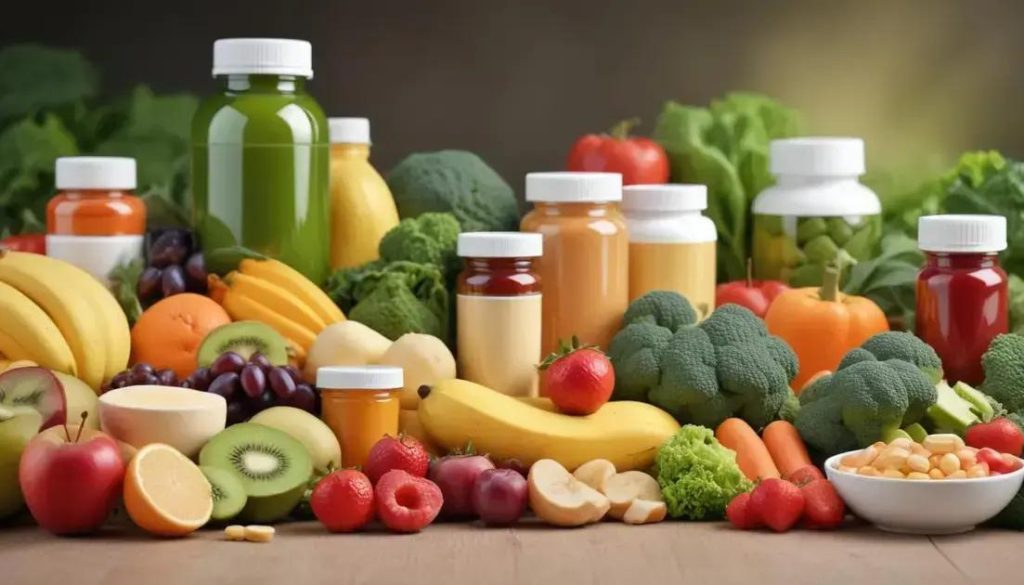
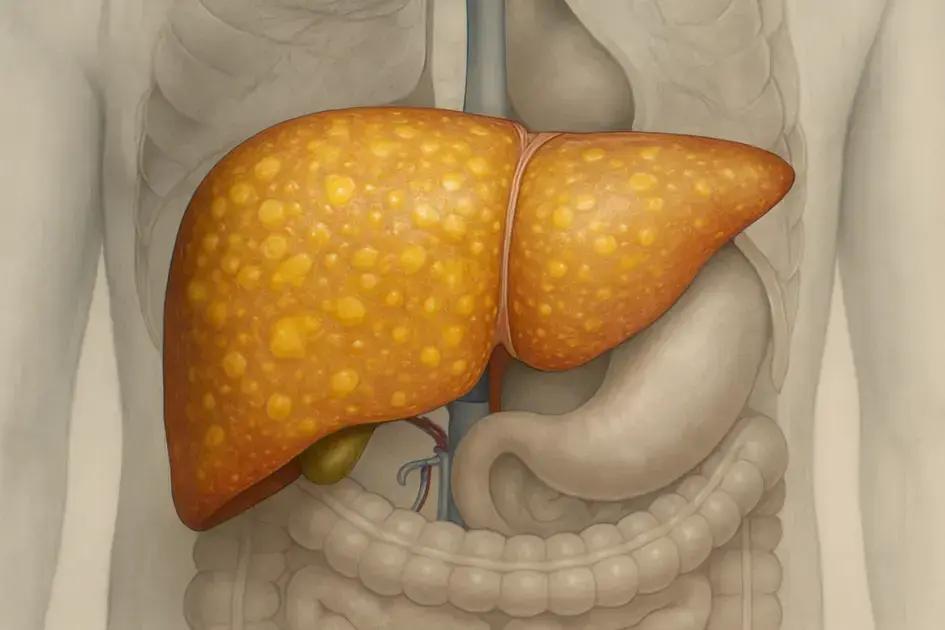
A healthy liver promotes youthful looks by efficiently filtering toxins, processing skin-essential nutrients, and reducing inflammation. Supporting liver function through diet, lifestyle, and herbal remedies can enhance skin radiance, elasticity, and overall vitality, helping you look up to 10 years younger.

How a healthy liver can make you look 10 years younger is a topic that sparks curiosity because we rarely connect liver health to our skin’s appearance. Ever wondered why your skin dulls or wrinkles appear sooner? The answer might be hidden in your liver’s well-being.
Understanding the liver’s role in appearance
The liver, often overlooked, plays a pivotal role in your overall health and, surprisingly, your appearance. Think of it as your body’s main detoxifier, working around the clock to filter toxins and process nutrients. When your liver is functioning optimally, it reflects on the outside – giving you a healthier, more vibrant look.
The Liver-Skin Connection
Your liver processes toxins that can otherwise manifest as skin issues. When it’s overloaded, these toxins can lead to inflammation, acne, and a dull complexion. A healthy liver efficiently removes these impurities, leading to clearer and brighter skin. Think of it this way: a clean engine runs smoother, and a clean liver translates to radiant skin.
Key Functions Affecting Appearance
Detoxification: The liver filters harmful substances from your blood. When it’s struggling, these toxins can build up and affect your skin’s health.
Nutrient Processing: It processes vitamins and minerals essential for skin health, like Vitamin A and zinc. A well-functioning liver ensures these nutrients are readily available for your skin.

Bile Production: Bile, produced by the liver, aids in digestion and absorption of fats and fat-soluble vitamins. Proper bile production is crucial for absorbing nutrients vital for healthy skin.
Signs of Liver Imbalance
Keep an eye out for signs of a struggling liver, such as persistent acne, dark circles under the eyes, or a yellowish tint to the skin (jaundice). These can be indicators that your liver isn’t functioning at its best and needs support.
By understanding the liver’s multifaceted role, you can begin to appreciate its impact on your appearance and take proactive steps to support its health.
How liver health affects skin glow

Ever wonder why some people have that radiant, healthy glow? A significant factor lies in their liver health. When your liver is functioning optimally, it directly impacts the clarity and vibrancy of your skin.
The Liver’s Role in Detoxification
Your liver filters toxins from your blood. When it’s overwhelmed, these toxins can manifest as skin problems like acne, eczema, and a dull complexion. A healthy liver efficiently clears these toxins, promoting clear, glowing skin. Think of it as a natural purifier for your bloodstream.
Nutrient Absorption and Skin Health
Essential Vitamins: The liver processes essential vitamins like A, D, E, and K, which are crucial for skin health. Vitamin A helps with cell turnover, Vitamin D supports skin barrier function, and Vitamin E protects against damage.

Mineral Metabolism: It also aids in mineral absorption, such as zinc and selenium, vital for collagen production and antioxidant protection. Without proper liver function, these nutrients aren’t effectively utilized by the skin.
Inflammation and Skin Radiance
A stressed liver can trigger inflammation throughout the body, leading to skin redness, irritation, and premature aging. By supporting liver health, you can reduce inflammation and promote a more even and radiant skin tone.
Practical Tips for Glowing Skin Through Liver Health
Stay Hydrated: Water helps the liver flush out toxins more effectively.
Eat Liver-Friendly Foods: Include foods like beets, leafy greens, and cruciferous vegetables in your diet.
Limit Alcohol and Processed Foods: These can overload the liver and hinder its ability to keep your skin glowing.
By nurturing your liver health, you’re not just improving internal functions; you’re also investing in a naturally radiant and youthful complexion.

The science behind liver detox and youthful skin
The concept of liver detox often sounds like a fad, but there’s solid science backing its impact on youthful skin. Your liver is a master chemist, and understanding its detox processes can unlock the secrets to a more radiant complexion.
Phase 1 Detoxification: Preparing Toxins for Removal
In phase 1, the liver uses enzymes to convert fat-soluble toxins into water-soluble intermediates. This process involves oxidation, reduction, and hydrolysis, making these toxins more reactive. However, it can also create free radicals, which can damage cells if not neutralized.
Phase 2 Detoxification: Conjugation for Safe Elimination
Key Enzymes: Phase 2 involves conjugation, where the liver attaches other molecules (like glutathione, glycine, or sulfate) to the toxins, making them less harmful and easily excretable through urine or bile.
Glutathione’s Role: Glutathione, a powerful antioxidant, is critical here. It neutralizes free radicals generated during phase 1 and helps escort toxins out of the body.
How This Impacts Your Skin
When liver detoxification is efficient, fewer toxins circulate in the bloodstream, reducing inflammation and oxidative stress that can damage skin cells. Efficient toxin removal supports collagen production, skin hydration, and overall skin elasticity.
Scientific Backing
Studies show that compounds like silymarin (from milk thistle) and curcumin (from turmeric) can support liver detox pathways, leading to improved skin conditions. Research also indicates that maintaining adequate levels of glutathione is essential for healthy skin aging.
Practical Steps to Support Liver Detox
Diet: Focus on foods rich in antioxidants and sulfur compounds, like garlic, onions, broccoli, and citrus fruits.
Hydration: Drink plenty of water to help flush out toxins.
Supplements: Consider liver-supportive supplements like milk thistle or N-acetylcysteine (NAC) after consulting a healthcare professional.
By understanding and supporting these detoxification processes, you’re not just helping your liver; you’re investing in healthier, more youthful-looking skin.
Common liver issues that age you faster

Your liver’s health significantly impacts how quickly you age, especially concerning your appearance. Certain liver issues can accelerate the aging process, leading to premature wrinkles, dull skin, and other visible signs of aging.
Fatty Liver Disease
How it affects you: Non-alcoholic fatty liver disease (NAFLD) and alcoholic fatty liver disease can cause inflammation and oxidative stress, damaging liver cells. This leads to a buildup of toxins and impairs the liver’s ability to process nutrients, resulting in a sallow complexion and increased skin inflammation.
Hepatitis (Viral or Autoimmune)
Hepatitis, whether caused by a virus or an autoimmune response, leads to chronic inflammation and liver damage. This inflammation can manifest as skin rashes, itching, and even jaundice (yellowing of the skin), making you look older and less vibrant.
Cirrhosis
Advanced Liver Damage: Cirrhosis is severe scarring of the liver, which impairs its function drastically. This condition leads to a buildup of toxins in the bloodstream, causing skin problems like spider veins (spider angiomas), easy bruising, and a loss of skin elasticity.
How These Issues Accelerate Aging
Reduced Detoxification: Impaired liver function means toxins aren’t efficiently removed, leading to increased oxidative stress and cellular damage.
Nutrient Malabsorption: Liver issues can affect the absorption of vital nutrients like vitamins A, D, E, and K, essential for skin health and collagen production.
Inflammation: Chronic liver inflammation triggers systemic inflammation, which damages collagen and elastin, leading to wrinkles and sagging skin.
Recognizing the Signs
Pay attention to signs like persistent fatigue, abdominal discomfort, unexplained weight loss, and skin changes. These could indicate underlying liver problems affecting your aging process.
Taking Proactive Steps
Adopting a liver-friendly lifestyle, including a healthy diet, regular exercise, and avoiding excessive alcohol consumption, can help prevent or manage these liver issues and slow down the aging process.

Foods that support liver health and youthfulness
What you eat plays a crucial role in your liver’s health, which in turn affects your overall vitality and appearance. Incorporating certain foods into your diet can support liver function, promote detoxification, and contribute to a more youthful look.
Leafy Greens
Key Benefits: Spinach, kale, and arugula are packed with antioxidants, vitamins, and minerals that support liver detoxification and reduce inflammation. They contain chlorophyll, which helps cleanse the blood and promote healthy skin.
Cruciferous Vegetables
Broccoli, cauliflower, and Brussels sprouts contain compounds that enhance liver detoxification enzymes. These vegetables help the liver process toxins more efficiently, reducing the risk of skin issues and premature aging.
Beets
Natural Liver Cleanser: Beets contain betaine, which helps protect liver cells from damage and improves liver function. They also promote bile flow, which aids in digestion and the elimination of toxins.
Garlic and Onions
These contain sulfur compounds that support liver detoxification pathways. They also have antioxidant and anti-inflammatory properties, which can help protect the liver from damage and improve skin health.
Citrus Fruits
Vitamin C Boost: Lemons, oranges, and grapefruits are rich in vitamin C and antioxidants, which help protect the liver from oxidative stress and support collagen production for youthful skin.
Olive Oil
Healthy fats from olive oil can help reduce inflammation and support liver function. Opt for extra virgin olive oil for the most significant benefits.
Green Tea
Antioxidant Powerhouse: Green tea is rich in antioxidants, particularly catechins, which protect the liver from damage and support overall health. It can also improve skin elasticity and reduce the appearance of wrinkles.
By incorporating these foods into your daily diet, you can support your liver’s health, promote detoxification, and enjoy a more youthful and radiant appearance.
The impact of alcohol and toxins on your liver and skin
Alcohol and toxins can significantly burden your liver, which in turn can negatively impact your skin, accelerating the aging process and diminishing your natural radiance. Understanding how these substances affect your liver is key to maintaining a youthful appearance.
Alcohol’s Impact on the Liver
Fatty Liver Disease: Excessive alcohol consumption can lead to fatty liver disease, where fat accumulates in the liver cells. This impairs liver function and causes inflammation.
Liver Inflammation: Alcohol can also cause hepatitis, or liver inflammation, which damages liver cells and impairs detoxification processes.
Cirrhosis: Over time, chronic alcohol abuse can lead to cirrhosis, where the liver becomes scarred and unable to function properly.
Toxins’ Effect on the Liver
Environmental Toxins: Exposure to environmental toxins like pesticides, pollutants, and heavy metals can overwhelm the liver’s detoxification capacity.
Processed Foods: Additives, preservatives, and artificial ingredients in processed foods can also burden the liver, making it harder to eliminate toxins effectively.
Medications: Certain medications can be toxic to the liver and impair its function.
How Alcohol and Toxins Affect Your Skin
Dehydration: Alcohol is a diuretic, causing dehydration, which can lead to dry, dull skin and increased appearance of wrinkles.
Inflammation: Alcohol and toxins trigger inflammation throughout the body, leading to skin redness, irritation, and breakouts.
Nutrient Depletion: Alcohol interferes with the absorption of essential nutrients like vitamins A, C, and E, which are crucial for skin health.
Protecting Your Liver and Skin
Limit Alcohol: Moderate your alcohol consumption or avoid it altogether to reduce the burden on your liver.
Detoxify Regularly: Support your liver’s detoxification processes with a healthy diet, hydration, and regular exercise.
Avoid Toxins: Minimize exposure to environmental toxins by choosing organic foods, using natural cleaning products, and avoiding processed foods.
By minimizing alcohol and toxin exposure, you can support your liver’s health, promote detoxification, and maintain a more youthful and radiant complexion.
Signs your liver needs a boost for better skin
Recognizing the signs that your liver needs a boost is crucial for maintaining healthy, youthful skin. When your liver is struggling, it often manifests in various ways, affecting your complexion and overall appearance.
Persistent Acne
If you’re experiencing persistent acne that doesn’t respond to typical treatments, it could be a sign that your liver is overloaded and unable to effectively filter toxins. These toxins can then be excreted through the skin, leading to breakouts.
Dull or Yellowish Skin
A sluggish liver can lead to a buildup of bilirubin, a yellow pigment, in the blood. This can cause jaundice, a yellowing of the skin and eyes. Even a subtle dullness or sallowness in your complexion can indicate that your liver isn’t functioning optimally.
Dark Circles Under the Eyes
While dark circles can be caused by many factors, they can also be a sign of liver congestion. When the liver isn’t properly detoxifying, it can lead to poor circulation and a buildup of toxins, contributing to dark circles.
Itchy Skin
An overloaded liver can cause bile salts to accumulate under the skin, leading to persistent itching. This itching may not be accompanied by a rash and can be particularly noticeable at night.
Skin Rashes and Eczema
If you’re prone to skin rashes, eczema, or other inflammatory skin conditions, it could be a sign that your liver is struggling to eliminate toxins. These conditions often flare up when the liver is under stress.
Digestive Issues
The liver plays a crucial role in digestion, so if you’re experiencing frequent digestive issues like bloating, constipation, or indigestion, it could be a sign that your liver needs support. Poor digestion can lead to a buildup of toxins in the body, affecting your skin.
Fatigue and Low Energy
A sluggish liver can contribute to fatigue and low energy levels. When the liver isn’t functioning efficiently, it can impact your overall vitality and make your skin appear tired and dull.
If you’re experiencing any of these signs, consider incorporating liver-supporting foods, supplements, and lifestyle changes to help boost your liver function and improve your skin’s health and appearance.
Simple lifestyle changes to protect your liver
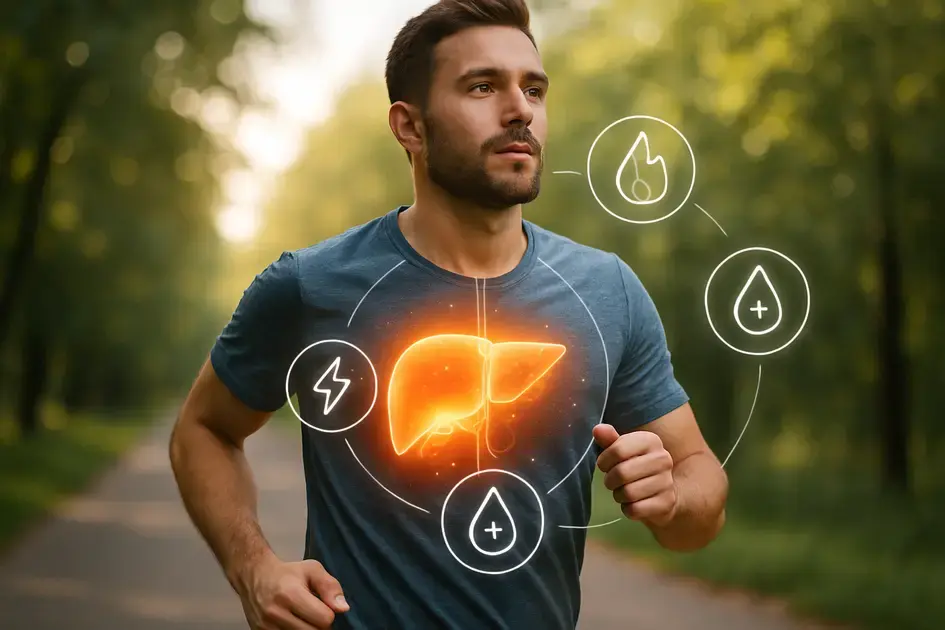
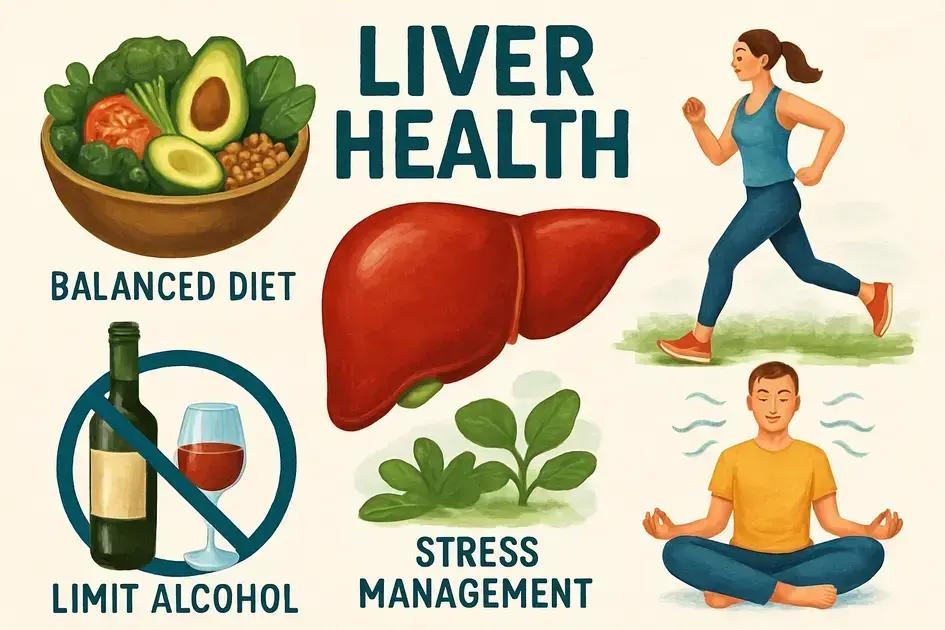
Protecting your liver doesn’t require drastic measures; simple lifestyle changes can make a significant difference. These changes can enhance liver function, promote detoxification, and ultimately contribute to healthier, more youthful skin.
Hydrate Adequately
Water is Key: Drinking plenty of water helps flush out toxins and supports liver function. Aim for at least 8 glasses of water a day to keep your liver hydrated and efficient.
Adopt a Liver-Friendly Diet
Incorporate liver-supporting foods like leafy greens, cruciferous vegetables, beets, garlic, onions, and citrus fruits into your diet. These foods are rich in antioxidants and compounds that promote detoxification.
Limit Alcohol Consumption
Moderate or Abstain: Reducing or eliminating alcohol intake can significantly reduce the burden on your liver. Excessive alcohol consumption can lead to fatty liver disease and other liver problems.
Avoid Processed Foods
Processed foods are often loaded with additives, preservatives, and unhealthy fats that can burden the liver. Choose whole, unprocessed foods as much as possible.
Exercise Regularly
Physical Activity: Regular exercise helps improve liver function, reduce inflammation, and promote overall health. Aim for at least 30 minutes of moderate-intensity exercise most days of the week.
Manage Stress
Chronic stress can negatively impact liver function. Practice stress-reducing techniques like meditation, yoga, or spending time in nature to help protect your liver.
Avoid Exposure to Toxins
Minimize exposure to environmental toxins by using natural cleaning products, choosing organic foods when possible, and avoiding exposure to pollutants.
Get Enough Sleep
Rest and Repair: Adequate sleep is essential for liver repair and regeneration. Aim for 7-8 hours of quality sleep each night to support liver function.
By incorporating these simple lifestyle changes into your daily routine, you can protect your liver, promote detoxification, and enjoy healthier, more youthful skin.
Herbal remedies with benefits for liver and skin
Herbal remedies have been used for centuries to support liver health and improve skin conditions. Certain herbs possess properties that can aid in detoxification, reduce inflammation, and promote overall well-being, leading to healthier, more youthful skin.
Milk Thistle
Liver Protector: Milk thistle contains silymarin, a compound known for its liver-protecting properties. It helps protect liver cells from damage, promotes liver regeneration, and supports detoxification. This can result in clearer, more radiant skin.
Turmeric
Anti-Inflammatory Power: Turmeric contains curcumin, a potent anti-inflammatory and antioxidant compound. It helps reduce liver inflammation, protect liver cells, and improve overall liver function, leading to a more even skin tone and reduced signs of aging.
Dandelion Root
Dandelion root is a natural diuretic and liver tonic. It helps promote bile flow, which aids in digestion and the elimination of toxins. This can result in improved skin clarity and reduced breakouts.
Artichoke Extract
Supports Liver Detox: Artichoke extract contains compounds that stimulate liver function and promote bile production. It helps the liver process and eliminate toxins more efficiently, leading to healthier, more youthful skin.
Licorice Root
Licorice root has anti-inflammatory and liver-protecting properties. It can help reduce liver inflammation, support liver function, and promote overall well-being, leading to improved skin health.
How to Use Herbal Remedies
Herbal remedies can be consumed in various forms, including teas, capsules, and tinctures. It’s essential to consult with a healthcare professional before starting any new herbal supplement, especially if you have any existing health conditions or are taking medications.
By incorporating these herbal remedies into your routine, you can support your liver’s health, promote detoxification, and enjoy healthier, more youthful skin. However, it’s important to use them responsibly and under the guidance of a healthcare professional.
Daily habits that silently damage your liver
Many daily habits, often performed without a second thought, can silently damage your liver over time. Understanding these habits is crucial for protecting your liver health and maintaining a youthful appearance.
Overconsumption of Processed Foods
Hidden Dangers: Processed foods are often high in unhealthy fats, added sugars, and artificial additives, which can burden the liver and contribute to fatty liver disease.
Excessive Sugar Intake
Consuming too much sugar, especially in the form of sugary drinks and desserts, can lead to non-alcoholic fatty liver disease (NAFLD). The liver converts excess sugar into fat, which can accumulate in liver cells.
Overuse of Medications
Liver Toxicity: Certain medications, including over-the-counter pain relievers and prescription drugs, can be toxic to the liver. Always follow dosage instructions carefully and consult with a healthcare professional before taking new medications.
Lack of Sleep
Chronic sleep deprivation can disrupt liver function and increase the risk of liver inflammation. Aim for 7-8 hours of quality sleep each night to support liver health.
Sedentary Lifestyle
Inactive Habits: A lack of physical activity can contribute to fatty liver disease and impair liver function. Regular exercise helps improve liver health and promote overall well-being.
Skipping Breakfast
Skipping breakfast can disrupt metabolic processes and increase the risk of liver damage. A healthy breakfast provides essential nutrients and supports liver function.
Exposure to Environmental Toxins
Exposure to environmental toxins like pesticides, pollutants, and heavy metals can burden the liver’s detoxification capacity. Minimize exposure by choosing organic foods, using natural cleaning products, and avoiding polluted areas.
Dehydration
Insufficient Water Intake: Not drinking enough water can hinder the liver’s ability to flush out toxins. Stay hydrated by drinking plenty of water throughout the day.
By being mindful of these daily habits and making positive changes, you can protect your liver from damage and maintain a healthier, more youthful appearance.
How hydration influences your liver and appearance
Hydration plays a vital role in maintaining a healthy liver and a youthful appearance. Water is essential for various bodily functions, including liver detoxification and skin health. Understanding how hydration impacts your liver and skin can help you make informed choices to support your overall well-being.
Hydration and Liver Function
Detoxification: Water helps the liver flush out toxins and waste products more efficiently. When you’re dehydrated, the liver has to work harder to filter toxins, which can impair its function.
Bile Production: Hydration is essential for producing bile, a digestive fluid that helps break down fats and absorb nutrients. Proper bile production supports liver function and overall digestion.
Cellular Health: Water is a crucial component of liver cells, helping them function optimally. Dehydration can damage liver cells and impair their ability to perform essential tasks.
Hydration and Skin Health
Skin Elasticity: Water helps maintain skin elasticity and firmness. Dehydration can lead to dry, dull skin and increased appearance of wrinkles.
Collagen Production: Hydration is essential for collagen production, a protein that provides structure and support to the skin. Adequate water intake can help maintain skin firmness and reduce the appearance of sagging.
Toxin Elimination: Water helps flush out toxins from the skin, reducing the risk of breakouts and other skin problems. Proper hydration can result in clearer, more radiant skin.
Tips for Staying Hydrated
Drink Plenty of Water: Aim for at least 8 glasses of water a day. Carry a water bottle with you and sip on it throughout the day.
Eat Hydrating Foods: Incorporate hydrating foods like fruits and vegetables into your diet. Watermelon, cucumber, and celery are excellent choices.
Avoid Sugary Drinks: Limit your intake of sugary drinks like soda and juice, which can contribute to dehydration and other health problems.
By staying adequately hydrated, you can support your liver function, promote detoxification, and maintain a healthy, youthful appearance.
The link between gut health, liver, and skin aging

The health of your gut, liver, and skin are intricately connected, forming a powerful triad that influences your overall well-being and aging process. Understanding this connection is crucial for maintaining a youthful appearance and promoting long-term health.
Gut Health and Liver Function
Microbiome Balance: A healthy gut microbiome supports liver function by preventing the overgrowth of harmful bacteria. An imbalance in gut bacteria can lead to increased inflammation and liver damage.
Toxin Absorption: The gut plays a crucial role in preventing toxins from entering the bloodstream. A leaky gut, characterized by increased intestinal permeability, can allow toxins to enter the bloodstream and burden the liver.
Nutrient Absorption: A healthy gut promotes efficient nutrient absorption, which is essential for liver function. The liver relies on various nutrients to perform its detoxification and metabolic processes.
Liver Function and Skin Health
Detoxification: The liver detoxifies the blood, removing toxins that can damage skin cells and contribute to premature aging. A sluggish liver can lead to a buildup of toxins in the bloodstream, resulting in skin problems like acne, eczema, and dullness.
Inflammation: The liver regulates inflammation throughout the body. A healthy liver helps keep inflammation in check, reducing the risk of skin conditions like psoriasis and rosacea.
Nutrient Processing: The liver processes nutrients essential for skin health, such as vitamins A, C, and E. Proper liver function ensures that these nutrients are readily available for the skin.
Gut Health and Skin Health
Inflammation: An imbalanced gut microbiome can trigger inflammation throughout the body, including the skin. This can lead to skin problems like acne, eczema, and psoriasis.
Immune Function: The gut plays a crucial role in immune function. An unhealthy gut can lead to immune dysregulation, which can manifest as skin rashes and allergic reactions.
Nutrient Absorption: The gut is responsible for absorbing nutrients that are essential for skin health, such as vitamins, minerals, and antioxidants. An unhealthy gut can impair nutrient absorption, leading to skin deficiencies.
Supporting the Gut-Liver-Skin Connection
Probiotics: Consume probiotic-rich foods or supplements to support a healthy gut microbiome.
Prebiotics: Eat prebiotic-rich foods to feed beneficial gut bacteria.
Liver-Friendly Diet: Incorporate liver-supporting foods into your diet, such as leafy greens, cruciferous vegetables, and beets.
Hydration: Drink plenty of water to support liver function and skin health.
By supporting the health of your gut, liver, and skin, you can promote overall well-being and maintain a youthful appearance.
Exercise effects on liver function and skin renewal
Regular exercise offers numerous benefits for both liver function and skin renewal, contributing to a healthier and more youthful appearance. Physical activity can improve liver health, reduce inflammation, and promote overall well-being, all of which can positively impact your skin.
Exercise and Liver Function
Reduces Fatty Liver: Exercise helps reduce the accumulation of fat in the liver, which is a key factor in non-alcoholic fatty liver disease (NAFLD). Regular physical activity can improve liver function and prevent the progression of NAFLD.
Improves Insulin Sensitivity: Exercise improves insulin sensitivity, which is essential for liver health. Insulin resistance can contribute to liver damage and inflammation.
Reduces Inflammation: Exercise has anti-inflammatory effects, which can help reduce liver inflammation and protect liver cells from damage.
Enhances Detoxification: Exercise helps improve blood circulation, which aids in the liver’s detoxification processes. Regular physical activity can help the liver flush out toxins more efficiently.
Exercise and Skin Renewal
Increases Blood Flow: Exercise increases blood flow to the skin, delivering essential nutrients and oxygen. This can improve skin tone, reduce the appearance of wrinkles, and promote a healthy glow.
Reduces Stress: Exercise helps reduce stress, which can have a positive impact on skin health. Stress can contribute to skin problems like acne, eczema, and psoriasis.
Boosts Collagen Production: Exercise can help boost collagen production, a protein that provides structure and support to the skin. Increased collagen levels can improve skin elasticity and reduce the appearance of sagging.
Promotes Sweat: Sweating during exercise helps eliminate toxins from the skin, reducing the risk of breakouts and other skin problems.
Types of Exercise to Consider
Aerobic Exercise: Activities like running, swimming, and cycling can improve liver function and promote skin renewal.
Strength Training: Building muscle mass can improve insulin sensitivity and reduce fat accumulation in the liver.
Yoga: Yoga can reduce stress, improve blood circulation, and promote overall well-being.
By incorporating regular exercise into your routine, you can support both liver function and skin renewal, leading to a healthier, more youthful appearance.
Sleep quality, liver repair, and youthful looks

The quality of your sleep plays a significant role in liver repair and maintaining a youthful appearance. Adequate and restful sleep allows your liver to regenerate and detoxify effectively, which directly impacts your skin’s health and overall vitality.
Sleep and Liver Repair
Cell Regeneration: The liver primarily repairs and regenerates itself during sleep. When you consistently get inadequate sleep, this crucial repair process is disrupted, leading to impaired liver function.
Detoxification Processes: The liver’s detoxification processes are most active during sleep. A lack of sleep can hinder the liver’s ability to eliminate toxins, which can accumulate in the body and contribute to various health problems.
Inflammation Reduction: Sleep helps reduce inflammation throughout the body, including the liver. Chronic inflammation can damage liver cells and impair liver function.
Sleep and Youthful Looks
Collagen Production: Sleep is essential for collagen production, a protein that provides structure and support to the skin. A lack of sleep can reduce collagen levels, leading to wrinkles and sagging skin.
Skin Hydration: Adequate sleep helps maintain skin hydration, preventing dryness and dullness. Dehydrated skin is more prone to wrinkles and other signs of aging.
Reduced Dark Circles: Sleep deprivation can lead to dark circles and puffiness under the eyes. Getting enough sleep can improve circulation and reduce the appearance of these signs of fatigue.
Improved Skin Tone: Sleep helps improve blood flow to the skin, delivering essential nutrients and oxygen. This can result in a more even skin tone and a healthy glow.
Tips for Improving Sleep Quality
Establish a Regular Sleep Schedule: Go to bed and wake up at the same time each day, even on weekends, to regulate your body’s natural sleep-wake cycle.
Create a Relaxing Bedtime Routine: Engage in relaxing activities before bed, such as reading, taking a warm bath, or practicing meditation.
Optimize Your Sleep Environment: Make sure your bedroom is dark, quiet, and cool.
Avoid Caffeine and Alcohol Before Bed: These substances can interfere with sleep quality.
By prioritizing sleep quality, you can support liver repair, promote detoxification, and maintain a healthier, more youthful appearance.
When to see a doctor for liver-related skin problems
While many skin problems can be addressed with lifestyle changes and over-the-counter treatments, certain skin conditions may indicate underlying liver issues that require medical attention. Recognizing when to see a doctor for liver-related skin problems is crucial for timely diagnosis and treatment.
Jaundice
Yellowing of the Skin and Eyes: Jaundice, characterized by a yellowing of the skin and whites of the eyes, is a hallmark sign of liver dysfunction. It occurs when there’s a buildup of bilirubin, a yellow pigment, in the blood. If you notice jaundice, seek medical attention immediately.
Persistent Itching
Unexplained Itchiness: While occasional itching is normal, persistent and unexplained itching, especially if it’s severe or accompanied by other symptoms, could indicate liver problems. Liver-related itching is often caused by a buildup of bile salts under the skin.
Spider Angiomas
Spider-like Veins: Spider angiomas, also known as spider nevi, are small, spider-like veins that appear on the skin, often on the face, neck, or chest. While they can be caused by various factors, they can also be a sign of liver disease.
Easy Bruising or Bleeding
Increased Bruising: If you bruise easily or experience prolonged bleeding after minor injuries, it could indicate that your liver isn’t producing enough clotting factors. This can be a sign of liver damage.
Fluid Retention
Swelling: Swelling in the legs, ankles, or abdomen (ascites) can be a sign of liver disease. Fluid retention occurs when the liver isn’t functioning properly, leading to a buildup of fluid in the body.
Changes in Skin Pigmentation
Unusual Changes: Significant changes in skin pigmentation, such as darkening of the skin (hyperpigmentation) or the appearance of skin lesions, can sometimes be associated with liver problems.
Other Symptoms
If you experience skin problems along with other symptoms like fatigue, abdominal pain, nausea, vomiting, or loss of appetite, seek medical attention promptly.
It’s essential to consult with a doctor if you experience any of these skin problems, especially if they are accompanied by other symptoms that suggest liver dysfunction. Early diagnosis and treatment can help prevent serious liver damage and improve your overall health.
Taking care of your liver is an investment in your overall health and appearance. By adopting liver-friendly habits, incorporating supportive foods and remedies, and being mindful of potential damage, you can promote liver function and unlock a more youthful you. Remember to pay attention to any signs that your liver needs extra support and consult a healthcare professional when necessary. A healthy liver isn’t just about internal well-being; it’s your secret weapon for a radiant, youthful glow that lasts for years to come.
Frequently Asked Questions About Liver Health and Youthful Skin
How does the liver affect my skin’s appearance?
The liver filters toxins and processes nutrients essential for skin health. A healthy liver helps remove impurities and ensures your skin receives the necessary vitamins and minerals for a radiant glow.
What are some signs that my liver needs a boost for better skin?
Signs can include persistent acne, dull or yellowish skin, dark circles under the eyes, itchy skin, and skin rashes. These may indicate that your liver isn’t functioning optimally.
What foods support liver health and contribute to youthful skin?
Leafy greens, cruciferous vegetables, beets, garlic, onions, and citrus fruits are excellent choices. They are rich in antioxidants and compounds that support liver detoxification.
How does alcohol impact my liver and skin?
Excessive alcohol consumption can lead to fatty liver disease and inflammation, which can negatively affect your skin, causing dehydration, redness, and premature aging.
What lifestyle changes can protect my liver?
Staying hydrated, adopting a liver-friendly diet, limiting alcohol, avoiding processed foods, exercising regularly, managing stress, and getting enough sleep can significantly protect your liver.
Are there any herbal remedies that can benefit my liver and skin?
Yes, milk thistle, turmeric, dandelion root, and artichoke extract have been used for centuries to support liver health and improve skin conditions.