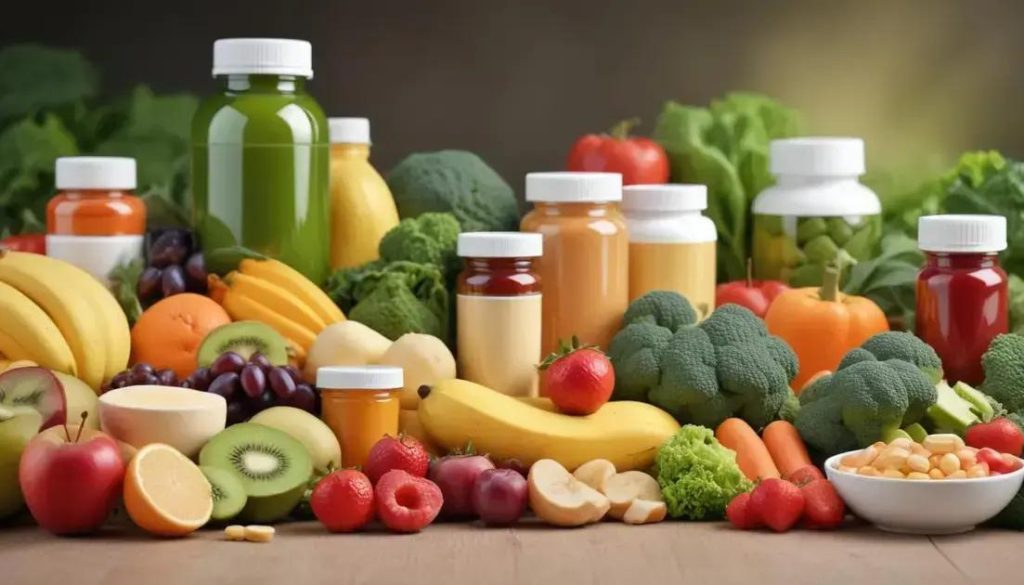
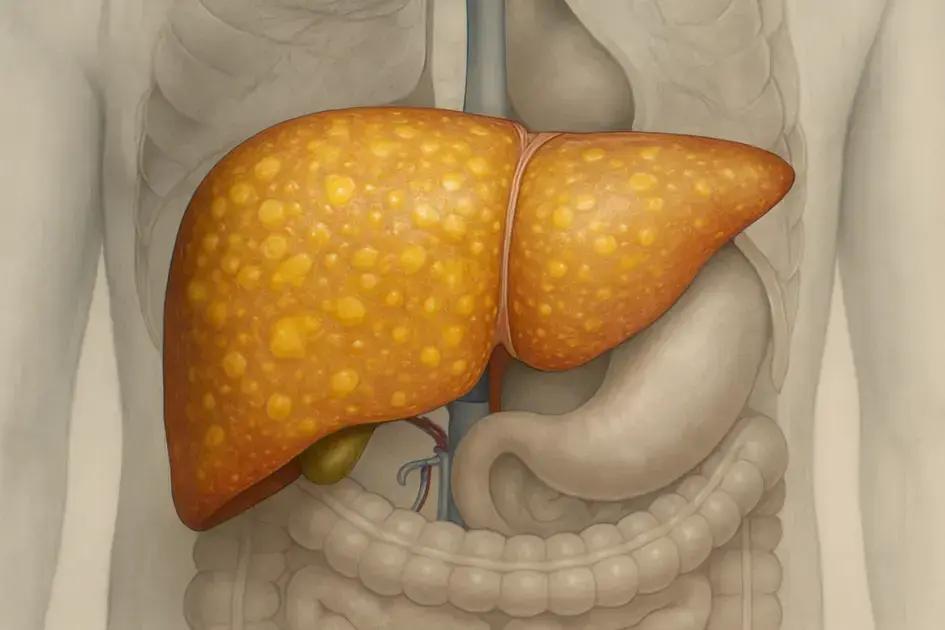
Resetting your metabolism naturally involves supporting your liver through a healthy diet, regular exercise, stress management, and avoiding harmful substances like excessive alcohol and processed foods, which helps improve detoxification and overall metabolic function.

Reset Your Metabolism with This Natural Liver Fix might sound like a bold promise, but a healthier liver can truly change how your body handles energy. Ever wondered how tweaking your liver health could give a fresh boost to your metabolism? Let’s explore some natural ways that might just do the trick for you.
How metabolism and liver health are connected
Your liver and metabolism are tightly linked. The liver acts like your body’s processing plant, handling everything you eat, drink, and absorb. It plays a crucial role in converting nutrients from food into energy that your body can use.
The Liver’s Role in Metabolism
Here’s how the liver influences your metabolism:
- Processing Nutrients: After you eat, the liver processes carbohydrates, proteins, and fats, converting them into forms your body can use or store.
- Regulating Blood Sugar: The liver helps keep your blood sugar levels stable by storing glucose and releasing it when needed.
- Fat Metabolism: It produces bile, which helps digest fats, and it also breaks down fats for energy.
- Detoxification: The liver filters toxins from your blood, preventing them from interfering with metabolic processes.
When the Liver Struggles
If your liver isn’t functioning well, your metabolism can suffer. A sluggish liver can lead to:
- Slower Metabolism: Impaired liver function can slow down the rate at which you burn calories.
- Weight Gain: Difficulty processing fats can lead to fat accumulation.
- Fatigue: Inefficient nutrient conversion can result in low energy levels.
- Blood Sugar Imbalances: An unhealthy liver may struggle to regulate blood sugar, leading to energy crashes.
Taking care of your liver is essential for maintaining a healthy metabolism. Supporting liver function through diet, exercise, and avoiding toxins can help keep your metabolism running smoothly.

Signs your liver needs a natural detox

Knowing when your liver needs a detox can help you take timely action to support its health. Here are some common signs indicating your liver might benefit from a natural reset:
Persistent Fatigue
One of the primary signs of a struggling liver is persistent fatigue. When the liver is overworked, it can’t efficiently perform its detoxification duties, leading to a buildup of toxins in the body. This can result in a constant feeling of tiredness and low energy levels.
Digestive Issues
Digestive problems like bloating, gas, constipation, or diarrhea can also indicate liver issues. The liver produces bile, which is essential for fat digestion. When liver function is compromised, it can lead to incomplete digestion and related discomfort.
Skin Problems
Skin conditions such as acne, eczema, and psoriasis can sometimes be linked to a poorly functioning liver. The liver’s inability to eliminate toxins effectively can cause them to be expelled through the skin, leading to various skin problems.
Abdominal Discomfort
Pain or discomfort in the upper right abdomen, where the liver is located, can be a sign of liver inflammation or enlargement. This discomfort might range from a dull ache to sharp pain.
Changes in Urine and Stool Color
Dark urine or pale stools can indicate liver problems. The liver processes bilirubin, a waste product from the breakdown of red blood cells. When the liver isn’t functioning correctly, bilirubin levels can be disrupted, leading to changes in urine and stool color.
Other Signs
- Unexplained weight gain
- Difficulty losing weight
- Brain fog or difficulty concentrating
- Hormonal imbalances
If you experience several of these signs, it may be time to consider a natural liver detox to support its function and overall health.
Foods that support liver function and metabolism
Incorporating specific foods into your diet can significantly support liver function and boost your metabolism. These foods are packed with nutrients that help detoxify the liver and enhance its ability to process fats and toxins.
Leafy Greens
Leafy greens like spinach, kale, and arugula are rich in chlorophyll, which helps neutralize toxins. They also contain vitamins and minerals that support overall liver health. Adding a daily serving of leafy greens can aid in liver detoxification.
Cruciferous Vegetables
Cruciferous vegetables such as broccoli, cauliflower, and Brussels sprouts contain compounds that enhance the liver’s detoxification enzymes. These vegetables help the liver clear out harmful substances and promote efficient metabolism.
Garlic and Onions
Garlic and onions are rich in sulfur compounds, which are essential for liver detoxification. These compounds help activate liver enzymes that flush out toxins. Adding garlic and onions to your meals can boost your liver’s cleansing processes.
Citrus Fruits
Citrus fruits like lemons, grapefruits, and oranges are high in vitamin C and antioxidants, which protect the liver from damage. They also stimulate the production of liver enzymes, aiding in detoxification and metabolism.

Beets
Beets contain betaine, a compound that helps protect liver cells and improve liver function. They also promote bile flow, which aids in fat digestion. Including beets in your diet can support liver health and enhance metabolism.
Nuts and Seeds
Nuts and seeds like almonds, walnuts, and flaxseeds are rich in omega-3 fatty acids and antioxidants. These nutrients help reduce inflammation and support liver health. A handful of nuts or seeds can provide essential nutrients for liver function.
Incorporating these foods into your daily diet can help support liver function and boost your metabolism, leading to improved overall health and energy levels.
Herbs and supplements that stimulate liver cleansing
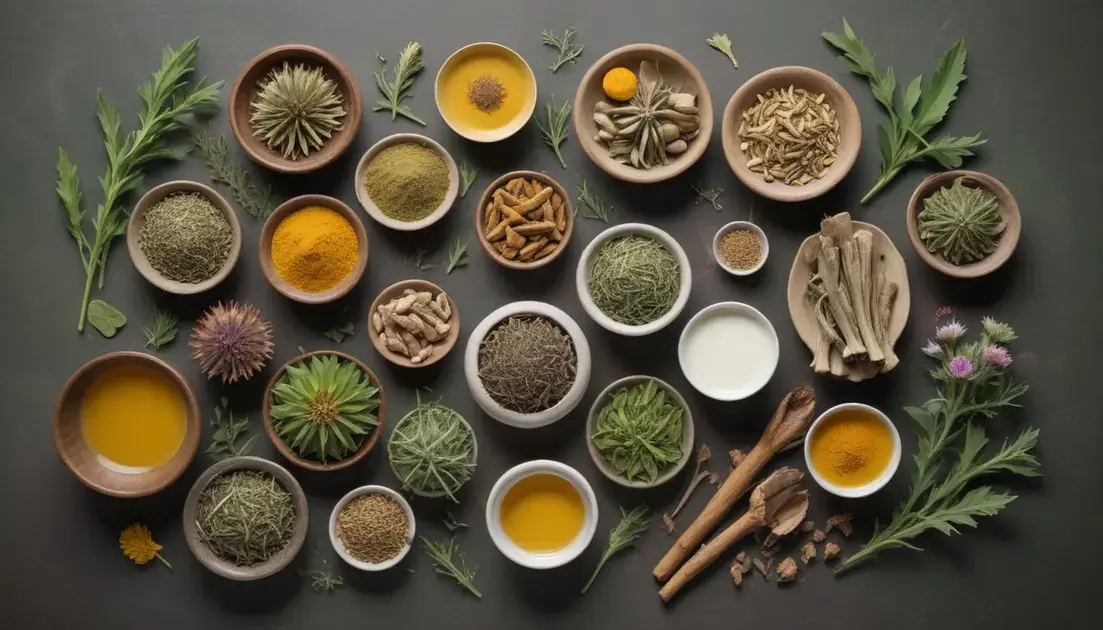
Certain herbs and supplements are known to stimulate liver cleansing, supporting its natural detoxification processes. These natural remedies can help protect liver cells and enhance their function.
Milk Thistle
Milk thistle is one of the most well-known herbs for liver health. It contains silymarin, a compound with antioxidant and anti-inflammatory properties. Milk thistle helps protect liver cells from damage and supports liver regeneration. Taking milk thistle supplements can improve liver function and detoxification.
Turmeric
Turmeric contains curcumin, a potent antioxidant and anti-inflammatory compound. Curcumin helps reduce liver inflammation and supports the production of bile, which aids in fat digestion. Adding turmeric to your diet or taking curcumin supplements can benefit liver health.

Dandelion Root
Dandelion root acts as a gentle liver detoxifier. It stimulates bile production and supports the removal of toxins from the liver. Dandelion root can be consumed as a tea or taken as a supplement to support liver cleansing.
Artichoke Extract
Artichoke extract helps protect liver cells and stimulate bile flow. It also contains antioxidants that reduce liver inflammation. Taking artichoke extract supplements can support liver detoxification and improve overall liver function.
Green Tea Extract
Green tea is rich in antioxidants, particularly catechins, which protect the liver from damage. Green tea extract can help reduce liver inflammation and support detoxification processes. Drinking green tea or taking green tea extract supplements can benefit liver health.
Choline
Choline is an essential nutrient that supports liver function and helps prevent fat accumulation in the liver. Taking choline supplements can improve liver health and support its detoxification processes.
Incorporating these herbs and supplements into your routine can help stimulate liver cleansing and support overall liver health. Always consult with a healthcare provider before starting any new supplement regimen.
Daily habits harming your liver and metabolism
Many daily habits can negatively impact your liver and metabolism, hindering their ability to function optimally. Identifying and modifying these habits is crucial for maintaining liver health and metabolic balance.
Excessive Alcohol Consumption
Excessive alcohol intake is one of the most significant threats to liver health. Alcohol can cause inflammation and damage to liver cells, leading to conditions like fatty liver disease, hepatitis, and cirrhosis. Reducing or eliminating alcohol consumption is essential for liver health.
High Sugar Intake
Consuming large amounts of sugary drinks and processed foods can lead to a buildup of fat in the liver, contributing to non-alcoholic fatty liver disease (NAFLD). Reducing sugar intake can help prevent fat accumulation and improve liver function.
Processed Foods and Unhealthy Fats
Processed foods are often high in unhealthy fats, additives, and preservatives, which can burden the liver and impair its function. Limiting processed foods and opting for whole, natural foods can support liver health and metabolism.
Sedentary Lifestyle
A lack of physical activity can contribute to fat accumulation in the liver and impair metabolic function. Regular exercise helps improve liver health by reducing fat buildup and promoting efficient metabolism.
Overuse of Medications
Certain medications can be toxic to the liver, especially when taken in high doses or for extended periods. Always follow your doctor’s instructions and avoid unnecessary medications to protect your liver.
Exposure to Environmental Toxins
Exposure to environmental toxins such as pesticides, pollutants, and chemicals can burden the liver and impair its ability to detoxify. Minimizing exposure to these toxins can support liver health.
Chronic Stress
Chronic stress can negatively impact liver function by increasing inflammation and impairing detoxification processes. Managing stress through relaxation techniques and lifestyle changes can support liver health.
By being aware of these daily habits and making conscious efforts to modify them, you can significantly improve your liver health and support a healthy metabolism.
Simple liver-friendly recipes for everyday meals

Incorporating liver-friendly meals into your daily routine can support liver health and overall well-being. Here are a few simple recipes that are easy to prepare and packed with nutrients that promote liver function.
Lemon-Garlic Roasted Broccoli
This recipe combines the detoxifying properties of broccoli and garlic with the liver-supportive benefits of lemon. Roasting the broccoli enhances its flavor and nutrient content.
Ingredients:
- 1 head of broccoli, cut into florets
- 2 cloves of garlic, minced
- 2 tablespoons olive oil
- 1 lemon, juiced
- Salt and pepper to taste
Instructions:
- Preheat oven to 400°F (200°C).
- In a bowl, toss broccoli florets with olive oil, minced garlic, lemon juice, salt, and pepper.
- Spread the broccoli in a single layer on a baking sheet.
- Roast for 20-25 minutes, or until tender and slightly browned.
Beet and Carrot Salad with Ginger Dressing
This salad combines the liver-supportive benefits of beets and carrots with the anti-inflammatory properties of ginger. The dressing adds a zesty flavor that complements the sweetness of the vegetables.
Ingredients:
- 2 medium beets, peeled and grated
- 2 medium carrots, peeled and grated
- 1 inch of ginger, grated
- 2 tablespoons olive oil
- 1 tablespoon apple cider vinegar
- 1 tablespoon lemon juice
- Salt and pepper to taste
Instructions:
- In a large bowl, combine grated beets and carrots.
- In a small bowl, whisk together grated ginger, olive oil, apple cider vinegar, lemon juice, salt, and pepper.
- Pour the dressing over the beet and carrot mixture and toss well.
- Serve immediately or chill for later.
Turmeric-Spiced Lentil Soup
This soup combines the anti-inflammatory properties of turmeric with the protein and fiber of lentils. It’s a hearty and nutritious meal that supports liver health.
Ingredients:
- 1 cup red lentils, rinsed
- 4 cups vegetable broth
- 1 onion, chopped
- 2 cloves garlic, minced
- 1 teaspoon turmeric powder
- 1/2 teaspoon cumin powder
- Salt and pepper to taste
Instructions:
- In a large pot, combine lentils, vegetable broth, chopped onion, minced garlic, turmeric powder, cumin powder, salt, and pepper.
- Bring to a boil, then reduce heat and simmer for 20-25 minutes, or until lentils are tender.
- Serve hot.
These simple recipes make it easy to incorporate liver-friendly meals into your daily routine, supporting liver health and overall well-being.
How intermittent fasting can aid your liver reset
Intermittent fasting (IF) can be a powerful tool to aid your liver reset by giving your body a break from constant digestion and allowing it to focus on repair and detoxification. IF involves cycling between periods of eating and voluntary fasting on a regular schedule.
Reduced Caloric Intake
Intermittent fasting often leads to a natural reduction in overall caloric intake. This reduction can help prevent the accumulation of fat in the liver, reducing the risk of non-alcoholic fatty liver disease (NAFLD). By giving your liver a break from processing excess calories, it can focus on its natural detoxification processes.
Improved Insulin Sensitivity
IF has been shown to improve insulin sensitivity. Insulin resistance can contribute to fat accumulation in the liver and impair its function. By improving insulin sensitivity, IF can help prevent fat buildup and support liver health.
Enhanced Autophagy
During periods of fasting, the body initiates a process called autophagy, where it cleans out damaged cells and cellular components. This process can help remove damaged cells from the liver, promoting regeneration and improving its overall function.
Reduced Inflammation
IF can help reduce inflammation throughout the body, including the liver. Chronic inflammation can damage liver cells and impair their function. By reducing inflammation, IF supports liver health and detoxification.
Weight Management
IF can be an effective tool for weight management. Losing excess weight can significantly reduce the risk of fatty liver disease and improve liver function. By supporting weight loss, IF can contribute to a healthier liver.
How to Implement Intermittent Fasting
- 16/8 Method: Fast for 16 hours and eat during an 8-hour window.
- 5:2 Diet: Eat normally for five days a week and restrict calories to 500-600 for the other two days.
- Eat-Stop-Eat: Fast for 24 hours once or twice a week.
Implementing intermittent fasting can aid your liver reset by reducing caloric intake, improving insulin sensitivity, enhancing autophagy, reducing inflammation, and supporting weight management. Consult with a healthcare provider before starting any new fasting regimen.
The role of hydration in liver detoxification
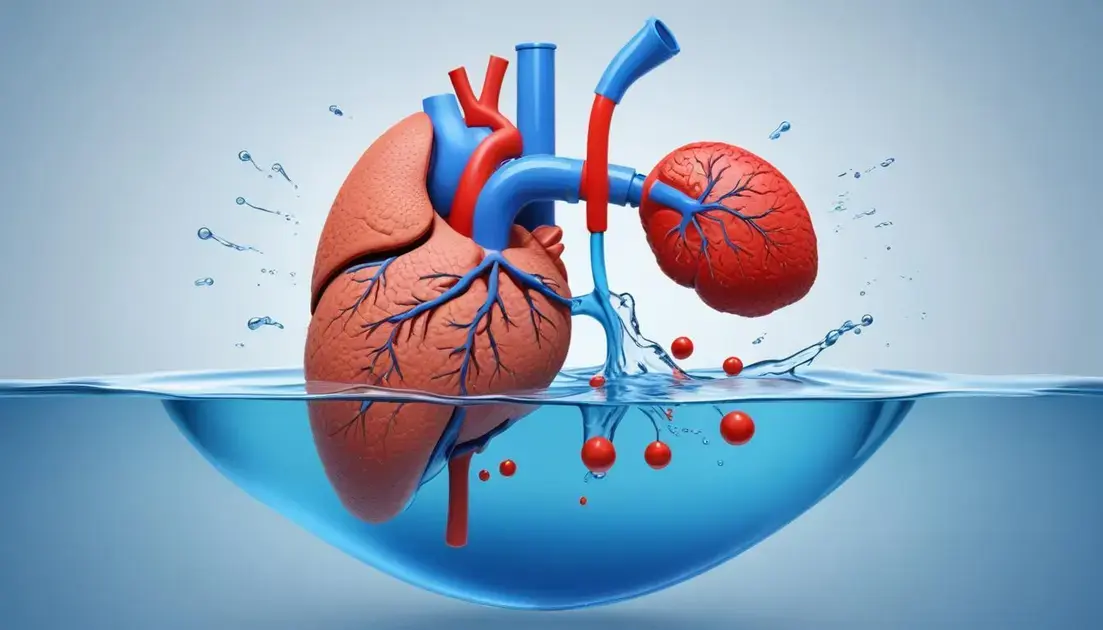
Hydration plays a vital role in liver detoxification by supporting its natural processes and helping it efficiently eliminate toxins. Adequate water intake is essential for maintaining liver health and overall well-being.
Facilitating Toxin Removal
The liver filters toxins from the blood, and these toxins need to be eliminated from the body. Water helps flush out these toxins through urine and sweat. When you’re well-hydrated, your kidneys can effectively filter waste products, reducing the burden on the liver.
Supporting Bile Production
Bile is a fluid produced by the liver that helps digest fats. Water is a key component of bile, and adequate hydration ensures that the liver can produce enough bile to effectively break down fats. This aids in digestion and prevents fat accumulation in the liver.
Maintaining Liver Cell Function
Liver cells need water to function properly. Dehydration can impair liver cell function, making it harder for the liver to perform its detoxification duties. Staying hydrated ensures that liver cells can efficiently process and eliminate toxins.
Preventing Constipation
Dehydration can lead to constipation, which can increase the toxic load on the liver. When waste products are not eliminated regularly, they can be reabsorbed into the bloodstream, putting additional strain on the liver. Adequate water intake helps prevent constipation and supports regular bowel movements.
Improving Blood Circulation
Water helps maintain healthy blood circulation, which is essential for delivering nutrients to the liver and removing waste products. Good blood circulation ensures that the liver receives the support it needs to function optimally.
How Much Water Do You Need?
- Aim for at least 8 glasses (64 ounces) of water per day.
- Increase your water intake if you’re active or live in a hot climate.
- Drink water throughout the day, rather than all at once.
- Include hydrating foods in your diet, such as fruits and vegetables.
Adequate hydration is crucial for liver detoxification by facilitating toxin removal, supporting bile production, maintaining liver cell function, preventing constipation, and improving blood circulation. Make sure to drink enough water every day to support your liver health.
Exercise routines that complement liver health
Regular exercise is beneficial for overall health, and certain routines can specifically complement liver health by promoting detoxification, reducing fat accumulation, and improving metabolic function. Incorporating these exercises into your routine can support a healthy liver.
Aerobic Exercises
Aerobic exercises such as brisk walking, jogging, and cycling can improve liver health by increasing blood flow, reducing inflammation, and promoting weight loss. Aim for at least 30 minutes of moderate-intensity aerobic exercise most days of the week.
Strength Training
Strength training exercises help build muscle mass, which can improve metabolic function and reduce fat accumulation in the liver. Include exercises such as squats, lunges, and weightlifting in your routine two to three times per week.
Yoga
Yoga can support liver health by reducing stress, improving blood flow, and promoting detoxification. Certain yoga poses, such as twists and forward folds, can stimulate the liver and aid in its natural cleansing processes. Practicing yoga regularly can benefit liver function.
High-Intensity Interval Training (HIIT)
HIIT involves short bursts of intense exercise followed by brief recovery periods. This type of exercise can improve insulin sensitivity, reduce fat accumulation, and boost metabolic function, all of which are beneficial for liver health. Include HIIT workouts in your routine one to two times per week.
Swimming
Swimming is a low-impact exercise that can improve cardiovascular health, reduce stress, and promote overall well-being. Regular swimming can support liver health by improving blood flow and reducing inflammation.
How Exercise Benefits the Liver
- Reduces fat accumulation in the liver
- Improves insulin sensitivity
- Reduces inflammation
- Promotes weight loss
- Increases blood flow
Incorporating these exercise routines into your daily life can complement liver health by promoting detoxification, reducing fat accumulation, and improving metabolic function. Choose activities you enjoy and can sustain over time for the best results.
Impact of alcohol and how to reduce its damage
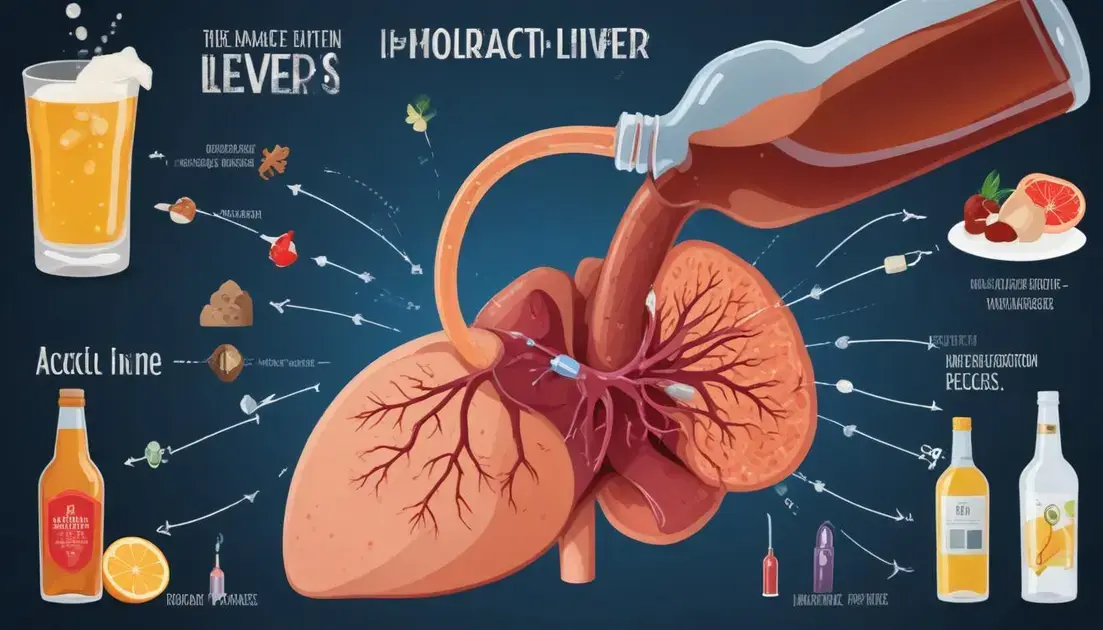
Alcohol can have a significant impact on liver health, leading to various liver diseases. Understanding the effects of alcohol and taking steps to reduce its damage is crucial for maintaining liver function.
How Alcohol Affects the Liver
When you drink alcohol, the liver is responsible for breaking it down. This process can generate harmful byproducts that damage liver cells, leading to inflammation and scarring. Over time, excessive alcohol consumption can result in:
- Fatty Liver Disease: Accumulation of fat in the liver.
- Alcoholic Hepatitis: Inflammation of the liver.
- Cirrhosis: Scarring of the liver, which can impair its function.
Strategies to Reduce Alcohol’s Damage
If you choose to consume alcohol, there are several strategies to minimize its impact on your liver:
Moderate Consumption: Limit your alcohol intake to moderate levels. For men, this means no more than two drinks per day, and for women, no more than one drink per day.
Avoid Binge Drinking: Binge drinking (consuming a large amount of alcohol in a short period) can be particularly harmful to the liver. Avoid this pattern of drinking.
Stay Hydrated: Drink plenty of water when consuming alcohol to help your liver process it more efficiently and prevent dehydration.
Eat Food: Consuming food while drinking alcohol can slow down its absorption and reduce its impact on the liver.
Take Breaks: Give your liver time to recover by taking breaks from alcohol consumption. Avoid drinking every day.
Support Liver Health: Incorporate liver-supportive foods and supplements into your diet, such as leafy greens, cruciferous vegetables, milk thistle, and turmeric.
Regular Check-ups: If you consume alcohol regularly, consider getting regular liver function tests to monitor your liver health.
Consider Abstinence: The best way to protect your liver from alcohol damage is to abstain from alcohol altogether.
Understanding the impact of alcohol and implementing strategies to reduce its damage is essential for maintaining liver health. Making informed choices about alcohol consumption can help protect your liver and overall well-being.
Understanding fatty liver disease and natural remedies
Fatty liver disease is a common condition characterized by the accumulation of excess fat in the liver. Understanding the causes, symptoms, and natural remedies can help manage and even reverse this condition.
What is Fatty Liver Disease?
Fatty liver disease occurs when fat makes up more than 5% to 10% of the liver’s weight. There are two main types:
- Nonalcoholic Fatty Liver Disease (NAFLD): Occurs in people who don’t consume excessive amounts of alcohol.
- Alcoholic Fatty Liver Disease (AFLD): Caused by heavy alcohol consumption.
Causes and Risk Factors
- Obesity: Excess weight increases the risk of NAFLD.
- Insulin Resistance: Impairs glucose metabolism and contributes to fat accumulation.
- High Blood Sugar: Uncontrolled diabetes can increase the risk.
- High Blood Pressure: Contributes to liver damage.
- High Cholesterol and Triglycerides: Can lead to fat buildup in the liver.
- Excessive Alcohol Consumption: Leads to AFLD.
- Poor Diet: High in processed foods, sugary drinks, and unhealthy fats.
Symptoms of Fatty Liver Disease
Many people with fatty liver disease have no symptoms, especially in the early stages. However, some may experience:
- Fatigue
- Abdominal discomfort
- Enlarged liver
Natural Remedies for Fatty Liver Disease
Lifestyle changes and natural remedies can help manage and reverse fatty liver disease:
Dietary Changes:
- Reduce intake of processed foods, sugary drinks, and unhealthy fats.
- Increase consumption of fruits, vegetables, whole grains, and lean proteins.
- Incorporate liver-supportive foods like leafy greens, cruciferous vegetables, and beets.
Weight Loss:
Losing even a small amount of weight (5% to 10% of body weight) can significantly improve liver health.
Regular Exercise:
Engage in regular aerobic and strength training exercises to improve insulin sensitivity and reduce fat accumulation.
Supplements:
- Milk Thistle: Supports liver cell regeneration and reduces inflammation.
- Turmeric: Contains curcumin, which has anti-inflammatory and antioxidant properties.
- Vitamin E: An antioxidant that can help reduce liver damage.
- Omega-3 Fatty Acids: Help reduce fat accumulation and inflammation.
Limit Alcohol Consumption:
If you have AFLD, abstaining from alcohol is essential for liver recovery.
Understanding fatty liver disease and implementing natural remedies can help manage the condition and improve liver health. Consult with a healthcare provider for personalized advice and treatment options.
Importance of antioxidants for liver protection
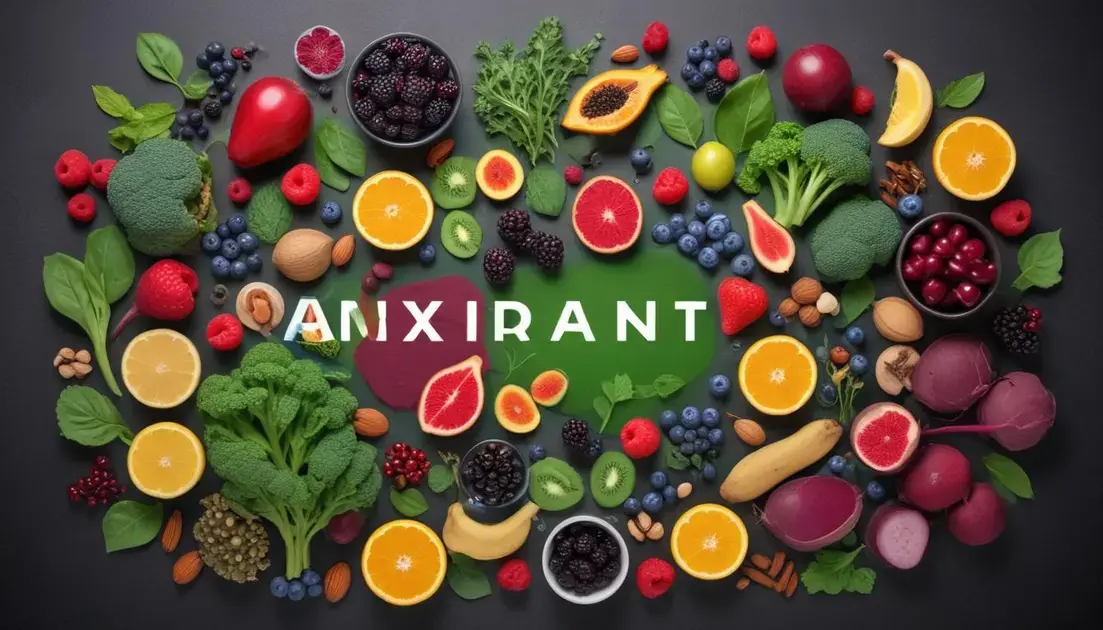
Antioxidants play a crucial role in protecting the liver from damage by neutralizing free radicals and reducing oxidative stress. Understanding the importance of antioxidants and incorporating them into your diet can support liver health and overall well-being.
What are Antioxidants?
Antioxidants are compounds that help protect cells from damage caused by free radicals. Free radicals are unstable molecules that can damage cells, proteins, and DNA, leading to oxidative stress and inflammation.
How Antioxidants Protect the Liver
The liver is constantly exposed to toxins and harmful substances, which can generate free radicals and cause oxidative stress. Antioxidants protect the liver by:
- Neutralizing Free Radicals: Antioxidants donate electrons to free radicals, stabilizing them and preventing them from damaging liver cells.
- Reducing Oxidative Stress: By neutralizing free radicals, antioxidants reduce oxidative stress, which can impair liver function.
- Reducing Inflammation: Antioxidants have anti-inflammatory properties that can help reduce liver inflammation.
- Supporting Liver Cell Regeneration: Antioxidants protect liver cells from damage, allowing them to regenerate and function properly.
Best Antioxidant-Rich Foods for Liver Protection
Incorporating antioxidant-rich foods into your diet can provide significant liver protection:
- Berries: Blueberries, strawberries, and raspberries are rich in antioxidants called anthocyanins.
- Leafy Greens: Spinach, kale, and arugula are high in vitamins, minerals, and antioxidants like chlorophyll.
- Nuts and Seeds: Almonds, walnuts, and flaxseeds are rich in vitamin E and omega-3 fatty acids, which have antioxidant properties.
- Green Tea: Contains catechins, which are potent antioxidants that protect the liver.
- Turmeric: Contains curcumin, which has strong antioxidant and anti-inflammatory effects.
- Citrus Fruits: Lemons, oranges, and grapefruits are high in vitamin C, an antioxidant that supports liver health.
- Beets: Contain betalains, which are powerful antioxidants that protect liver cells.
Supplements with Antioxidant Properties
- Vitamin C: A powerful antioxidant that supports liver detoxification.
- Vitamin E: Protects liver cells from damage.
- Selenium: An essential mineral that acts as an antioxidant.
- N-Acetyl Cysteine (NAC): Helps increase glutathione levels, a powerful antioxidant in the liver.
Incorporating antioxidant-rich foods and supplements into your routine can provide significant liver protection by neutralizing free radicals and reducing oxidative stress. Consult with a healthcare provider before starting any new supplement regimen.
Sleep’s effect on metabolism and liver repair
Quality sleep is essential for maintaining a healthy metabolism and supporting liver repair. During sleep, the body undergoes crucial processes that promote liver function and metabolic balance. Understanding sleep’s impact can help prioritize rest for optimal health.
How Sleep Affects Metabolism
Sleep plays a significant role in regulating metabolism. Inadequate sleep can disrupt hormonal balance, leading to:
- Insulin Resistance: Lack of sleep can impair insulin sensitivity, increasing the risk of type 2 diabetes and fatty liver disease.
- Hormonal Imbalances: Sleep deprivation can disrupt the hormones that regulate appetite, leading to increased hunger and weight gain.
- Reduced Energy Expenditure: Insufficient sleep can decrease the body’s ability to burn calories efficiently.
Sleep and Liver Repair
During sleep, the liver has an opportunity to repair and regenerate. Adequate sleep supports:
- Detoxification: The liver processes and eliminates toxins more effectively during sleep.
- Cell Regeneration: Sleep promotes the repair and regeneration of liver cells, helping to maintain liver function.
- Reduced Inflammation: Sufficient sleep can help reduce inflammation in the liver, supporting its overall health.
Tips for Improving Sleep Quality
Improving your sleep quality can significantly benefit your metabolism and liver health:
- Establish a Consistent Sleep Schedule: Go to bed and wake up at the same time every day to regulate your body’s natural sleep-wake cycle.
- Create a Relaxing Bedtime Routine: Engage in calming activities before bed, such as reading, taking a warm bath, or practicing relaxation techniques.
- Optimize Your Sleep Environment: Make sure your bedroom is dark, quiet, and cool.
- Limit Screen Time Before Bed: The blue light emitted from electronic devices can interfere with sleep. Avoid using screens for at least an hour before bed.
- Avoid Caffeine and Alcohol Before Bed: These substances can disrupt sleep patterns.
- Exercise Regularly: Regular physical activity can improve sleep quality, but avoid exercising too close to bedtime.
Prioritizing quality sleep is essential for maintaining a healthy metabolism and supporting liver repair. Making lifestyle changes to improve sleep can significantly benefit your overall health and well-being.
Stress management to support liver function

Stress can negatively impact liver function by increasing inflammation and impairing detoxification processes. Effective stress management techniques can support liver health and overall well-being.
How Stress Affects the Liver
When you experience stress, your body releases stress hormones like cortisol and adrenaline. These hormones can have several negative effects on the liver:
- Increased Inflammation: Stress hormones can trigger inflammation throughout the body, including the liver. Chronic inflammation can damage liver cells and impair liver function.
- Impaired Detoxification: Stress can interfere with the liver’s ability to detoxify harmful substances, leading to a buildup of toxins in the body.
- Reduced Blood Flow: Stress can reduce blood flow to the liver, which can impair its ability to function properly.
- Hormonal Imbalances: Stress can disrupt hormonal balance, which can affect liver function and metabolism.
Effective Stress Management Techniques
Implementing stress management techniques can help support liver function and overall health:
- Mindfulness Meditation: Practicing mindfulness meditation can help reduce stress and improve overall well-being. Regular meditation can lower cortisol levels and promote relaxation.
- Deep Breathing Exercises: Deep breathing exercises can calm the nervous system and reduce stress. Practice deep breathing for a few minutes several times a day.
- Yoga and Tai Chi: These practices combine physical activity with mindfulness, helping to reduce stress and improve overall well-being.
- Regular Exercise: Physical activity is a great way to reduce stress and improve mood. Aim for at least 30 minutes of moderate-intensity exercise most days of the week.
- Spending Time in Nature: Spending time outdoors can help reduce stress and improve mood. Take a walk in the park, go for a hike, or simply sit outside and enjoy the fresh air.
- Engaging in Hobbies: Engaging in enjoyable activities can help reduce stress and improve overall well-being. Make time for hobbies you enjoy, such as reading, painting, or listening to music.
- Social Support: Spending time with friends and family can help reduce stress and improve mood. Connect with loved ones and build strong social connections.
Implementing these stress management techniques can support liver function by reducing inflammation, improving detoxification, and promoting overall well-being. Prioritizing stress management is essential for maintaining a healthy liver.
Tracking progress: What to expect when resetting your metabolism
Tracking your progress is essential when resetting your metabolism and supporting liver health. Understanding what to expect can help you stay motivated and make informed adjustments along the way.
Initial Phase (Weeks 1-4)
In the initial phase, you may experience some noticeable changes as your body adjusts to new habits:
- Improved Energy Levels: As your liver starts to function more efficiently, you may notice increased energy levels and reduced fatigue.
- Better Digestion: Incorporating liver-friendly foods and reducing processed foods can lead to improved digestion and reduced bloating.
- Weight Loss: If you are overweight, you may start to see some weight loss as your metabolism becomes more efficient.
- Mood Improvement: As your body detoxifies, you may experience improved mood and reduced brain fog.
Mid-Term Phase (Weeks 5-12)
During the mid-term phase, you may experience more significant changes as your metabolism continues to reset:
- Continued Weight Loss: If you are following a weight loss plan, you may see continued weight loss and improved body composition.
- Improved Liver Function: Regular liver function tests may show improvements in liver enzyme levels.
- Better Sleep: As your metabolism stabilizes, you may experience improved sleep quality and more restful nights.
- Reduced Inflammation: Incorporating anti-inflammatory foods and supplements can lead to reduced inflammation throughout the body.
Long-Term Phase (Months 3+)
In the long-term phase, you can expect to see sustained improvements in your metabolism and liver health:
- Stable Weight: Maintaining healthy habits can help you maintain a stable weight and prevent weight gain.
- Optimal Liver Function: Continuing to support your liver with healthy habits can help maintain optimal liver function and prevent liver disease.
- Increased Energy and Vitality: As your metabolism continues to function efficiently, you can expect to experience increased energy and vitality.
- Improved Overall Health: Resetting your metabolism and supporting liver health can lead to improvements in overall health and well-being.
How to Track Your Progress
* Keep a Journal: Track your diet, exercise, sleep, and mood.
* Monitor Weight and Measurements: Weigh yourself regularly and take body measurements to track progress.
* Get Regular Liver Function Tests: Consult with your doctor to get regular liver function tests to monitor your liver health.
* Take Before and After Photos: Take before and after photos to visually track your progress.
Tracking your progress is crucial for staying motivated and making informed adjustments along the way. Understanding what to expect can help you stay committed to resetting your metabolism and supporting liver health.
Resetting your metabolism through natural liver support is a journey towards better health. By understanding the connection between your liver and metabolism, adopting liver-friendly habits, and tracking your progress, you can boost your energy and vitality. Embrace these changes for a healthier, more energetic you!
FAQ – Frequently Asked Questions About Resetting Your Metabolism with Natural Liver Fix
What is the connection between liver health and metabolism?
The liver plays a crucial role in processing nutrients and detoxifying the body, directly impacting metabolic efficiency. A healthy liver supports a faster, more efficient metabolism.
What are the signs that my liver needs a detox?
Signs include persistent fatigue, digestive issues, skin problems, abdominal discomfort, and changes in urine and stool color.
Which foods support liver function and metabolism?
Leafy greens, cruciferous vegetables, garlic, onions, citrus fruits, beets, nuts, and seeds all support liver function and boost metabolism.
Are there any herbs and supplements that can help with liver cleansing?
Yes, milk thistle, turmeric, dandelion root, artichoke extract, green tea extract, and choline can stimulate liver cleansing.
What daily habits can harm my liver and metabolism?
Excessive alcohol consumption, high sugar intake, processed foods, a sedentary lifestyle, overuse of medications, and chronic stress can harm your liver and metabolism.
How can intermittent fasting aid my liver reset?
Intermittent fasting can reduce caloric intake, improve insulin sensitivity, enhance autophagy, and reduce inflammation, supporting liver health.