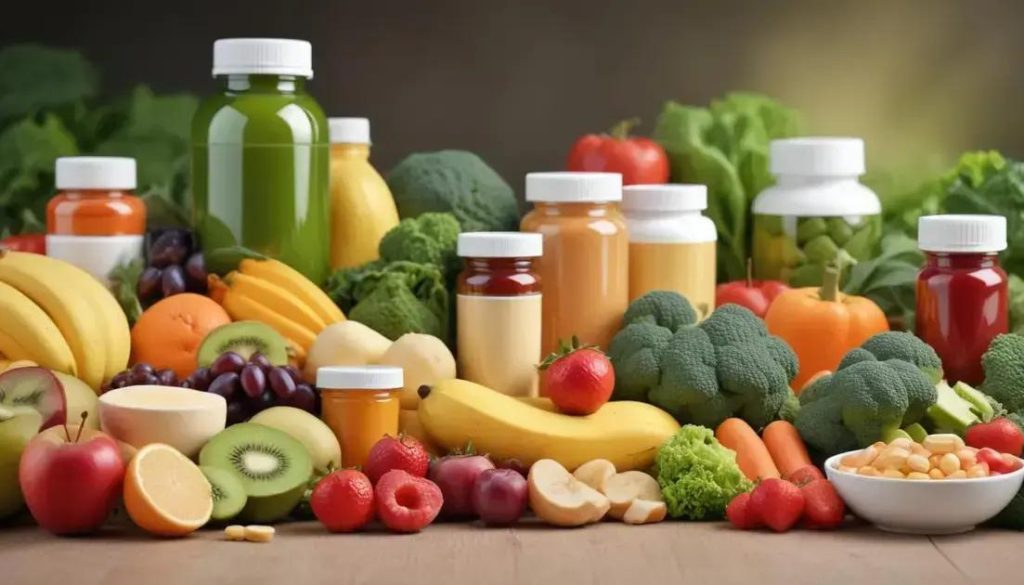
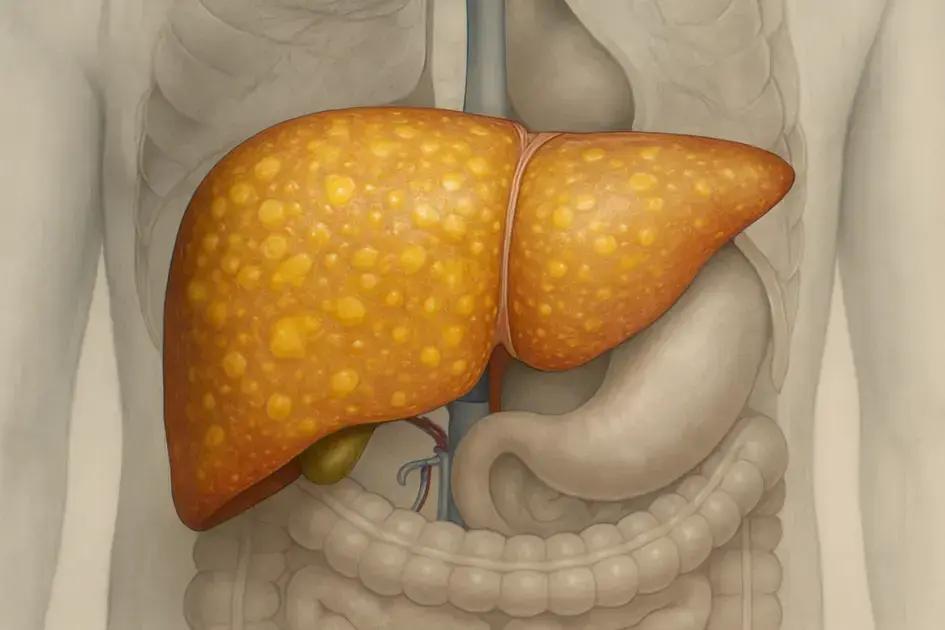
The secret to burning fat starts in your liver, which controls fat metabolism by breaking down fats into energy and requires proper nutrition, exercise, sleep, and stress management to function efficiently for effective weight loss.

The Secret to Burning Fat Starts in Your Liver might sound surprising, but it’s true. Have you ever wondered why some people struggle with weight loss despite dieting? The liver’s role could be the missing piece. Let’s dive into how this organ secretly affects your fat burning.
How the liver controls fat metabolism
The liver plays a central role in controlling fat metabolism by breaking down fats and converting them into energy. It processes fatty acids and produces bile, which helps digest and absorb fats from the diet. The liver stores energy in the form of glycogen, but it also manages fat by converting excess calories into triglycerides for storage or burning.
Fat oxidation occurs mainly in the liver, where fats are broken down to release energy. This process is crucial for weight management because a healthy liver efficiently burns fat rather than storing it.
The liver also regulates cholesterol, balancing its production and removal, which affects fat distribution in the body. When the liver functions properly, it keeps fat metabolism working smoothly, reducing the risk of fat accumulation and related health issues.
Any disruption in liver function, such as fatty liver disease, can impair fat metabolism and contribute to weight gain. That’s why supporting liver health through proper nutrition and lifestyle is essential for effective fat burning.

Signs your liver may be slowing down fat burning
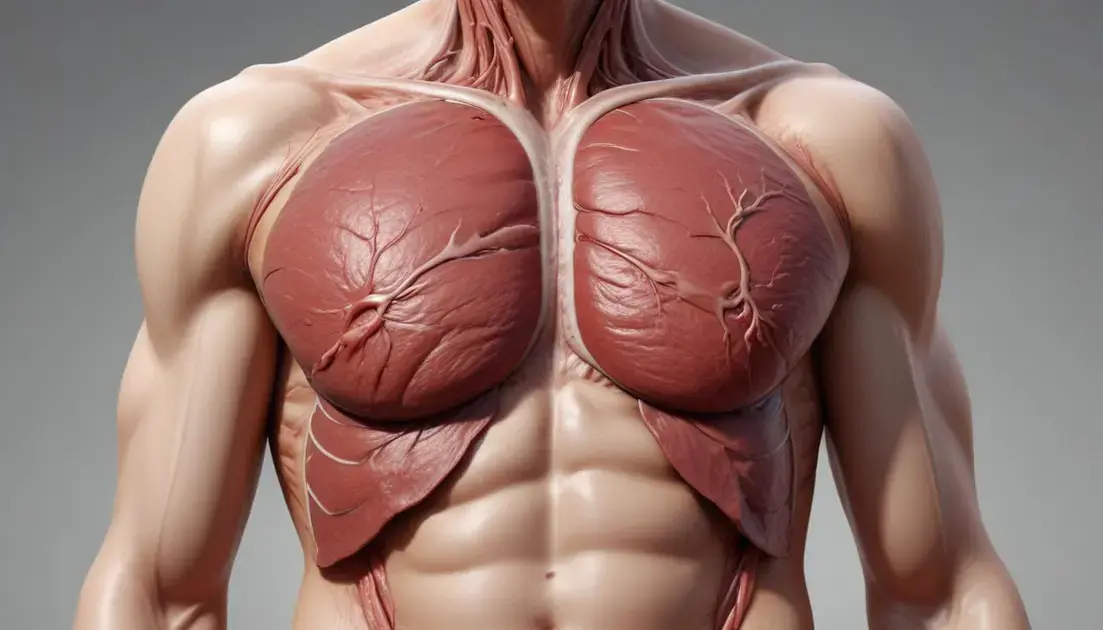
Your liver is key for burning fat, but sometimes it may slow down without obvious signs. Recognizing the early signals of reduced liver function can help you take action sooner.
Common signs include unexplained weight gain, especially around the abdomen, as the liver struggles to process and burn fat efficiently. You might also feel constant fatigue or low energy because the liver isn’t releasing enough stored energy from fat.
Digestive problems, such as bloating, gas, or indigestion, can indicate that bile production is impaired, disrupting fat digestion. Skin changes like yellowing (jaundice) or persistent itching may signal liver stress.
Other symptoms include brain fog, mood swings, and difficulty concentrating, which happen because toxins build up when the liver can’t detoxify properly. You might notice dark circles around the eyes or swelling in the legs and abdomen if the liver is struggling.
Monitoring these signs regularly is important. Blood tests can also reveal increased liver enzymes, which often point to reduced fat metabolism efficiency. If you experience several of these symptoms, it may be time to consult a healthcare professional for liver health assessment.
Foods that support liver fat-burning functions
The liver’s ability to burn fat efficiently depends greatly on the foods you eat. Certain foods support liver health and improve its fat-burning functions by providing essential nutrients and antioxidants.

Leafy greens like spinach and kale are rich in chlorophyll, which helps detoxify the liver and reduce fat buildup. Cruciferous vegetables such as broccoli and Brussels sprouts boost enzymes that protect the liver and improve fat metabolism.
Fruits like berries and citrus are loaded with antioxidants and vitamin C, which protect liver cells from damage and enhance fat burning. Healthy fats from sources like avocados, nuts, and olive oil provide energy without stressing the liver.
Fatty fish such as salmon and mackerel contain omega-3 fatty acids that reduce inflammation and prevent fat accumulation in the liver. Whole grains, including oats and brown rice, support stable blood sugar levels and reduce the liver’s fat storage workload.
Herbs and spices like turmeric and garlic have powerful anti-inflammatory properties that aid liver detoxification and fat processing. Drinking plenty of water also assists the liver in flushing out toxins and improves metabolic functions.
Incorporating these liver-friendly foods into your daily diet can help optimize how your body burns fat and supports overall liver performance.
The role of insulin and liver fat processing


Insulin plays a vital role in liver fat processing by regulating how the liver stores and breaks down fats. When insulin levels are balanced, the liver effectively converts fats into energy and prevents excess fat buildup.
After you eat, insulin signals the liver to store glucose as glycogen for energy later. However, when insulin resistance develops, the liver cannot respond properly, leading to increased fat storage, a key factor in fatty liver disease.
High insulin levels can cause the liver to produce more triglycerides, contributing to fat accumulation and impairing its ability to burn fat. This disrupts normal metabolism and often leads to weight gain, especially around the belly.
Controlling insulin through diet and lifestyle is essential. Foods low in refined sugars and rich in fiber help maintain steady insulin levels, allowing the liver to process fats more efficiently.
Exercise also improves insulin sensitivity, helping your liver manage fat better. Without proper insulin control, the liver’s fat-burning function can slow significantly, making weight management difficult.
Understanding the connection between insulin and liver fat processing is key to supporting overall metabolism and achieving healthier fat burning.
Impact of alcohol on liver fat metabolism
Alcohol has a significant impact on liver fat metabolism, often disrupting the liver’s ability to process and burn fat effectively. When alcohol enters the liver, it prioritizes breaking down alcohol over fats, which causes fat to accumulate in liver cells.

Excessive alcohol intake leads to the buildup of triglycerides, contributing to fatty liver disease. This condition makes it difficult for the liver to burn fat for energy and can cause inflammation and liver damage over time.
Alcohol metabolism produces harmful by-products that damage liver cells and interfere with enzymes responsible for fat breakdown. This can worsen insulin resistance, further impacting liver fat metabolism and overall energy balance.
Even moderate drinking can slow fat metabolism in the liver and lead to weight gain, especially around the abdomen. Avoiding or limiting alcohol intake is essential for maintaining healthy liver function and efficient fat burning.
Supporting liver health through proper nutrition and limiting alcohol helps the liver recover and improve fat processing capabilities. Reducing alcohol allows the liver to focus on metabolizing fats instead of toxins, enhancing natural fat burning.
How exercise influences liver health and fat burning

Exercise plays a crucial role in improving liver health and boosting fat burning. Physical activity increases blood flow to the liver, helping it function more efficiently and break down fats effectively.
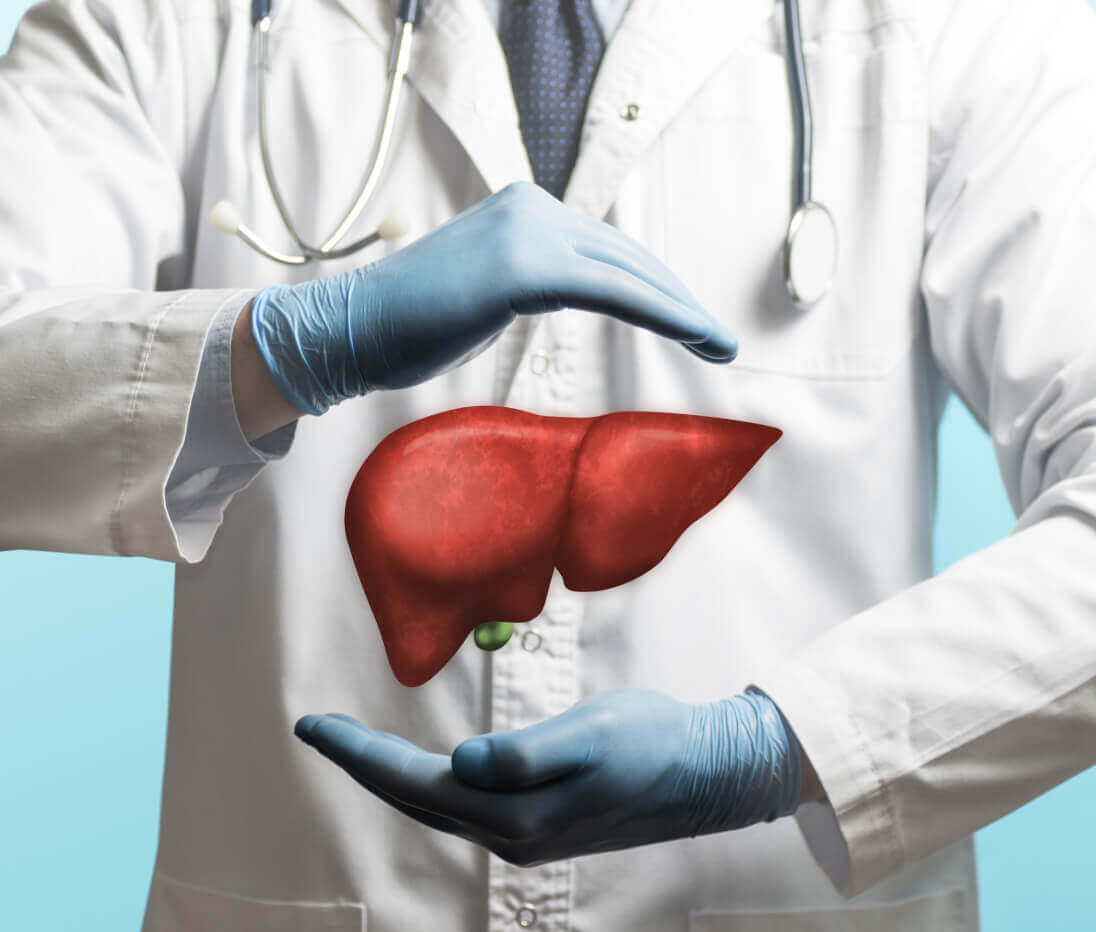
Regular exercise enhances insulin sensitivity, which supports the liver’s fat processing by allowing better glucose and fat metabolism. This reduces fat accumulation and lowers the risk of fatty liver disease.
Cardio workouts, like walking, running, or cycling, help burn calories and promote fat loss from the liver and other body parts. Resistance training builds muscle, which increases metabolism and encourages the body to use fat for energy.
Exercise also helps reduce inflammation in the liver, protecting it from damage caused by excess fat. It supports detoxification processes and improves overall metabolic rate, aiding weight management.
Even moderate activity, done consistently, can help reverse liver fat buildup and improve its ability to burn fat naturally. Combining exercise with a healthy diet is the best approach to support liver health and boost fat-burning capacity.
Common liver conditions that affect weight loss
Several common liver conditions can interfere with weight loss by disrupting how the liver processes fats and toxins. One of the most prevalent is non-alcoholic fatty liver disease (NAFLD), which occurs when excess fat builds up in liver cells, impairing the liver’s ability to burn fat effectively.
Another condition is cirrhosis, where healthy liver tissue is replaced by scar tissue, limiting liver function. This can slow metabolism and cause fluid retention, making weight management difficult.
Hepatitis, particularly chronic forms, causes inflammation of the liver and reduces its efficiency in processing nutrients and fats, impacting energy levels and fat burning.

In addition, insulin resistance linked with liver dysfunction can worsen fat storage and prevent effective weight loss.
Managing these conditions often requires medical guidance, lifestyle changes, and diet adjustments to support liver health and improve metabolic function for better weight outcomes.
Supplements that can aid liver function and fat burning

Certain supplements can support liver function and enhance fat burning by providing essential nutrients and antioxidants that aid the liver’s metabolic processes.
Milk thistle is one of the most popular supplements known for its liver-protecting properties. It helps regenerate liver cells and reduces inflammation, which supports better fat metabolism.
Omega-3 fatty acids, found in fish oil supplements, reduce liver fat accumulation and improve insulin sensitivity. They promote fat breakdown and help lower inflammation in the liver.
Turmeric contains curcumin, a powerful antioxidant that protects liver cells from damage and boosts detoxification. This supplement is known to improve overall liver health and enhance fat burning.
Other helpful supplements include dandelion root, which supports bile production to aid fat digestion, and green tea extract, containing catechins that promote fat oxidation and protect the liver from oxidative stress.
Before starting any supplements, it’s essential to consult with a healthcare provider to ensure they are safe and effective for your specific needs.
The connection between liver detoxification and fat loss
The liver’s detoxification process is closely linked to fat loss because it helps remove toxins that can interfere with fat metabolism. When the liver is overwhelmed with toxins, it can slow down its ability to burn fat effectively.
Detoxification happens in two main phases. In phase one, harmful substances are converted into less toxic forms. Then in phase two, these are combined with other molecules to be safely eliminated from the body. Proper functioning of both phases is essential for efficient fat metabolism.
Toxins from poor diet, environmental exposure, and alcohol can accumulate if the liver is not detoxifying properly. This leads to inflammation and fat buildup in liver cells, making fat loss harder.
Supporting liver detox through hydration, eating antioxidant-rich foods, and avoiding processed toxins can improve its fat-burning ability. By keeping the liver clean, you allow it to focus on converting fat into energy rather than storing it.
Improved detoxification also facilitates better hormone regulation, including insulin, which influences how fat is stored and burned throughout the body.
Understanding fatty liver disease and its effects

Fatty liver disease occurs when excess fat builds up in the liver cells, making it harder for the liver to function properly. This condition can lead to inflammation, liver damage, and impaired fat metabolism.
There are two main types: alcoholic fatty liver disease caused by heavy drinking, and non-alcoholic fatty liver disease (NAFLD), which is often linked to obesity and insulin resistance.
Fatty liver disease can cause symptoms such as fatigue, abdominal discomfort, and sometimes no symptoms at all in early stages. If left unmanaged, it may progress to more serious conditions like liver fibrosis or cirrhosis.
Impact on fat burning is significant because a fatty liver struggles to process fats efficiently, leading to further fat storage and difficulty losing weight.
Managing fatty liver requires lifestyle changes such as improving diet, increasing physical activity, and controlling blood sugar levels. These steps help reduce liver fat and protect the liver from further damage.
Lifestyle changes to improve liver fat metabolism
Improving liver fat metabolism requires making specific lifestyle changes that support liver health and overall metabolism. One of the most effective changes is adopting a balanced diet rich in fruits, vegetables, lean proteins, and whole grains. These foods provide essential nutrients and antioxidants that boost liver function.
Reducing intake of processed foods, sugar, and unhealthy fats helps prevent fat buildup in the liver. Staying hydrated with plenty of water also assists the liver in flushing out toxins and supports metabolic processes.
Regular physical activity enhances blood flow to the liver, boosts insulin sensitivity, and increases fat burning. Even moderate exercise like walking daily can make a significant difference.
Lifestyle changes also include limiting alcohol consumption, as alcohol can impair liver fat metabolism and contribute to liver damage.
Getting adequate sleep and managing stress are important as well, since poor sleep and chronic stress can disrupt hormones involved in fat metabolism and liver function.
By consistently practicing these lifestyle habits, you can improve your liver’s ability to process and burn fat effectively, supporting healthy weight management and overall wellness.
How sleep quality impacts liver fat burning

Quality sleep is essential for proper liver fat burning and overall metabolic health. During deep sleep, the body undergoes repair processes that help the liver function efficiently, including fat metabolism.
Poor sleep or insufficient rest can disrupt hormone balance, including insulin and cortisol, which negatively impacts how the liver processes fats. This imbalance may lead to increased fat storage and slower fat burning.
Sleep deprivation can cause inflammation and oxidative stress in the liver, impairing its ability to detoxify and metabolize fats properly. Over time, this may contribute to weight gain and fatty liver disease.
Maintaining a regular sleep schedule, creating a calming bedtime routine, and avoiding stimulants like caffeine close to bedtime support better liver function and fat metabolism.
Improved sleep quality enhances energy levels and insulin sensitivity, helping the liver to burn fat more effectively and promote a healthy weight.
Stress and its influence on liver-related fat storage
Stress can significantly impact how the liver stores and processes fat. When you are stressed, your body produces more cortisol, a hormone that signals the liver to store fat, especially around the abdomen. This can make it harder to lose weight.
Chronic stress can lead to increased fat accumulation in the liver, as cortisol also promotes insulin resistance, which disrupts normal fat metabolism and causes the liver to hold onto more fat.
Stress impacts digestion and hormone balance, which further affects liver function. An overwhelmed liver struggles to detoxify toxins and effectively burn fat, increasing the risk of fatty liver disease.
Managing stress through relaxation techniques, exercise, and adequate sleep supports healthy liver function and reduces fat storage triggered by stress hormones.
By keeping stress levels in check, you help maintain a balanced hormone environment that allows the liver to perform its fat-burning role efficiently.
Myths about liver and fat burning debunked

There are many myths about the liver and fat burning that can confuse people trying to lose weight. One common myth is that detox diets or cleanses can quickly fix liver function and burn fat. However, the liver is naturally capable of detoxifying itself, and extreme diets may do more harm than good.
Another myth is that only the liver burns fat. While the liver plays a key role in fat metabolism, fat burning occurs throughout the body, including muscles and other organs.
Some believe that drinking large amounts of water or special teas will instantly boost fat burning by the liver. Hydration supports liver health, but no drink alone can dramatically increase fat burning.
Fatty liver disease is often misunderstood as a problem only for overweight people, but it can affect anyone, including those with a healthy weight. Weight loss and lifestyle changes are still the best ways to improve liver health.
Lastly, many think that all fats are bad for the liver. In reality, healthy fats like omega-3s actually benefit liver function and support fat metabolism.
How to monitor your liver health for better weight management
Monitoring your liver health is essential for effective weight management. Regular check-ups with blood tests can measure liver enzyme levels, helping identify any early signs of liver stress or damage.
Imaging tests like ultrasounds can detect fat buildup or abnormalities in the liver structure. These tools provide valuable information about liver health that you can discuss with your healthcare provider.
Keeping track of lifestyle factors such as diet, alcohol intake, exercise, and medication use also plays a key role in maintaining liver health. Noticing any symptoms like fatigue, abdominal discomfort, or jaundice should prompt medical evaluation.
Self-monitoring includes maintaining a healthy weight, managing blood sugar levels, and avoiding substances that can harm the liver. Being proactive allows you to support your liver’s ability to metabolize fat effectively.
Regularly reviewing your liver health markers and working with your doctor can help tailor your weight management plan for better and safer results.
Understanding your liver is key to effective fat burning
Your liver plays a big role in how your body burns fat and manages weight. By learning how it works and what affects its health, you can make smarter choices for your lifestyle.
Simple changes like eating the right foods, exercising regularly, managing stress, and getting good sleep can help your liver do its job better. Monitoring your liver health with your doctor can also keep you on track.
Taking care of your liver is not just about fat burning. It supports your whole body’s health and energy levels. Start making small changes today to boost your liver function and support your weight loss goals.
FAQ – The secret to burning fat starts in your liver
How does the liver affect fat burning?
The liver processes fats by breaking them down and turning them into energy. It plays a key role in controlling fat metabolism and weight management.
What foods support liver fat-burning functions?
Leafy greens, cruciferous vegetables, fatty fish, berries, nuts, and olive oil are some foods that support liver health and improve fat burning.
Can alcohol affect liver fat metabolism?
Yes, alcohol disrupts fat metabolism by prioritizing its own breakdown in the liver, leading to fat buildup and impaired fat burning.
How does exercise influence liver health and fat burning?
Exercise increases blood flow to the liver, improves insulin sensitivity, reduces inflammation, and enhances the liver’s ability to burn fat.
What signs indicate my liver may be slowing down fat burning?
Signs include unexplained weight gain, fatigue, digestive issues, skin changes, brain fog, and dark circles under the eyes.