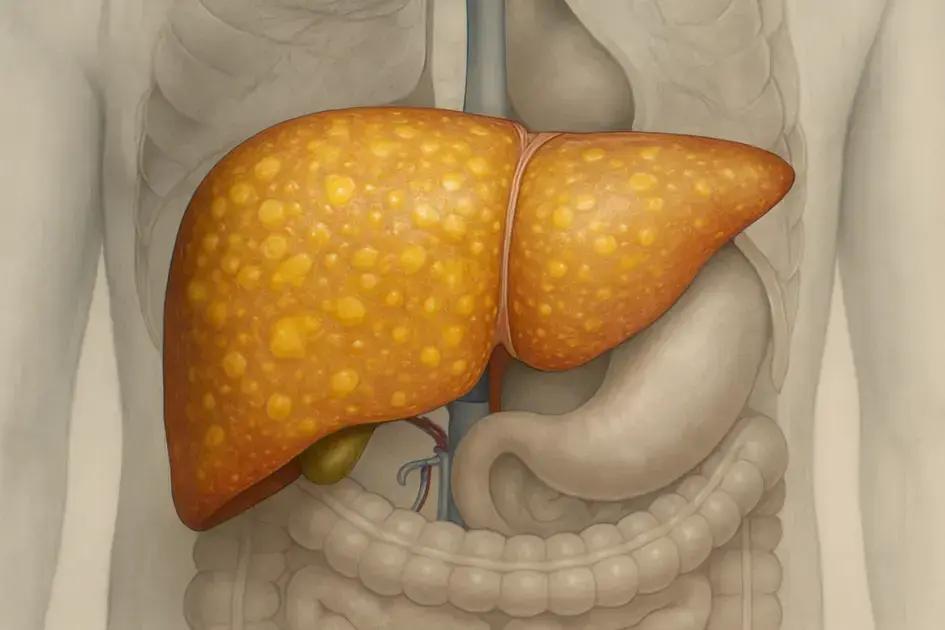
Boosting your energy by healing your liver involves adopting a healthy diet, staying hydrated, managing stress, exercising regularly, avoiding toxins like alcohol, and monitoring symptoms to maintain optimal liver function and detoxification.

Boost Your Energy by Healing Your Liver sounds like a simple fix, but have you ever wondered why your energy dips so often? Healing this vital organ could unlock more vigor for your day-to-day life. Let’s explore how small changes might bring big benefits.
Understanding the liver’s role in energy production
The liver plays a crucial role in maintaining our body’s energy levels. It acts as a processing plant, converting nutrients from food into usable energy. When you eat, your liver breaks down carbohydrates into glucose, which is the primary fuel for your body’s cells.
Besides glucose production, the liver stores some energy in the form of glycogen. This glycogen can be quickly converted back into glucose during times when your body needs an extra energy boost, like between meals or during exercise.
Moreover, the liver helps process fats and proteins, ensuring these nutrients are available for energy as needed. It also detoxifies harmful substances so your cells can function efficiently without interruptions caused by toxins.
Healthy liver function is essential because any impairment can slow down these metabolic processes, leading to feelings of fatigue and low energy. Supporting your liver by eating nutritious foods, staying hydrated, and avoiding toxins can help sustain your body’s energy production at optimal levels.

Common signs of liver imbalance affecting your energy
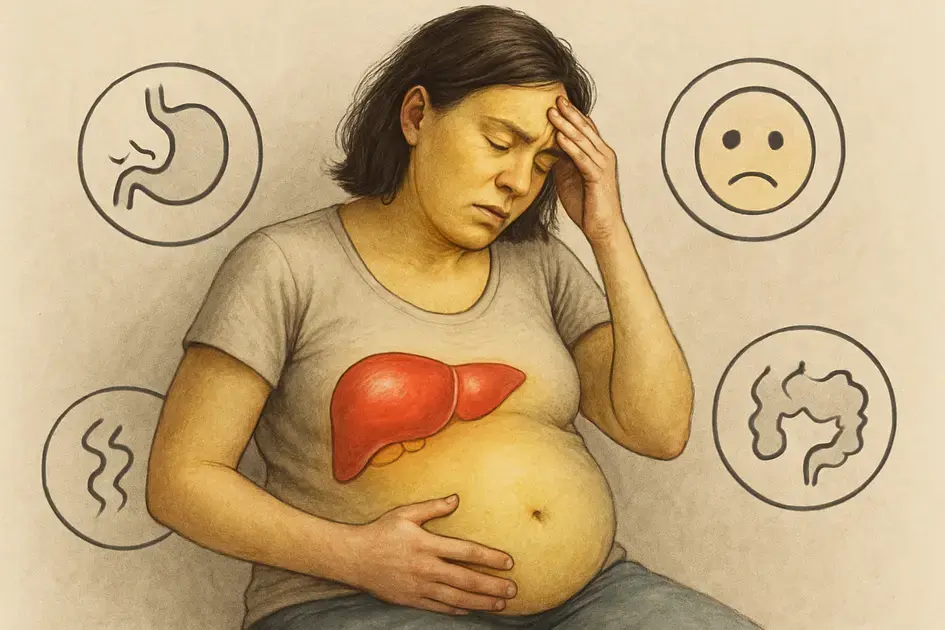
Your liver works hard every day, but sometimes it shows signs that it’s not functioning well, which can affect your energy. Common symptoms of liver imbalance include persistent fatigue, difficulty concentrating, and a general lack of vitality.
Other signs to watch for are digestive problems like bloating or nausea, as the liver helps process nutrients and toxins. You might notice changes in your skin, such as yellowing (jaundice) or dark spots.
Swelling in the abdomen or unexplained weight fluctuations can also be linked to liver distress. Mood changes, such as irritability or depression, can arise due to the liver’s reduced ability to detoxify the body.
If you experience frequent indigestion, pale stools, or dark urine, these could be signals that your liver needs attention. Recognizing these symptoms early can help you take action to support your liver health and restore your energy.
How diet impacts your liver health and energy levels
Your diet has a direct impact on your liver’s health and your overall energy levels. The foods you eat affect how well your liver performs its crucial functions, including detoxification, nutrient processing, and energy production.
Eating a diet rich in whole, unprocessed foods supports liver function. Vegetables, fruits, whole grains, and lean proteins provide essential vitamins and antioxidants that help protect the liver from damage.
High intake of refined sugars, unhealthy fats, and processed foods can overload your liver, leading to fat buildup and inflammation. This condition, known as fatty liver disease, can reduce your energy by impairing liver efficiency.
Hydration also matters, as water helps flush toxins and supports liver metabolism. Including foods high in fiber, such as leafy greens and legumes, helps maintain proper digestion and relieves strain on your liver.
A balanced diet not only keeps your liver healthy but also ensures steady energy release throughout the day, helping you avoid sudden energy crashes tied to poor food choices.
Top foods that support liver detox and boost vitality
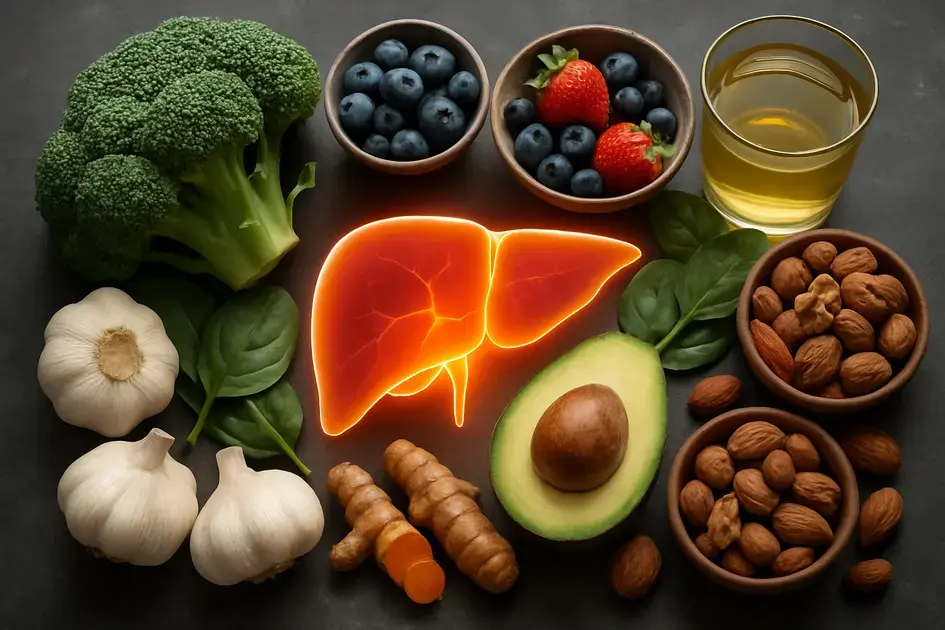
Certain foods are excellent for supporting liver detoxification and boosting your vitality. These foods help your liver remove toxins efficiently and maintain overall health. Including them in your daily diet can enhance your energy and well-being.
Cruciferous vegetables like broccoli, cauliflower, and Brussels sprouts contain compounds that increase liver detox enzymes. They help the liver flush out harmful substances faster.

Foods rich in antioxidants such as berries, especially blueberries and strawberries, protect liver cells from damage caused by free radicals. Green leafy vegetables like spinach and kale provide essential nutrients that support liver function.
Garlic is another powerful food. It activates liver enzymes and has sulfur compounds that aid in detoxification. Turmeric, with its active ingredient curcumin, reduces inflammation and supports liver regeneration.
Healthy fats from sources like avocados and nuts contribute to liver health by reducing fat buildup and inflammation. Lastly, drinking green tea is beneficial as it contains catechins, which improve liver function and increase antioxidant capability.
Lifestyle habits that quietly drain liver function
Certain lifestyle habits can quietly drain your liver function without obvious symptoms. Over time, these habits reduce your liver’s ability to detoxify and produce energy, leaving you feeling tired and unwell.
Excessive alcohol consumption is one of the leading causes of liver damage. Alcohol forces the liver to work harder and can lead to inflammation and fatty liver disease.
Poor diet choices, especially those high in processed foods, sugars, and unhealthy fats, overload the liver with toxins and fat. This can impair its function gradually.
Lack of physical activity slows metabolism and reduces the liver’s efficiency in processing toxins and fats. Sedentary behavior contributes to fat buildup in the liver.
Chronic stress affects your whole body, including the liver. Stress hormones can reduce liver function and slow down detoxification.
Exposure to environmental toxins like chemicals and pollutants adds more workload to the liver and can cause long-term damage if not managed properly.
Smoking is another harmful habit that introduces toxins, increasing the liver’s burden and potentially leading to damage.
The connection between hydration and liver performance

Hydration is vital to maintaining optimal liver function. The liver relies on adequate water intake to efficiently process toxins and metabolize nutrients, which directly affects your energy levels.
When you’re well-hydrated, blood flow to the liver improves, allowing it to filter waste products more effectively. Water also supports the production of bile, a substance the liver creates to digest fats and eliminate toxins.
Dehydration can slow down these processes, causing the liver to become less efficient. This inefficiency may lead to toxin buildup in the body, resulting in fatigue and reduced vitality.
Simple habits like drinking water throughout the day, especially before and after meals, can encourage your liver to perform at its best. Herbal teas and water-rich fruits and vegetables also contribute to hydration while supplying antioxidants.
Keeping hydrated supports your liver’s ability to regenerate cells and maintain your overall energy and wellness.
Simple daily routines to promote liver healing
Incorporating simple daily routines can significantly promote liver healing and improve your energy levels. These habits help reduce the liver’s workload and support its natural detoxification processes.
Start your day with a glass of warm water with lemon. This stimulates bile production and kickstarts digestion, aiding liver health.
Eating smaller, balanced meals throughout the day prevents overloading your liver and maintains steady energy levels.
Regular gentle exercise, such as walking or yoga, increases blood flow and supports liver function. It also helps manage body weight, reducing fat buildup in the liver.
Prioritize sleep, as the liver performs many repair functions during rest. Aim for 7-8 hours of quality sleep each night.
Avoid exposure to toxins by limiting alcohol, processed foods, and chemicals in cleaning products or personal care items.
Adding mindful breathing or stress-reducing activities can lower stress hormones that negatively affect the liver.
How stress influences liver health and ways to manage it
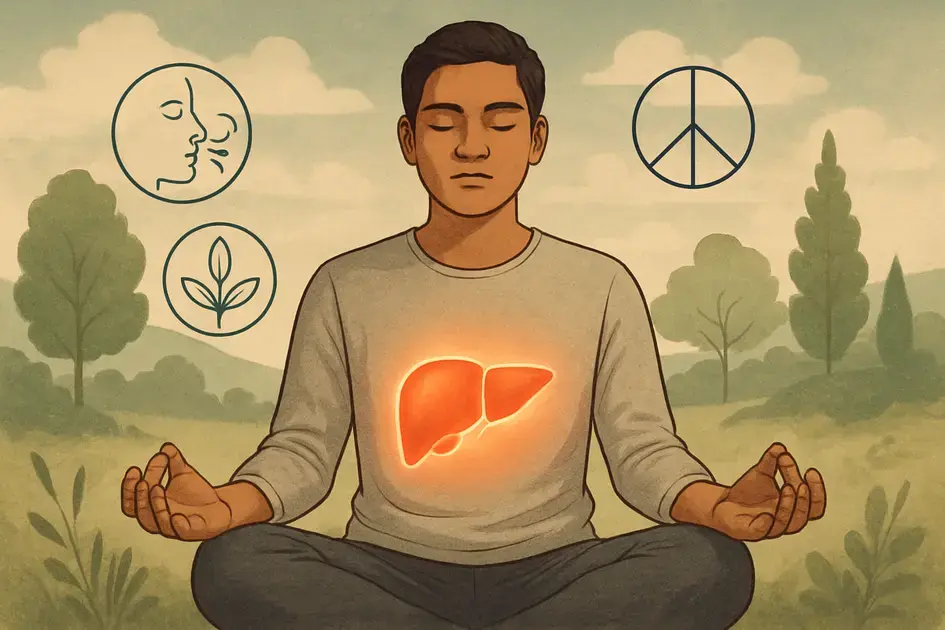
Stress can have a significant impact on liver health. When you’re stressed, your body produces more cortisol and other hormones that can impair liver function and slow down its ability to detoxify.
Chronic stress often leads to unhealthy habits like poor diet, lack of exercise, and disrupted sleep, which further burden the liver.
The liver also metabolizes some stress hormones, and when overwhelmed, it may not cleanse the body effectively, resulting in toxin buildup and fatigue.
Managing stress through techniques like meditation, deep breathing, and regular physical activity can support both your liver and overall health.
Establishing a daily routine that includes relaxation practices helps regulate hormone levels, allowing your liver to perform better.
Seeking social support and practicing mindfulness can reduce mental strain and protect your liver from the damaging effects of stress.
Benefits of herbal supplements for liver regeneration
Herbal supplements can play a valuable role in supporting liver regeneration and boosting its function. Many herbs contain natural compounds that help protect liver cells and encourage repair.
Milk thistle is one of the most studied herbs for liver health. It contains silymarin, an antioxidant that shields liver cells from damage and promotes regeneration.
Turmeric contains curcumin, which has anti-inflammatory properties that support liver detoxification and reduce liver inflammation.
Artichoke leaf extract helps stimulate bile production, aiding the liver in its digestion and detox processes.
Dandelion root acts as a gentle diuretic, supporting the liver by increasing toxin elimination through urine.
While herbal supplements can benefit the liver, it’s important to consult with a healthcare professional before starting any new regimen to ensure safety and proper dosage.
The role of exercise in enhancing liver energy output
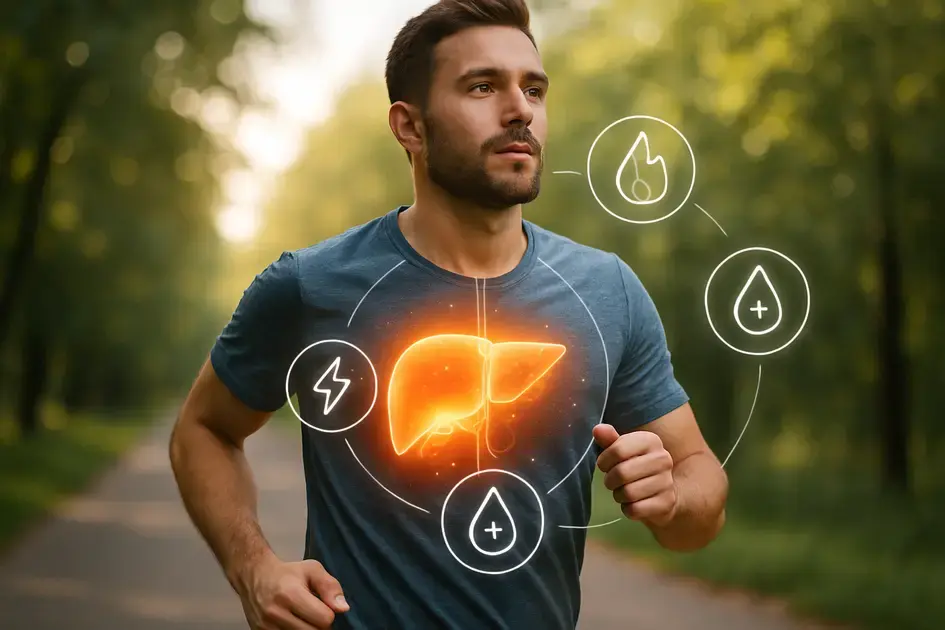
Exercise plays a key role in enhancing liver energy output by improving metabolism and promoting healthy blood flow. When you engage in regular physical activity, your liver processes fats more efficiently and reduces fat buildup.
Physical exercise stimulates the use of stored glycogen, encouraging your liver to maintain energy reserves and support steady blood sugar levels throughout the day.
Aerobic exercises like walking, jogging, or cycling increase oxygen supply to the liver, boosting its ability to detoxify harmful substances.
Strength training also supports liver health by improving muscle mass, which enhances metabolism and reduces the risk of fatty liver disease.
Additionally, exercise helps control body weight, lowering the stress and inflammation on the liver associated with obesity.
Sleep and liver health: why rest matters
Sleep is crucial for liver health because this is when the body performs many repair and detoxification processes. During deep sleep, the liver works to cleanse toxins and regenerate cells.
Poor sleep or sleep deprivation can impair liver function, leading to increased fat buildup and inflammation. This disrupts the liver’s ability to produce energy efficiently.
Quality sleep supports hormone balance, which indirectly benefits the liver by regulating metabolism and reducing stress levels.
A regular sleep schedule helps maintain the body’s internal clock, optimizing liver enzyme activity that peaks during nighttime rest.
Creating a relaxing bedtime routine and ensuring 7-8 hours of uninterrupted sleep each night can promote liver regeneration and improve your overall vitality.
How alcohol consumption affects your liver energy

Alcohol consumption can severely impair your liver’s ability to produce energy. When you drink alcohol, your liver prioritizes breaking down the toxin, which disrupts its normal functions, including energy metabolism.
Excessive alcohol intake can cause fatty liver disease, where fat builds up in liver cells and hinders their effectiveness. This reduces the liver’s ability to convert nutrients into usable energy.
Alcohol metabolism also produces harmful byproducts that cause inflammation and liver cell damage, further impairing energy production.
Over time, chronic alcohol use can lead to liver fibrosis or cirrhosis, where scar tissue replaces healthy tissue, making energy metabolism nearly impossible.
Limiting alcohol consumption allows your liver to recover, supporting better energy levels and overall health.
The impact of toxins and how to minimize liver overload
Toxins from the environment, food, and lifestyle choices can overload your liver and reduce its ability to produce energy effectively. The liver filters out harmful chemicals, but when exposed to too many toxins, it can become stressed and less efficient.
Common sources of toxins include pollution, pesticides, processed foods, artificial additives, and alcohol. These substances force the liver to work harder, which can cause inflammation and damage.
To minimize liver overload, focus on reducing exposure to these toxins. Choose organic foods when possible, avoid processed and packaged items, and limit alcohol consumption.
Regular exercise and proper hydration help your liver flush out toxins faster. Adding antioxidant-rich foods like berries, nuts, and green vegetables supports liver detoxification.
Supporting your liver by getting enough sleep and managing stress also helps it handle toxins more efficiently and maintain your energy levels.
When to seek medical advice for liver and energy issues

It is important to know when to seek medical advice if you experience persistent liver or energy problems. Symptoms such as unexplained fatigue, jaundice (yellowing of the skin or eyes), abdominal pain, or swelling may indicate liver issues that require professional evaluation.
Other warning signs include unusual bruising, dark urine, pale stool, or persistent nausea. These could be signs of liver dysfunction or other related health problems.
If you have a history of heavy alcohol use, obesity, or exposure to liver toxins and you notice changes in your energy levels or overall health, it’s wise to consult a healthcare provider.
Early diagnosis is crucial for managing liver conditions effectively. Medical tests like blood work, imaging, and liver function tests help identify the problem and guide treatment.
Don’t delay seeking advice if symptoms worsen or if you experience confusion, severe abdominal pain, or swelling, as these may signal serious complications.
Tracking your progress: tools to monitor liver and energy improvements
Tracking your liver health and energy improvements can help you stay motivated and adjust your lifestyle for better results. There are various tools and methods available to monitor your progress effectively.
Regular blood tests are essential for checking liver function. Tests like ALT, AST, and bilirubin levels provide clear insights into how well your liver is working.
Keeping a daily journal of your energy levels, diet, and activities can highlight patterns and the impact of different habits on your vitality.
Wearable fitness trackers can monitor your physical activity, sleep quality, and heart rate, giving indirect clues about your overall health and energy.
Mobile apps designed for health monitoring can track nutrition, hydration, and medication adherence, all supporting liver health.
Working with a healthcare professional to review your progress ensures you get accurate feedback and personalized recommendations.
Taking care of your liver for better energy
Your liver plays a vital role in keeping your energy up and your body healthy. By understanding how to support it through good habits, diet, and lifestyle choices, you can boost your vitality naturally.
Remember, simple changes like staying hydrated, exercising, managing stress, and avoiding toxins make a big difference for your liver’s performance.
Tracking your progress and seeking medical advice when needed will help you stay on the right path. Taking small steps every day can lead to lasting improvements in both your liver health and energy levels.
FAQ – Boost Your Energy by Healing Your Liver
What are the common signs of liver imbalance?
Common signs include persistent fatigue, digestive issues, yellowing of the skin or eyes, abdominal swelling, and mood changes.
How does diet affect liver health?
A healthy diet rich in whole foods supports liver detoxification and energy production, while processed foods and excess sugar can harm liver function.
Can exercise improve liver function?
Yes, regular physical activity boosts metabolism, reduces fat buildup in the liver, and improves blood flow, enhancing liver energy output.
Why is hydration important for the liver?
Hydration supports liver metabolism, bile production, and toxin flushing, making liver function more efficient.
How does stress impact liver health?
Stress increases hormones that can impair liver detoxification and promote unhealthy habits, reducing liver function and energy.
When should I see a doctor about liver issues?
Seek medical advice if you experience symptoms like jaundice, severe fatigue, abdominal pain, dark urine, or unexplained bruising.