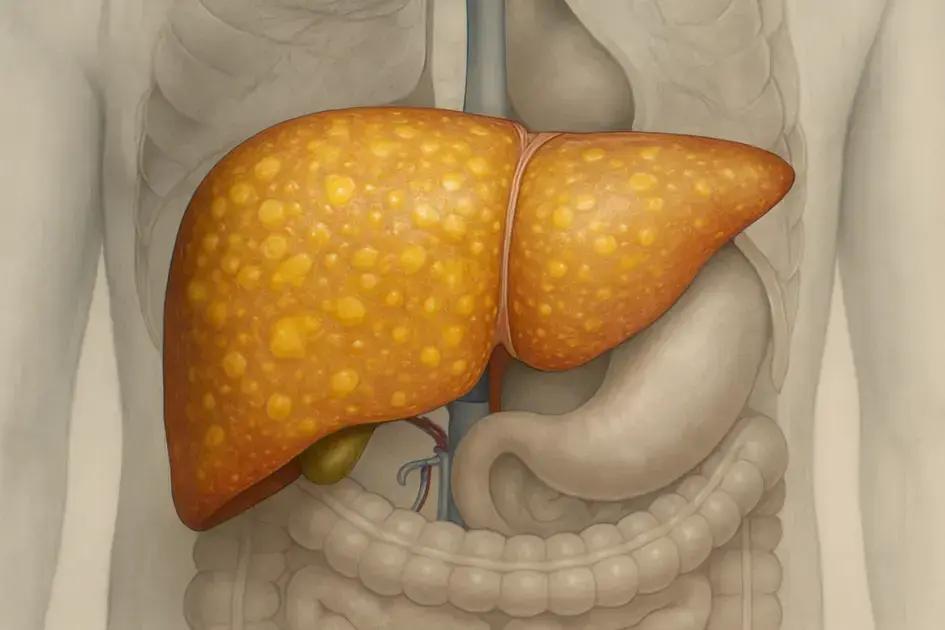
Unlock fat-burning power by prioritizing liver health through a balanced diet, regular exercise, stress management, and quality sleep, as a healthy liver efficiently metabolizes fats, reduces inflammation, and removes toxins, leading to improved metabolic function and overall well-being.

Unlock Fat-Burning Power with Better Liver Health might sound like a bold claim, but have you ever considered how your liver shapes your body’s ability to burn fat? Understanding this connection could change how you approach your health routine, with practical tips to boost your metabolism naturally.
understanding the liver’s role in fat metabolism
The liver plays a central role in how your body processes fats. Think of it as your body’s primary fat-processing plant. It doesn’t just store fat; it actively converts and distributes it for energy or stores it for later use. One of its key functions is producing bile, a substance vital for breaking down fats in the small intestine, making them easier to absorb.
The Liver’s Key Functions in Fat Metabolism
Here’s a quick rundown of the liver’s functions in fat metabolism:
- Bile Production: Bile emulsifies fats, breaking them down into smaller droplets for easier digestion.
- Fatty Acid Metabolism: The liver converts fatty acids into energy, especially during periods of fasting or high energy demand.
- Lipoprotein Synthesis: It produces lipoproteins that transport fats, cholesterol, and other lipids through the bloodstream to different parts of the body.
- Cholesterol Regulation: The liver regulates cholesterol levels by synthesizing new cholesterol and excreting excess cholesterol in bile.
When your liver is healthy, it efficiently performs these functions, ensuring fats are properly processed and used. But when the liver is under stress, these processes can become less efficient, leading to fat accumulation and other health issues.
How Impaired Liver Function Affects Fat Metabolism
If your liver isn’t functioning optimally, it can lead to several problems:

- Fatty Liver Disease: Excess fat accumulates in the liver, impairing its ability to function properly.
- Insulin Resistance: A compromised liver can contribute to insulin resistance, affecting how your body handles sugar and fats.
- Dyslipidemia: Abnormal levels of lipids (fats, cholesterol) in the blood, increasing the risk of heart disease.
signs your liver might not be working optimally

Recognizing the signs of a struggling liver is crucial for taking timely action. The liver often suffers in silence, and many people don’t realize there’s an issue until it becomes severe. Here are some common indicators that your liver might not be functioning optimally:
Common Symptoms of Liver Issues
- Persistent Fatigue: Feeling unusually tired or weak, even after adequate rest, can signal liver problems.
- Jaundice: Yellowing of the skin and eyes, caused by a buildup of bilirubin, a waste product the liver normally processes.
- Abdominal Pain and Swelling: Discomfort or bloating in the upper right abdomen, where the liver is located, can indicate inflammation or enlargement.
- Changes in Urine and Stool Color: Dark urine and pale, clay-colored stools can suggest bile duct issues.
- Swelling in Legs and Ankles: Fluid retention, known as edema, can occur due to impaired liver function.
- Skin Itching: Persistent itching, especially without a rash, can be a sign of bile buildup under the skin.
Less Obvious Signs to Watch For
Sometimes, the signs are more subtle and easily overlooked:
- Brain Fog: Difficulty concentrating or memory problems can be related to toxin buildup due to a poorly functioning liver.
- Digestive Issues: Frequent nausea, bloating, or changes in bowel habits can indicate liver problems.
- Appetite Loss: A sudden decrease in appetite or feeling full quickly can be a symptom.
If you experience several of these symptoms, it’s important to consult a healthcare professional for proper evaluation and diagnosis. Early detection and intervention can significantly improve outcomes and prevent further damage.
how liver health impacts overall energy levels
Your liver’s health is closely linked to your overall energy levels. A healthy liver efficiently processes nutrients and eliminates toxins, providing your body with the fuel it needs. When the liver is compromised, it can lead to fatigue and reduced energy. Here’s why:
The Liver’s Role in Energy Production
- Glucose Storage: The liver stores glucose as glycogen and releases it when your body needs energy, maintaining stable blood sugar levels.
- Nutrient Processing: It metabolizes carbohydrates, fats, and proteins, converting them into usable energy.
- Toxin Removal: The liver filters toxins from the blood, preventing them from interfering with cellular function and energy production.
How a Poorly Functioning Liver Drains Your Energy
When the liver isn’t working correctly, it can cause several issues that impact energy levels:
- Reduced Glucose Regulation: Impaired glucose storage and release can lead to blood sugar imbalances, causing energy crashes.
- Toxin Buildup: A buildup of toxins can overwhelm the body, leading to fatigue and sluggishness.
- Impaired Nutrient Metabolism: Inefficient processing of nutrients means less energy available for your body’s needs.
- Inflammation: Liver inflammation can trigger systemic inflammation, which is associated with fatigue and reduced energy.
Strategies to Boost Energy Through Liver Health
Improving your liver health can have a noticeable impact on your energy levels. Here are some steps you can take:

- Adopt a Liver-Friendly Diet: Focus on whole foods, lean proteins, and plenty of fruits and vegetables.
- Stay Hydrated: Drink plenty of water to support liver function and toxin removal.
- Limit Alcohol and Processed Foods: These can put extra stress on the liver.
- Exercise Regularly: Physical activity improves liver function and boosts energy levels.
diet changes that promote liver fat burning

Making specific dietary changes can significantly enhance your liver’s ability to burn fat. A liver-friendly diet focuses on reducing inflammation, supporting detoxification, and providing essential nutrients. Here are key diet changes to consider:
Foods That Support Liver Fat Burning
- Leafy Green Vegetables: Spinach, kale, and other leafy greens are rich in antioxidants and fiber, aiding in liver detoxification.
- Cruciferous Vegetables: Broccoli, cauliflower, and Brussels sprouts contain compounds that help the liver process toxins more efficiently.
- Garlic and Onions: These contain sulfur compounds that support liver enzyme function.
- Berries: Blueberries, strawberries, and raspberries are packed with antioxidants that protect the liver from damage.
- Healthy Fats: Olive oil, avocados, and nuts provide essential fatty acids that support liver health without adding excessive strain.
- Lean Proteins: Fish, poultry, and legumes provide amino acids necessary for liver repair and function.
Sample Liver-Friendly Meal Plan
Here’s an example of how to incorporate these foods into your daily meals:
- Breakfast: Oatmeal with berries and nuts.
- Lunch: Grilled chicken salad with mixed greens, avocado, and olive oil dressing.
- Dinner: Baked salmon with steamed broccoli and quinoa.
- Snacks: A handful of almonds or a small bowl of berries.
The Importance of Portion Control
While these foods are beneficial, portion control is essential. Overeating, even healthy foods, can still lead to weight gain and liver stress. Aim for balanced meals with appropriate portion sizes to support your liver’s fat-burning capabilities.
foods to avoid for better liver function
To support optimal liver function, it’s essential to know which foods to avoid. Certain foods can put extra stress on the liver, leading to inflammation, fat accumulation, and impaired function. Here are key foods to limit or eliminate from your diet:
Foods That Hinder Liver Function
- Processed Foods: These are often high in unhealthy fats, sugar, and additives, which can contribute to liver inflammation and fat buildup.
- Sugary Drinks: Soda, sweetened juices, and energy drinks are loaded with fructose, which can lead to non-alcoholic fatty liver disease (NAFLD).
- Fried Foods: High in saturated and trans fats, fried foods can cause liver inflammation and oxidative stress.
- Excessive Alcohol: Alcohol is metabolized by the liver, and excessive consumption can cause significant damage, leading to alcoholic fatty liver disease (AFLD) and cirrhosis.
- Refined Carbohydrates: White bread, pasta, and pastries can cause rapid spikes in blood sugar, contributing to insulin resistance and liver fat accumulation.
- Red Meat: High in saturated fat, excessive consumption of red meat can increase liver fat and inflammation.
Why These Foods Are Harmful
These foods can harm the liver in several ways:
- Inflammation: They promote inflammation in the liver, impairing its ability to function properly.
- Fat Accumulation: They contribute to the buildup of fat in the liver, leading to NAFLD and AFLD.
- Oxidative Stress: They increase oxidative stress, damaging liver cells and reducing their efficiency.
- Insulin Resistance: They can lead to insulin resistance, affecting how the liver handles sugar and fat metabolism.
Making Healthier Choices
Replacing these harmful foods with liver-friendly alternatives can make a big difference. Choose whole grains over refined carbs, bake or grill instead of frying, and opt for water or unsweetened beverages over sugary drinks.
how exercise enhances liver efficiency

Regular exercise isn’t just good for your heart and muscles; it’s also beneficial for your liver. Physical activity can enhance liver efficiency by reducing fat buildup, improving insulin sensitivity, and promoting overall metabolic health. Here’s how exercise benefits your liver:
Benefits of Exercise for Liver Health
- Reduces Liver Fat: Exercise helps burn excess calories and fat, preventing the accumulation of fat in the liver.
- Improves Insulin Sensitivity: Regular physical activity enhances insulin sensitivity, which can reduce the risk of non-alcoholic fatty liver disease (NAFLD).
- Reduces Inflammation: Exercise can lower inflammation throughout the body, including the liver.
- Enhances Blood Flow: Increased blood flow during exercise helps deliver nutrients and oxygen to the liver, supporting its function.
- Supports Weight Management: Maintaining a healthy weight through exercise can prevent and manage liver disease.
Types of Exercise to Consider
Both aerobic and strength training exercises can benefit liver health:
- Aerobic Exercise: Activities like brisk walking, running, cycling, and swimming can improve cardiovascular health and burn calories.
- Strength Training: Lifting weights or using resistance bands can build muscle mass, which helps improve insulin sensitivity and boost metabolism.
How Much Exercise Is Enough?
Aim for at least 150 minutes of moderate-intensity aerobic exercise or 75 minutes of vigorous-intensity exercise per week, along with strength training exercises at least two days per week. Consult your healthcare provider before starting any new exercise program.
Making Exercise a Habit
Find activities you enjoy and that fit into your lifestyle. Consistency is key to reaping the benefits of exercise for liver health. Consider setting realistic goals and tracking your progress to stay motivated.
the connection between hydration and liver health
Hydration is essential for overall health, and it plays a crucial role in maintaining a healthy liver. Water helps the liver function efficiently by aiding in detoxification, nutrient processing, and waste removal. Here’s how hydration and liver health are connected:
How Hydration Supports Liver Function
- Detoxification: Water helps flush out toxins and waste products from the liver, reducing the burden on this vital organ.
- Nutrient Processing: Adequate hydration ensures that the liver can efficiently process nutrients, supporting energy production and overall health.
- Bile Production: Water is a key component of bile, which is essential for breaking down fats and absorbing nutrients in the small intestine.
- Blood Flow: Proper hydration maintains healthy blood flow to the liver, ensuring it receives the nutrients and oxygen it needs to function optimally.
Signs of Dehydration That Can Affect the Liver
Dehydration can manifest in several ways that can indirectly affect liver health:
- Fatigue: Dehydration can lead to fatigue, making it harder for the liver to function efficiently.
- Constipation: Lack of water can cause constipation, leading to toxin buildup in the body.
- Impaired Cognitive Function: Dehydration can affect cognitive function, making it harder to make healthy choices.
Tips for Staying Hydrated
Here are some practical tips to ensure you stay adequately hydrated:
- Drink Water Throughout the Day: Aim for at least eight glasses of water daily.
- Eat Hydrating Foods: Include fruits and vegetables with high water content, such as watermelon, cucumber, and spinach.
- Avoid Sugary Drinks: Sugary drinks can contribute to dehydration and liver stress.
- Monitor Urine Color: Pale yellow urine indicates good hydration, while dark yellow urine suggests dehydration.
The Impact of Other Beverages
While water is the best choice for hydration, other beverages can also contribute to your fluid intake. Green tea, herbal teas, and infused water can provide additional benefits with antioxidants and nutrients. However, be mindful of caffeine and added sugars in other beverages.
supplements that support liver detoxification

Certain supplements can support liver detoxification by providing essential nutrients and antioxidants that enhance the liver’s natural cleansing processes. However, it’s important to consult with a healthcare professional before starting any new supplement regimen. Here are some supplements that may benefit liver health:
Key Supplements for Liver Detoxification
- Milk Thistle: Contains silymarin, an antioxidant compound that protects liver cells from damage and supports liver regeneration.
- Turmeric (Curcumin): Known for its anti-inflammatory and antioxidant properties, curcumin can help reduce liver inflammation and support detoxification.
- N-Acetyl Cysteine (NAC): A precursor to glutathione, a powerful antioxidant that helps protect liver cells from damage and supports detoxification.
- Artichoke Extract: May help stimulate bile production, which aids in the digestion and removal of toxins.
- Dandelion Root: Known for its diuretic properties, dandelion root can help flush out toxins and support liver function.
- Choline: An essential nutrient that helps prevent fat accumulation in the liver and supports healthy liver function.
How These Supplements Work
These supplements support liver detoxification through various mechanisms:
- Antioxidant Protection: They provide antioxidants that neutralize free radicals, reducing oxidative stress and damage to liver cells.
- Enhanced Bile Production: Some supplements stimulate bile production, which aids in the digestion and elimination of toxins.
- Support for Liver Regeneration: Certain supplements promote liver cell regeneration, helping to repair damaged liver tissue.
- Reduced Inflammation: They help reduce inflammation in the liver, improving its ability to function properly.
Important Considerations
Before taking any supplements for liver detoxification, consider the following:
- Consult a Healthcare Professional: Discuss your supplement choices with a doctor or registered dietitian to ensure they are safe and appropriate for you.
- Choose High-Quality Products: Select supplements from reputable brands that undergo third-party testing for purity and potency.
- Follow Dosage Recommendations: Adhere to recommended dosages to avoid potential side effects.
- Combine with a Healthy Lifestyle: Supplements work best when combined with a balanced diet, regular exercise, and adequate hydration.
the role of sleep in liver recovery and fat metabolism
Quality sleep is vital for overall health, and it plays a significant role in liver recovery and fat metabolism. During sleep, the liver has the opportunity to repair itself, detoxify, and regulate metabolic processes. Here’s how sleep impacts liver health and fat burning:
How Sleep Benefits Liver Health
- Liver Repair and Regeneration: The liver performs much of its repair work during sleep, allowing it to regenerate and maintain optimal function.
- Detoxification Processes: Sleep allows the liver to efficiently process and eliminate toxins from the body.
- Regulation of Metabolic Hormones: Adequate sleep helps regulate hormones that influence fat metabolism, such as cortisol and insulin.
- Reduced Inflammation: Sleep deprivation can increase inflammation, which can negatively impact liver health.
Consequences of Sleep Deprivation on Liver Health
Lack of sleep can have detrimental effects on the liver:
- Increased Liver Fat: Sleep deprivation can contribute to the accumulation of fat in the liver, increasing the risk of NAFLD.
- Impaired Glucose Metabolism: Insufficient sleep can lead to insulin resistance, affecting how the liver processes glucose.
- Increased Inflammation: Sleep deprivation can trigger inflammatory responses, which can damage liver cells.
- Reduced Detoxification Capacity: A sleep-deprived liver is less efficient at removing toxins from the body.
Tips for Improving Sleep Quality
To support liver recovery and fat metabolism, prioritize quality sleep:
- Establish a Consistent Sleep Schedule: Go to bed and wake up at the same time each day, even on weekends.
- Create a Relaxing Bedtime Routine: Engage in calming activities like reading or taking a warm bath before bed.
- Optimize Your Sleep Environment: Ensure your bedroom is dark, quiet, and cool.
- Limit Screen Time Before Bed: Avoid using electronic devices for at least an hour before sleep.
- Avoid Caffeine and Alcohol: These substances can interfere with sleep quality.
The Circadian Rhythm and Liver Function
The liver’s function is closely tied to the circadian rhythm, the body’s natural sleep-wake cycle. Disruptions to the circadian rhythm can negatively impact liver health. Maintaining a consistent sleep schedule helps support the liver’s natural functions and promotes overall well-being.
stress management techniques to help liver function

Chronic stress can negatively impact liver function by triggering hormonal imbalances and increasing inflammation. Effective stress management techniques can help support liver health and overall well-being. Here’s how stress management benefits the liver:

How Stress Affects Liver Health
- Hormonal Imbalances: Stress can lead to increased cortisol levels, which can impair liver function and contribute to fat accumulation.
- Inflammation: Chronic stress can trigger inflammatory responses throughout the body, including the liver.
- Unhealthy Coping Mechanisms: Stress can lead to unhealthy habits like overeating, alcohol consumption, and lack of exercise, all of which can harm the liver.
- Reduced Detoxification Capacity: Stress can impair the liver’s ability to efficiently remove toxins from the body.
Effective Stress Management Techniques
Here are several stress management techniques that can support liver health:
- Mindfulness Meditation: Practicing mindfulness can help reduce stress hormones and promote relaxation.
- Deep Breathing Exercises: Deep breathing can calm the nervous system and lower cortisol levels.
- Yoga and Tai Chi: These practices combine physical activity with mindfulness, reducing stress and improving overall well-being.
- Spending Time in Nature: Nature exposure has been shown to lower stress hormones and improve mood.
- Engaging in Hobbies: Participating in enjoyable activities can provide a sense of relaxation and reduce stress.
- Social Support: Connecting with friends and family can provide emotional support and reduce feelings of stress.
Incorporating Stress Management into Your Routine
Make stress management a regular part of your daily routine:
- Schedule Time for Relaxation: Set aside time each day for activities that help you relax and unwind.
- Practice Self-Care: Prioritize activities that promote your physical and emotional well-being.
- Seek Professional Help: If you’re struggling to manage stress on your own, consider seeking guidance from a therapist or counselor.
The Mind-Body Connection
Recognizing the connection between your mind and body is crucial for supporting liver health. By effectively managing stress, you can promote hormonal balance, reduce inflammation, and improve the liver’s ability to function optimally.
liver-friendly meal planning tips
Planning meals that support liver health can be simple and enjoyable. By incorporating liver-friendly foods and avoiding harmful ones, you can create a meal plan that nourishes your liver and promotes overall well-being. Here are some practical tips for liver-friendly meal planning:
Key Principles of Liver-Friendly Meal Planning
- Focus on Whole Foods: Emphasize fresh, unprocessed foods like fruits, vegetables, whole grains, and lean proteins.
- Incorporate Antioxidant-Rich Foods: Include foods high in antioxidants, such as berries, leafy greens, and colorful vegetables.
- Choose Healthy Fats: Opt for healthy fats like olive oil, avocados, and nuts instead of saturated and trans fats.
- Limit Sugar and Refined Carbs: Reduce your intake of sugary drinks, processed snacks, and refined carbohydrates.
- Stay Hydrated: Drink plenty of water throughout the day to support liver function.
- Control Portion Sizes: Be mindful of portion sizes to avoid overeating and excess calorie intake.
Sample Liver-Friendly Meal Plan
Here’s a sample meal plan to give you some ideas:
- Breakfast: Oatmeal with berries and a sprinkle of nuts.
- Lunch: Grilled chicken salad with mixed greens, avocado, and a light vinaigrette.
- Dinner: Baked salmon with steamed broccoli and quinoa.
- Snacks: Apple slices with almond butter, a handful of walnuts, or a small bowl of berries.
Tips for Creating Your Own Meal Plan
Follow these steps to create a personalized liver-friendly meal plan:
- Assess Your Current Diet: Identify any areas where you can make improvements, such as reducing sugar intake or increasing vegetable consumption.
- Set Realistic Goals: Start with small, achievable changes and gradually work towards a healthier diet.
- Plan Your Meals in Advance: Take some time each week to plan your meals and create a grocery list.
- Experiment with New Recipes: Try new recipes that feature liver-friendly ingredients.
- Prepare Meals at Home: Cooking at home allows you to control ingredients and portion sizes.
- Stay Consistent: Consistency is key to reaping the benefits of a liver-friendly diet.
The Importance of Variety
Include a wide variety of foods in your meal plan to ensure you’re getting a range of nutrients. Different fruits and vegetables contain different vitamins and minerals, so try to eat a rainbow of colors each day.
how alcohol affects fat burning and liver health

Alcohol consumption can have significant effects on both fat burning and liver health. Understanding these effects is crucial for making informed choices about your alcohol intake and its impact on your overall well-being. Here’s how alcohol affects fat burning and liver health:
Alcohol’s Impact on Fat Burning
- Inhibits Fat Oxidation: When you consume alcohol, your body prioritizes metabolizing the alcohol over burning fat. This can temporarily halt fat oxidation.
- Increased Calorie Intake: Alcoholic beverages often contain empty calories, contributing to weight gain and hindering fat loss.
- Disrupted Hormones: Alcohol can disrupt hormone levels, including those that regulate appetite and metabolism.
Alcohol’s Effects on Liver Health
The liver is responsible for metabolizing alcohol, and excessive consumption can lead to various liver issues:
- Fatty Liver Disease (AFLD): Alcohol can cause fat to accumulate in the liver, leading to alcoholic fatty liver disease.
- Alcoholic Hepatitis: Prolonged alcohol abuse can cause inflammation of the liver, known as alcoholic hepatitis.
- Cirrhosis: Chronic alcohol consumption can lead to scarring of the liver, known as cirrhosis, which can impair liver function.
Moderation and Responsible Consumption
If you choose to consume alcohol, moderation is key:
- Limit Alcohol Intake: Follow recommended guidelines for moderate alcohol consumption, which is up to one drink per day for women and up to two drinks per day for men.
- Choose Wisely: Opt for lower-calorie alcoholic beverages and avoid sugary mixers.
- Stay Hydrated: Drink plenty of water to help your body process alcohol.
- Eat Before Drinking: Eating food before and while drinking can slow the absorption of alcohol.
Alternatives to Alcohol
Consider these alcohol-free alternatives:
- Sparkling Water with Lemon or Lime: A refreshing and hydrating option.
- Herbal Tea: A calming and antioxidant-rich beverage.
- Non-Alcoholic Cocktails: Enjoy creative and flavorful mocktails.
The Bottom Line
Alcohol can negatively impact both fat burning and liver health. Moderation and responsible consumption are crucial, and choosing alcohol-free alternatives can be a healthier option.
impact of toxins and how to minimize exposure
Toxins can significantly impact liver health and overall well-being. Minimizing exposure to toxins is crucial for supporting liver function and promoting detoxification. Here’s how toxins affect the liver and how to minimize your exposure:
How Toxins Affect the Liver
- Increased Liver Burden: The liver is responsible for filtering toxins from the blood. Excessive toxin exposure can overwhelm the liver, impairing its ability to function effectively.
- Inflammation: Toxins can trigger inflammatory responses in the liver, leading to liver damage.
- Oxidative Stress: Exposure to toxins can increase oxidative stress, damaging liver cells and reducing their efficiency.
- Fat Accumulation: Some toxins can contribute to the accumulation of fat in the liver, increasing the risk of non-alcoholic fatty liver disease (NAFLD).
Common Sources of Toxins
Be aware of these common sources of toxins:
- Processed Foods: Often contain additives, preservatives, and artificial ingredients that can burden the liver.
- Environmental Pollutants: Exposure to air and water pollution can introduce toxins into the body.
- Household Chemicals: Cleaning products, pesticides, and personal care items can contain harmful chemicals.
- Medications: Some medications can be toxic to the liver, especially when taken in high doses or for extended periods.
- Alcohol: Excessive alcohol consumption can damage liver cells.
Strategies to Minimize Toxin Exposure
Take these steps to reduce your exposure to toxins:
- Eat Organic Foods: Choose organic fruits, vegetables, and meats to reduce your exposure to pesticides and herbicides.
- Filter Your Water: Use a water filter to remove contaminants from your drinking water.
- Choose Natural Cleaning Products: Opt for natural and non-toxic cleaning products.
- Read Product Labels: Be mindful of the ingredients in personal care items and household products.
- Ventilate Your Home: Ensure good ventilation to reduce indoor air pollution.
- Limit Processed Foods: Focus on whole, unprocessed foods.
- Avoid Smoking: Smoking introduces harmful toxins into the body.
Supporting Liver Detoxification
In addition to minimizing toxin exposure, support your liver’s natural detoxification processes through a healthy diet, regular exercise, and adequate hydration.
testing liver health: what to expect

Testing your liver health is an important step in assessing its function and detecting any potential issues. Various tests can provide valuable insights into your liver’s condition. Here’s what to expect when testing your liver health:
Common Liver Function Tests
- Liver Enzymes: These blood tests measure the levels of liver enzymes, such as ALT (alanine transaminase) and AST (aspartate transaminase). Elevated levels can indicate liver damage or inflammation.
- Bilirubin Test: Measures the level of bilirubin in the blood. High bilirubin levels can indicate liver dysfunction or bile duct obstruction.
- Albumin Test: Measures the level of albumin, a protein produced by the liver. Low albumin levels can indicate liver disease.
- Prothrombin Time (PT): Assesses the liver’s ability to produce clotting factors. Prolonged PT can indicate liver damage.
- Alkaline Phosphatase (ALP): Measures the level of ALP, an enzyme found in the liver and bile ducts. Elevated levels can indicate liver or bile duct issues.
Imaging Tests
Imaging tests can provide detailed images of the liver:
- Ultrasound: Uses sound waves to create images of the liver, detecting abnormalities such as tumors or fatty liver.
- CT Scan: Uses X-rays to create cross-sectional images of the liver, providing detailed information about its structure.
- MRI: Uses magnetic fields and radio waves to create detailed images of the liver, detecting abnormalities and assessing liver health.
Liver Biopsy
A liver biopsy involves taking a small sample of liver tissue for examination under a microscope. This test can help diagnose liver diseases and assess the extent of liver damage.
What to Expect During Testing
Here’s what to expect during liver health testing:
- Blood Tests: A blood sample is drawn from a vein in your arm.
- Imaging Tests: You may need to lie still during the test. For some tests, you may receive an injection of a contrast dye.
- Liver Biopsy: The procedure involves inserting a needle into the liver to collect a tissue sample. You may experience some discomfort during and after the procedure.
Interpreting Results
Your healthcare provider will interpret the results of your liver function tests and imaging studies. If any abnormalities are detected, they will discuss the findings with you and recommend appropriate treatment or lifestyle changes.
lifestyle changes for sustained liver and metabolic health
Sustaining liver and metabolic health requires a commitment to long-term lifestyle changes. These changes involve adopting healthy habits that support liver function, promote fat burning, and improve overall well-being. Here are key lifestyle changes for sustained liver and metabolic health:
Dietary Habits
- Balanced Diet: Focus on a balanced diet rich in fruits, vegetables, lean proteins, and whole grains.
- Limit Processed Foods: Reduce your intake of processed foods, sugary drinks, and unhealthy fats.
- Hydration: Drink plenty of water throughout the day to support liver function and detoxification.
- Portion Control: Practice mindful eating and control portion sizes to maintain a healthy weight.
- Liver-Friendly Foods: Incorporate liver-friendly foods like leafy greens, cruciferous vegetables, and berries into your diet.
Physical Activity
Regular physical activity is crucial for liver and metabolic health:
- Aerobic Exercise: Engage in at least 150 minutes of moderate-intensity aerobic exercise per week.
- Strength Training: Incorporate strength training exercises at least two days per week.
- Consistency: Make exercise a regular part of your routine.
Stress Management
Managing stress is essential for liver health:
- Mindfulness Practices: Practice mindfulness meditation, deep breathing exercises, or yoga to reduce stress.
- Hobbies and Relaxation: Engage in enjoyable activities and hobbies to promote relaxation.
- Social Support: Connect with friends and family for emotional support.
Sleep Hygiene
Prioritize quality sleep for liver recovery and metabolic function:
- Consistent Sleep Schedule: Go to bed and wake up at the same time each day.
- Optimize Sleep Environment: Ensure your bedroom is dark, quiet, and cool.
- Limit Screen Time: Avoid using electronic devices before bed.
Avoiding Toxins
Minimize exposure to toxins to support liver health:
- Eat Organic Foods: Choose organic foods to reduce pesticide exposure.
- Use Natural Cleaning Products: Opt for natural and non-toxic cleaning products.
- Filter Your Water: Use a water filter to remove contaminants from your drinking water.
Regular Check-Ups
Schedule regular check-ups with your healthcare provider to monitor your liver health and detect any potential issues early.
Conteúdo não disponível
Frequently Asked Questions About Liver Health and Fat Metabolism
Why is liver health important for fat burning?
The liver plays a key role in metabolizing fats. A healthy liver efficiently processes fats for energy, while a compromised liver can lead to fat accumulation and metabolic issues.
What are some signs that my liver might not be working optimally?
Common signs include persistent fatigue, jaundice, abdominal pain, changes in urine and stool color, and swelling in the legs and ankles.
How can diet changes promote liver fat burning?
Focus on leafy greens, cruciferous vegetables, garlic, berries, healthy fats, and lean proteins while limiting processed foods, sugary drinks, and excessive alcohol.
What foods should I avoid for better liver function?
Avoid processed foods, sugary drinks, fried foods, excessive alcohol, refined carbohydrates, and excessive red meat to reduce stress on the liver.
How does exercise enhance liver efficiency?
Exercise reduces liver fat, improves insulin sensitivity, reduces inflammation, enhances blood flow, and supports weight management, all of which benefit liver health.
What is the connection between hydration and liver health?
Adequate hydration helps flush out toxins, supports nutrient processing, aids in bile production, and maintains healthy blood flow to the liver.