To feel lighter, younger, and more energized, focus on your liver health by adopting lifestyle changes, eating detoxifying foods, staying hydrated, and considering natural supplements. These practices support liver function, improving energy levels, digestion, and skin health, ultimately contributing to overall well-being.

Feel lighter, younger, and more energized — starting with your liver might sound like a bold claim, but have you ever wondered how much this vital organ impacts your daily energy and wellness? Let’s explore practical ways to tune up your liver and feel the difference.
Understanding the liver’s role in overall health
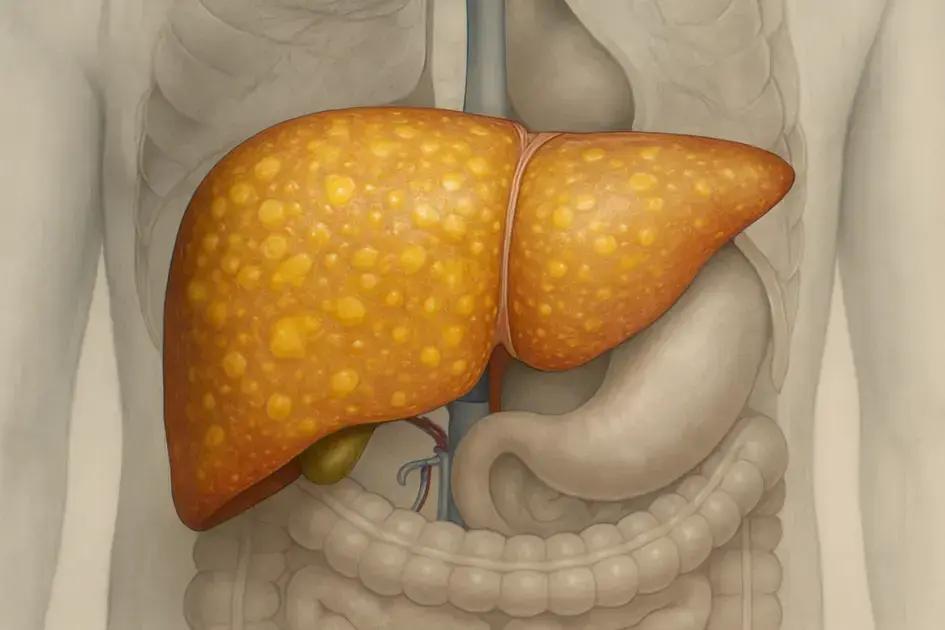
The liver is a powerhouse organ, responsible for over 500 vital functions that keep us alive and well. It acts like a central processing unit, handling everything from detoxifying blood to producing essential proteins. Think of it as your body’s ultimate multi-tasker.
Key Functions of the Liver
- Detoxification: Filters out toxins and harmful substances from the blood.
- Metabolism: Processes fats, carbohydrates, and proteins, turning them into energy and building blocks.
- Production: Creates essential proteins for blood clotting and other critical functions.
- Storage: Stores vitamins, minerals, and glycogen (a form of energy) for later use.
- Bile Production: Produces bile, which helps digest fats and absorb essential nutrients.
Without a healthy liver, these processes can become compromised, leading to a cascade of health issues. Understanding how the liver functions is the first step in appreciating its importance and taking steps to support it.
Subtopics to Consider
- The liver as a blood filter and detox center.
- Its role in metabolizing medications and alcohol.
- How liver health impacts nutrient absorption.
Signs your liver needs support

Recognizing when your liver needs support is crucial for maintaining overall health. Often, the signs are subtle and easily overlooked. Pay attention to these indicators to determine if your liver requires some extra care.
Common Signs of Liver Distress
- Fatigue: Persistent tiredness, even after adequate rest, can be a sign your liver is struggling to process toxins.
- Digestive Issues: Frequent bloating, gas, constipation, or nausea may indicate impaired bile production.
- Skin Problems: Conditions like jaundice (yellowing of the skin or eyes), eczema, or unexplained itching can be linked to liver issues.
- Abdominal Pain: Discomfort or pain in the upper right abdomen, where the liver is located, is a potential warning sign.
- Changes in Urine or Stool: Dark urine or pale stools can suggest problems with bile excretion.
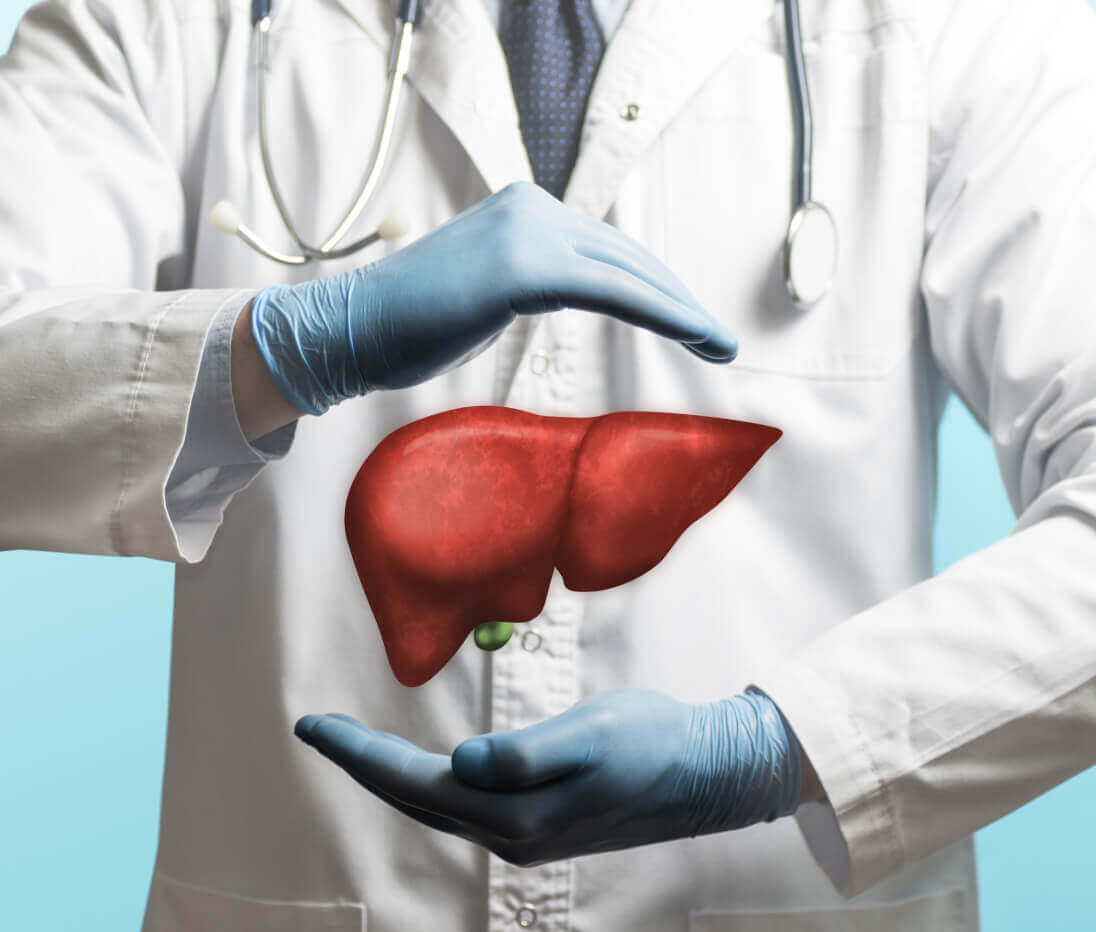
If you experience several of these symptoms regularly, it’s wise to consult a healthcare professional. Early detection and support can prevent more serious liver problems.
Subtopics to Consider
- The link between unexplained fatigue and liver health.
- How skin conditions may reflect liver function.
- Changes in appetite and their connection to the liver.
How liver health affects energy levels
The liver plays a pivotal role in energy production and regulation within the body. When the liver is healthy and functioning efficiently, it helps maintain stable energy levels throughout the day. However, when it’s overworked or compromised, it can lead to significant energy dips and chronic fatigue.
The Liver’s Role in Energy Metabolism
- Glucose Regulation: The liver stores glucose as glycogen and releases it when needed, maintaining stable blood sugar levels.
- Fat Metabolism: It processes fats and converts them into energy or stores them for later use.
- Nutrient Absorption: The liver aids in the absorption of essential nutrients, which are crucial for energy production.
- Toxin Removal: By filtering out toxins, the liver prevents them from interfering with energy production processes.
A sluggish liver can struggle to perform these functions effectively, resulting in fluctuating blood sugar levels, inefficient fat metabolism, and a buildup of toxins that drain your energy. Supporting your liver through proper diet and lifestyle can significantly improve your energy levels.
Subtopics to Consider
- The link between blood sugar regulation and consistent energy.
- How poor liver function leads to fatigue and sluggishness.
- The role of the liver in converting nutrients into usable energy.
Nutrition tips to support your liver

What you eat directly impacts the health of your liver. Making informed dietary choices can significantly support its function and overall well-being. Here are some essential nutrition tips to help your liver thrive.
Key Nutrients for Liver Health
- Antioxidants: Foods rich in antioxidants, like berries and leafy greens, help protect liver cells from damage.
- Fiber: High-fiber foods, such as whole grains and vegetables, aid in digestion and toxin elimination.
- Healthy Fats: Incorporate sources of healthy fats like avocados and olive oil to support liver function.
- Lean Protein: Adequate protein intake is essential for liver repair and regeneration.
- Hydration: Drinking plenty of water helps the liver flush out toxins effectively.
Avoiding processed foods, excessive sugar, and unhealthy fats is equally important for liver health. A balanced diet rich in whole, unprocessed foods will provide the nutrients your liver needs to function optimally.
Subtopics to Consider
- The benefits of a diet rich in antioxidants for liver protection.
- How fiber aids in toxin elimination.
- The importance of healthy fats for liver function.
Foods that detoxify your liver naturally
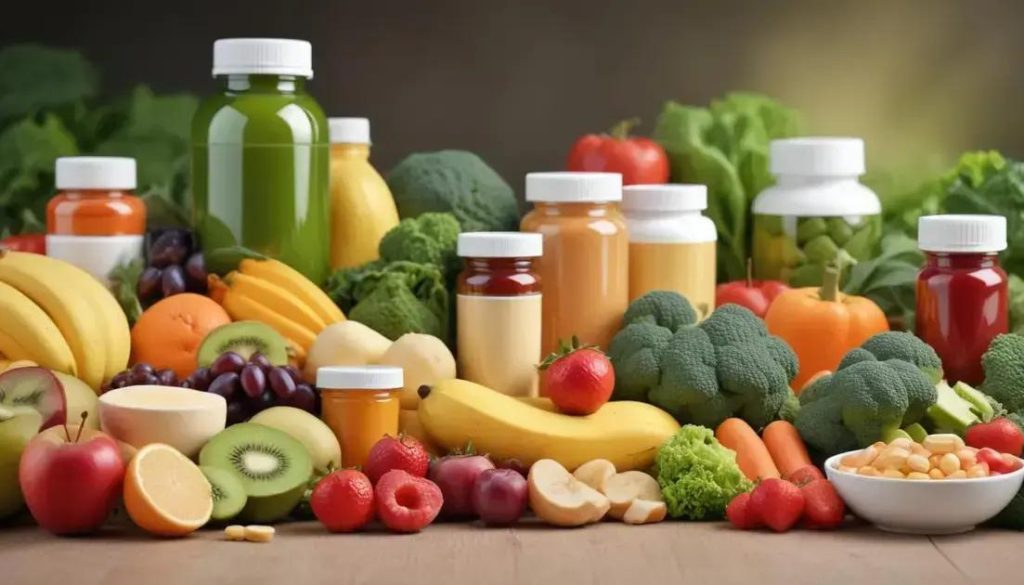
Certain foods possess natural detoxifying properties that can aid the liver in its crucial function of cleansing the body. Incorporating these foods into your diet can support liver health and promote overall well-being. Let’s explore some of the best foods for liver detoxification.
Top Detoxifying Foods for the Liver
- Garlic: Contains sulfur compounds that activate liver enzymes responsible for toxin elimination.
- Grapefruit: Rich in antioxidants and enzymes that boost liver detoxification processes.
- Beets: Support liver function by increasing bile flow and removing toxins.
- Cruciferous Vegetables: Broccoli, cauliflower, and Brussels sprouts contain compounds that enhance liver detoxification.
- Green Tea: High in antioxidants that protect the liver from damage and promote detoxification.
These foods work synergistically to support the liver in filtering out harmful substances and promoting optimal function. Making them a regular part of your diet is a simple yet effective way to care for your liver.
Subtopics to Consider
- How garlic boosts liver enzymes for detoxification.
- The antioxidant benefits of grapefruit for liver health.
- The role of beets in increasing bile flow and toxin removal.
Daily habits harming your liver unknowingly

Many daily habits can unknowingly harm your liver, leading to long-term health issues. Recognizing these habits is the first step in protecting your liver and maintaining overall wellness. Here are some common culprits to be aware of.
Everyday Habits That Can Damage Your Liver
- Excessive Alcohol Consumption: Over time, alcohol can cause inflammation and scarring of the liver.
- High Sugar Intake: Excessive sugar, especially from sugary drinks and processed foods, can lead to fatty liver disease.
- Overuse of Medications: Certain medications, including over-the-counter pain relievers, can strain the liver.
- Lack of Exercise: Physical inactivity can contribute to fatty liver disease and impair liver function.
- Exposure to Toxins: Environmental toxins, such as pesticides and pollutants, can burden the liver’s detoxification processes.
By making conscious choices and modifying these habits, you can significantly reduce the strain on your liver and support its optimal function. Small changes can lead to big improvements in your long-term liver health.
Subtopics to Consider
- The specific impact of alcohol on liver cells.
- How sugar contributes to fatty liver disease.
- The potential harm from overuse of common medications.
The connection between liver and youthful skin
The health of your liver is intimately connected to the appearance and vitality of your skin. A well-functioning liver helps maintain clear, youthful skin by efficiently eliminating toxins and regulating hormone balance. Conversely, a struggling liver can manifest in various skin issues. Understanding this connection is key to achieving radiant and healthy skin.
How the Liver Impacts Skin Health
- Toxin Elimination: The liver filters toxins from the blood. When it’s overburdened, these toxins can accumulate and cause skin problems like acne, eczema, and rashes.
- Hormone Balance: The liver helps regulate hormone levels. Imbalances can lead to skin issues like acne and premature aging.
- Nutrient Absorption: A healthy liver ensures proper absorption of essential nutrients, which are vital for skin health and repair.
- Inflammation Control: The liver helps manage inflammation throughout the body. Chronic inflammation can accelerate skin aging and contribute to skin conditions.
By supporting your liver through proper diet and lifestyle, you can promote clear, youthful skin and address underlying skin issues. A healthy liver translates to a healthier, more radiant complexion.

Subtopics to Consider
- The role of toxin buildup in causing skin problems.
- How liver health affects hormone balance and skin aging.
- The impact of nutrient absorption on skin health and vitality.
Benefits of regular liver detox practices
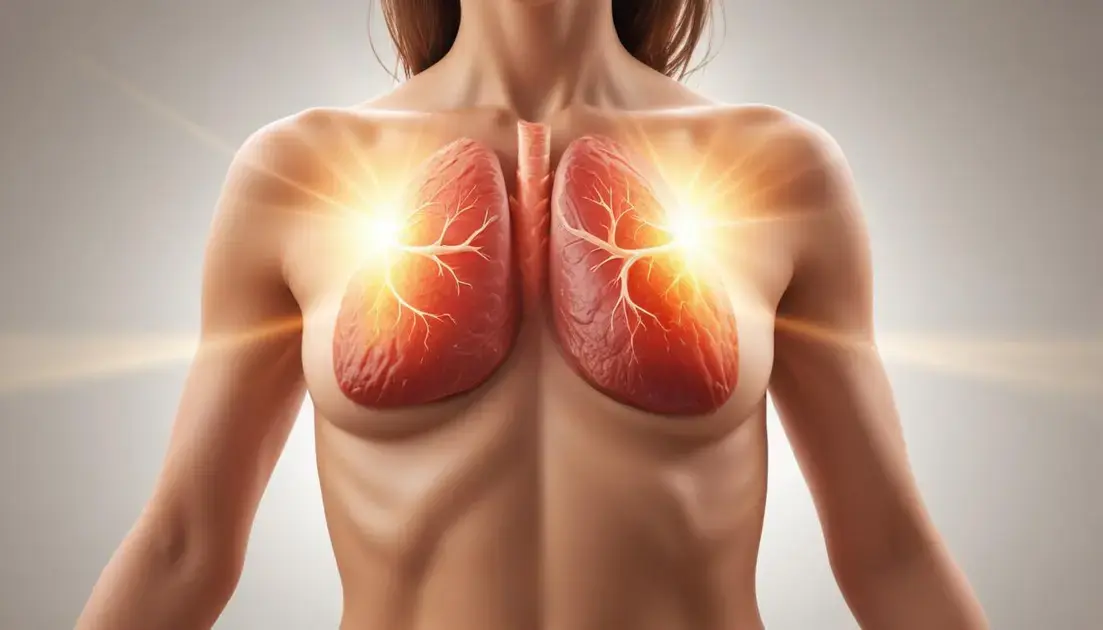
Incorporating regular liver detox practices into your routine can yield significant benefits for your overall health and well-being. These practices help support the liver’s natural detoxification processes, leading to improved energy levels, better digestion, and enhanced skin health. Let’s explore some of the key benefits of regular liver detox.
Key Advantages of Regular Liver Detox
- Improved Energy Levels: By removing toxins, the liver can function more efficiently, leading to increased energy and reduced fatigue.
- Enhanced Digestion: A healthy liver produces bile, which aids in digestion. Regular detox supports bile production and nutrient absorption.
- Clearer Skin: Removing toxins from the body can lead to clearer, more radiant skin by reducing skin issues like acne and eczema.
- Weight Management: The liver plays a role in fat metabolism. Detoxifying the liver can support healthy weight management.
- Improved Overall Health: By supporting the liver’s vital functions, detox practices contribute to better overall health and well-being.
Regular liver detox practices can be a powerful tool in maintaining a healthy liver and promoting optimal health. Simple lifestyle changes and dietary adjustments can make a significant difference.
Subtopics to Consider
- How liver detox can lead to sustained energy levels.
- The impact of detoxification on digestive health and nutrient absorption.
- The connection between liver detox and clearer, healthier skin.
Herbs and supplements for liver health
Certain herbs and supplements can provide valuable support for liver health, complementing a healthy diet and lifestyle. These natural remedies contain compounds that help protect liver cells, promote detoxification, and support overall liver function. Let’s explore some of the most effective herbs and supplements for liver health.
Top Herbs and Supplements for Liver Support
- Milk Thistle: Contains silymarin, an antioxidant compound that protects liver cells from damage and promotes liver regeneration.
- Turmeric: Curcumin, the active ingredient in turmeric, has anti-inflammatory and antioxidant properties that support liver health.
- Artichoke Extract: Stimulates bile production, which aids in digestion and toxin elimination.
- Dandelion Root: Acts as a gentle liver tonic, supporting detoxification and promoting overall liver function.
- NAC (N-acetylcysteine): A precursor to glutathione, a powerful antioxidant that protects liver cells from damage and supports detoxification.
While these herbs and supplements can be beneficial, it’s essential to consult with a healthcare professional before starting any new regimen, especially if you have existing health conditions or are taking medications. They should be used as part of a comprehensive approach to liver health, not as a replacement for a healthy diet and lifestyle.
Subtopics to Consider
- The benefits of milk thistle for liver protection and regeneration.
- How turmeric’s anti-inflammatory properties support liver health.
- The role of artichoke extract in stimulating bile production.
Recognizing toxins that burden your liver
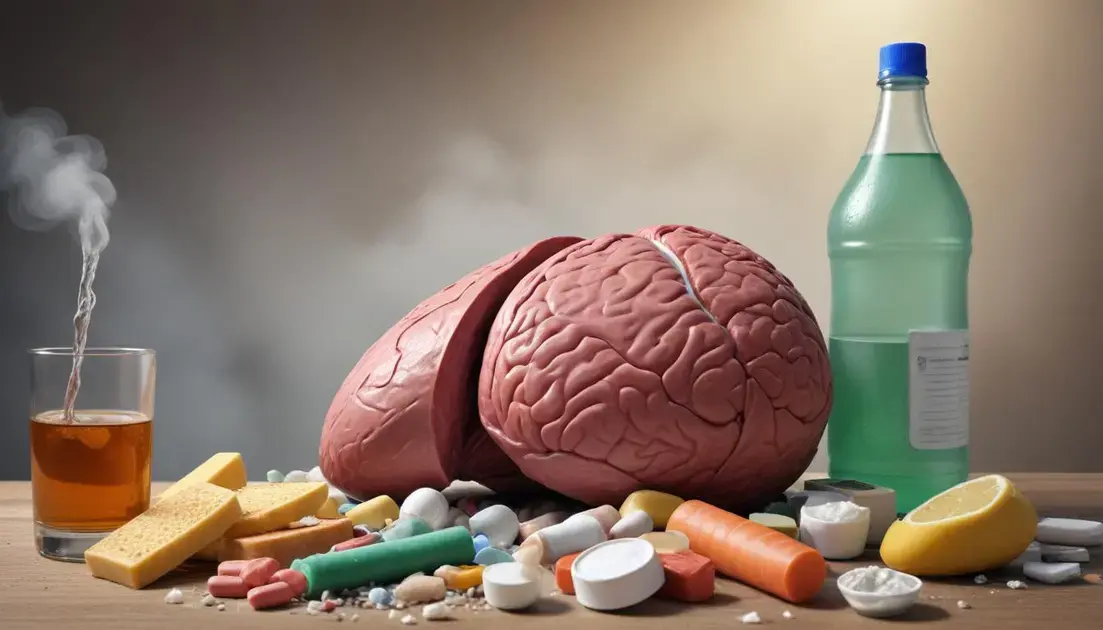
Your liver works tirelessly to filter toxins from your blood, but it can become overburdened by various substances we encounter daily. Recognizing these toxins is crucial for minimizing their impact and supporting your liver’s detoxification processes. Let’s explore some of the most common toxins that can burden your liver.

Common Toxins That Can Overload the Liver
- Alcohol: A well-known liver toxin, excessive alcohol consumption can lead to inflammation and scarring of the liver.
- Processed Foods: High in unhealthy fats, sugar, and additives, processed foods can contribute to fatty liver disease and impair liver function.
- Medications: Certain medications, including over-the-counter pain relievers and prescription drugs, can strain the liver.
- Environmental Pollutants: Exposure to pollutants like pesticides, heavy metals, and industrial chemicals can burden the liver’s detoxification processes.
- Household Chemicals: Cleaning products, personal care items, and other household chemicals can contain toxins that the liver must process.
By being mindful of your exposure to these toxins and making conscious choices to minimize them, you can significantly reduce the burden on your liver and support its optimal function. Simple changes can make a big difference in your long-term liver health.
Subtopics to Consider
- The specific impact of alcohol on liver health and function.
- How processed foods contribute to fatty liver disease.
- The potential harm from exposure to environmental pollutants.
How to improve digestion through liver care
The liver plays a crucial role in digestion, producing bile that helps break down fats and absorb essential nutrients. When the liver is healthy and functioning efficiently, it supports optimal digestion. Conversely, a struggling liver can lead to digestive issues. Let’s explore how improving liver care can enhance your digestive health.
The Liver’s Role in Digestion
- Bile Production: The liver produces bile, which emulsifies fats, making them easier to digest and absorb.
- Nutrient Absorption: A healthy liver ensures proper absorption of fat-soluble vitamins (A, D, E, K) and other essential nutrients.
- Detoxification: The liver filters toxins from the blood, preventing them from interfering with digestive processes.
- Metabolism: The liver metabolizes fats, carbohydrates, and proteins, turning them into energy and building blocks for the body.
By supporting your liver through proper diet, lifestyle choices, and targeted interventions, you can improve bile production, enhance nutrient absorption, and promote smoother digestion. A healthy liver translates to a healthier, more efficient digestive system.
Subtopics to Consider
- How bile production impacts fat digestion and absorption.
- The link between liver health and nutrient absorption.
- How toxin buildup can disrupt digestive processes.
The impact of hydration on liver function

Staying adequately hydrated is essential for overall health, and it plays a particularly vital role in supporting liver function. Water helps the liver process and eliminate toxins, ensuring it can perform its detoxification duties efficiently. Let’s explore how hydration impacts liver function and how to stay properly hydrated.
How Hydration Supports Liver Health
- Toxin Elimination: Water helps flush toxins from the body, reducing the burden on the liver.
- Bile Production: Adequate hydration supports bile production, which aids in digestion and nutrient absorption.
- Cellular Function: Water is essential for all cellular processes, including those within the liver.
- Blood Circulation: Proper hydration ensures healthy blood circulation, allowing the liver to receive the nutrients and oxygen it needs to function optimally.
Dehydration can impair liver function and lead to toxin buildup, so it’s crucial to drink enough water throughout the day. Aim for at least 8 glasses of water daily, and increase your intake during exercise or in hot weather. Proper hydration is a simple yet powerful way to support your liver’s health and overall well-being.

Subtopics to Consider
- The role of water in flushing toxins from the liver.
- How hydration affects bile production and digestion.
- The importance of water for overall cellular function within the liver.
Lifestyle changes for a healthier liver
Adopting certain lifestyle changes can significantly improve your liver health and overall well-being. These changes focus on reducing the burden on your liver, supporting its natural detoxification processes, and promoting optimal function. Let’s explore some key lifestyle adjustments you can make for a healthier liver.
Effective Lifestyle Changes for Liver Health
- Limit Alcohol Consumption: Reducing or eliminating alcohol intake is crucial for preventing liver damage and promoting healing.
- Maintain a Healthy Weight: Obesity and excess abdominal fat can contribute to fatty liver disease. Aim for a healthy weight through diet and exercise.
- Eat a Balanced Diet: Focus on whole, unprocessed foods, including fruits, vegetables, lean protein, and healthy fats.
- Exercise Regularly: Physical activity helps improve liver function and reduce the risk of fatty liver disease.
- Avoid Toxins: Minimize exposure to environmental pollutants, household chemicals, and other toxins that can burden the liver.
These lifestyle changes, when implemented consistently, can have a profound impact on your liver health. Small adjustments can lead to significant improvements in your long-term well-being. Prioritizing your liver’s health is an investment in your overall quality of life.
Subtopics to Consider
- The specific benefits of reducing or eliminating alcohol intake.
- How maintaining a healthy weight impacts liver health.
- The role of a balanced diet in supporting liver function.
Simple liver-friendly recipes to try

Incorporating liver-friendly recipes into your diet is a delicious and effective way to support your liver’s health. These recipes focus on using whole, unprocessed ingredients known for their detoxifying and liver-supportive properties. Let’s explore some simple and tasty recipes you can try.
Liver-Friendly Recipe Ideas
- Beet and Carrot Salad: A vibrant salad rich in antioxidants and fiber, promoting liver detoxification and digestive health.
- Turmeric and Ginger Tea: A warm and soothing beverage with anti-inflammatory properties, supporting liver function and overall well-being.
- Broccoli and Garlic Stir-Fry: A nutrient-packed dish with cruciferous vegetables and garlic, enhancing liver detoxification enzymes.
- Lemon Water with Mint: A refreshing drink that aids in hydration and supports liver detoxification processes.
- Avocado and Spinach Smoothie: A creamy and nutritious smoothie with healthy fats and antioxidants, promoting liver health and overall vitality.
These recipes are not only delicious but also easy to prepare and incorporate into your daily routine. By making these liver-friendly choices, you can nourish your body and support your liver’s vital functions.
Subtopics to Consider
- The specific benefits of beets and carrots for liver detoxification.
- How turmeric and ginger support liver function and reduce inflammation.
- The role of broccoli and garlic in enhancing liver enzymes.
When to seek medical advice for liver issues
While many liver issues can be managed with lifestyle changes and natural remedies, it’s essential to recognize when medical advice is necessary. Prompt medical attention can prevent more serious complications and ensure timely treatment. Let’s explore the situations when you should seek medical advice for liver issues.
Situations Requiring Medical Attention
- Jaundice: Yellowing of the skin and eyes can indicate a serious liver problem requiring immediate medical evaluation.
- Persistent Abdominal Pain: Severe or persistent pain in the upper right abdomen may indicate liver inflammation or other serious conditions.
- Unexplained Weight Loss: Significant weight loss without a known cause can be a sign of liver disease.
- Changes in Urine or Stool: Dark urine or pale stools can suggest problems with bile excretion and liver function.
- Chronic Fatigue: Persistent and unexplained fatigue, despite adequate rest, may indicate liver dysfunction.
If you experience any of these symptoms, it’s crucial to consult with a healthcare professional for proper diagnosis and treatment. Early detection and intervention can significantly improve outcomes and prevent long-term liver damage. Always prioritize your health and seek medical advice when needed.
Subtopics to Consider
- The significance of jaundice as an indicator of liver problems.
- When abdominal pain requires immediate medical attention.
- The link between unexplained weight loss and potential liver disease.
Conteúdo não disponível
Frequently Asked Questions About Liver Health
Why is liver health so important?
The liver performs over 500 vital functions, including detoxification, metabolism, and nutrient storage. Its health directly impacts your energy levels and overall well-being.
What are some common signs of liver distress?
Common signs include fatigue, digestive issues, skin problems, abdominal pain, and changes in urine or stool color.
Which foods are best for detoxifying the liver?
Foods like garlic, grapefruit, beets, cruciferous vegetables, and green tea have natural detoxifying properties.
What daily habits can harm my liver?
Excessive alcohol consumption, high sugar intake, overuse of medications, lack of exercise, and exposure to toxins can harm your liver.
How does liver health affect my skin?
A healthy liver helps eliminate toxins and regulate hormones, promoting clear and youthful skin. Poor liver function can lead to skin problems like acne and eczema.