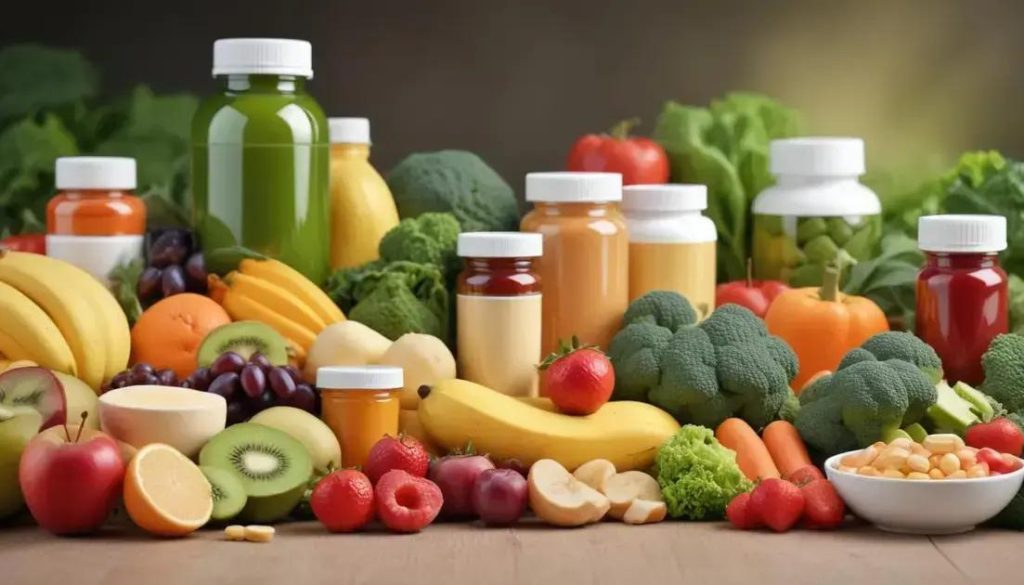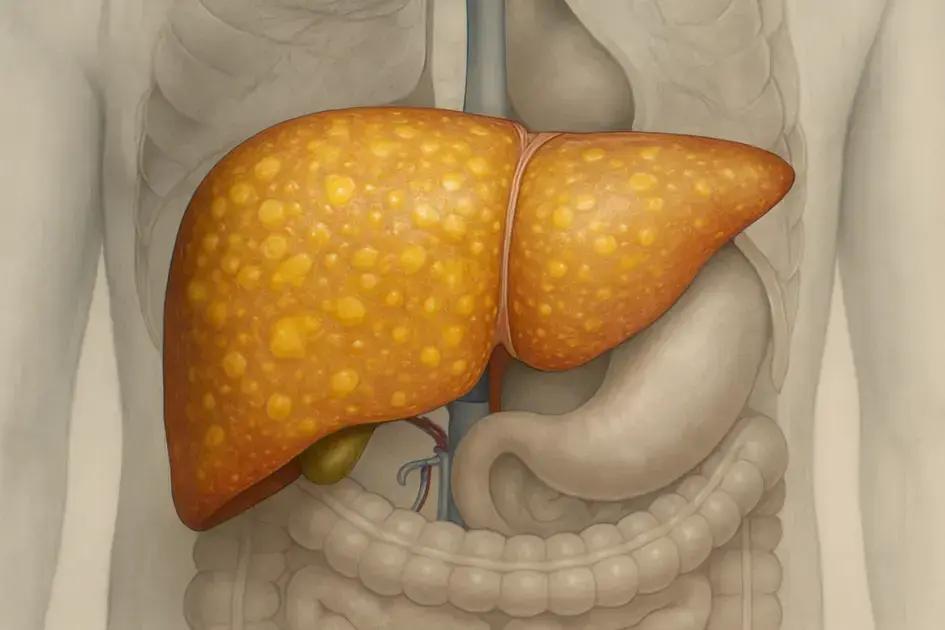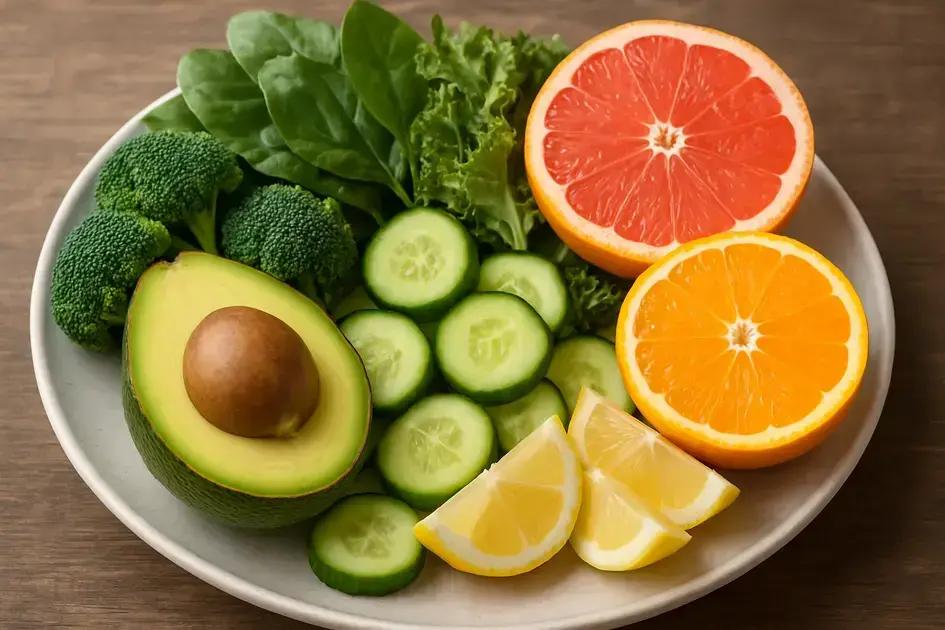
Incorporating liver-friendly foods such as leafy greens, fatty fish, nuts, and citrus fruits into your diet can significantly enhance liver health and support its vital detoxification functions.

Best natural foods for liver health are crucial for maintaining overall wellness. Have you considered how food impacts your liver? Let’s explore some effective options for you.
Understanding liver health: why it matters
Understanding liver health is essential for your overall well-being. The liver plays a crucial role in detoxifying the body, processing nutrients, and producing important proteins. When the liver functions well, it helps maintain balance in the body.
Importance of Liver Health
The liver is responsible for filtering toxins from the blood. It produces bile, which helps in the digestion of fats, and plays a part in metabolizing carbohydrates and proteins. Without a healthy liver, these processes can be disrupted.
Common Liver Issues
Liver diseases, such as fatty liver disease and hepatitis, can arise from a poor diet, alcohol consumption, and lack of exercise. Symptoms may include fatigue, jaundice, and abdominal pain. Understanding these issues can help you take steps toward better liver health.
Factors Impacting Liver Health
Several factors affect liver health, including diet, lifestyle, and genetics. Eating a balanced diet rich in fruits, vegetables, and whole grains is vital for supporting liver function. Avoiding excessive alcohol and staying active can also help maintain liver health.

Regular check-ups with your healthcare provider can ensure your liver is functioning properly. If you notice any symptoms or have concerns, don’t hesitate to seek advice.
Top natural foods for liver detoxification
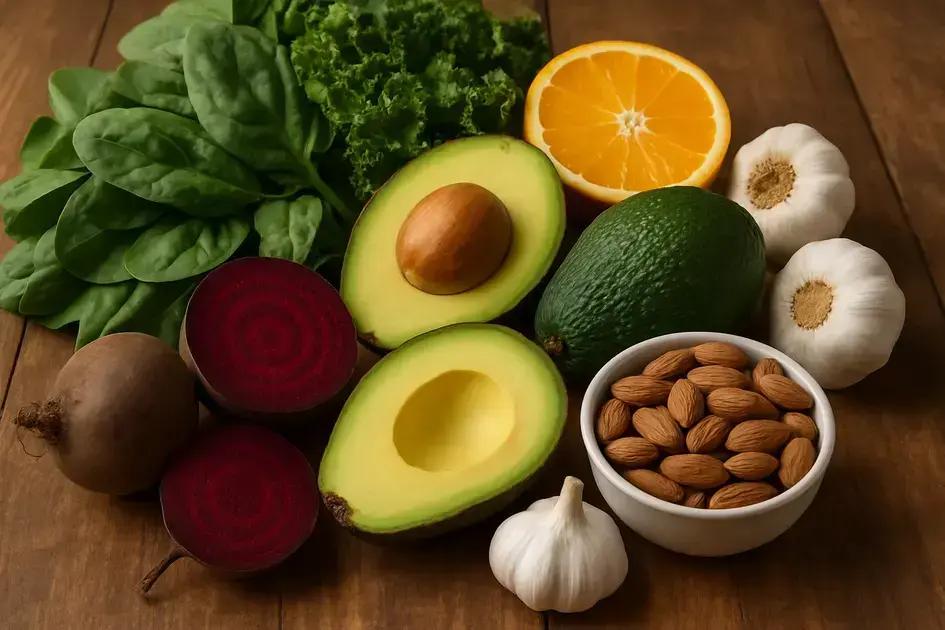
When it comes to liver detoxification, natural foods play a significant role in supporting its health. Incorporating the right foods into your diet helps the liver filter toxins effectively.
Leafy Greens
Vegetables such as spinach, kale, and arugula are rich in nutrients and antioxidants. They are excellent for neutralizing toxins and aiding in detoxification processes.
Cruciferous Vegetables
Broccoli, Brussels sprouts, and cauliflower are some of the best cruciferous vegetables. They contain compounds that enhance liver detoxification and support liver enzymes.
Citrus Fruits
Citrus fruits like lemons, limes, and oranges are packed with vitamin C. This vitamin helps the liver produce detoxifying enzymes, making citrus fruits vital for liver health.
Beets
Beets are another powerhouse for liver detoxification. They contain betacyanin, which helps break down toxins and enhance liver function.
Garlic
Garlic is not only tasty but also beneficial for the liver. It helps activate liver enzymes that flush out toxins and supports overall liver function.
Avocados
These creamy fruits are rich in healthy fats and nutrients, which help in reducing liver damage and support detoxification.
Nuts and Seeds
Nuts like walnuts and seeds such as flaxseeds provide healthy fats and antioxidants that are essential for liver health and overall detoxification.
By including these top natural foods in your diet, you can support your liver in its vital function of detoxifying the body. Each food brings its own unique benefits, contributing to a healthier liver and improved well-being.
How antioxidants support liver health
Antioxidants are vital for maintaining a healthy liver. They help fight free radicals, which can cause damage to liver cells. By combating oxidative stress, antioxidants support the liver’s ability to function properly.
What Are Antioxidants?
Antioxidants are substances that protect your cells from damage caused by free radicals. These free radicals can come from various sources, including pollution, unhealthy diets, and stress. When free radicals accumulate, they can lead to liver disease and other health issues.

How Antioxidants Protect the Liver
Antioxidants help to repair and regenerate liver cells. They work by neutralizing harmful free radicals, which reduces inflammation and damage within the liver. This action can help prevent conditions like fatty liver disease and cirrhosis.
Sources of Antioxidants
Many foods are rich in antioxidants. Fruits like berries, oranges, and kiwi, along with vegetables such as spinach and artichokes, provide essential antioxidants. Nuts and seeds also contain high levels of these beneficial compounds.
The Role of Vitamins
Vitamins C and E are particularly important antioxidants for liver health. Vitamin C helps in the detoxification process, while vitamin E protects liver cells from damage. Including these vitamins in your diet can greatly benefit liver function.
Conclusion
Incorporating antioxidant-rich foods into your meals can enhance your liver’s ability to detoxify and promote overall health. A diet focused on these nutrients plays a critical role in maintaining liver integrity and function.
The role of fiber in liver function
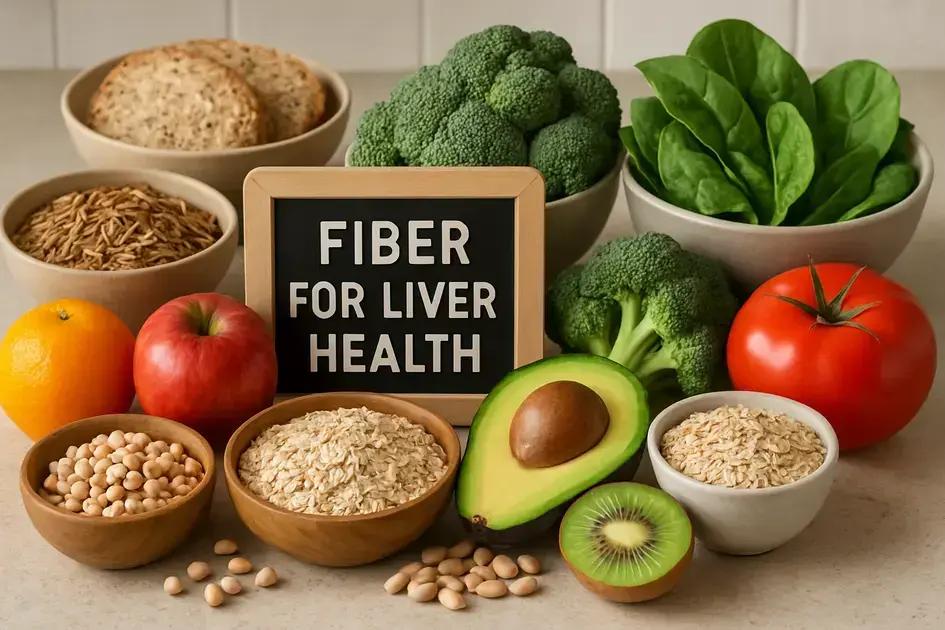
Fiber plays an essential role in maintaining healthy liver function. A diet rich in fiber supports digestion and helps the liver detoxify the body effectively.
What Is Fiber?
Fiber is a type of carbohydrate that the body cannot digest. It passes through the digestive system mostly intact, helping to keep things moving and promoting regularity. There are two types of fiber: soluble and insoluble.
How Fiber Supports Liver Health
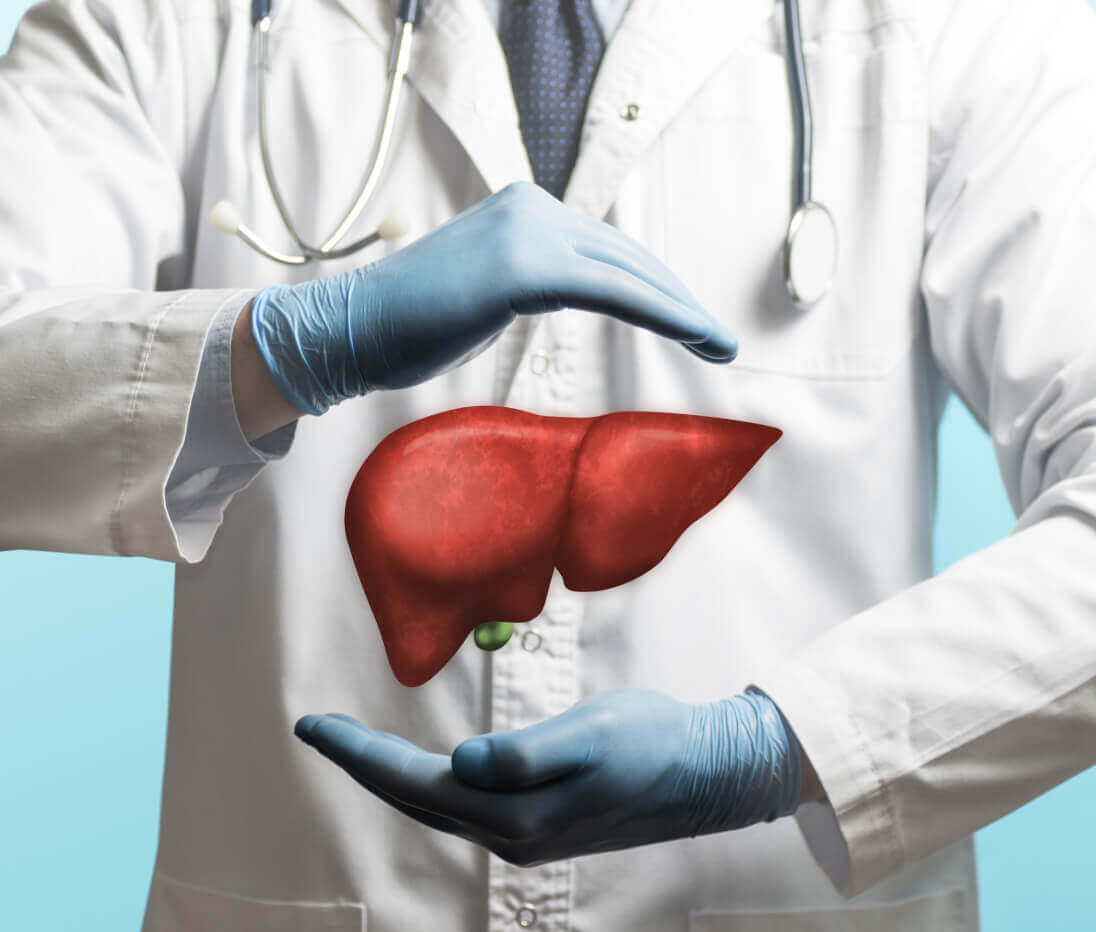
Insoluble fiber, found in whole grains and vegetables, helps prevent constipation. This is important because regular bowel movements help eliminate toxins that the liver processes. Soluble fiber, found in fruits and oats, can help lower cholesterol levels and regulate blood sugar, which benefits overall liver function.
Sources of Fiber
Good sources of fiber include fruits like apples and berries, vegetables such as carrots and broccoli, and whole grains like brown rice and oatmeal. Including these foods in your diet can significantly improve fiber intake.
Benefits of a High-Fiber Diet
A high-fiber diet aids in weight management, which is crucial for liver health. Maintaining a healthy weight reduces the risk of developing fatty liver disease. Additionally, fiber helps reduce inflammation in the body, promoting a healthier liver.
Conclusion
Incorporating a variety of high-fiber foods into your meals can support not just your liver health but also your overall wellness. By focusing on fiber-rich foods, you can enhance your liver’s ability to function effectively.
Herbs that promote liver health
Herbs have been used for centuries to promote health, including liver function. Certain herbs can be particularly beneficial for maintaining a healthy liver.
Milk Thistle
Milk thistle is one of the most well-known herbs for liver health. It contains silymarin, a potent antioxidant that helps protect liver cells from damage and supports detoxification processes.

Dandelion Root
Dandelion root acts as a natural diuretic, helping the liver flush out toxins more efficiently. It also stimulates bile production, which aids in digestion and detoxification.
Turmeric
Turmeric contains curcumin, which has powerful anti-inflammatory properties. It helps protect the liver from damage and enhances its detoxification capabilities. Incorporating turmeric into your diet can be easily done by adding it to curries or smoothies.
Green Tea
Green tea is rich in antioxidants known as catechins, which support liver function. Drinking green tea regularly can help reduce fat deposits in the liver and improve overall liver health.
Garlic
Garlic is not only a flavorful ingredient but also helps activate liver enzymes that flush out toxins from the body. Its sulfur compounds are known to assist in liver detoxification.
Incorporating these herbs into your cooking or as supplements can provide significant benefits for liver health. Make sure to consult with a healthcare provider before starting any new herbal regimen.
Benefits of fatty fish for your liver
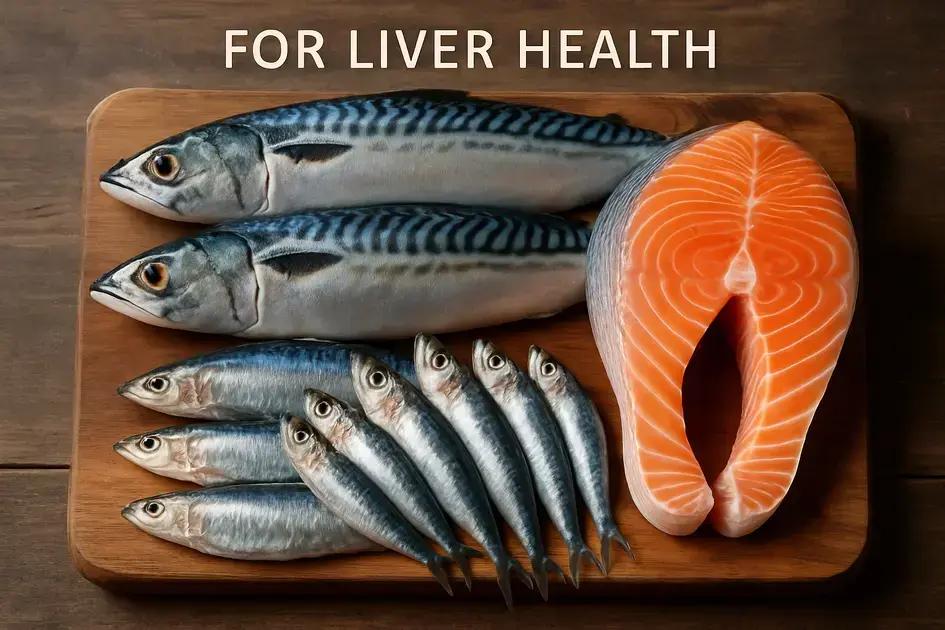
Fatty fish, such as salmon, mackerel, and sardines, are not only delicious but also packed with nutrients that are highly beneficial for liver health. They provide essential omega-3 fatty acids, which play a major role in maintaining a healthy liver.

Omega-3 Fatty Acids
Omega-3 fatty acids are known for their anti-inflammatory properties. These healthy fats help reduce liver fat and inflammation, which are important factors in preventing fatty liver disease.
Support for Detoxification
Fatty fish help improve liver function by enhancing detoxification processes. The omega-3s promote the production of enzymes that aid in breaking down toxins efficiently, keeping the liver healthy and functioning optimally.
Improved Insulin Sensitivity
Regular consumption of fatty fish can improve insulin sensitivity. Improved insulin sensitivity helps to control blood sugar levels, which is vital for preventing liver-related conditions such as non-alcoholic fatty liver disease.
High-Quality Protein Source
Fatty fish is an excellent source of high-quality protein. Consuming adequate protein is essential for repairing and maintaining liver cells, supporting overall liver health.
Other Nutritional Benefits
In addition to omega-3s, fatty fish are rich in vitamins and minerals such as vitamin D and selenium. These nutrients contribute to the antioxidative properties that protect the liver from damage and support its functions.
Incorporating fatty fish into your diet a few times a week can significantly enhance liver health and ensure your liver is functioning at its best.
Avocados: a superfood for liver support
Avocados have gained popularity as a superfood, and for good reason. They are not only delicious but also packed with nutrients that offer significant benefits for liver health.
Healthy Fats
One of the main reasons avocados are great for the liver is their rich content of healthy monounsaturated fats. These fats help reduce liver fat and promote the health of liver cells, making avocados an essential part of a liver-friendly diet.
Rich in Nutrients
Avocados are loaded with vitamins and minerals, including vitamins C, E, and K, as well as B vitamins. These nutrients support liver detoxification processes and contribute to overall liver function.
High in Fiber
Fiber-rich foods are crucial for liver health, and avocados are no exception. The fiber in avocados helps keep the digestive system healthy and aids in eliminating toxins from the body, reducing the burden on the liver.
Antioxidant Properties
Avocados contain powerful antioxidants, including carotenoids and tocopherols. These antioxidants help protect the liver from oxidative stress and damage caused by free radicals, further enhancing liver health.
Support for Cholesterol Levels
Incorporating avocados into your diet can help improve cholesterol levels. They help lower LDL cholesterol (the “bad” cholesterol) while raising HDL cholesterol (the “good” cholesterol). Healthy cholesterol levels are essential for proper liver function.
Adding avocados to your meals can be easy and delicious. They can be enjoyed in salads, smoothies, or spread on whole-grain toast, making them a versatile choice for those looking to support their liver.
The impact of nuts on liver function
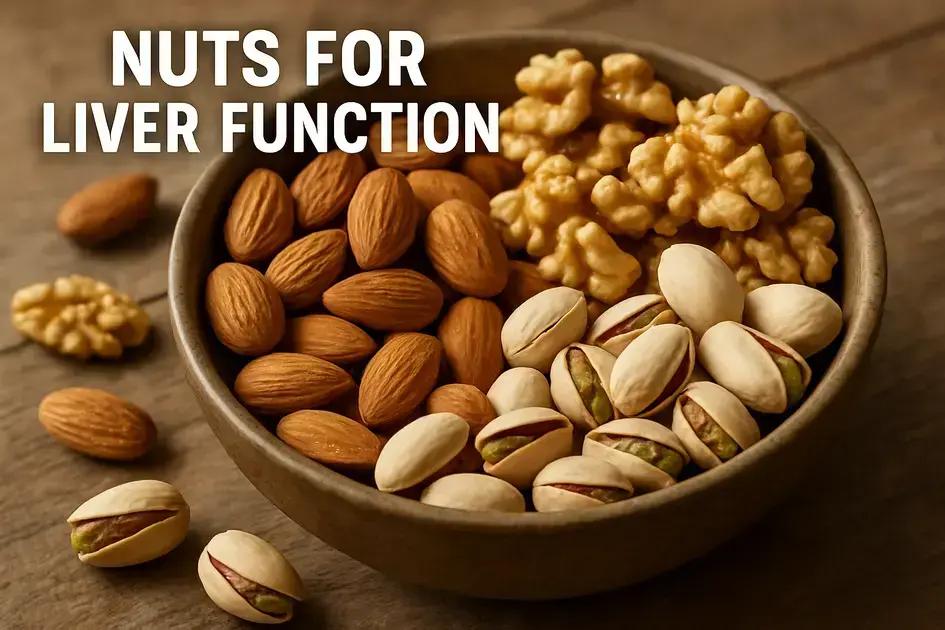
Nuts are not just a delicious snack; they also have numerous health benefits, particularly for liver function. Incorporating a variety of nuts into your diet can significantly support liver health.
Healthy Fats
Nuts are rich in healthy fats, especially monounsaturated fats and omega-3 fatty acids. These fats can help reduce liver fat accumulation, which is important for maintaining optimal liver function.
Rich in Antioxidants
Nuts are packed with antioxidants, which help protect liver cells from damage caused by free radicals. For example, walnuts contain high levels of glutathione, an antioxidant known to support liver detoxification processes.
Fiber Content
Many nuts are high in dietary fiber, which aids digestion and helps regulate bowel movements. A healthy digestive system helps decrease the toxic load on the liver, allowing it to function more effectively.
Vitamins and Minerals
Nuts provide important vitamins and minerals such as vitamin E, magnesium, and selenium. These nutrients are essential for liver health, as they play key roles in metabolic processes and reduce inflammation within the liver.
Heart Health Benefits
Consuming nuts can also improve heart health. A healthy heart ensures better blood circulation, which is crucial for delivering nutrients and oxygen to the liver, further enhancing its function.
Including a handful of nuts in your daily diet, such as almonds, walnuts, or pistachios, can be a simple yet effective way to support your liver health. Just remember to consume them in moderation, as they are calorie-dense.
Why leafy greens are essential for liver health
Leafy greens are often touted as one of the healthiest food groups, and they play a significant role in supporting liver health. Adding a variety of leafy greens to your diet can provide numerous benefits for maintaining optimal liver function.
Rich in Nutrients
Leafy greens like spinach, kale, and Swiss chard are packed with essential vitamins, minerals, and antioxidants. These nutrients help protect the liver from damage and support its detoxification processes.
Detoxifying Properties
Greens contain chlorophyll, which helps remove toxins from the bloodstream. This natural detoxifying effect can lighten the workload on the liver, allowing it to function more efficiently.
Support for Bile Production
Leafy greens stimulate bile production in the liver, which is crucial for digestion and fat absorption. A healthy bile flow aids in the elimination of waste and toxins from the body, further supporting liver health.
Reduce Inflammation
Including leafy greens in your meals can help reduce inflammation in the liver. The antioxidants found in greens combat oxidative stress and may help prevent liver disease.
High in Fiber
Many leafy greens are high in fiber, which is essential for digestive health. A healthy digestive tract means that the liver can better focus on its detoxification tasks without being overburdened.
Incorporating a variety of leafy greens into your diet can be easy and delicious. Consider adding them to salads, smoothies, or stir-fries to boost your overall liver health.
The advantages of garlic for liver detox
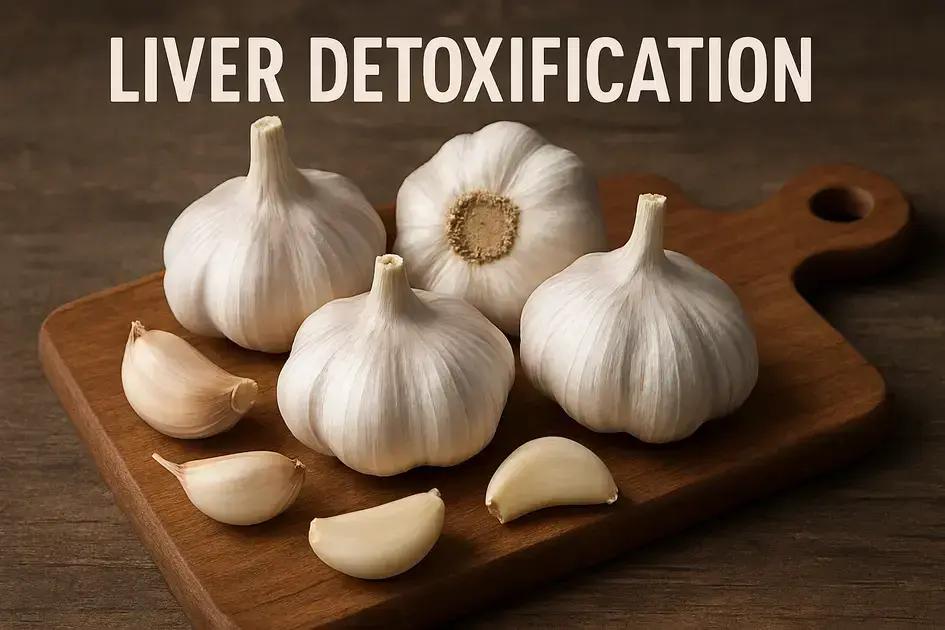
Garlic is not only a flavorful ingredient but also a powerful ally for liver detoxification. Its numerous health benefits make it an important addition to a liver-friendly diet.
Rich in Sulfur Compounds
One of the key advantages of garlic is its high content of sulfur-containing compounds, particularly allicin. These compounds support the liver’s ability to detoxify chemicals and eliminate toxins from the body effectively.
Boosts Liver Enzymes
Garlic helps activate liver enzymes, which are essential for breaking down toxins. Increased enzyme activity enhances the liver’s detoxification processes, ensuring that harmful substances are processed efficiently.
Improves Blood Circulation
Garlic promotes better blood circulation, which is vital for liver function. Improved blood flow ensures that the liver receives adequate nutrients and oxygen, which support its overall health and performance.
Anti-Inflammatory Properties
Garlic is known for its strong anti-inflammatory properties. By reducing inflammation in the liver, garlic can help prevent and manage liver diseases and improve overall liver function.
Supports Immune Function
Garlic boosts the immune system, which is essential for protecting the liver from infections and diseases. A strong immune response helps the liver stay healthy and function efficiently.
Incorporating garlic into your meals can be as simple as adding it to sauces, stir-fries, or roasted vegetables. Regular consumption of this potent herb can significantly support liver detoxification and overall health.
How turmeric enhances liver function
Turmeric, often referred to as a superfood, is renowned for its numerous health benefits, particularly for liver function. This vibrant yellow spice contains a powerful compound called curcumin, which plays a significant role in promoting liver health.
Anti-Inflammatory Effects
Curcumin possesses strong anti-inflammatory properties that can help reduce inflammation in the liver. Chronic inflammation can lead to liver diseases such as fatty liver and cirrhosis, making turmeric an excellent addition to a liver-supportive diet.
Antioxidant Support
Turmeric is rich in antioxidants, which help protect liver cells from damage caused by free radicals. By combating oxidative stress, turmeric can aid in maintaining liver integrity and function.
Enhances Detoxification
One of turmeric’s key benefits is its ability to enhance the liver’s detoxification processes. Curcumin can support the production of bile, a vital substance that helps flush out toxins and harmful substances from the body.
Helps Manage Fat Storage
Turmeric has been shown to help manage fat storage in the liver, which is essential for preventing conditions such as fatty liver disease. By promoting healthier fat metabolism, turmeric contributes to overall liver health.
Supports Immune Function
Regular consumption of turmeric can boost the immune system, further protecting the liver from infections and diseases. A healthy immune system is crucial for maintaining liver function and preventing liver-related conditions.
Incorporating turmeric into your diet can be easy. You can add it to soups, smoothies, or stir-fries, or even enjoy it as a golden milk beverage. Its versatility and health benefits make turmeric a valuable spice for liver support.
Citrus fruits and their liver benefits
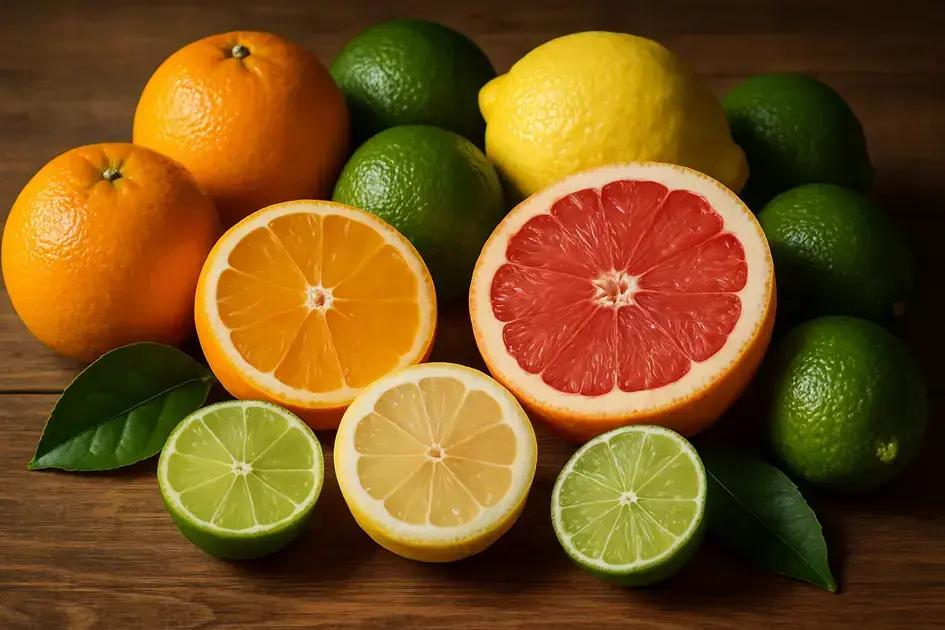
Citrus fruits, including oranges, lemons, limes, and grapefruits, are not only refreshing but also provide significant benefits for liver health. Their unique nutritional profile makes them important for maintaining a healthy liver.
Rich in Vitamin C
Citrus fruits are abundant in vitamin C, an essential nutrient that plays a crucial role in detoxification. Vitamin C helps convert toxins into water-soluble substances, making it easier for the liver to eliminate them from the body.
Antioxidant Properties
The antioxidants found in citrus fruits help protect the liver from oxidative stress. These antioxidants combat free radicals and help reduce inflammation in the liver, supporting overall liver function.
Enhancing Bile Production
Citrus fruits stimulate the liver to produce bile, a digestive fluid that helps break down fats and remove toxins. Proper bile flow is vital for liver health as it aids in digestion and detoxification processes.
Hydration Benefits
Staying hydrated is essential for liver function, and citrus fruits have a high water content. Eating these fruits can help maintain hydration, which is critical for optimal liver metabolism.
Improved Digestion
The fiber in citrus fruits helps improve digestion and promotes a healthy gut. A well-functioning digestive system eases the burden on the liver, allowing it to focus on detoxification.
Incorporating citrus fruits into your diet is simple. Enjoy them fresh, add them to salads, or drink freshly squeezed juice to reap the many benefits they offer for liver health.
Best beverages for liver health
Staying hydrated is crucial for overall health, especially for liver function. Certain beverages can specifically promote liver health and aid in detoxification. Here are some of the best options to consider.
Water
Water is the most essential beverage for liver health. Staying well-hydrated helps the liver flush out toxins efficiently. It is important to drink enough water throughout the day to support all bodily functions.
Green Tea
Green tea is packed with antioxidants like catechins, which are known to improve liver function. Drinking green tea regularly can help reduce fat accumulation in the liver and enhance its detoxification capabilities.
Citrus Juices
Freshly squeezed citrus juices, such as lemon and lime juice, are beneficial for the liver. They are rich in vitamin C and antioxidants, which support detoxification processes and promote bile production.
Beetroot Juice
Beetroot juice is known for its liver-cleansing properties. The natural compounds in beets help increase bile flow and support liver function, making it a great addition to a liver-friendly diet.
Turmeric Latte
A turmeric latte, made with almond milk or coconut milk, is another excellent choice. Turmeric contains curcumin, which has anti-inflammatory properties and supports liver health by enhancing detoxification.
Herbal Teas
Herbal teas, such as dandelion root or milk thistle tea, can be beneficial for liver health. These teas are known for their detoxifying properties and can help support liver function.
Incorporating these beverages into your daily routine can promote liver health and provide essential nutrients that support its functions. Aim to enjoy a variety of these drinks for optimal benefits.
Medications and natural foods: finding balance
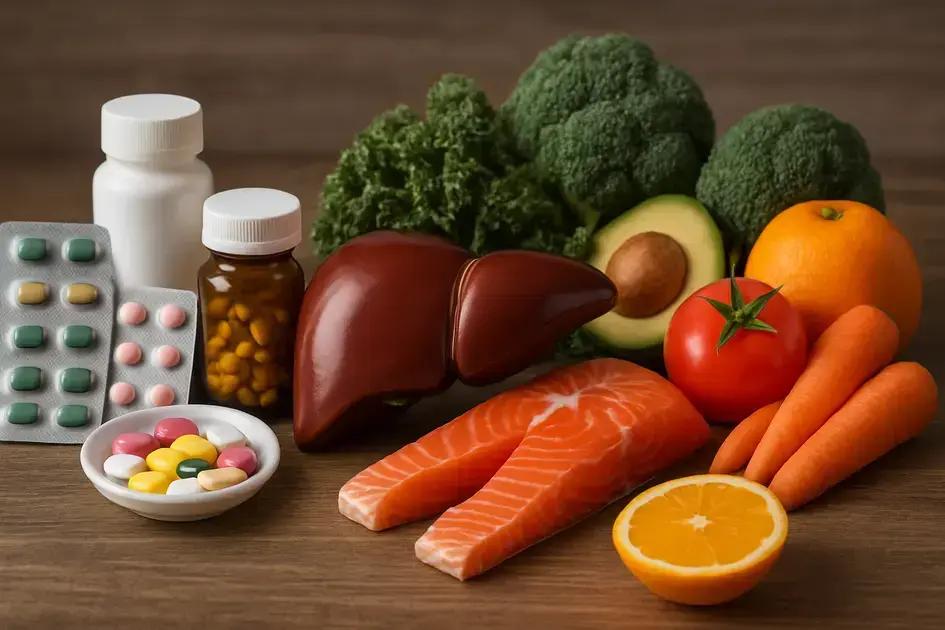
Maintaining a healthy liver involves a delicate balance between the use of medications and the incorporation of natural foods into your diet. Understanding how these elements interact can help you support liver health effectively.
Understanding Medications
Many people rely on medications to manage health conditions. However, it’s important to note that some medications can put stress on the liver. For instance, pain relievers like acetaminophen can be harmful to the liver when taken in excess. Always consult with a healthcare provider about the potential effects of medications on your liver health.
The Role of Natural Foods
Natural foods, especially those rich in nutrients, can help protect and support liver function. Foods such as leafy greens, berries, and fatty fish provide essential vitamins and antioxidants that may counteract the negative effects of certain medications. Incorporating these foods into your diet can create a more balanced approach to liver health.
Finding the Right Balance
It’s crucial to discuss any medications you are taking with your healthcare provider and inform them of your dietary choices. This way, they can help you find a balance that supports your liver health. They may recommend adjustments to your diet or changes in medication based on your specific health needs.
Monitoring Liver Health
Regular check-ups with your healthcare provider can help monitor liver function. Blood tests can determine if medications are affecting your liver and whether dietary changes are needed. Listening to your body and responding to any signs of liver distress is vital for maintaining balance.
Ultimately, achieving a healthy liver involves being proactive about both your medications and your nutrition. By making informed choices, you can significantly support your liver’s health and overall well-being.
Lifestyle changes for optimal liver health
Making lifestyle changes is essential for achieving optimal liver health. Simple modifications to your daily routine can have a profound impact on how well your liver functions.
Balanced Diet
Eating a balanced diet rich in fruits, vegetables, whole grains, and healthy fats is crucial. Foods like leafy greens, berries, and fatty fish provide essential nutrients that support liver health. Reducing processed foods, sugar, and unhealthy fats can also help prevent liver damage.
Regular Exercise
Engaging in regular physical activity helps maintain a healthy weight and reduces the risk of fatty liver disease. Aim for at least 30 minutes of moderate exercise most days of the week. Activities can include walking, cycling, swimming, or any form of movement that gets your heart rate up.
Maintain a Healthy Weight
Being overweight can put extra strain on your liver. Losing even a small percentage of body weight can significantly improve liver health. Focus on gradual weight loss through a combination of diet and exercise.
Limit Alcohol Intake
Excessive alcohol consumption can lead to serious liver problems. If you drink alcohol, do so in moderation. For many, this means no more than one drink per day for women and two for men.
Stay Hydrated
Drinking plenty of water is essential for liver function. Staying hydrated helps the liver flush out toxins and supports its metabolic processes. Aim for at least 8 glasses of water a day.
Get Regular Checkups
Regular checkups with your healthcare provider can help monitor liver health. Blood tests can identify potential liver issues before they become serious. If you have any concerns about your liver function, don’t hesitate to seek medical advice.
By making these lifestyle changes, you can significantly enhance your liver health and overall well-being.
How to integrate these foods into your diet
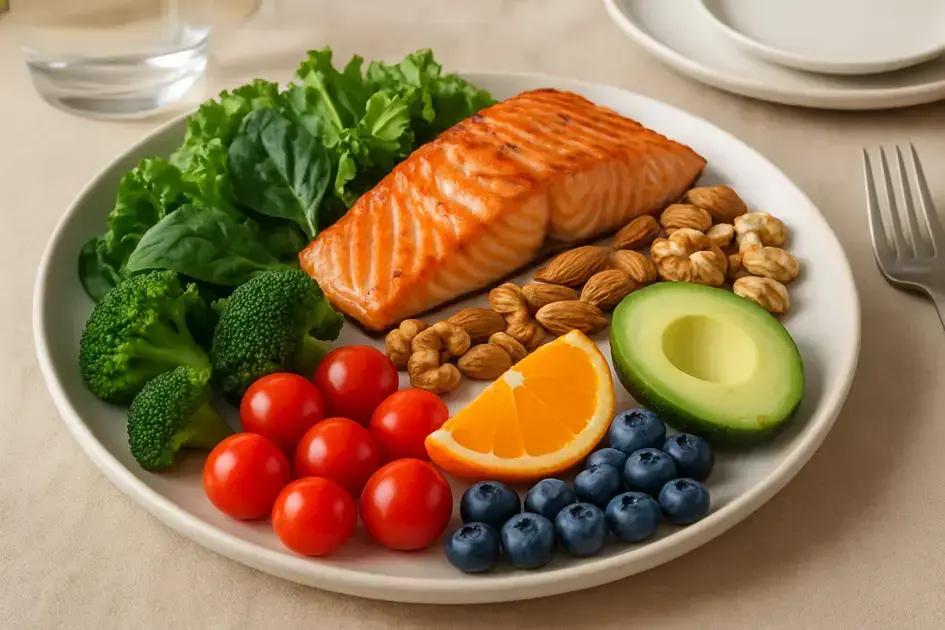
Integrating liver-friendly foods into your diet can be simple and enjoyable. Here are some practical ways to include these nutritious foods in your daily meals.
Start with Breakfast
Begin your day with a healthy breakfast that includes leafy greens. Add spinach or kale to your morning smoothie for an easy boost of nutrients. Alternatively, prepare an omelet with vegetables to add more fiber and vitamins to your meal.
Snack Wisely
Choose healthy snacks that support liver health. Consider munching on a handful of nuts like walnuts or almonds, which are rich in healthy fats and protein. You can also enjoy fresh fruits like berries or citrus fruits as a refreshing snack.
Incorporate Fish into Lunch
When preparing lunch, include fatty fish like salmon or mackerel. Grilled or baked fish can be a delicious option. Pair it with a side of steamed vegetables and quinoa or brown rice for a well-rounded meal.
Experiment with Herbs and Spices
Enhance the flavor of your meals with herbs like garlic, turmeric, and herbs that support liver health. Add garlic to your stir-fries and use turmeric in marinades or salad dressings for added benefits and taste.
Prepare Balanced Dinners
For dinner, create dishes that are rich in antioxidants. Roast a variety of colorful vegetables and serve them alongside grilled chicken or fish. Consider adding a salad with olive oil and lemon juice to support liver detoxification.
Stay Hydrated
Don’t forget to drink plenty of fluids. Aim for at least eight glasses of water daily. You can also incorporate herbal teas or infused water with citrus slices for variety.
By making these small changes to your diet, you can easily support your liver health while enjoying delicious foods.
In Summary: Supporting Liver Health with Diet
Incorporating liver-friendly foods into your diet is a simple yet effective way to enhance your overall health. By focusing on a balanced diet rich in fruits, vegetables, whole grains, and healthy fats, you can support your liver’s vital functions.
Making small changes, such as adding leafy greens to your breakfast or choosing nuts as a snack, can make a significant impact. Additionally, being mindful of your hydration and limiting alcohol intake are crucial steps in promoting liver health.
Ultimately, taking proactive steps to nurture your liver through diet can lead to better health and well-being. Embracing these foods and lifestyle changes not only supports your liver but contributes to your overall vitality.
FAQ – Frequently Asked Questions about Liver Health
What foods are best for liver health?
Foods rich in antioxidants, such as leafy greens, berries, and fatty fish, are great for liver health. Incorporating garlic, turmeric, and citrus fruits can also support detoxification.
How much water should I drink daily for liver support?
It is recommended to drink at least 8 glasses of water a day to maintain hydration and support the liver’s detoxification processes.
Is alcohol harmful to liver health?
Yes, excessive alcohol consumption can lead to liver damage. Moderation is key; if you drink, limit intake to no more than one drink per day for women and two for men.
Can exercise improve liver function?
Absolutely! Regular exercise helps maintain a healthy weight and reduces the risk of fatty liver disease, thereby improving liver function.
How often should I have liver health check-ups?
Regular check-ups every 6 to 12 months are advisable, especially if you have risk factors such as obesity or a history of liver disease.
Are there any natural supplements that can help my liver?
Certain supplements like milk thistle and dandelion root are believed to support liver health, but you should consult your healthcare provider before starting any new supplements.