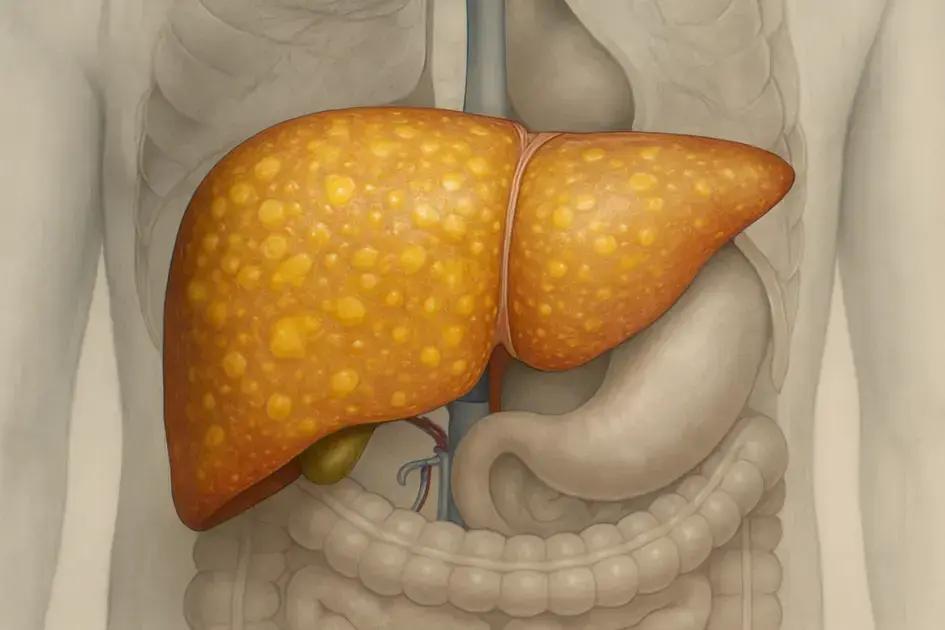
B vitamins are essential for liver health, supporting energy production, detoxification, and cell regeneration, while deficiencies can lead to fatigue and other health issues, making a balanced diet or supplements necessary for optimal function.

B vitamins for liver health are essential for maintaining a healthy liver. Ever wondered how these vitamins can impact your well-being? Let’s explore their significance and benefits.
The role of B vitamins in liver function
The role of B vitamins in liver function is significant, as these vitamins help in various processes crucial for liver health. B vitamins, including B1 (thiamine), B2 (riboflavin), B3 (niacin), B6 (pyridoxine), B9 (folate), and B12 (cobalamin), contribute to the metabolism of carbohydrates, proteins, and fats.
Metabolism Support
B vitamins are essential for converting nutrients into energy. For instance, B3 (niacin) aids in transforming fats and carbohydrates into usable energy. A well-functioning liver relies on these vitamins to manage energy production effectively.
Detoxification Processes
The liver is the body’s detox center, helping to filter and remove toxins. B vitamins, especially B6 and B12, support detoxification processes. They participate in various biochemical reactions that convert harmful substances into less harmful compounds, which are then excreted.
Protein Synthesis
B vitamins are also crucial for protein synthesis in the liver. For example, B6 is important in amino acid metabolism, which is vital for making proteins and enzymes necessary for liver function.

Reduction of Inflammation
Some studies suggest that B vitamins may help in reducing liver inflammation. This is important as chronic inflammation can lead to liver diseases, such as fatty liver disease or cirrhosis.
Overall, ensuring adequate intake of B vitamins can help maintain liver health and support its various functions. Foods rich in B vitamins, such as leafy greens, whole grains, eggs, and meat, should be included in a balanced diet to promote optimal liver function.
How B vitamins impact liver health

How B vitamins impact liver health is an important topic for anyone looking to maintain a healthy lifestyle. These essential vitamins play key roles in various liver functions, promoting overall wellness.
Energy Production
B vitamins, particularly B1 (thiamine) and B2 (riboflavin), are critical for energy production within the liver. They help convert carbohydrates into glucose, the body’s primary energy source. This process is vital for maintaining a healthy liver function and preventing fatigue.
Fat Metabolism
B vitamins, especially B3 (niacin), are essential for fat metabolism. They help the liver to break down and utilize fats effectively. When the liver efficiently processes fats, it can prevent the buildup of fat, reducing the risk of conditions like fatty liver disease.
Amino Acid Metabolism
These vitamins also support amino acid metabolism. For example, B6 (pyridoxine) is crucial for converting amino acids into neurotransmitters and proteins. Proper amino acid metabolism is essential for liver function and overall metabolic health.

Detoxification Support
The liver’s primary role is detoxification, and B vitamins, particularly B6 and B12, play significant roles in this process. They assist in converting toxins into less harmful substances, which the body can eliminate more easily. This detox support is vital for maintaining liver health.
Reducing Inflammation
Research suggests that B vitamins may help reduce inflammation in the liver. Chronic inflammation is linked to various liver diseases, and sufficient B vitamin intake may protect against such conditions.
Including a variety of foods rich in B vitamins, such as leafy greens, nuts, whole grains, and lean meats, can promote better liver health and function.
Common sources of B vitamins
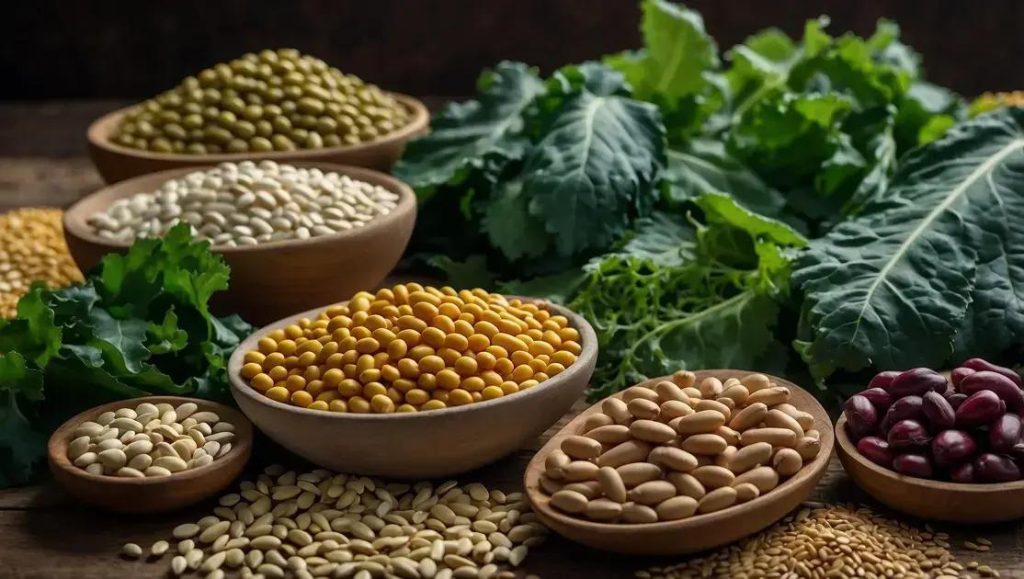
When it comes to getting enough B vitamins, it’s essential to know the common sources of B vitamins. These vitamins can be found in a variety of foods, making it easier to incorporate them into your diet.
Whole Grains
Whole grains are rich in B vitamins, particularly B1 (thiamine), B3 (niacin), and B6 (pyridoxine). Foods like brown rice, oats, and whole wheat bread are excellent sources. Including whole grains in your meals can significantly boost your B vitamin intake.
Leafy Greens
Leafy greens such as spinach, kale, and collard greens are not only high in vitamins and minerals but also provide B vitamins like B9 (folate). Adding these greens to salads or smoothies is a delicious way to enhance your nutrition.
Nuts and Seeds
Nuts and seeds, including almonds, sunflower seeds, and peanuts, are great sources of B vitamins such as B6 and B3. They make a perfect snack and can also be added to cereals or salads.
Meat and Poultry
Meat and poultry are excellent sources of several B vitamins, particularly B12 (cobalamin), B6, and niacin. Chicken, turkey, and lean cuts of beef provide these essential nutrients, supporting overall health and liver function.
Dairy Products
Dairy products like milk, yogurt, and cheese are also rich in B vitamins, especially B2 (riboflavin) and B12. These can be easily added to your diet through smoothies, snacks, and breakfasts.
Eggs
Eggs are another fantastic source of B vitamins, particularly B12, B2, and B5 (pantothenic acid). They are versatile and can be included in meals any time of the day.
Incorporating a variety of these foods into your daily diet can help ensure you are getting adequate amounts of B vitamins, which are vital for maintaining good health.
Signs of B vitamin deficiency

Recognizing the signs of B vitamin deficiency is essential for maintaining overall health. These vitamins play vital roles in various body functions, and a deficiency can lead to noticeable symptoms.
Fatigue and Weakness
One of the most common signs of B vitamin deficiency is fatigue. This can occur because B vitamins are crucial for energy production. Inadequate levels can leave you feeling tired and weak, making daily activities more challenging.
Pale Skin
A lack of B vitamins, especially B12, can lead to pale skin or a yellowish tinge. This happens because B vitamins play roles in red blood cell production. Without sufficient B vitamins, the body may not produce enough healthy red blood cells.
Neurological Symptoms
B vitamin deficiencies can lead to neurological symptoms, such as numbness, tingling, or balance problems. For instance, a deficiency in B12 can cause nerve damage, leading to these sensations.
Mood Changes
Changes in mood, such as increased feelings of anxiety or depression, may be linked to B vitamin deficiencies. Vitamins like B6, B9 (folate), and B12 are critical for maintaining healthy mood levels. Insufficient amounts can affect mental health.
Digestive Issues
Digestive problems, including constipation or diarrhea, can also indicate a B vitamin deficiency. B vitamins are essential for proper digestion and enzymatic function in the gut.
Glossitis and Mouth Ulcers
Inflammation of the tongue, known as glossitis, or the presence of mouth ulcers can arise from a deficiency in B vitamins, particularly B2 (riboflavin) and B12. This can lead to discomfort while eating or speaking.

By being aware of these signs, you can take steps to improve your diet or seek medical advice for addressing potential B vitamin deficiencies.
B vitamins and detoxification processes
B vitamins and detoxification processes are intricately linked, playing an essential role in how the body removes toxins. The liver, which is the body’s primary detox organ, relies heavily on B vitamins for its various detoxification pathways.
Role in Liver Function
B vitamins, particularly B6, B9 (folate), and B12, are crucial for supporting liver function and its ability to detoxify harmful substances. These vitamins help convert toxins into less harmful molecules that the body can eliminate easily.
Supporting Enzyme Production
Detoxification relies on enzymes, and B vitamins are vital for producing these enzymes. For instance, B6 is essential for creating enzymes that help break down proteins and eliminate toxins. When enzyme production is efficient, the body can effectively handle potential threats from environmental toxins, alcohol, and other harmful substances.
Reducing Homocysteine Levels
B vitamins help to lower levels of homocysteine, an amino acid that can be harmful in high amounts. Elevated homocysteine levels are linked to various health issues, including cardiovascular diseases. By keeping these levels in check, B vitamins promote better overall liver health and reduce stress on detoxification systems.
Assisting in Fat Metabolism
Fat metabolism is another critical aspect of detoxification. Vitamins such as B3 (niacin) play a role in breaking down fats, which is essential for detoxification processes that involve fat-soluble toxins. Efficient fat metabolism helps the body eliminate these toxins effectively.
Alleviating Oxidative Stress
B vitamins also help combat oxidative stress, which can hinder detoxification. B2 (riboflavin) and B3 (niacin) support antioxidant activity, protecting the liver from free radicals that result from toxin exposure and metabolic processes.
To maintain adequate B vitamin levels, it is crucial to incorporate a diet rich in these vitamins, including foods like leafy greens, whole grains, nuts, seeds, and lean meats. These foods can significantly contribute to the body’s ability to detoxify effectively.
The connection between B vitamins and fatty liver disease
The connection between B vitamins and fatty liver disease is an essential topic for understanding liver health. Fatty liver disease occurs when excess fat builds up in the liver, which can lead to inflammation and damage.
Role of B Vitamins in Metabolism
B vitamins play a crucial role in metabolizing fats and carbohydrates. Specifically, B3 (niacin) and B6 (pyridoxine) are vital for breaking down fats. When the body lacks these vitamins, it may struggle to process fats correctly, contributing to fat accumulation in the liver.
Reducing Inflammation
Inadequate levels of B vitamins may worsen inflammation associated with fatty liver disease. Vitamins like B6, B9 (folate), and B12 have anti-inflammatory properties and help support liver health. Incorporating these vitamins can help manage liver inflammation and improve overall function.
Weight Management
Maintaining a healthy weight is important for preventing or managing fatty liver disease. B vitamins are involved in energy production, which can help with weight management. For example, B1 (thiamine) and B2 (riboflavin) assist in converting carbohydrates into energy. Adequate intake can support weight loss efforts and reduce fat buildup in the liver.
Detoxification Support
B vitamins also support the liver’s detoxification processes. A healthy liver can effectively eliminate toxins and harmful substances. This detoxification is critical for preventing fatty liver disease, as toxins can contribute to liver damage and fat accumulation.
Sources of B Vitamins
To combat fatty liver disease, it’s essential to consume a diet rich in B vitamins. Foods like leafy greens, whole grains, legumes, eggs, and lean meats provide vital nutrients that support liver health and fight against fat accumulation.
By ensuring adequate B vitamin intake, you can help protect your liver and reduce the risk of fatty liver disease.
B vitamins: Essential nutrients for liver repair
B vitamins: essential nutrients for liver repair play a crucial role in healing and maintaining liver health. The liver is a powerful organ that can regenerate itself, but certain nutrients are needed to support this process, especially B vitamins.
Importance of B Vitamins in Liver Repair
B vitamins, including B1 (thiamine), B6 (pyridoxine), B9 (folate), and B12 (cobalamin), are vital for liver cell regeneration. These vitamins help in synthesizing DNA and RNA, essential for new cell formation. Without adequate amounts, the liver’s ability to repair itself can be impaired.
Energy Metabolism
B vitamins play a significant role in energy metabolism. They help convert nutrients into energy, which is crucial for the repair and regeneration processes in the liver. For instance, B2 (riboflavin) and B3 (niacin) are essential for energy production, ensuring that liver cells have the energy needed for repair.
Detoxification Processes
The liver’s primary function is detoxification. B vitamins aid in this process by supporting various enzymatic reactions that break down toxins. B6, in particular, helps in metabolizing amino acids, which are vital for detoxification and repairing damage caused by toxins.
Supporting Red Blood Cell Production
Some B vitamins are essential for producing red blood cells, such as B12 and B9 (folate). Adequate red blood cell production ensures that oxygen reaches the liver efficiently, promoting healing and repair. This is particularly important for individuals with liver conditions that affect blood flow.
Sources of B Vitamins
A balanced diet rich in B vitamins can significantly aid liver repair. Foods such as leafy greens, whole grains, eggs, dairy products, and lean meats are great sources of these essential nutrients. Including these foods in your diet can support overall liver health and aid in repair.
Incorporating B vitamins into your daily routine can be a powerful way to support liver function and promote healing.
Role of B6, B12, and folate on liver health

Role of B6, B12, and folate on liver health is vital for maintaining a properly functioning liver, as these B vitamins contribute to various metabolic processes and support overall liver function.
B6 (Pyridoxine)
Vitamin B6 plays an important role in the metabolism of proteins and amino acids, which are crucial for liver health. It is involved in converting homocysteine, an amino acid that can damage blood vessels if elevated, into less harmful substances. Low levels of B6 may lead to fat accumulation in the liver, making it critical for maintaining liver health.
B12 (Cobalamin)
B12 is essential for producing red blood cells, which transport oxygen throughout the body, including the liver. Adequate B12 levels help ensure that the liver receives enough oxygen to function efficiently. Additionally, B12 plays a role in DNA synthesis and the metabolism of fatty acids, both necessary for liver health.
Folate (B9)
Folate, or Vitamin B9, is vital for cell division and the production of DNA. This is especially important for the liver, as it needs to regenerate cells effectively. Folate also works closely with B12 in the process of converting homocysteine to other beneficial substances. A deficiency in folate can contribute to various liver diseases, making it essential for maintaining overall liver health.
Synergistic Effects
These three B vitamins work together to support liver function and metabolism. They help process fats and prevent fat accumulation in the liver, which can lead to conditions such as fatty liver disease. Ensuring adequate intake of B6, B12, and folate through a balanced diet can help protect liver health.
Food Sources
You can find B6 in foods like poultry, fish, potatoes, and bananas. B12 is primarily found in animal products, such as meat, dairy, and eggs. Folate is abundant in leafy greens, legumes, and fortified cereals. Including these foods in your diet can ensure that you receive the necessary nutrients to support liver health.
Balancing B vitamins for optimal liver function
Balancing B vitamins for optimal liver function is crucial for maintaining overall health. Each B vitamin plays a unique role, and together they work synergistically to support liver processes.
Importance of B Vitamin Balance
Having the right balance of B vitamins is essential for the liver to perform optimally. A deficiency or excess of one vitamin can impact the effectiveness of others. For example, B12 works closely with folate (B9) to help produce red blood cells and prevent anemia, which is vital for liver health.
Supporting Metabolism
B vitamins are involved in the metabolism of carbohydrates, proteins, and fats. B1 (thiamine) aids in converting carbohydrates into energy, while B3 (niacin) helps with fat metabolism. This energy is crucial for liver cells to function properly and regenerate.
Detoxification
Each B vitamin contributes to the detoxification processes in the liver. B6 assists in breaking down amino acids, which is essential for removing toxins from the body. Maintaining a proper balance ensures that the liver can efficiently detoxify harmful substances.
Food Sources for Balance
To achieve a balanced intake of B vitamins, include a variety of foods in your diet. Consume meats, eggs, dairy products, leafy greens, whole grains, and legumes. This diversity will help you receive adequate amounts of all B vitamins necessary for liver health.
Consulting Healthcare Providers
It is important to monitor B vitamin levels, especially if you have conditions affecting liver function. Consulting a healthcare provider can help you determine if you need supplements or dietary changes to ensure optimal balance.
How stress affects B vitamin levels
How stress affects B vitamin levels is an important consideration for overall health. Stress can lead to a depletion of B vitamins in the body, which are crucial for various bodily functions.
Impact of Stress on B Vitamin Absorption
When the body is under stress, it can interfere with the absorption of B vitamins from food. This is because stress hormones can affect the digestive system, reducing the efficiency with which the body absorbs essential nutrients.
Increased Demand for B Vitamins
Stress also increases the body’s demand for B vitamins. For instance, during stressful times, the body requires more B6 and B12 to support energy production and neurotransmitter synthesis. When there is an increased demand, it can lead to lower levels if intake does not increase accordingly.
Specific B Vitamins Affected by Stress
Research shows that vitamins such as B1 (thiamine), B3 (niacin), B6, and B12 can be significantly affected by stress. B1 is essential for energy metabolism, and a deficiency can lead to feelings of fatigue. B6 is vital for creating neurotransmitters that regulate mood. A lack of this vitamin may worsen feelings of anxiety and depression.
Symptoms of Deficiency
Symptoms of B vitamin deficiency due to stress may include fatigue, irritability, poor concentration, and mood swings. If you notice these signs, it could be linked to low B vitamin levels caused by stress.
Managing Stress for Better B Vitamin Levels
To maintain healthy B vitamin levels, managing stress is key. Techniques such as regular exercise, mindfulness practices, and ensuring a balanced diet rich in B vitamins can help counteract the effects of stress. Foods like leafy greens, whole grains, nuts, and lean meats are excellent sources of B vitamins.
The impact of alcohol on B vitamin absorption
The impact of alcohol on B vitamin absorption is significant and can lead to various health issues. Alcohol consumption affects how the body absorbs and utilizes B vitamins, which are essential for many bodily functions.
Interference with Absorption
Alcohol can interfere with the absorption of B vitamins in the intestines. When alcohol is present in the digestive system, it can reduce the intestinal lining’s ability to absorb nutrients, including crucial B vitamins such as B1 (thiamine), B6 (pyridoxine), and B12 (cobalamin).
Increased Need for B Vitamins
Excessive alcohol intake increases the body’s need for B vitamins. For example, consuming alcohol can elevate the metabolic rate of certain B vitamins, meaning the body requires more of them to function properly. This increased demand can lead to deficiencies if dietary intake does not meet these needs.
Specific B Vitamins Affected
Several studies show that alcohol primarily affects levels of B1, B6, and B12. A deficiency in B1 can lead to Wernicke-Korsakoff syndrome, a serious condition that affects the nervous system. Low levels of B6 can influence mood and cognitive functions, while a deficiency in B12 can lead to anemia and neurological problems.
Consequences of Deficiency
Deficiencies in B vitamins due to alcohol consumption can result in various health problems. Symptoms may include fatigue, cognitive decline, mood disturbances, and weakened immune function. Long-term deficiencies can lead to more severe conditions that affect overall health.
Adequate Nutrition and Support
To counteract the negative effects of alcohol on B vitamin absorption, it is essential to maintain a balanced diet rich in these vital nutrients. Foods such as eggs, whole grains, leafy greens, and lean meats should be included to ensure sufficient intake of B vitamins. Additionally, reducing alcohol consumption can greatly improve nutrient absorption and overall health.
Natural supplements for boosting B vitamins
Natural supplements for boosting B vitamins can be an effective way to enhance your B vitamin intake and support overall health. Many people struggle to get enough of these essential vitamins from diet alone.
Types of Natural Supplements
There are several natural supplements available, including those derived from herbs, whole foods, and specific extracts. Some popular options include nutritional yeast, which is high in B vitamins, especially B12. This supplement is often used by vegetarians and vegans to ensure adequate B12 intake.
B Complex Supplements
B complex supplements contain a combination of all eight B vitamins, providing a convenient way to support overall health. These supplements can help improve energy levels, enhance mood, and support metabolic processes. Look for high-quality B complex supplements that use natural sources.
Herbal Supplements
Certain herbs, such as ginseng and ashwagandha, are believed to support B vitamin absorption and utilization in the body. These herbal supplements can help alleviate stress and improve energy, allowing for better overall health.
Whole Food Sources
Natural supplements made from whole foods, such as spirulina and chlorella, are rich in B vitamins and other nutrients. These algae supplements offer a plethora of health benefits and can serve as a powerful addition to your diet.
Considerations When Choosing Supplements
When selecting natural supplements, it’s important to choose high-quality products from reputable brands. Consider consulting a healthcare professional to determine the right type and dosage of B vitamin supplements for your specific needs.
Integrating these natural supplements into your routine can help boost your B vitamin levels, supporting energy production and overall wellness.
Dietary recommendations for liver health
Dietary recommendations for liver health play an essential role in maintaining a functioning liver and preventing liver diseases. A balanced diet can help support liver function and promote overall well-being.
Incorporate Whole Foods
Focus on incorporating whole foods into your diet. Foods that are minimally processed, such as fresh fruits and vegetables, whole grains, and lean proteins, provide vital nutrients that support liver health. Examples include apples, leafy greens, oats, and chicken.
Limit Saturated Fats
Reduce the intake of foods high in saturated fats, such as fried foods, fatty cuts of meat, and full-fat dairy products. Opt for healthier fats found in foods like avocados, nuts, and olive oil. These fats can help lower inflammation and support liver function.
Increase Fiber Intake
A diet high in fiber is beneficial for liver health. Fiber helps in digestion and can aid in the elimination of toxins. Include foods such as beans, lentils, whole grains, and fruits like berries and pears to boost your fiber intake.
Stay Hydrated
Staying hydrated is vital for liver health. Drinking enough water helps the liver flush out toxins and supports overall metabolic processes. Aim for at least 8-10 glasses of water a day, and consider herbal teas as a hydrating option.
Limit Alcohol Consumption
Limiting alcohol intake is crucial for maintaining liver health. Excessive alcohol consumption can lead to liver damage and various diseases. If you choose to drink, do so in moderation. For many, this means no more than one drink per day.
Consider Antioxidant-Rich Foods
Include antioxidant-rich foods in your diet to help combat oxidative stress on the liver. Foods high in antioxidants include berries, nuts, green tea, and dark chocolate. These foods can help protect liver cells from damage.
Consult a Healthcare Professional
If you have existing liver conditions or concerns about your liver health, it is important to consult with a healthcare professional or a registered dietitian. They can provide personalized dietary recommendations based on your specific needs.
Lifestyle changes that support liver wellness
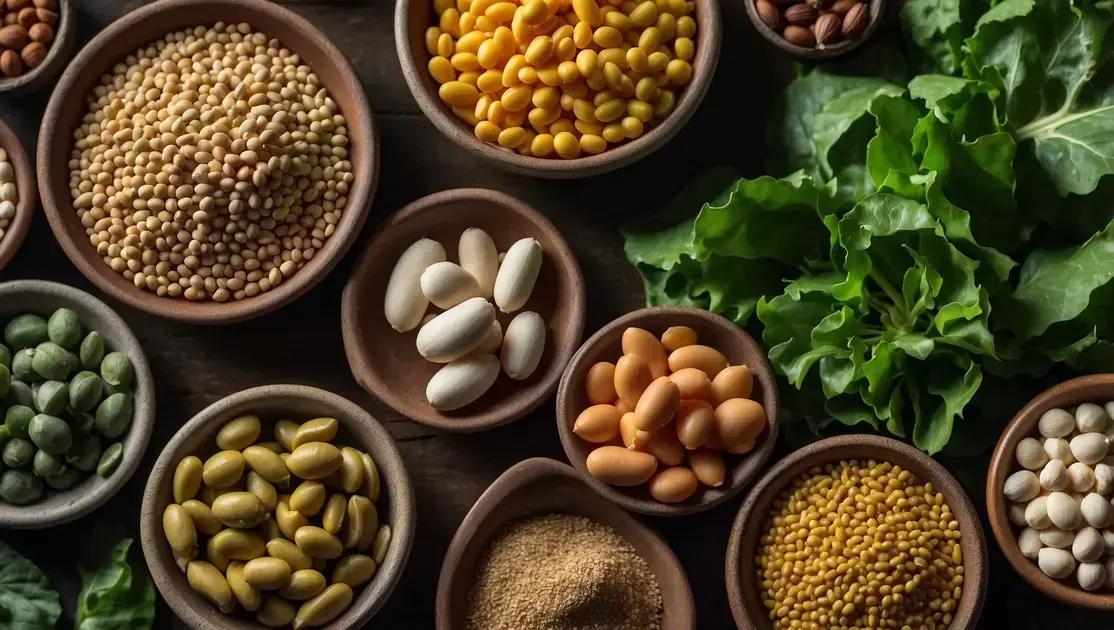
Lifestyle changes that support liver wellness are essential for maintaining a healthy liver and preventing disease. Making specific adjustments in your daily life can enhance liver function significantly.
Healthy Diet
Adopting a balanced diet rich in fruits, vegetables, whole grains, and lean proteins can greatly benefit liver health. Foods high in fiber help the liver process and eliminate toxins more efficiently.
Regular Exercise
Engaging in regular physical activity supports overall health and can help prevent conditions such as obesity, which is a risk factor for fatty liver disease. Aim for at least 150 minutes of moderate aerobic exercise each week, such as walking, cycling, or swimming.
Avoiding Excess Alcohol
Limiting or avoiding alcohol consumption is crucial for liver wellness. Excessive drinking can lead to liver damage and diseases like cirrhosis. If you do consume alcohol, do so in moderation.
Hydration
Staying hydrated is vital for liver function. Water helps the liver flush out toxins and aids in digestion. Aim to drink at least 8-10 glasses of water each day, and consider herbal teas as a hydrating option.
Getting Enough Sleep
Ensuring that you get adequate sleep is essential for the body’s repair processes, including liver health. Aim for 7-9 hours of quality sleep each night to promote optimal liver function and recovery.
Managing Stress
High levels of stress can negatively impact liver health. Practicing mindfulness, yoga, or meditation can help reduce stress levels. Consider setting aside time each day for relaxation techniques.
Regular Health Check-ups
Visiting your healthcare provider for regular check-ups can help monitor liver health and catch any potential issues early. Discuss any concerns you may have regarding liver function and overall wellness.
Consulting your healthcare provider about B vitamins
Consulting your healthcare provider about B vitamins is crucial for maintaining optimal health, especially if you have concerns about your B vitamin levels or overall wellness.
Importance of Professional Guidance
Healthcare providers can offer valuable insights into how B vitamins affect your body. They can help identify any deficiencies through blood tests and advise you on appropriate dietary changes or supplements needed to meet your specific requirements.
Personalized Recommendations
Every individual’s nutritional needs are different. Consulting your provider allows for personalized recommendations based on your health history, lifestyle, and any medical conditions. This tailored approach can optimize the benefits of B vitamins for your body.
Monitoring B Vitamin Levels
If you’re at risk for deficiencies due to dietary restrictions or other factors, regular check-ups with your provider can help monitor your B vitamin levels. Keeping track of these levels is essential, as low B vitamin levels can lead to fatigue, mood changes, and other health issues.
Discussing Supplements
When considering B vitamin supplements, it’s important to discuss this with your healthcare provider. They can guide you on the type, dosage, and duration of supplementation that would be best suited for your individual needs while ensuring there are no interactions with other medications.
Addressing Symptoms
If you are experiencing symptoms related to potential B vitamin deficiencies, such as weakness, cognitive decline, or digestive issues, your healthcare provider can help determine if B vitamins are the solution. They can also explore other potential causes to ensure you receive proper care.
Education on Nutrition
Consulting your healthcare provider offers a chance to learn more about the role of B vitamins in your diet. They can provide education on B vitamin-rich foods and how to effectively incorporate them into your meals for better health outcomes.
In summary: The importance of B vitamins for liver health
B vitamins play a crucial role in supporting liver health and overall wellness. They help with energy production, detoxification, and cell regeneration. By understanding the impact of B vitamins and making any necessary dietary changes, you can promote better liver function.
Consulting your healthcare provider about B vitamins can help you identify any deficiencies and receive personalized recommendations based on your unique needs.
Incorporating natural food sources and considering quality supplements can enhance your B vitamin intake. Along with a healthy lifestyle that includes proper nutrition and regular exercise, you can help ensure your liver remains healthy and functions optimally.
Paying attention to your body’s nutritional needs today sets the foundation for a healthier tomorrow.
FAQ – Frequently Asked Questions about B Vitamins and Liver Health
What are B vitamins and why are they important for liver health?
B vitamins are essential nutrients that support various bodily functions, including energy production, detoxification, and cell regeneration, all of which are vital for liver health.
How can I tell if I’m deficient in B vitamins?
Signs of B vitamin deficiency can include fatigue, mood changes, cognitive decline, and digestive issues. Consulting a healthcare provider for blood tests can help determine your B vitamin levels.
What foods are high in B vitamins?
Foods rich in B vitamins include leafy greens, whole grains, eggs, dairy products, and lean meats. Incorporating a variety of these foods into your diet can help maintain adequate levels.
Can I take B vitamin supplements?
Yes, B vitamin supplements can be beneficial, especially for those at risk of deficiency. It’s important to consult with a healthcare provider for personalized recommendations.
How does alcohol consumption affect B vitamin levels?
Excessive alcohol consumption can interfere with the absorption of B vitamins and increase the body’s demand for them, potentially leading to deficiencies.
What lifestyle changes can support liver health?
To support liver health, make lifestyle changes such as maintaining a balanced diet, exercising regularly, staying hydrated, and limiting alcohol intake.