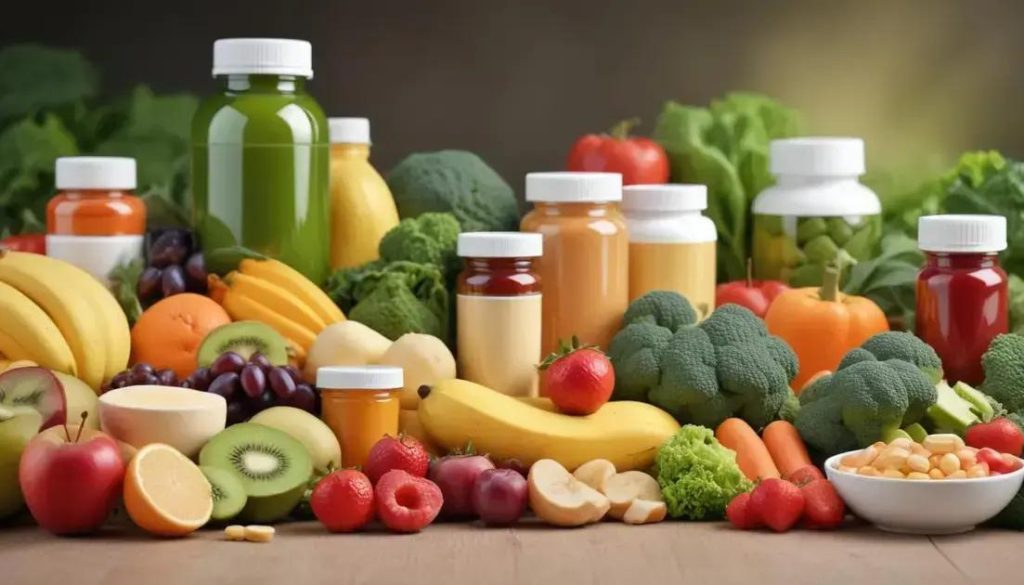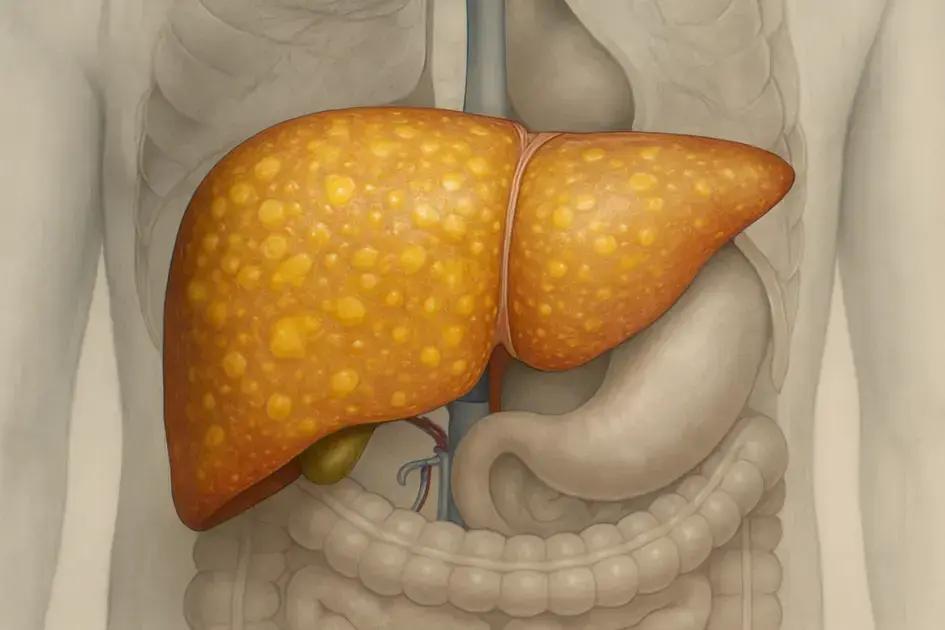
The liver is essential for detoxification, digestion, and metabolism; supporting it involves a balanced diet, hydration, regular exercise, and avoiding excessive alcohol consumption to prevent damage and maintain overall health.

10 best foods for liver health can play a crucial role in your overall well-being. With so many dietary options, have you ever wondered which foods truly support your liver? Let’s dive into some fantastic choices!
The importance of liver health
The liver is a vital organ with numerous functions that are essential for maintaining overall health. It plays a key role in digestion, detoxification, and metabolism. Keeping your liver healthy is crucial for your body’s well-being.
Functions of the Liver
The liver helps filter harmful substances from the blood, such as toxins and drugs. It also produces bile, which is necessary for digesting fats and absorbing important nutrients.
Signs of an Unhealthy Liver
Recognizing the signs of liver problems is important. Symptoms like fatigue, jaundice, and abdominal pain can indicate liver issues. Regular check-ups can help monitor liver health and catch potential problems early.
How to Promote Liver Health
Eating a balanced diet that includes fruits, vegetables, and healthy fats can support liver function. Staying hydrated and avoiding excessive alcohol consumption are also important steps in maintaining a healthy liver.

Regular exercise can strengthen your body and promote healthy liver function. Being active reduces the risk of fatty liver disease and helps maintain a healthy weight, which is key for liver health.
Top 10 foods for liver support
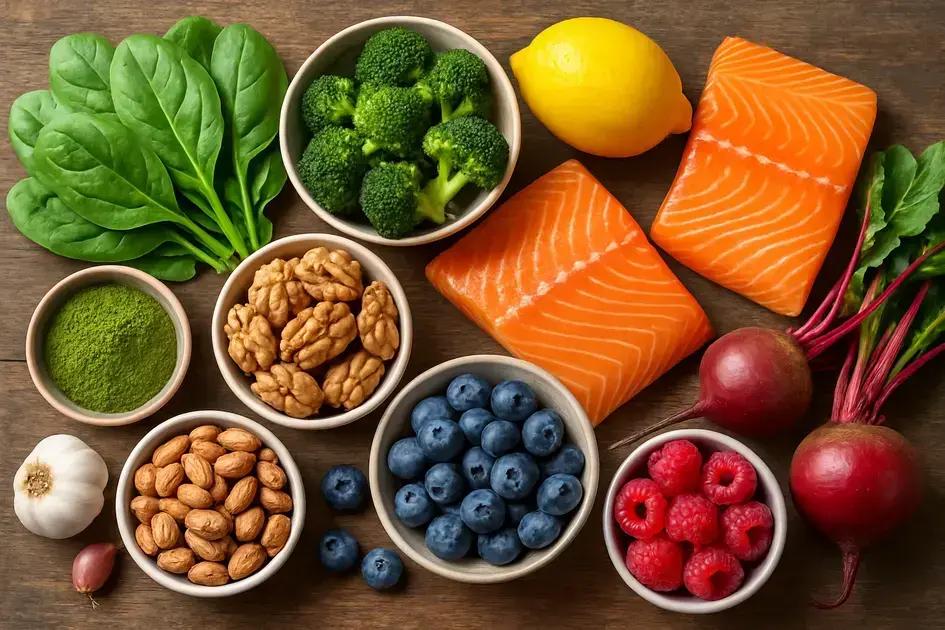
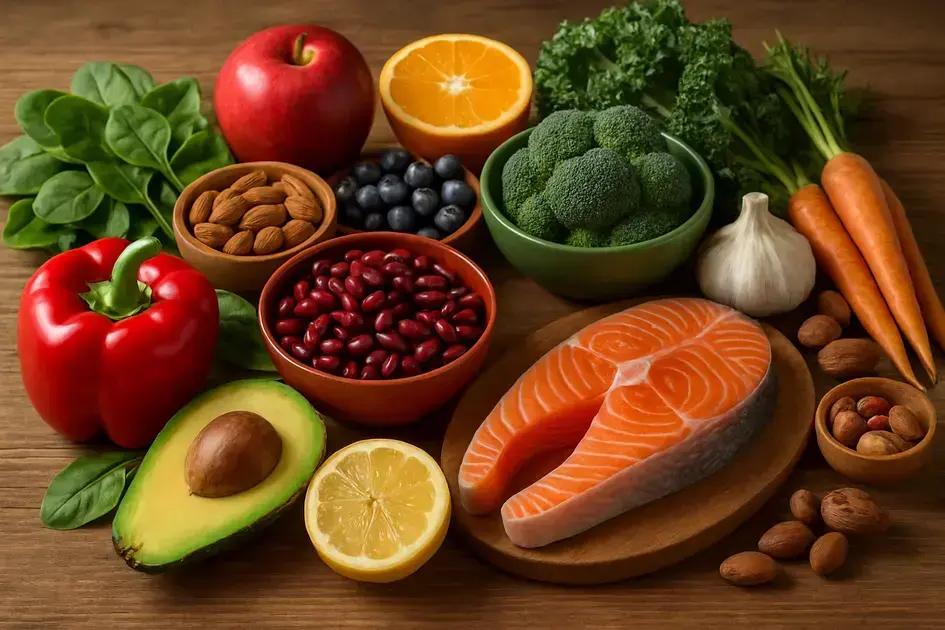
Eating the right foods can significantly support liver health. Here are the top 10 foods that can help keep your liver functioning effectively.
1. Leafy Greens
Leafy greens like spinach, kale, and Swiss chard are loaded with antioxidants and can help reduce liver fat. They also improve the overall detoxification process.
2. Fatty Fish
Fatty fish such as salmon, trout, and sardines are rich in omega-3 fatty acids. These fats help lower liver fat levels and reduce inflammation.
3. Nuts
Nuts, especially walnuts and almonds, are high in healthy fats and antioxidants. They have shown to improve liver function and reduce oxidative stress.
4. Berries
Berries like blueberries, strawberries, and raspberries provide essential vitamins and antioxidants that can aid in liver health and combat inflammation.
5. Beets
Beets are a source of antioxidants and can help cleanse the liver. They may also improve liver function by increasing the production of bile.
6. Garlic
Garlic contains compounds that can activate liver enzymes responsible for flushing out toxins. It also has anti-inflammatory properties.
7. Olive Oil
Olive oil is a healthy fat that can help maintain liver health. It can reduce liver fat levels and improve insulin sensitivity.
8. Turmeric
Turmeric is a spice known for its powerful anti-inflammatory effects. Curcumin, its active compound, may benefit liver health by reducing inflammation.
9. Whole Grains
Whole grains like brown rice, quinoa, and oats provide fiber and essential nutrients that support liver health and help with detoxification.
10. Avocado
Avocados contain healthy fats and are rich in nutrients like vitamin E, which can help protect the liver against damage and enhance its function.

How leafy greens benefit your liver
Leafy greens are among the most nutritious foods available, offering a plethora of benefits for liver health. These green powerhouses are rich in vitamins and antioxidants that support detoxification and overall liver function.
Rich in Nutrients
Leafy greens like spinach, kale, and arugula provide vital nutrients such as vitamins A, C, and K, along with minerals like magnesium and iron. These nutrients help repair liver cells and promote healthy liver function.
Detoxification Support
One of the key roles of the liver is to detoxify the body. Leafy greens can enhance this process by promoting the production of bile, which helps in flushing out toxins from the liver.
High in Fiber
Fiber is essential for healthy digestion and plays a big role in liver health. Leafy greens provide an excellent source of dietary fiber, which helps regulate fat levels and supports weight management, reducing the risk of fatty liver disease.
Antioxidant Properties
Leafy greens contain various antioxidants that protect liver cells from damage. These antioxidants combat oxidative stress, which can lead to liver inflammation and disease.
Reducing Inflammation
Chronic inflammation is a significant factor in liver disease. The compounds in leafy greens can help reduce inflammation, making them a critical component of a liver-friendly diet.
The role of nuts in liver function
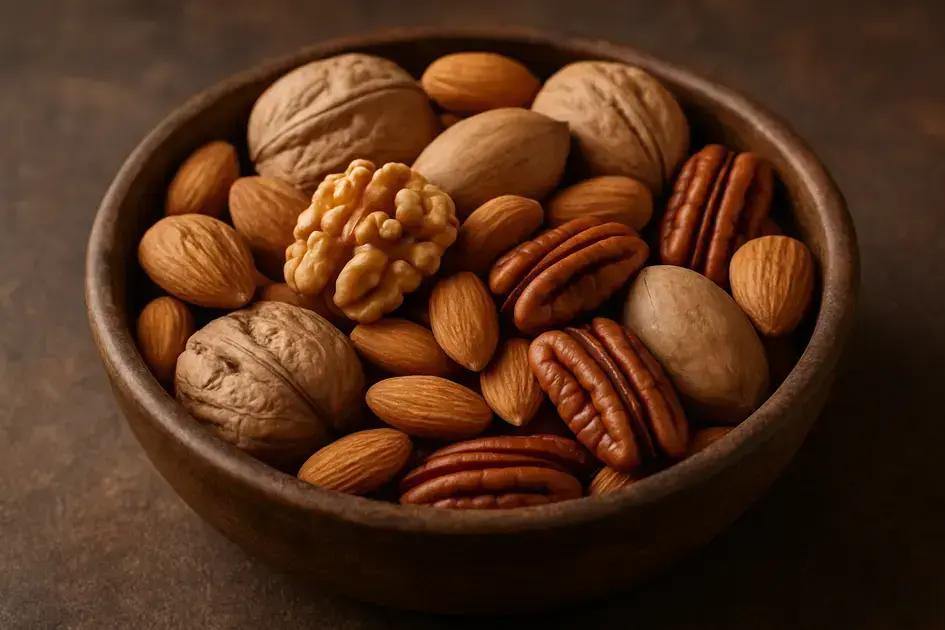
Nuts are not just a tasty snack; they also play a significant role in supporting liver function. Rich in healthy fats, proteins, and antioxidants, nuts can contribute to overall liver health.
Healthy Fats
Nuts are packed with healthy fats, especially monounsaturated fats, which help reduce inflammation in the liver. These fats can aid in managing weight, a crucial factor in preventing fatty liver disease.
Rich in Antioxidants
Many nuts, such as walnuts and pecans, are rich in antioxidants. These compounds help protect the liver from oxidative stress and reduce the risk of liver damage.
Source of Fiber
Fiber is essential for digestion, and nuts provide a good amount of it. A diet high in fiber can help regulate fat levels in the liver and support weight management.
Vitamin E Content
Nuts like almonds are high in vitamin E, an antioxidant known for its ability to protect liver cells from damage. Including nuts in your diet can contribute to maintaining healthy liver function.
Improving Insulin Sensitivity
Regular consumption of nuts has been linked to improved insulin sensitivity, which is important for liver health. Better insulin sensitivity helps prevent fat accumulation in the liver.

Why fatty fish is essential for liver
Fatty fish, such as salmon, mackerel, and sardines, are highly nutritious and play a crucial role in maintaining liver health. Their unique composition provides various benefits that can support liver function.
Omega-3 Fatty Acids
Fatty fish are rich in omega-3 fatty acids, which are essential fats that help reduce inflammation in the liver. These fatty acids can lower liver fat levels, which is vital for preventing liver diseases.
Reducing Inflammation
Chronic inflammation is a major factor in liver diseases, and the omega-3s found in fatty fish help to combat this issue. By lowering inflammation, these fish contribute to healthier liver function.
Protein Source
Fatty fish provide high-quality protein, which is essential for repairing tissues and supporting the liver’s many functions. Consuming adequate protein helps maintain muscle mass and overall health.
Heart Health Benefits
Fatty fish can also improve heart health, which is closely linked to liver health. Keeping the heart healthy reduces the risk of fatty liver disease, making fatty fish a great choice for a balanced diet.
Rich in Nutrients
Besides omega-3s, fatty fish are abundant in essential vitamins and minerals like vitamin D and selenium. These nutrients support various bodily functions, including those related to liver health.
Berries and their antioxidant power
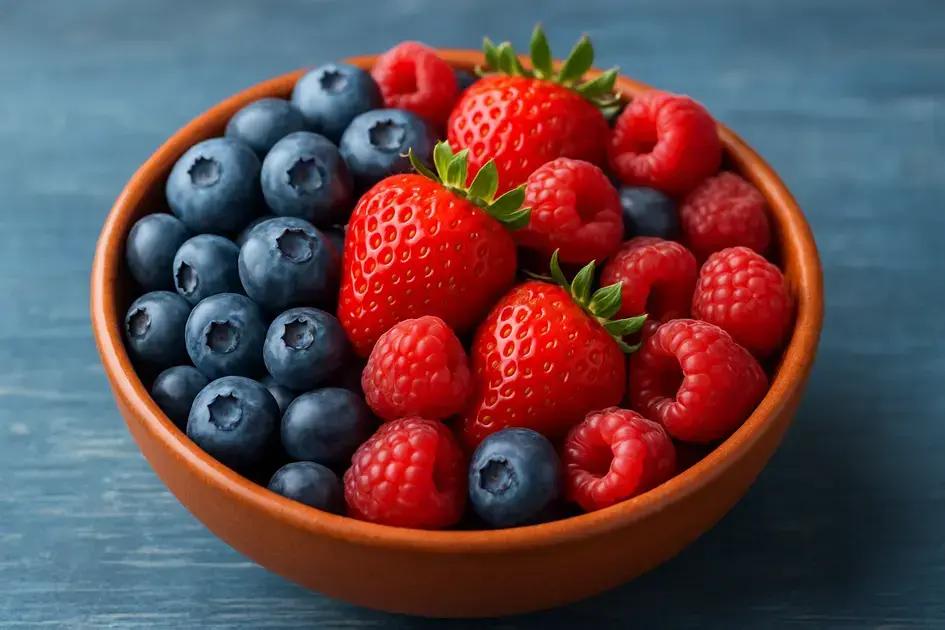

Berries are not only delicious but also pack a powerful punch when it comes to health benefits, particularly for the liver. Their antioxidant power is essential in fighting oxidative stress and supporting overall liver function.
Rich in Antioxidants
Berries, including blueberries, strawberries, and raspberries, are loaded with antioxidants such as vitamin C and flavonoids. These compounds help neutralize free radicals in the body, reducing the risk of liver damage and disease.
Reducing Inflammation
The antioxidants found in berries can also help lower inflammation. Chronic inflammation is linked to liver problems, and incorporating berries into your diet can help reduce this risk.
Support for Detoxification
Berries support the liver’s natural detoxification processes. Their high fiber content aids digestion and helps the liver filter toxins more effectively, promoting better overall health.
Improving Liver Health
Research suggests that regularly consuming berries can improve liver function and decrease liver fat accumulation. This is essential for preventing conditions like fatty liver disease.
Ways to Enjoy Berries
Incorporating berries into your diet is easy. They can be added to smoothies, yogurt, or salads for a tasty and nutritious boost that benefits your liver.
Beets: a liver’s best friend
Beets are often referred to as a liver’s best friend due to their impressive nutritional profile and health benefits. They are packed with vitamins and minerals that support liver function and overall well-being.
Rich in Antioxidants
Beets contain a powerful antioxidant called betalain, which helps reduce oxidative stress and inflammation in the liver. This antioxidant property makes beets particularly beneficial for liver health.
Boosting Detoxification
The natural compounds in beets are known to enhance the liver’s detoxification process. They assist in flushing out toxins and metabolic waste from the body, promoting a healthier liver.
Natural Source of Fiber
Beets are a great source of dietary fiber, which aids digestion and supports regular bowel movements. Maintaining good digestion is essential for liver health, as it helps eliminate toxins effectively.
Anti-Inflammatory Properties
Due to their high levels of antioxidants and nutrients, beets possess anti-inflammatory effects that can help reduce chronic inflammation in the liver, reducing the risk of liver disease.
Ways to Enjoy Beets
Adding beets to your diet is easy. They can be roasted, pickled, or blended in smoothies and salads for a vibrant and nutritious boost that benefits your liver.
Garlic: a superfood for liver detox
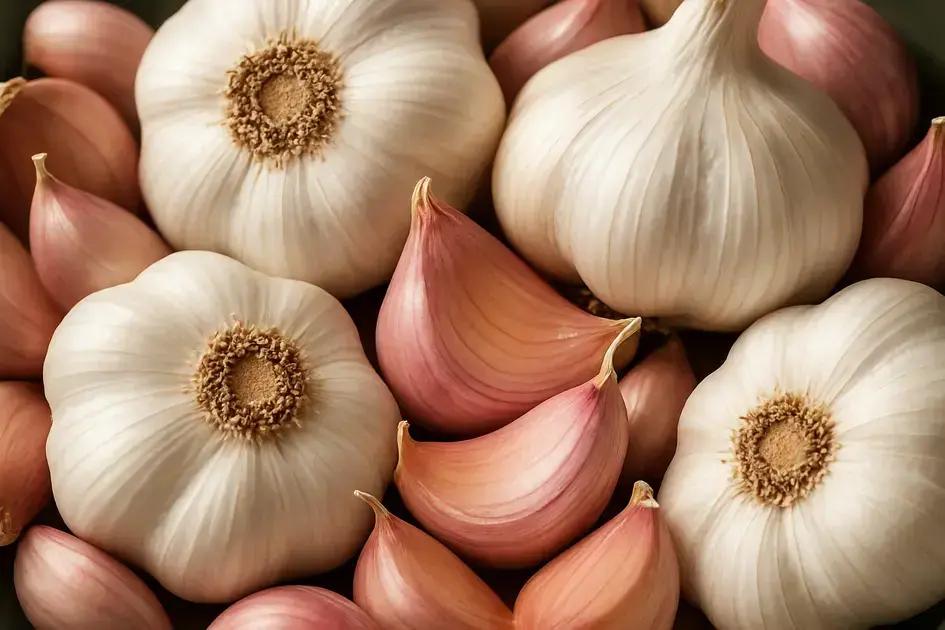
Garlic is often hailed as a superfood, particularly when it comes to liver health. This pungent bulb has numerous properties that make it a powerful ally for liver detoxification.
Rich in Allicin
Garlic contains a compound called allicin, which is known for its potent antioxidant properties. Allicin helps combat oxidative stress in the liver, protecting it from damage.
Enhances Detoxification
One of garlic’s most impressive benefits is its ability to enhance the liver’s detoxification processes. It stimulates liver enzymes that assist in flushing out toxins from the body, which is essential for maintaining a healthy liver.
Anti-Inflammatory Benefits
Garlic has strong anti-inflammatory properties that can help reduce liver inflammation. Chronic inflammation is a risk factor for liver disease, and regular garlic consumption may help mitigate this issue.
Supports Immune Function
Garlic is also known to bolster the immune system. A strong immune system plays a crucial role in liver health, as it can help fend off infections and support overall organ function.
Ways to Include Garlic
There are many ways to add garlic to your diet. It can be used in cooking, added to sauces, or consumed raw for maximum health benefits.
Olive oil and its health benefits
Olive oil is not just a flavorful addition to your meals; it is also known for its numerous health benefits, particularly for the liver. This oil is rich in monounsaturated fats and antioxidants that support liver function.
Heart-Healthy Fats
Olive oil is high in monounsaturated fatty acids, which can help reduce bad cholesterol levels. This, in turn, lowers the risk of liver-related issues, as a healthy heart and circulation promote better liver function.
Rich in Antioxidants
Extra virgin olive oil contains important antioxidants such as vitamin E and polyphenols. These antioxidants combat oxidative stress in the liver, helping to protect it from damage.
Anti-Inflammatory Benefits
The natural compounds in olive oil have anti-inflammatory properties. Chronic inflammation can harm the liver, and including olive oil in your diet can help reduce inflammation levels.
Supports Weight Management
Using olive oil as a primary fat source can support weight management. Maintaining a healthy weight is crucial for preventing fatty liver disease and other liver-related conditions.
Ways to Use Olive Oil
Incorporating olive oil into your diet is easy. It can be used in salad dressings, as a cooking oil, or drizzled over vegetables and fish for added flavor and health benefits.
Turmeric: the spice with liver benefits
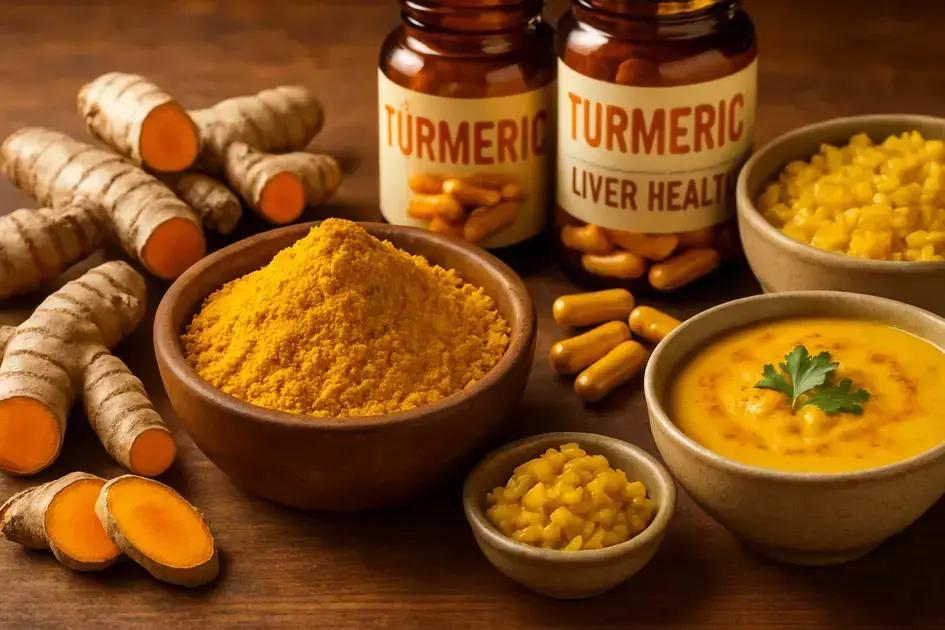
Turmeric is a golden spice that has gained attention for its numerous health benefits, particularly for the liver. This spice, commonly used in curry, contains a powerful compound called curcumin, which is responsible for many of its healing properties.
Anti-Inflammatory Properties
Curcumin is known for its strong anti-inflammatory effects. Chronic inflammation can lead to liver damage, and consuming turmeric can help reduce this inflammation, promoting healthier liver function.
Antioxidant Benefits
Turmeric is rich in antioxidants, which help combat oxidative stress in the liver. These antioxidants protect liver cells from damage caused by free radicals, supporting overall liver health.
Enhancing Detoxification
Turmeric has been shown to stimulate bile production in the liver. Bile is essential for detoxification as it helps eliminate toxins from the body, making turmeric a beneficial addition to a liver-friendly diet.
Supporting Healthy Liver Function
Regular intake of turmeric may improve liver function by increasing liver enzyme levels that are vital for detoxification processes. This can enhance the liver’s ability to process nutrients and eliminate waste.
Ways to Incorporate Turmeric
Turmeric can be easily added to your diet. It can be used in cooking, added to smoothies, or taken as a supplement to reap its health benefits.
Whole grains and liver health
Whole grains are a fantastic addition to any diet, providing numerous health benefits that support liver function. Unlike refined grains, whole grains retain their nutrient-rich bran and germ, making them better for your overall health.
High in Fiber
Whole grains are rich in dietary fiber, which is essential for healthy digestion. Fiber helps regulate bowel movements and promotes the efficient elimination of toxins, reducing the burden on the liver.
Supporting Metabolism
The nutrients found in whole grains can enhance metabolic processes that are crucial for liver health. Consuming these grains can help manage blood sugar levels and prevent insulin resistance, issues that are often linked to fatty liver disease.
Rich in Antioxidants
Whole grains are packed with antioxidants that help protect liver cells from damage caused by oxidative stress. These antioxidants play an important role in keeping the liver healthy and functioning optimally.
Improving Heart Health
A healthy heart supports a healthy liver. Whole grains, such as oats and brown rice, can help lower cholesterol and reduce the risk of heart disease, contributing to overall liver health.
Ways to Incorporate Whole Grains
Adding whole grains to your diet is easy. Replace white rice with brown rice, choose whole grain bread, or add quinoa and barley to salads for a nutritious boost.
How to incorporate these foods
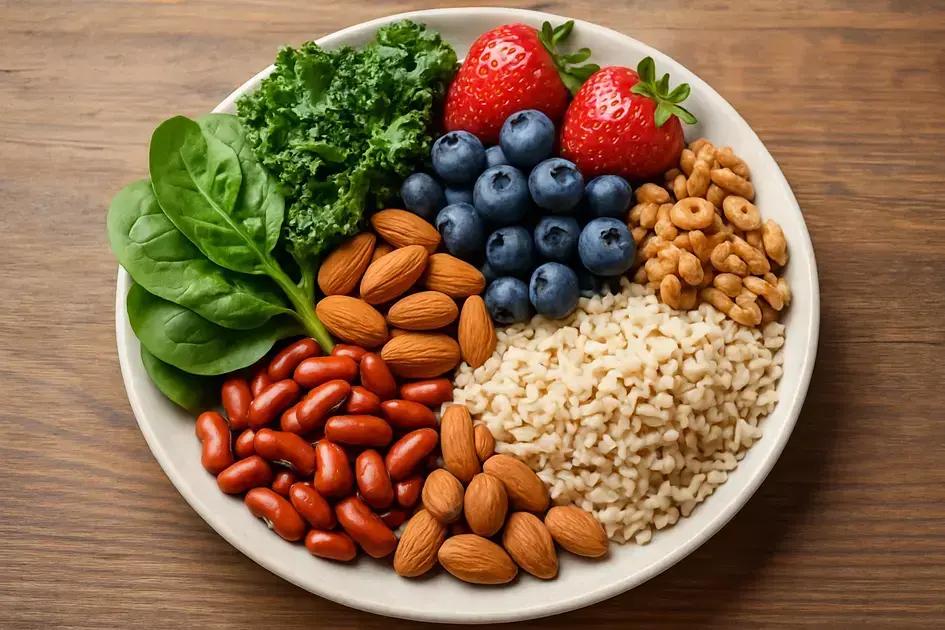
Incorporating liver-friendly foods into your diet can be simple and delicious. Here are some easy ways to include these nutrient-rich foods while maintaining a balanced diet.
Start Your Day with Smoothies
Begin your morning by blending leafy greens and berries into a smoothie. Adding a banana or some yogurt can enhance the flavor, making it a tasty, nutrient-packed breakfast.
Use Olive Oil as Your Main Cooking Oil
Replace butter or margarine with olive oil in your cooking. It can be drizzled over vegetables, used in salad dressings, or for sautéing meats and fish for healthier meals.
Include Nuts as Snacks
Keep a small bag of mixed nuts on hand for a quick snack. They are not only healthy but also satisfying, reducing the temptation for less nutritious options.
Opt for Whole Grains
Replace refined grains with whole grains in your meals. Use brown rice instead of white, choose whole grain bread, and try quinoa or barley as side dishes.
Experiment with Turmeric
Add turmeric to soups, stews, or curries. Its warm flavor pairs well with many dishes, and it can be sprinkled into your oatmeal or yogurt for an extra health boost.
Make a Colorful Salad
Combine a variety of vegetables, beans, and a handful of seeds to create a vibrant salad packed with liver-supporting nutrients. Toss with a dressing made of olive oil and lemon juice to enhance the taste.
Impact of hydration on liver function
Staying hydrated is essential for overall health, and it plays a crucial role in liver function. The liver is responsible for many bodily functions, and proper hydration helps it perform efficiently.
Importance of Water
Water helps the liver flush out toxins and waste products. When you are well-hydrated, your liver can efficiently process and eliminate these harmful substances from your body.
Aiding Digestion
Hydration is key for maintaining healthy digestion. It helps in the production of bile, which is necessary for breaking down fats. Without enough water, bile can become concentrated, making digestion less effective.
Preventing Fatty Liver Disease
Staying adequately hydrated can help prevent conditions like fatty liver disease. When the body is dehydrated, it may store fat in the liver, leading to health issues. Proper hydration can support fat metabolism.
Supporting Nutrient Absorption
Hydration ensures that nutrients are effectively absorbed in the intestines and transported to the liver. Proper hydration allows your body to utilize the nutrients you consume more effectively for liver health.
Signs of Dehydration
Common signs of dehydration include fatigue, dry mouth, and dark urine. Paying attention to these signs can help you maintain adequate hydration levels, which is important for liver function.
Lifestyle changes for a healthier liver
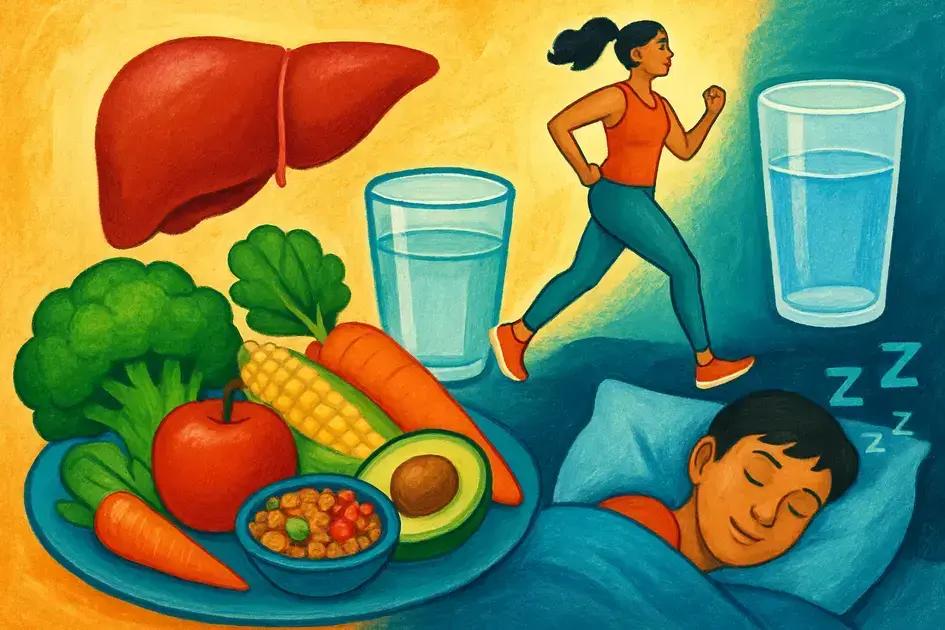
Making lifestyle changes can significantly improve liver health. Here are some practical tips to help support your liver through healthier habits.
Maintain a Balanced Diet
Focus on eating a diet rich in whole foods, including fruits, vegetables, whole grains, and lean proteins. This provides essential nutrients that support liver function and overall health.
Stay Active
Regular exercise helps maintain a healthy weight, reducing the risk of fatty liver disease. Aim for at least 150 minutes of moderate-intensity exercise, such as brisk walking or cycling, each week.
Limit Alcohol Consumption
Reducing alcohol intake is crucial for liver health. Excessive drinking can lead to liver damage, so try to limit alcohol consumption or abstain altogether for a healthier liver.
Hydrate Properly
Drinking plenty of water supports the liver’s detoxification processes. Aim for at least eight glasses of water a day to keep your body well-hydrated.
Avoid Processed Foods
Limit the intake of processed foods high in sugar, salt, and unhealthy fats. These foods can contribute to liver damage and weight gain, putting extra strain on your liver.
Get Adequate Sleep
Prioritize quality sleep to support overall health, including liver function. Aim for 7-9 hours of restful sleep each night to help the liver recover and regenerate.
Myths about liver health addressed
There are many myths surrounding liver health that can lead to confusion and misconceptions. Here, we address some common myths to help you better understand how to care for your liver.
Myth 1: Only Alcoholics Get Liver Disease
While excessive alcohol consumption is a significant risk factor, many people who develop liver disease do not drink heavily. Conditions like fatty liver disease can occur in individuals who have a normal alcohol intake, especially if they are overweight or have metabolic syndrome.
Myth 2: Liver Damage is Always Reversible
It is a misconception that all liver damage can be reversed. While early stages of liver disease, such as fatty liver, can often be improved with lifestyle changes, advanced liver damage, like cirrhosis, may not be fully reversible and can be life-threatening.
Myth 3: You Need to Detox Your Liver
The liver is a natural detoxifier that already processes toxins effectively. There is no need for special detox diets or cleanses; instead, maintaining a balanced diet and staying hydrated is sufficient for supporting liver health.
Myth 4: All Fats Are Bad for the Liver
Not all fats are harmful. Healthy fats, like those found in fatty fish and nuts, can actually support liver function. It’s the trans fats and excessive saturated fats that should be limited in the diet.
Myth 5: A Liver Health Test is Not Necessary if You Feel Fine
Many liver diseases do not show symptoms until they are advanced. Regular check-ups and liver function tests can identify problems early when treatment is more effective, making them essential even if you feel healthy.
In Conclusion: Prioritizing Liver Health
Your liver is essential for your overall health, and taking care of it should be a priority. By incorporating liver-friendly foods into your diet, staying hydrated, and making positive lifestyle changes, you can support your liver function.
Education is key; understanding the myths surrounding liver health can help you make informed choices. Regular check-ups can also catch potential issues early.
By prioritizing these habits, you can promote a healthier liver and overall well-being. Remember, what you eat and how you live matters for your liver health.
FAQ – Frequently Asked Questions About Liver Health
What are some foods that support liver health?
Foods like leafy greens, fatty fish, nuts, berries, and olive oil are known to support liver function and promote overall health.
How much water should I drink for liver health?
It’s generally recommended to drink at least eight glasses of water a day to stay hydrated and support liver detoxification processes.
Can I recover from liver damage?
Early stages of liver damage can often be reversed with lifestyle changes, but advanced damage like cirrhosis may not be fully reversible.
Is it necessary to get regular liver check-ups?
Yes, regular check-ups are important as many liver diseases do not present symptoms until they are advanced.
How does exercise affect liver health?
Regular exercise helps maintain a healthy weight, reduces fat in the liver, and improves overall liver function.
What are some common myths about liver health?
Common myths include the belief that only alcoholics get liver disease and that all liver damage can be reversed. Both of these are misconceptions.