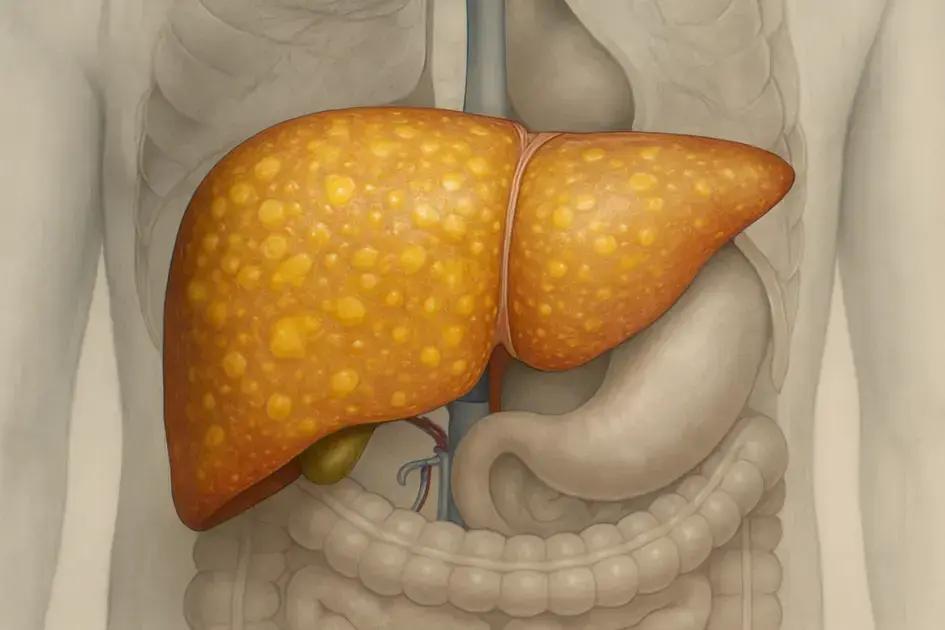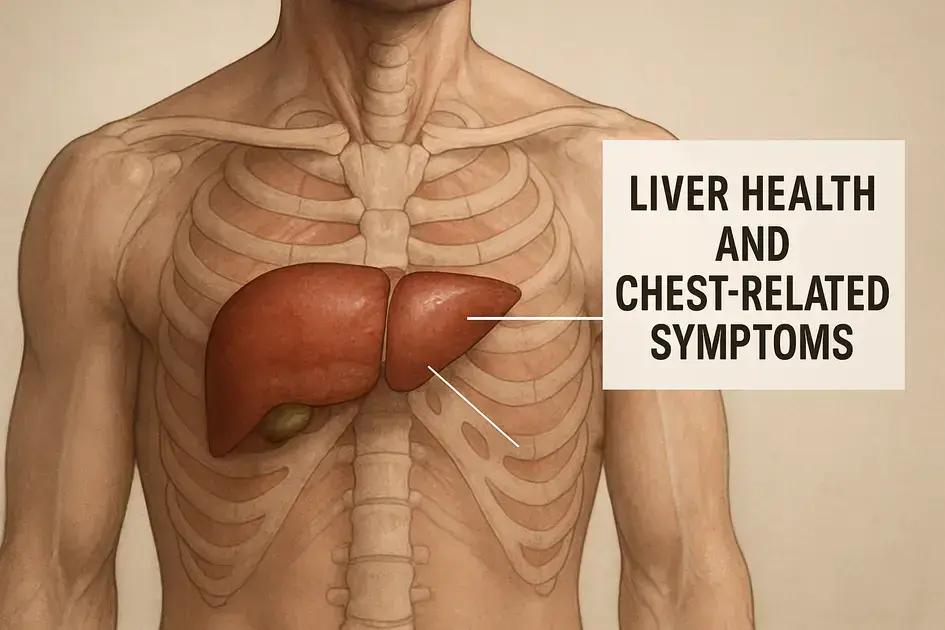
Liver disease can cause various symptoms such as fatigue, jaundice, and abdominal swelling, and untreated conditions can lead to serious complications like cirrhosis, liver cancer, and hepatic encephalopathy, making prompt diagnosis and management essential.

Can liver disease cause chest pain? This is a question many might ponder, especially if they experience discomfort. Let’s delve into how liver health could be affecting your chest and what symptoms to watch for.
Understanding liver disease and its symptoms
Understanding liver disease is crucial for maintaining overall health. The liver plays a vital role in various body functions, including digestion and detoxification. When the liver suffers damage or disease, it can affect other areas of the body, including the chest.
Common Symptoms of Liver Disease
People with liver disease may experience a range of symptoms. Some of the most common symptoms include:
- Fatigue: Individuals often feel tired throughout the day, even after adequate rest.
- Jaundice: This condition causes yellowing of the skin and eyes due to an accumulation of bilirubin.
- Abdominal pain: Discomfort may occur in the upper right side of the abdomen where the liver is located.
- Swelling: Fluid buildup can cause swelling in the abdomen and legs.
- Nausea and vomiting: These symptoms may occur due to changes in liver function.
Chest Pain Related to Liver Disease
Chest pain is not always directly linked to heart issues. In some cases, the discomfort can stem from liver conditions. For instance, liver enlargement or inflammation can press against neighboring organs, causing discomfort in the chest area. Additionally, conditions such as liver cirrhosis may lead to pressures that influence the heart and lungs.
It’s essential to listen to your body and recognize these warning signs. If you experience any of these symptoms, consulting a healthcare provider is recommended for a proper diagnosis and treatment plan.

The relationship between liver health and chest pain
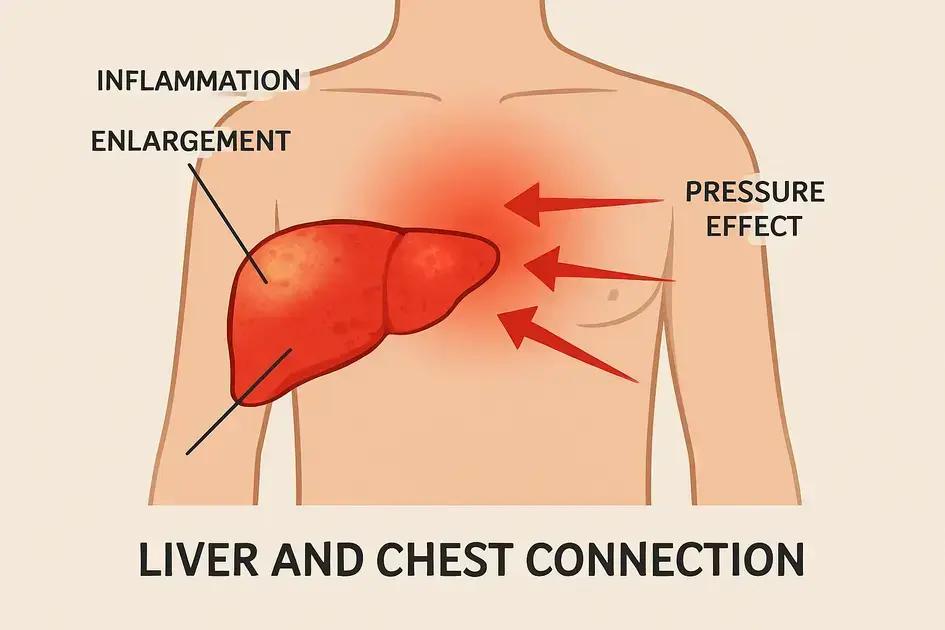
The relationship between liver health and chest pain is an important topic to understand. While many people associate chest pain with heart issues, it’s crucial to recognize that liver problems can also cause discomfort in the chest area.
How Liver Disease Affects the Chest
When the liver is not functioning correctly, it can lead to a range of symptoms that impact the entire body. For instance, liver inflammation or enlargement may create pressure against the diaphragm and other organs, resulting in sensation or discomfort in the chest. This can sometimes be mistaken for heart-related pain.
Common Liver Conditions and Their Symptoms
Several liver conditions might lead to chest pain, including:
- Cirrhosis: A late-stage scarring of the liver, which can cause abdominal swelling and pressure that radiates to the chest.
- Hepatitis: Inflammation of the liver, which may lead to a feeling of tightness or discomfort in the chest.
- Fatty liver disease: This condition can cause the liver to enlarge, putting pressure on surrounding organs.
Importance of Recognizing Symptoms
Recognizing the symptoms of liver disease can help in getting an accurate diagnosis. If you experience chest pain, along with symptoms such as fatigue, jaundice, or abdominal swelling, it may be worth discussing these with a healthcare provider. Early intervention can lead to better outcomes and relief from pain.
Common causes of chest pain linked to liver conditions
Chest pain can arise from various causes, and when it comes to liver conditions, understanding these common causes is essential. The liver, although located in the abdominal region, can influence sensations felt in the chest area.
1. Liver Enlargement
Liver enlargement, or hepatomegaly, can occur due to several factors such as alcohol abuse, fatty liver disease, or hepatitis. This swelling can exert pressure on surrounding organs, leading to discomfort or pain in the chest.

2. Cirrhosis
Cirrhosis is a significant liver condition characterized by scarring and impaired function. As the liver deteriorates, it may lead to fluid build-up in the abdomen, which can also create a sensation of pressure felt in the chest area.
3. Liver Inflammation
Hepatitis or liver inflammation can lead to pain that is often felt not just in the liver itself but may radiate to other areas, including the chest. This can result in discomfort and complicate diagnoses.
4. Gallbladder Issues
Since the gallbladder is closely related to liver function, conditions affecting it, such as gallstones or cholecystitis, can also lead to referred pain in the chest. This discomfort is often mistaken for heart-related issues.
5. Ascites
Ascites, or the accumulation of fluid in the abdominal cavity due to liver disease, can cause pressure on the diaphragm. This pressure can extend to the chest, resulting in a feeling of tightness or pain.
Being aware of these common causes of chest pain linked to liver conditions can help individuals seek timely medical intervention and better understand their symptoms.
Signs that liver disease may be affecting your chest
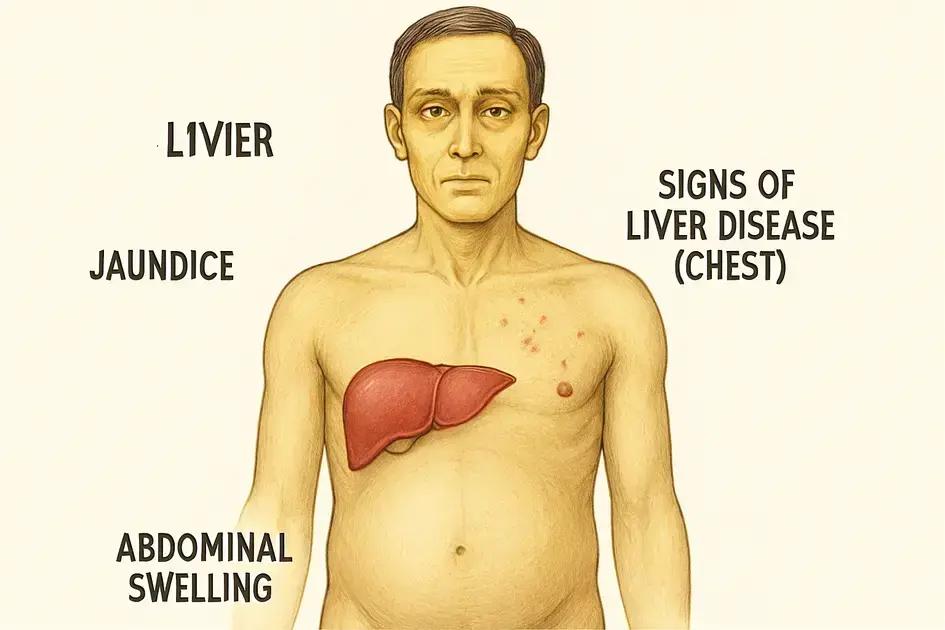

Recognizing the signs that liver disease may be affecting your chest is vital for early diagnosis and treatment. Although chest pain can have various causes, certain symptoms specifically linked to liver conditions should not be overlooked.
1. Persistent Chest Pain or Discomfort
Experiencing ongoing chest pain that does not align with typical heart-related issues could signal liver involvement. This discomfort might be due to liver enlargement or inflammation pressing against surrounding structures.
2. Abdominal Swelling
Swelling in the abdomen, known as ascites, often accompanies liver disease. This condition can create pressure on the diaphragm, leading to a sensation of tightness or pain in the chest area.
3. Fatigue and Weakness
Liver disease can result in extreme fatigue and overall weakness. These symptoms may coincide with chest discomfort as the body struggles with underlying liver issues.
4. Jaundice
Yellowing of the skin and eyes, known as jaundice, is a prominent sign of liver dysfunction. While it primarily indicates liver problems, it may also be associated with discomfort in the chest area.
5. Shortness of Breath
A feeling of breathlessness can occur when fluid accumulates in the abdomen, impacting the lungs. This can lead to sensations of chest pain or tightness, suggesting that liver disease could be a contributing factor.
Being aware of these signs is crucial for proactive health management. If you notice these symptoms, consider discussing them with a healthcare professional to explore the underlying causes.

How liver disease can mimic other health issues
Liver disease can often mimic other health issues, leading to confusion in diagnosis and treatment. Understanding how liver conditions can present symptoms similar to other diseases is important for recognizing when to seek medical attention.
1. Chest Pain and Heart Issues
Individuals with liver disease may experience chest pain that can easily be mistaken for heart-related problems. Conditions like cirrhosis or liver enlargement can cause pressure on nearby organs, resulting in discomfort that resembles angina.
2. Fatigue and Weakness
Chronic fatigue is common in liver disease but can also be attributed to other illnesses, such as depression or anemia. The fatigue associated with liver issues often persists despite adequate rest and may lead to misdiagnosis.
3. Digestive Problems
Many people with liver dysfunction experience digestive issues like nausea, bloating, and changes in appetite. These symptoms can easily be confused with gastrointestinal disorders such as irritable bowel syndrome or gastritis.
4. Jaundice and Skin Conditions
Jaundice, characterized by yellowing of the skin and eyes, is a clear sign of liver disease. However, it can also appear in conditions like hemolytic anemia. This overlap can lead to misinterpretation of symptoms.
5. Itching and Allergies
Persistent itching can occur with liver problems and may be mistakenly attributed to allergic reactions or skin conditions. The buildup of bile salts in the bloodstream, common in liver disease, can result in widespread itching.
Due to the overlapping symptoms of liver disease and other health issues, it is crucial to remain vigilant about your health. If multiple symptoms arise, consult a healthcare provider for appropriate diagnosis and care.
Importance of early diagnosis in liver-related pain
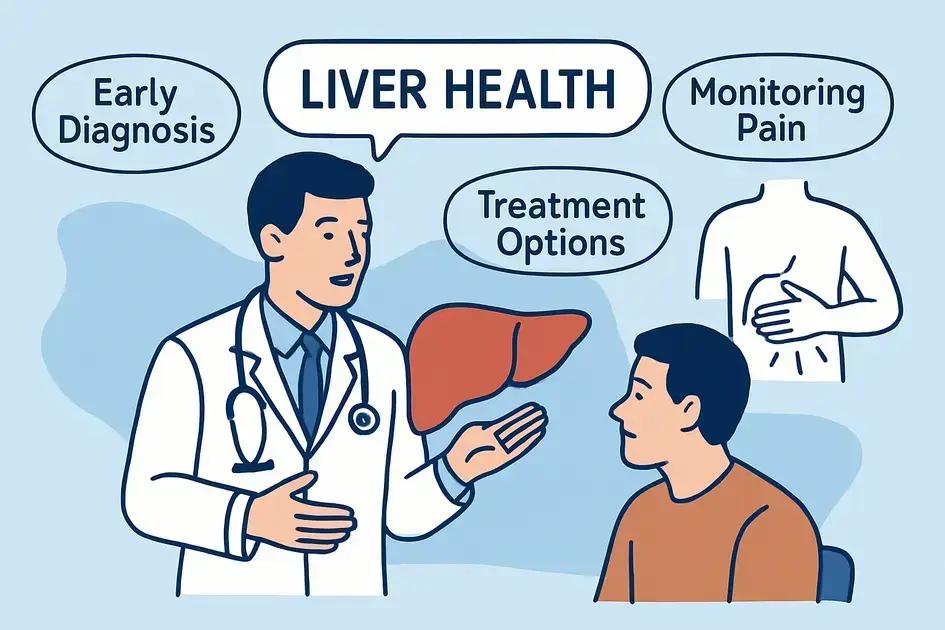
The importance of early diagnosis in liver-related pain cannot be overstated. Identifying liver issues before they progress can significantly impact treatment outcomes and overall health.
Rapid Progression of Liver Disease
Liver diseases, such as cirrhosis or hepatitis, can progress rapidly without noticeable symptoms in the early stages. By recognizing pain as a potential sign of liver problems, patients can seek medical advice sooner.
Preventing Complications
Early diagnosis allows for timely intervention, reducing the risk of severe complications. For example, untreated liver disease can lead to liver failure, which may necessitate a transplant. Early treatment can help manage the condition and prevent these outcomes.
Effective Treatment Options
When liver disease is identified early, there are often more treatment options available. Lifestyle changes, medications, or procedures can be considered before the disease becomes advanced. Early management can lead to better recovery rates and improved quality of life.
Monitoring and Management
Patients diagnosed early can benefit from a tailored management plan, which may include regular monitoring and follow-up appointments. This proactive approach helps in assessing the effectiveness of treatments and making necessary adjustments to the care plan.

Educating Patients
Education about the symptoms of liver disease is vital for early diagnosis. Patients should be aware of signs like abdominal pain, fatigue, and jaundice. By understanding these symptoms, individuals can advocate for their health and seek help promptly.
When to consult a doctor about chest pain
Knowing when to consult a doctor about chest pain is essential for protecting your health. While many people might experience occasional discomfort, specific warning signs should prompt immediate medical attention.
1. Sudden Onset of Severe Pain
If you experience a sudden and severe chest pain, it is crucial to seek help right away. This type of pain could indicate a serious condition, such as a heart attack or pulmonary embolism.
2. Pain Accompanied by Other Symptoms
Chest pain that comes with additional symptoms such as shortness of breath, sweating, nausea, or lightheadedness should not be ignored. These signs may point to a serious medical issue requiring immediate evaluation.
3. Persistent or Recurring Discomfort
If chest pain is persistent or keeps returning over days or weeks, it is wise to consult with a healthcare provider. This kind of pain may indicate ongoing issues that need to be addressed.
4. Pain That Disrupts Daily Activities
Chest pain that impairs your ability to perform daily activities or exercise can be a sign of underlying problems. If simple tasks feel challenging due to discomfort, seeing a医生 is advised.
5. History of Heart Problems
Individuals with a history of heart disease or other risk factors should be particularly vigilant. If chest pain occurs, even if mild, consulting a doctor is important for assessing any potential risks.
Being proactive and aware of when to seek medical advice regarding chest pain can significantly improve health outcomes. Don’t hesitate to reach out for help if you experience concerning symptoms.
Tests and examinations for liver health evaluation
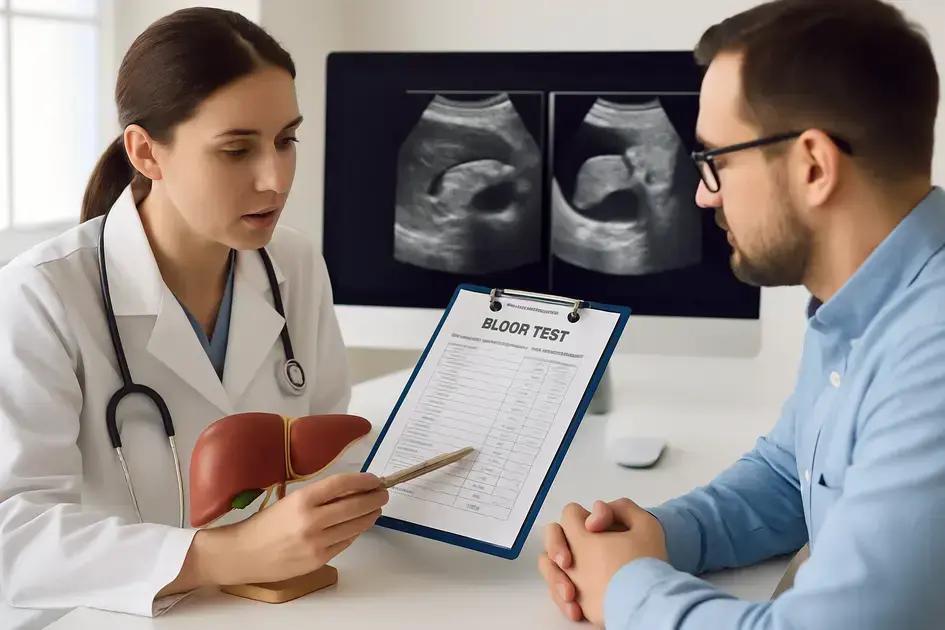
Evaluating liver health is crucial for diagnosing potential issues early. There are several tests and examinations that healthcare providers use to assess liver function and overall health.
1. Blood Tests
Blood tests, also known as liver function tests, measure the levels of various enzymes and proteins in the blood. Key tests include:
- Alanine aminotransferase (ALT): High levels may indicate liver damage.
- Aspartate aminotransferase (AST): This enzyme helps assess liver and heart health.
- Alkaline phosphatase (ALP): Elevated levels can indicate bile duct obstruction.
- Bilirubin: Increased levels may lead to jaundice and suggest liver dysfunction.
2. Imaging Studies
Imaging techniques are used to visualize the liver and detect abnormalities:
- Ultrasound: A non-invasive procedure that uses sound waves to create images of the liver.
- CT Scan: Offers detailed cross-sectional images of the liver and surrounding organs.
- MRI: Provides high-resolution images, helpful for detecting conditions like tumors.
3. Liver Biopsy
A liver biopsy involves taking a small sample of liver tissue for examination. This procedure helps determine the extent of liver damage and identify conditions like fibrosis or cirrhosis.
4. Endoscopy
Endoscopic examinations allow doctors to view the esophagus, stomach, and small intestines. This can help identify complications linked to liver disease, such as varices.
5. Other Tests
Additional tests, including genetic testing and specialized liver function tests, may also be utilized based on patient history and symptoms.
Regular evaluations of liver health through these tests can lead to timely interventions and improve long-term health outcomes.
Lifestyle changes for maintaining liver health
Making lifestyle changes is essential for maintaining liver health and preventing liver disease. Here are some key adjustments you can make to support your liver:
1. Healthy Diet
Eating a balanced diet rich in fruits, vegetables, whole grains, and lean proteins is crucial. Foods that are particularly beneficial for liver health include:
- Berries: High in antioxidants, they help protect the liver from damage.
- Leafy greens: These help reduce fat accumulation in the liver.
- Fish: Fatty fish, like salmon, are beneficial due to their omega-3 fatty acids.
2. Regular Exercise
Engaging in regular physical activity helps maintain a healthy weight, which is vital for liver health. Aim for at least 30 minutes of exercise most days of the week. Exercise can help lower liver fat and improve overall liver function.
3. Limit Alcohol Consumption
Excessive alcohol intake can lead to liver problems such as fatty liver disease, hepatitis, and cirrhosis. It’s advisable to limit alcohol consumption or avoid it altogether to protect your liver.
4. Stay Hydrated
Drinking plenty of water is essential for overall health and helps the liver function optimally. Aim for at least 8 glasses of water a day to stay hydrated.
5. Avoid Toxins
Exposure to harmful substances can damage liver cells. Reduce exposure to toxins in cleaning products, pesticides, and other chemicals. Opt for natural alternatives when possible.
6. Regular Check-ups
Routine medical check-ups can help monitor liver health. Regular blood tests can detect liver issues early, allowing for timely intervention.
By implementing these lifestyle changes and being proactive about liver health, you can significantly reduce the risk of liver disease and enhance your overall well-being.
Dietary recommendations for liver-friendly living
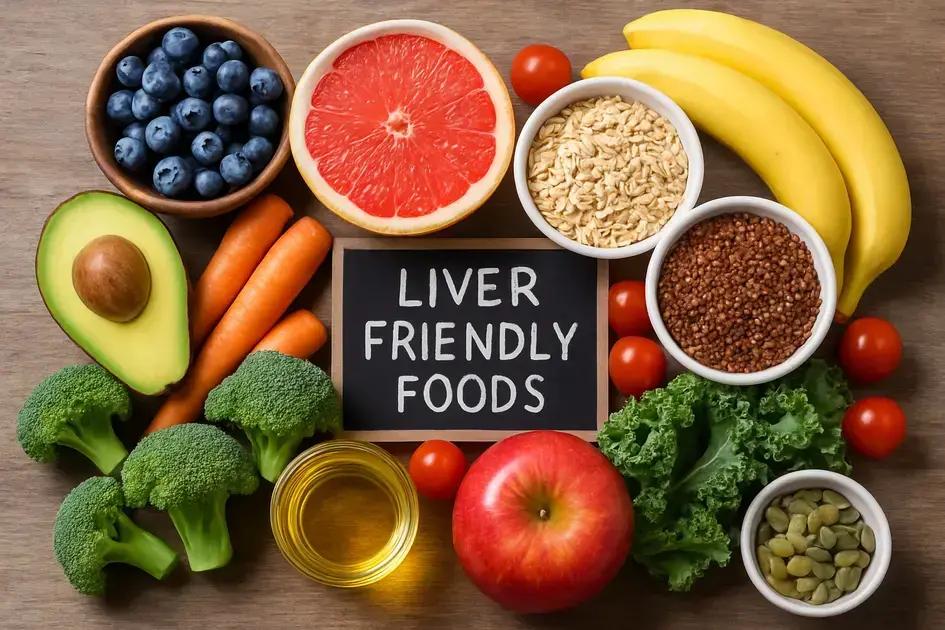
Following dietary recommendations is essential for maintaining a healthy liver and preventing liver disease. Here are key guidelines for liver-friendly living:
1. Focus on Whole Foods
Eat a diet rich in whole foods such as fruits, vegetables, whole grains, and lean proteins. These foods provide essential nutrients without added sugars and unhealthy fats.
2. Incorporate Healthy Fats
Include sources of healthy fats in your diet, such as avocados, nuts, seeds, and olive oil. These fats can help reduce inflammation and support liver function.
3. Limit Added Sugars
Reduce your intake of added sugars found in processed foods, sugary drinks, and snacks. High sugar consumption can lead to fat buildup in the liver, contributing to liver disease.
4. Stay Hydrated
Drink plenty of water throughout the day. Staying hydrated helps the liver flush out toxins and supports overall bodily functions. Aim for at least 8 cups of water daily.
5. Moderate Protein Intake
Choose lean protein sources such as fish, chicken, beans, and legumes. While protein is essential, excessive intake can strain the liver, so moderation is key.
6. Limit Alcohol Consumption
Alcohol can significantly impact liver health. If you choose to drink, do so in moderation or avoid alcohol entirely to protect your liver.
7. Avoid Processed Foods
Limit processed foods high in unhealthy fats, salt, and preservatives. These can increase the burden on the liver and contribute to health problems over time.
8. Consider Supplements
Some supplements, such as milk thistle or vitamin E, may support liver health. However, consult with a healthcare professional before adding any supplements to your diet.
By making these dietary adjustments, you can promote liver health and reduce the risk of liver diseases, leading to a healthier and more vibrant life.
Managing symptoms of liver disease and pain
Managing symptoms of liver disease and associated pain is crucial for improving quality of life. Here are effective strategies to help alleviate discomfort and support liver health:
1. Medication Management
Consult with a healthcare provider to determine appropriate medications that can help manage pain and other symptoms. Medications may include pain relievers or specific treatments for liver conditions.
2. Dietary Adjustments
Maintaining a liver-friendly diet can significantly help alleviate symptoms. Focus on whole foods, reducing the intake of fatty and processed foods. Incorporating more fruits, vegetables, and lean proteins can support overall liver health.
3. Hydration
Staying well-hydrated is essential for managing liver disease. Drinking plenty of water helps the liver function properly and aids in flushing out toxins from the body. Aim for at least 8 glasses of water daily.
4. Regular Exercise
Engaging in regular physical activity can help maintain a healthy weight and reduce liver fat. It can also improve overall well-being and alleviate feelings of fatigue, a common symptom of liver disease.
5. Pain Management Techniques
Explore various pain management techniques such as relaxation exercises, mindfulness, and gentle yoga. These practices can help reduce pain and improve overall mental health.
6. Routine Medical Check-ups
Regular visits to a healthcare provider can help monitor liver health and manage symptoms effectively. Follow-up appointments allow for adjustments to treatment plans as needed.
7. Avoid Alcohol and Toxins
Avoiding alcohol and exposure to toxins is vital for managing liver disease. Alcohol can worsen liver damage and increase discomfort, while toxins can put additional stress on the liver.
By implementing these management strategies, individuals with liver disease can experience relief from symptoms and improve their quality of life significantly.
Impact of liver disease on the body
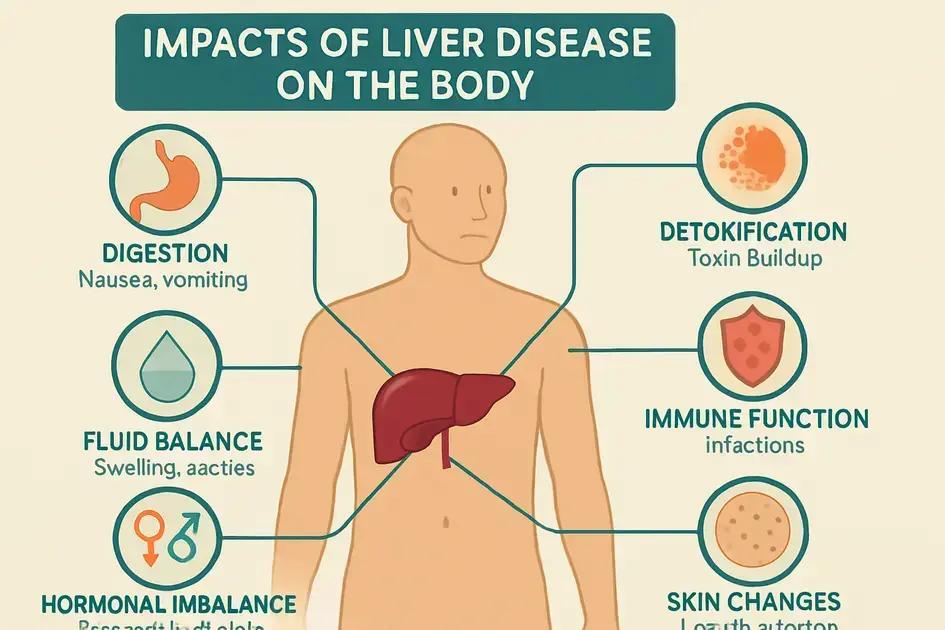
The impact of liver disease on the body can be significant and multifaceted. The liver plays a crucial role in various bodily functions, and when it is compromised, multiple systems may be affected.
1. Digestion and Nutrient Absorption
The liver is responsible for producing bile, which helps digest fats in the food we eat. Liver disease can lead to insufficient bile production, resulting in poor digestion and nutrient absorption, leading to deficiencies.
2. Metabolism
The liver is vital for metabolism, including the regulation of glucose, fats, and proteins. Liver disease can disrupt these processes, leading to issues such as low blood sugar (hypoglycemia) or high cholesterol levels.
3. Detoxification
The liver detoxifies harmful substances from the body. When liver function is impaired due to disease, toxins can build up in the bloodstream, affecting overall health and potentially leading to severe complications.
4. Immune Function
The liver plays a role in supporting the immune system. Conditions affecting the liver can weaken the body’s ability to fight infections, making individuals more susceptible to illnesses.
5. Fluid Balance
Liver disease can cause problems with fluid balance in the body. Conditions like cirrhosis can lead to swelling (edema) in the legs and abdomen due to fluid retention, which can cause discomfort and other complications.
6. Hormonal Imbalance
The liver also helps manage hormone levels in the body. Liver disease may disrupt hormonal balance, leading to symptoms such as fatigue, mood changes, or reproductive issues.
7. Skin Changes
Liver disease can result in noticeable changes to the skin, including jaundice (yellowing of the skin and eyes) and itchy skin due to bile salt accumulation. These symptoms can greatly affect a person’s quality of life.
Understanding the impact of liver disease on the entire body is crucial for recognizing symptoms and seeking timely medical intervention.
Preventive measures for liver disease
Implementing preventive measures for liver disease is essential for maintaining liver health and reducing the risk of serious conditions. Here are key strategies to consider:
1. Healthy Eating Habits
Adopt a diet that emphasizes whole foods, including plenty of fruits, vegetables, whole grains, and lean proteins. Reducing the consumption of processed foods, added sugars, and unhealthy fats can significantly affect liver health.
2. Regular Exercise
Engage in regular physical activity to maintain a healthy weight. Aim for at least 30 minutes of exercise most days of the week. Exercise helps to reduce liver fat and supports overall metabolic health.
3. Limit Alcohol Intake
Excessive alcohol consumption is a leading cause of liver disease. If you choose to drink, do so in moderation. Limiting alcohol can prevent liver damage and support long-term liver health.
4. Stay Hydrated
Drink plenty of water to keep your body hydrated. Adequate hydration supports optimal liver function and helps in detoxification processes.
5. Vaccinations
Stay updated on vaccinations that can protect the liver, such as those for hepatitis A and B. Vaccination is a key preventive measure against liver infections.
6. Avoid Toxins
Minimize exposure to harmful substances and toxins that can damage the liver. This includes avoiding certain chemicals found in cleaning products, pesticides, and other environmental pollutants.
7. Routine Medical Check-ups
Schedule regular check-ups with your healthcare provider to monitor liver health. Early detection of potential issues allows for timely intervention and effective management.
8. Manage Other Health Conditions
Control other health conditions, such as diabetes and high blood pressure, which can significantly impact liver health. Proper management can reduce risks associated with liver disease.
By adopting these preventive measures, you can significantly lower your risk of liver disease and promote overall health.
Exploring treatment options for liver conditions

When dealing with liver conditions, it is crucial to explore treatment options to manage symptoms and improve overall liver health. Here are some common approaches:
1. Lifestyle Changes
Making lifestyle changes is often the first step in treating liver conditions. This includes adopting a healthy diet, engaging in regular exercise, and avoiding alcohol and harmful substances.
2. Medications
There are various medications that can be prescribed depending on the specific liver condition. These may include:
- Antivirals: Used to treat viral hepatitis.
- Corticosteroids: Help reduce inflammation in autoimmune liver diseases.
- Ursodeoxycholic acid: Used for conditions like primary biliary cholangitis.
3. Regular Monitoring
For chronic liver conditions, regular monitoring through blood tests and imaging studies is essential. This helps assess liver function and detect any worsening of the condition.
4. Nutritional Support
Nutritional support plays a significant role. In some cases, dietary supplements or specialized diets may be recommended to support liver function and prevent malnutrition.
5. Surgical Options
In severe cases, surgical options may be necessary, such as liver transplantation for end-stage liver disease. This is typically considered when other treatments have failed.
6. Alternative Therapies
Some patients explore alternative therapies such as herbal remedies or acupuncture. However, it is important to consult a healthcare professional before starting any alternative treatments.
Working closely with healthcare providers to explore these treatment options can significantly improve management of liver conditions and enhance quality of life.
Understanding complications from untreated liver issues
Understanding the complications from untreated liver issues is essential for recognizing the importance of liver health. When liver problems are left unaddressed, they can lead to severe health consequences. Here are some potential complications:
1. Cirrhosis
Cirrhosis is the scarring of liver tissue due to long-term damage. This condition can lead to liver failure, significantly impacting overall health and body functions.
2. Liver Cancer
Untreated liver diseases can increase the risk of developing liver cancer, particularly in individuals with cirrhosis or chronic hepatitis. Early detection is crucial for better treatment outcomes.
3. Ascites
Ascites is the accumulation of fluid in the abdomen, often caused by cirrhosis. This condition can lead to severe discomfort and increases the risk of infections.
4. Hepatic Encephalopathy
This medical condition occurs when toxins build up in the brain due to poorly functioning liver. Symptoms can include confusion, altered consciousness, and mood swings. It requires immediate medical attention.
5. Varices
Varices are enlarged veins in the esophagus or stomach that can occur due to high blood pressure in liver blood vessels. If these veins rupture, they can result in life-threatening bleeding.
6. Kidney Failure
Liver disease can also affect kidney function. The condition known as hepatorenal syndrome can develop, leading to acute kidney failure in patients with advanced liver disease.
7. Infections
Individuals with untreated liver issues may be more susceptible to bacterial and viral infections due to a weakened immune system. Infections can complicate existing liver conditions further.
Recognizing the potential complications from untreated liver issues highlights the necessity of seeking timely medical care. Early intervention can significantly improve outcomes and quality of life.
Understanding Liver Health is Vital
Recognizing the importance of liver health is essential for overall well-being. The liver plays a major role in many bodily functions, and untreated liver issues can lead to serious complications.
By implementing preventive measures, like adopting a healthy diet, exercising regularly, and avoiding alcohol, you can significantly reduce your risk of liver disease. It’s also crucial to seek prompt medical attention if you experience symptoms or have concerns about your liver health.
Staying informed about treatment options and understanding the complications arising from liver disease can lead to better management and improved quality of life. Taking care of your liver is a key step toward maintaining your health and vitality.
FAQ – Frequently Asked Questions about Liver Health
What are the common symptoms of liver disease?
Common symptoms include fatigue, jaundice (yellowing of the skin and eyes), abdominal swelling, and unexplained weight loss.
How can I maintain good liver health?
You can maintain liver health by eating a balanced diet, exercising regularly, avoiding alcohol, and staying hydrated.
What are the potential complications of untreated liver disease?
Untreated liver disease can lead to complications like cirrhosis, liver failure, liver cancer, ascites, and hepatic encephalopathy.
How often should I get my liver checked?
It’s important to have regular check-ups, especially if you have risk factors for liver disease. Your doctor can recommend the right frequency based on your health.
Can lifestyle changes really impact liver health?
Yes, lifestyle changes like improving diet, increasing physical activity, and avoiding toxins can significantly improve liver health and prevent disease.
Are there any medications available for liver diseases?
Yes, there are various medications prescribed based on the specific liver condition, including antivirals for hepatitis and corticosteroids for inflammation.