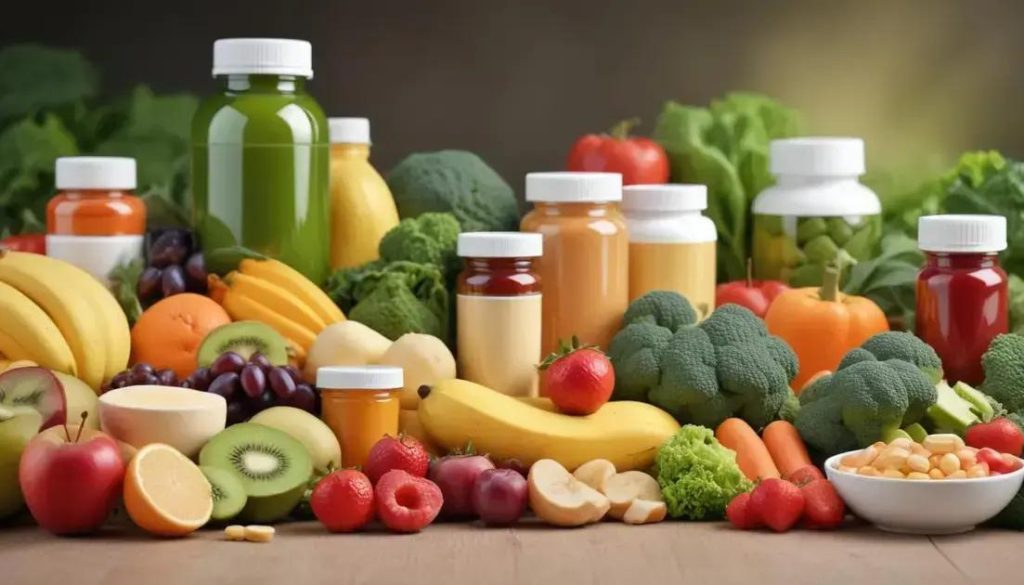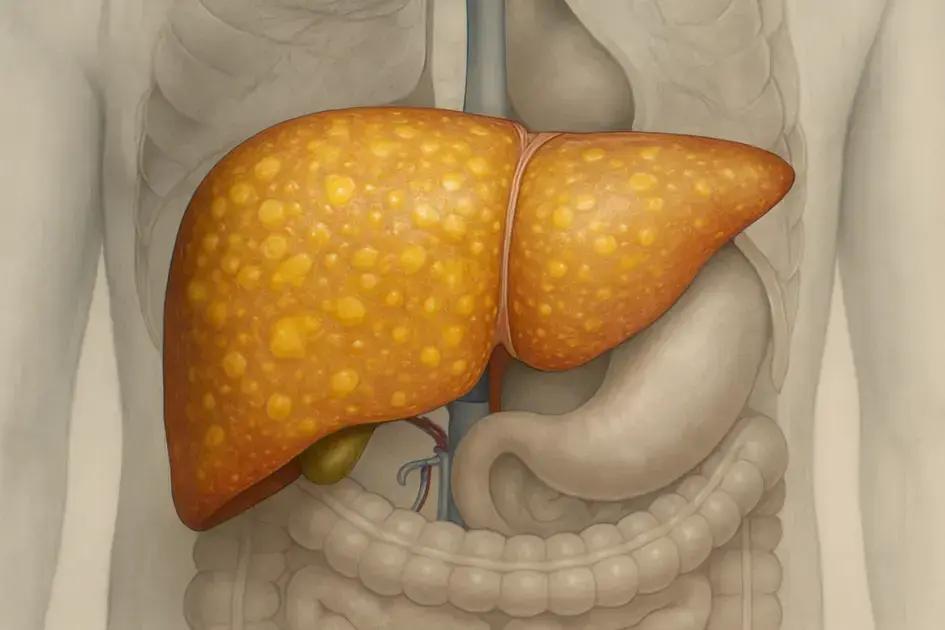
Improving liver health through diet involves consuming nutrient-rich whole foods, such as fruits, vegetables, whole grains, and lean proteins, while avoiding processed foods and excessive sugars to support liver function and reduce the risk of liver disease.

Have you ever thought about how your meals affect your liver? Improving liver health through diet can be easier than you might imagine. How to improve liver health through diet is a question many overlook, yet it plays a crucial role in our overall wellbeing. Let’s explore how simple dietary adjustments can lead to significant changes.
Understanding the liver’s role in health
The liver is a vital organ that plays a key role in maintaining overall health. It is responsible for detoxifying harmful substances from the body, producing essential proteins, and regulating metabolism.
Functions of the Liver
One of the primary functions of the liver is detoxification. It filters the blood and removes toxins, such as alcohol and drugs, ensuring they do not circulate in your body. This cleaning process is crucial for preventing illness.
Production of Proteins
The liver also produces important proteins, including those that help with blood clotting and support the immune system. This production is vital for healing wounds and fighting infections.
Metabolism Regulation
Moreover, the liver plays a significant role in regulating metabolism. It converts excess glucose into glycogen for storage and releases it into the bloodstream when energy is needed. This regulation helps maintain stable blood sugar levels.
Overall Health Impact
A healthy liver is essential for good health. It affects how well your body can use nutrients and fight off diseases. When the liver is not functioning properly, it can lead to serious health issues, highlighting the importance of taking care of this vital organ.
Importance of a balanced diet for liver function

A balanced diet is crucial for maintaining optimal liver function. What we eat directly affects how well our liver can perform its many roles, including detoxification, metabolism, and nutrient storage.
Key Nutrients for Liver Health
Essential nutrients such as vitamins, minerals, and healthy fats are vital for liver health. Antioxidants, found in fruits and vegetables, help protect the liver from damage caused by harmful substances. Foods rich in Omega-3 fatty acids, like fish and walnuts, can reduce inflammation and promote healthy liver function.
Role of Fiber
Fiber is another important aspect of a balanced diet. It aids digestion and helps the liver in its detoxification processes. Foods high in fiber, such as whole grains, legumes, and leafy greens, can help maintain a healthy weight, which is beneficial for liver health.
Avoiding Unhealthy Fats
Limiting saturated and trans fats is also essential. These unhealthy fats can lead to fatty liver disease, which can severely impact liver health. Instead, focus on sources of healthy fats like olive oil, avocados, and nuts.
Hydration Matters
Staying hydrated is vital for proper liver function. Water helps the liver flush out toxins, and good hydration can improve digestion. Aim for at least 8 glasses of water a day, and consider incorporating herbal teas that support liver health.
Foods to boost liver health
Eating the right foods is essential for boosting liver health. Certain foods can aid in detoxification, reduce inflammation, and support overall liver function. Here are some key foods to include in your diet.
Leafy Greens
Vegetables like spinach, kale, and arugula are rich in chlorophyll and antioxidants. These leafy greens help detoxify the liver by neutralizing harmful chemicals and promoting bile production.
Cruciferous Vegetables
Cruciferous vegetables such as broccoli, cauliflower, and Brussels sprouts contain compounds that help increase the liver’s natural detoxification enzymes. Eating these can enhance your liver’s ability to flush out toxins.
Fatty Fish
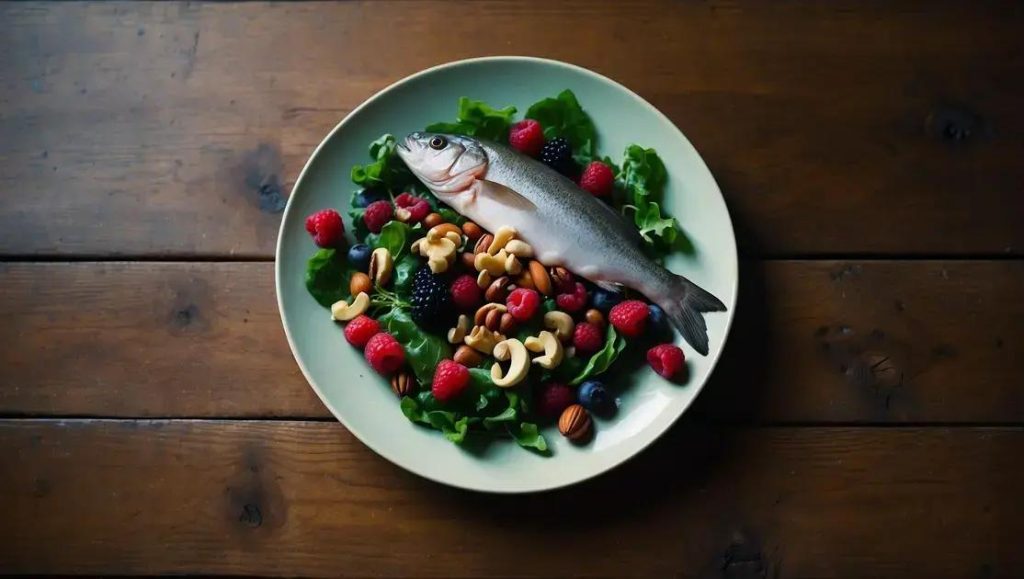
Fatty fish like salmon, mackerel, and sardines are high in Omega-3 fatty acids, which can reduce inflammation in the liver. Regular consumption of these fish can also help in managing fat levels in the liver.
Berries
Berries, particularly blueberries and raspberries, contain powerful antioxidants called polyphenols. These are beneficial for liver health as they help combat oxidative stress and reduce the risk of liver disease.
Garlic
Garlic is not only a flavorful ingredient but also a superfood for liver health. It contains sulfur compounds that activate liver enzymes responsible for flushing out toxins. Including garlic in daily meals can provide strong liver support.

Nuts
Walnuts and almonds are packed with healthy fats and are rich in vitamin E, which supports liver health by preventing fat buildup. They also contain amino acids that are important for detoxification.
Citrus Fruits
Citrus fruits like oranges, lemons, and grapefruits are high in vitamin C and antioxidants, which help the liver produce detoxifying enzymes. Regular consumption boosts liver health and enhances its cleansing abilities.
Diets that support liver detoxification

A diet that supports liver detoxification is essential for maintaining optimal liver health. Certain foods and eating patterns can enhance the liver’s ability to process and eliminate toxins. Here are some key diets and food choices to consider.
Cleansing Foods
Incorporating foods that promote cleansing can benefit liver detoxification. Foods like beets, artichokes, and cucumbers help support the liver’s natural detox processes. These foods are rich in antioxidants and facilitate the elimination of waste products.
Plant-Based Diet
A plant-based diet emphasizes fruits, vegetables, whole grains, and legumes. This type of diet is high in fiber and low in unhealthy fats, making it ideal for supporting liver function. The abundance of vitamins and minerals found in plant foods helps the liver perform its detoxification duties more efficiently.
Healthy Fats
Fats from sources like avocados, nuts, and olive oil can support liver health. These healthy fats provide essential fatty acids that help reduce inflammation and promote fat metabolism, which is important for liver detoxification.
Hydration
Staying hydrated is also crucial. Adequate water intake helps the liver flush out toxins. Aim to drink at least 8 glasses of water daily, and consider herbal teas such as dandelion or milk thistle that support liver function.
Intermittent Fasting
Intermittent fasting can help the liver detoxify by allowing it time to rest and recover. This practice can improve liver enzyme levels and support metabolic processes. It is essential to choose nutritious foods during eating periods to ensure the body has the necessary nutrients for detoxification.
The role of hydration in liver health
Proper hydration plays a crucial role in liver health. The liver is responsible for many functions, including detoxification, and adequate water intake supports these processes.
Flush Out Toxins
Water helps the liver flush out toxins and waste from the body. When adequately hydrated, the liver can work efficiently to metabolize substances and eliminate harmful components.
Maintain Metabolism
Hydration is vital for maintaining a healthy metabolism. The liver helps regulate blood sugar levels, and staying hydrated ensures it can perform this function effectively. A well-hydrated liver metabolizes carbohydrates, fats, and proteins more efficiently.
Supports Digestion
Water aids digestion by dissolving nutrients and facilitating their absorption. It also contributes to bile production, which is essential for fat digestion. A properly functioning digestive system reduces the strain on the liver.
Avoiding Dehydration
Dehydration can lead to increased levels of toxins in the body, which can put extra stress on the liver. It is essential to drink enough water daily—aim for at least 8 glasses—especially if you consume alcohol or engage in physical activity.
Herbal Teas
In addition to plain water, herbal teas can also support liver health. Teas such as dandelion root and milk thistle are known for their liver-supportive properties and can contribute to overall hydration.
Benefits of fiber for liver function
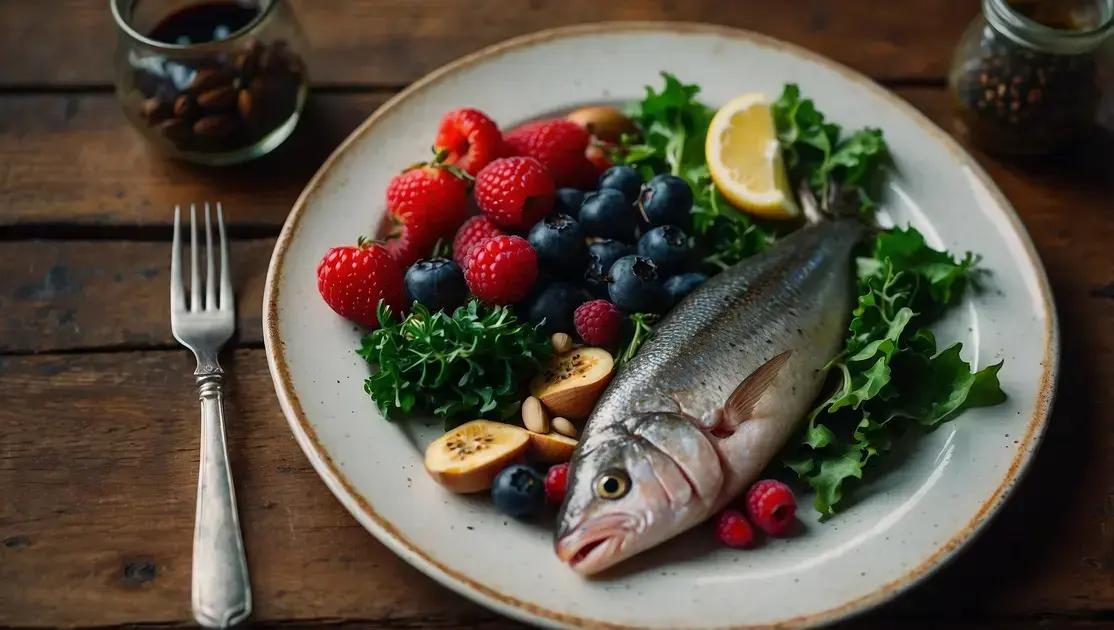
Fiber is an essential component of a healthy diet and plays a significant role in liver function. It supports detoxification processes and assists with various bodily functions that benefit the liver.
Promotes Healthy Digestion
Fiber aids in digestion by improving bowel regularity. This prevents constipation and ensures that waste is effectively eliminated from the body. A well-functioning digestive system reduces the burden on the liver by facilitating the removal of toxins.
Enhances Detoxification
The liver is responsible for detoxifying harmful substances. A high-fiber diet helps the liver in this process. Fiber binds to toxins and excess cholesterol in the gut, aiding in their removal before they can enter the bloodstream.
Helps Maintain Healthy Weight
Consuming sufficient fiber can help maintain a healthy weight. High-fiber foods tend to be more filling, which can prevent overeating. Maintaining a healthy weight is crucial for liver health, as excess body fat can lead to fat buildup in the liver.

Regulates Blood Sugar Levels
Fiber helps stabilize blood sugar levels by slowing down the absorption of sugar. Stable blood sugar is important for the liver, as it allows for better metabolism and reduces the risk of fatty liver disease.
Sources of Fiber
Incorporating foods rich in fiber is easy. Some excellent sources include fruits, vegetables, whole grains, legumes, and nuts. Aim for a variety of colorful fruits and veggies to get different types of fiber and nutrients.
Herbs and supplements for liver support
Herbs and supplements can offer significant support for liver health. Many plants and dietary additions have properties that help the liver detoxify and function optimally.
Milk Thistle
Milk thistle is one of the most well-known herbs for liver support. Its active compound, silymarin, has antioxidant and anti-inflammatory properties that can protect liver cells from toxins and promote regeneration.
Dandelion Root
Dandelion root is another beneficial herb. It stimulates bile production, which aids in fat digestion and helps detoxify the liver. It is also rich in antioxidants, promoting overall liver health.
Turmeric
Turmeric, with its active ingredient curcumin, has powerful anti-inflammatory properties. It supports liver detoxification and may help reduce the risk of liver disease. Adding turmeric to meals or taking it as a supplement can be beneficial.
Artichoke Extract
Artichoke extract is known to support liver health by promoting bile production and helping with the digestion of fats. It can also protect liver cells from damage and enhance overall liver function.
Green Tea
Green tea is rich in catechins, a type of antioxidant that has been shown to improve liver function and reduce fat accumulation in the liver. Drinking several cups of green tea daily can provide protective benefits for the liver.
Supplements
In addition to herbs, several dietary supplements can support liver health. These include N-acetylcysteine (NAC), which can help detoxify the liver, and omega-3 fatty acids, which can reduce inflammation. Always consult with a healthcare provider before starting any new supplements.
Reducing sugar intake for healthier liver

Reducing sugar intake is vital for maintaining liver health. Excessive sugar consumption can lead to fatty liver disease and other liver-related issues. Here are some key points to consider.
The Impact of Sugar on the Liver
When you eat sugar, especially in large amounts, your liver processes it. High sugar intake turns into fat, which can accumulate in the liver. This condition, known as fatty liver disease, can lead to serious health problems.
Types of Sugar to Limit
It’s essential to be aware of the types of sugar that can affect your liver health. Added sugars, found in soda, sweets, and processed foods, are particularly harmful. Even fructose, which comes from fruit juices, can contribute to liver fat if consumed in excess.
Smart Substitutions
You can reduce sugar by making smarter substitutions. For example, replace sugary drinks with water or herbal teas. Opt for natural sweeteners like stevia instead of refined sugars in baking.
Reading Labels
When shopping, read food labels to check for added sugars. Ingredients like corn syrup, cane sugar, and sucrose are common culprits. Being aware of these can help you avoid excessive sugar intake.
Finding Satisfaction in Whole Foods
Focus on whole foods like fruits, vegetables, whole grains, and lean proteins. These foods provide essential nutrients without the added sugars found in processed options. They can also help you feel satisfied without leading to liver issues.
The Benefits of Reducing Sugar
Reducing sugar intake can lead to improved liver function, lower risk of liver disease, and better overall health. It can also help manage weight and reduce inflammation in the body, further supporting liver health.
Impact of alcohol on liver health
Alcohol can have a significant impact on liver health. Consuming alcohol in moderation is key to avoiding various liver-related problems. Here are some crucial points to understand.
How Alcohol Affects the Liver
The liver is responsible for metabolizing alcohol. When you consume alcohol, the liver breaks it down into harmless substances. However, excessive alcohol consumption can overwhelm the liver, leading to damage over time.
Types of Liver Disease
Chronic drinking can cause several liver diseases, including alcoholic fatty liver disease, alcoholic hepatitis, and cirrhosis. These conditions can severely affect liver function and overall health.
Alcoholic Fatty Liver Disease
Alcoholic fatty liver disease occurs when fat builds up in liver cells due to high alcohol consumption. This condition often has no symptoms in the early stages, but it can progress to more severe liver damage.
Alcoholic Hepatitis
Alcoholic hepatitis is an inflammation of the liver caused by heavy drinking. Symptoms can include jaundice, nausea, and abdominal pain. If not addressed, this condition can lead to liver failure.
Cirrhosis
Cirrhosis is the scarring of the liver caused by long-term damage, including from alcohol misuse. As the liver becomes more scarred, its ability to function decreases, leading to serious health complications.
Moderation is Key
To protect liver health, it’s essential to consume alcohol in moderation. The Centers for Disease Control and Prevention (CDC) defines moderate drinking as up to one drink per day for women and up to two drinks per day for men.
Know Your Limits
Understanding your limits and recognizing the signs of alcohol-related problems can help maintain liver health. If you or someone you know struggles with alcohol use, seeking help and support is vital.
Cooking methods for maintaining liver health

The way you cook your food can significantly impact your liver health. Choosing the right cooking methods helps preserve nutrients and prevents harmful substances from forming. Here are some effective cooking methods to consider.
Steaming
Steaming is a healthy cooking method that retains the nutrients in vegetables and prevents the use of unhealthy fats. Foods cooked by steaming, such as broccoli and carrots, are flavorful and provide essential vitamins without added calories.
Baking
Baking is another excellent way to prepare meals without using excess oils. By using this method, you can prepare lean proteins like chicken or fish, along with vegetables, while maintaining their nutritional value and flavor.
Grilling
Grilling can enhance the flavor of foods without adding unhealthy fats. It allows excess fat to drip away from the food while keeping it tender. Choose whole food ingredients to make grilled meals even healthier.
Stir-Frying
Stir-frying involves cooking food quickly over high heat with a small amount of healthy oil. This method helps retain the colors, flavors, and nutrients of vegetables. Use olive or sesame oil for added health benefits.
Boiling
Boiling can be a quick cooking method, but be cautious. Some nutrients can be lost in the water. If you boil foods, consider using the leftover water in soups or sauces to retain the nutrients.
Avoid Deep-Frying
Avoid deep-frying foods as it adds unhealthy fats and extra calories. This method can lead to the formation of harmful compounds that can negatively affect liver health. Instead, opt for healthier cooking alternatives.
Focus on Whole Ingredients
Regardless of the cooking method you choose, focus on using whole, unprocessed ingredients. This can help eliminate harmful additives and support overall liver health while providing your body with necessary nutrients.
Avoiding processed foods and their effects
Avoiding processed foods is essential for maintaining overall health, including liver health. Processed foods often contain harmful additives, unhealthy fats, and excessive sugars that can negatively impact the liver.
Understanding Processed Foods
Processed foods are those that have been altered from their original form through methods like canning, freezing, or adding preservatives. Common examples include packaged snacks, sugary cereals, and ready-to-eat meals.
How Processed Foods Affect the Liver
Consuming a high amount of processed foods can lead to liver issues. These foods often contain trans fats and high levels of sugar, contributing to fat accumulation in the liver. Over time, this can result in conditions like fatty liver disease and inflammation.
Excess Sugar and Fat
Many processed foods are laden with added sugars and unhealthy fats. For instance, sugary drinks and snacks can lead to increased fat deposits in the liver. It’s important to read labels to identify hidden sugars and unhealthy fats.
Increased Risk of Chronic Diseases
A diet high in processed foods is linked to an increased risk of chronic diseases, such as heart disease and diabetes. These conditions can further strain liver health, making it essential to prioritize whole foods instead.
Choosing Whole Foods
Focus on consuming whole, unprocessed foods such as fruits, vegetables, whole grains, and lean proteins. These foods provide essential nutrients and promote better liver function. They also help keep the body free from harmful additives found in processed products.
Cooking at Home
Preparing meals at home allows you to control the ingredients and avoid processed options. This is a great way to ensure you are eating fresh and healthy foods that support liver health.
Understanding food intolerances and liver health

Understanding food intolerances is important for maintaining overall health and particularly for supporting liver health. Food intolerances can lead to various symptoms that may affect your liver’s ability to function properly.
What are Food Intolerances?
Food intolerances occur when the body has difficulty digesting certain foods. This can lead to discomfort, inflammation, and other reactions that can stress the liver. Common intolerances include lactose intolerance, gluten sensitivity, and reactions to certain food additives.
Impact on the Liver
When you consume foods that you are intolerant to, your body may respond with inflammation. This inflammation can impact liver function and contribute to conditions such as fatty liver disease. The liver is responsible for detoxifying substances in the body, including the byproducts of food intolerances.
Identifying Food Intolerances
Identifying food intolerances is key. Keeping a food diary can help you track what you eat and any symptoms you experience. Noting patterns can assist you and your healthcare provider in pinpointing specific intolerances.
Elimination Diets
One effective way to identify food intolerances is through an elimination diet. This involves removing suspected foods from your diet for a certain period and then gradually reintroducing them to observe any reactions. This can highlight specific triggers related to your liver health.
Consulting a Professional
If you suspect you have food intolerances, consider consulting with a healthcare professional or a registered dietitian. They can help you create an individualized plan to manage your diet and protect your liver.
Beneficial Foods
Incorporating foods that are gentle on the liver can also help. Focus on whole, unprocessed foods, such as fruits, vegetables, whole grains, and lean proteins. These foods can provide essential nutrients while reducing the risk of triggering intolerances.
Creating a balanced meal plan for liver support
Creating a balanced meal plan is crucial for supporting liver health. A well-structured diet can help the liver function optimally and reduce the risk of liver disease. Here are some essential components to consider when planning your meals.
Include a Variety of Foods
Incorporate a wide range of whole foods to ensure you receive all necessary nutrients. Include fruits, vegetables, whole grains, lean proteins, and healthy fats in your meal plan. This variety helps provide antioxidants and anti-inflammatory compounds that support liver health.
Focus on Lean Proteins
Lean proteins, such as chicken, fish, beans, and legumes, are essential for liver repair and regeneration. Ensure to include these in your daily meals to help maintain a healthy liver.
Add Lots of Fruits and Vegetables
Fruits and vegetables are rich in vitamins, minerals, and fiber, making them crucial for liver support. Aim for at least five servings a day of a colorful variety. Foods like leafy greens, berries, and citrus fruits are especially beneficial.
Choose Whole Grains
Include whole grains like brown rice, quinoa, and whole wheat bread in your meal plan. These grains provide essential fiber and nutrients that support digestion and liver function.
Healthy Fats are Important
Incorporate healthy fats from sources like avocados, nuts, and olive oil. These fats help reduce inflammation and support liver metabolism. Avoid trans fats and excessive saturated fats, which can harm liver health.
Watch Portion Sizes
Paying attention to portion sizes is important for maintaining a healthy weight. Weight management plays a crucial role in liver health. Use smaller plates to help control portions, and listen to your body’s hunger cues.
Stay Hydrated
Water is essential for liver function. Aim to drink plenty of water throughout the day to stay hydrated. Herbal teas like dandelion or green tea can also provide benefits for liver health.
Monitoring liver health through diet

Monitoring liver health through diet is essential for preventing liver disease and maintaining overall wellness. Your food choices can greatly impact the liver’s functions, and being mindful of your diet helps promote liver health.
Importance of Nutrient Intake
A balanced diet rich in nutrients helps support liver functions. Essential nutrients include vitamins, minerals, and antioxidants. Foods like fruits, vegetables, and whole grains should be central to your diet, providing necessary components for liver health.
Regular Check-Ups
To monitor liver health effectively, regular check-ups with healthcare professionals are crucial. Blood tests can assess liver enzyme levels and overall function. These results can guide dietary choices and highlight necessary adjustments.
Keeping a Food Diary
Maintaining a food diary can help track what you eat and identify foods that may negatively affect your liver. Note any symptoms you experience after meals to spot potential food intolerances or sensitivities.
Hydration Matters
Staying hydrated is vital for liver health. Make sure to drink plenty of water throughout the day. A well-hydrated body supports the liver’s ability to filter toxins and aids digestion.
Limit Alcohol and Sugars
Limiting alcohol intake and added sugars is essential. Both can lead to liver damage and should be monitored closely. Focus on consuming healthier beverages and choose natural sweeteners over refined sugars.
Identifying Problematic Foods
Some foods may adversely affect liver health, such as fried foods, processed snacks, and excess red meat. Watch for any reactions to specific foods and consider reducing or eliminating them from your diet.
Consult a Dietitian
Consulting with a registered dietitian can aid in creating a personalized meal plan that supports liver health. They can provide guidance on monitoring dietary intake, ensuring you meet your nutritional needs.
Consulting with healthcare professionals about diet
Consulting with healthcare professionals about diet is a vital step in maintaining liver health. These experts can provide personalized advice tailored to your specific needs and health conditions.
Importance of Professional Guidance
Healthcare professionals, such as registered dietitians and nutritionists, can help you understand the best dietary choices for supporting liver function. They consider your health history, lifestyle, and preferences when crafting dietary recommendations.
Assessing Nutritional Needs
During consultations, professionals assess your individual nutritional needs. This may include evaluating your current diet, identifying any deficiencies, and suggesting necessary adjustments to promote liver health.
Creating a Personalized Meal Plan
A registered dietitian can help you create a personalized meal plan that aligns with your health goals. This plan may include foods that support liver detoxification and avoid harmful substances that could strain liver function.
Addressing Specific Health Concerns
If you have specific health concerns, such as diabetes or fatty liver disease, consulting a healthcare professional is essential. They can offer guidance on managing these conditions through diet while supporting liver health.
Staying Informed
Healthcare professionals can provide the latest information on trends and evidence-based practices in nutrition. They ensure that you are making informed choices that positively affect your liver and overall health.
Regular Follow-Ups
Regular follow-up appointments with your healthcare professional are important. These sessions can help track your progress, make adjustments to your meal plan, and ensure you stay on the right path for optimal liver health.
In summary, how to improve liver health through diet
Maintaining liver health is essential for overall well-being, and diet plays a crucial role in this process. By focusing on whole foods, reducing processed sugars and unhealthy fats, and integrating a variety of nutrients, you can support your liver effectively.
Consulting with healthcare professionals can provide personalized guidance on what to include in your diet and how to monitor your liver health. Remember to stay hydrated, and consider your individual needs when making dietary choices.
By taking these steps, you can promote better liver function, reduce the risk of liver disease, and enjoy a healthier life.
FAQ – Frequently Asked Questions about Improving Liver Health through Diet
How can diet impact my liver health?
Diet plays a critical role in liver health. Eating whole, nutrient-rich foods can support liver function, while processed foods and excess sugars can lead to liver damage.
What are some foods I should include for liver support?
Incorporate fruits, vegetables, whole grains, lean proteins, and healthy fats into your diet. Foods like leafy greens, berries, and fatty fish are particularly beneficial.
How can I identify food intolerances that may affect my liver?
Keep a food diary to track what you eat and any symptoms you may experience. An elimination diet can also help identify problematic foods.
Why is consulting with a healthcare professional important?
Healthcare professionals can provide personalized dietary advice, assess your nutritional needs, and help you create a meal plan that supports liver health.
How often should I monitor my liver health?
Regular check-ups with your healthcare provider are important. Blood tests can assess liver function and identify issues early.
What cooking methods are best for liver health?
Opt for cooking methods like steaming, baking, and grilling. These methods preserve nutrients and minimize the use of unhealthy fats.