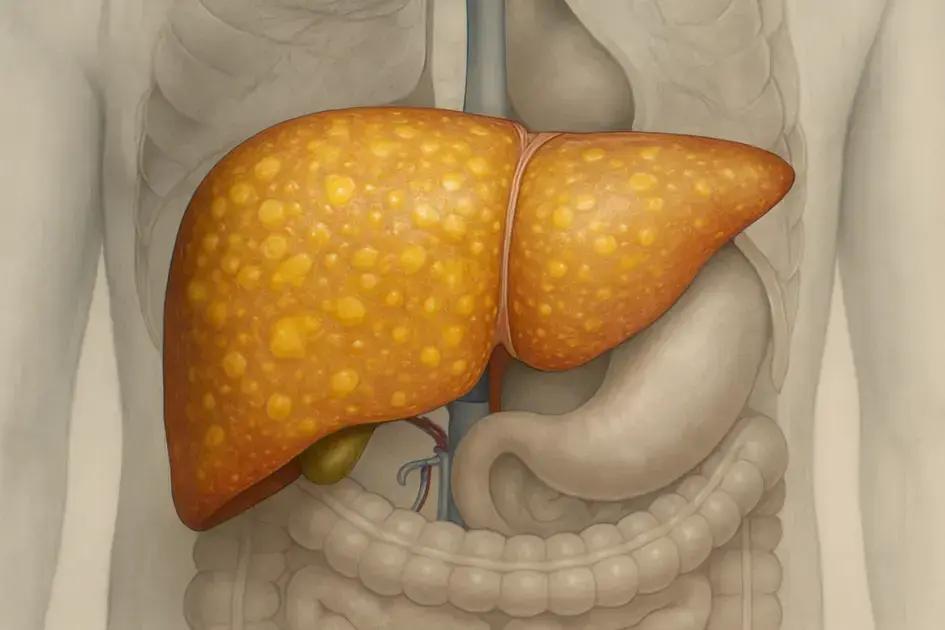
Supplements for kidney and liver health can enhance organ function, support nutrient absorption, and prevent chronic diseases, but it’s crucial to consult a healthcare provider for personalized recommendations and to monitor potential side effects.

Supplements for kidney and liver health are becoming increasingly popular as people seek ways to enhance their overall well-being. Have you thought about how the right supplements can support your body’s essential functions?
Understanding kidney and liver health
Understanding kidney and liver health is vital for overall well-being. The kidneys and liver play crucial roles in filtering toxins and maintaining homeostasis in the body. Kidneys are responsible for filtering waste products from the blood, while the liver helps in metabolizing nutrients, detoxifying harmful substances, and producing essential proteins.
Functions of the Kidneys
The kidneys filter blood to produce urine, which removes waste and excess substances from the body. They also help regulate blood pressure and electrolyte balance. When kidney health declines, it can lead to serious complications, including kidney disease.
Functions of the Liver
The liver has several vital functions, including processing and storing nutrients from food. It also detoxifies harmful substances and produces bile to aid digestion. Poor liver health can result in liver disease, impacting the body’s ability to function properly.
Maintaining Kidney and Liver Health
To support kidney and liver health, it is essential to maintain a balanced diet, stay hydrated, and exercise regularly. Limiting alcohol intake and avoiding excessive use of over-the-counter medications, particularly nonsteroidal anti-inflammatory drugs (NSAIDs), can also protect these organs.

The role of supplements in organ function

Supplements play a significant role in supporting organ function, particularly for the kidneys and liver. These organs perform vital functions that keep the body healthy, and specific supplements can help enhance their performance and protect against damage.
How Supplements Support Kidney Health
Kidney function can be supported through various supplements. For example, Omega-3 fatty acids are known to reduce inflammation, which can be beneficial for kidney health. Additionally, Coenzyme Q10 has been shown to support mitochondrial function in kidney cells.
Supplements for Liver Function
The liver can benefit from supplements such as milk thistle, which contains silymarin, a compound that may help protect liver cells from damage. Another important supplement is N-acetylcysteine (NAC), known for its ability to boost glutathione levels, a powerful antioxidant that plays a crucial role in liver detoxification.
Importance of Vitamins and Minerals
Essential vitamins and minerals are also critical for optimal organ function. Vitamin D helps in calcium metabolism, which is vital for kidney function, while Vitamin E acts as an antioxidant, protecting the liver from oxidative stress.
Consultation and Individual Needs
It is essential to consult with a healthcare professional before starting any supplement regimen. An individualized approach based on health needs can ensure that the right supplements are chosen to support kidney and liver health.
Top supplements for kidney health
When it comes to maintaining kidney health, certain supplements can provide essential support. Here are some of the top supplements that may promote kidney function and overall wellness.

1. Omega-3 Fatty Acids
Omega-3 fatty acids, found in fish oil, have anti-inflammatory properties that can help reduce inflammation in the kidneys. These essential fats are beneficial for overall cardiovascular health as well.
2. Coenzyme Q10
Coenzyme Q10 is a powerful antioxidant that supports energy production in kidney cells. It may help improve kidney function and reduce the risk of dialysis in those with kidney disease.
3. Vitamin D
Vitamin D is essential for maintaining healthy bones and may play a role in kidney function. People with kidney problems often have low levels of vitamin D, making supplementation crucial.
4. N-Acetylcysteine (NAC)
N-Acetylcysteine is known for its ability to boost glutathione, an important antioxidant in the body. It helps protect the kidneys from oxidative stress and may improve kidney function in those with chronic kidney disease.
5. L-Carnitine
L-Carnitine is a supplement that aids in energy production and is believed to have protective effects on kidney cells. It may help improve kidney function while reducing waste accumulation.
6. Herbal Supplements
Herbal remedies such as nettle leaf and dandelion root are thought to promote kidney health by enhancing urinary flow and supporting detoxification processes.
Always consult a healthcare professional before starting any new supplements to ensure they are appropriate for your individual health needs.
Essential nutrients for liver support

Supporting liver health is crucial for overall wellness, and certain essential nutrients play a significant role in maintaining liver function. Here are some key nutrients that help promote liver health.
1. Omega-3 Fatty Acids
Omega-3 fatty acids are known for their anti-inflammatory properties. They help reduce liver fat accumulation, which can be essential for preventing fatty liver disease.
2. Vitamin E
Vitamin E acts as a powerful antioxidant, protecting liver cells from oxidative stress. This nutrient may also improve liver function and reduce liver inflammation in individuals with chronic liver diseases.
3. B Vitamins
The B vitamins, especially B12, B6, and folate, are important for liver health. They help in the metabolism of fats, proteins, and carbohydrates, allowing the liver to perform its detoxification processes effectively.
4. Choline
Choline is an essential nutrient that supports liver function by assisting in fat metabolism. It helps prevent fat buildup in the liver and is important for overall liver health.

5. Antioxidants
Antioxidants, such as selenium and glutathione, are vital for liver health. They help neutralize harmful free radicals, promoting liver repair and detoxification.
6. Turmeric
Turmeric contains curcumin, which has anti-inflammatory and antioxidant properties. It is known to support liver detoxification and may help improve liver function.
Incorporating these essential nutrients into your diet can significantly benefit liver health. Always check with a healthcare provider before adding new supplements to your routine.
How antioxidants aid kidney and liver health
Antioxidants play a crucial role in maintaining kidney and liver health by protecting these organs from oxidative stress and inflammation. Here’s how antioxidants support these vital organs.
1. Reducing Oxidative Stress
Oxidative stress occurs when there is an imbalance between free radicals and antioxidants in the body. Antioxidants neutralize harmful free radicals, which can damage kidney and liver cells. This protective effect helps maintain organ function.
2. Supporting Detoxification
The liver is a primary detoxification organ, and antioxidants such as glutathione play a vital role in this process. They help the liver process and eliminate toxins, reducing the burden on the organ and preventing damage.

3. Preventing Inflammation
Chronic inflammation can lead to serious conditions affecting the kidneys and liver. Antioxidants help reduce inflammation, thereby lowering the risk of diseases such as fatty liver and chronic kidney disease.
4. Improving Overall Function
Research shows that antioxidants can improve overall kidney and liver function. For example, vitamin E and vitamin C have been shown to enhance organ performance and may even help reverse early signs of organ disease.
5. Sources of Antioxidants
To boost your intake of antioxidants, include a variety of fruits and vegetables in your diet, such as berries, spinach, and citrus fruits. Additionally, supplements like N-acetylcysteine can also provide antioxidant support.
Incorporating antioxidants into your lifestyle is a simple yet effective way to support kidney and liver health.
Herbal supplements for liver detoxification

Herbal supplements can play an important role in liver detoxification, helping to cleanse and support the liver’s natural functions. Here are some effective herbal options to consider.
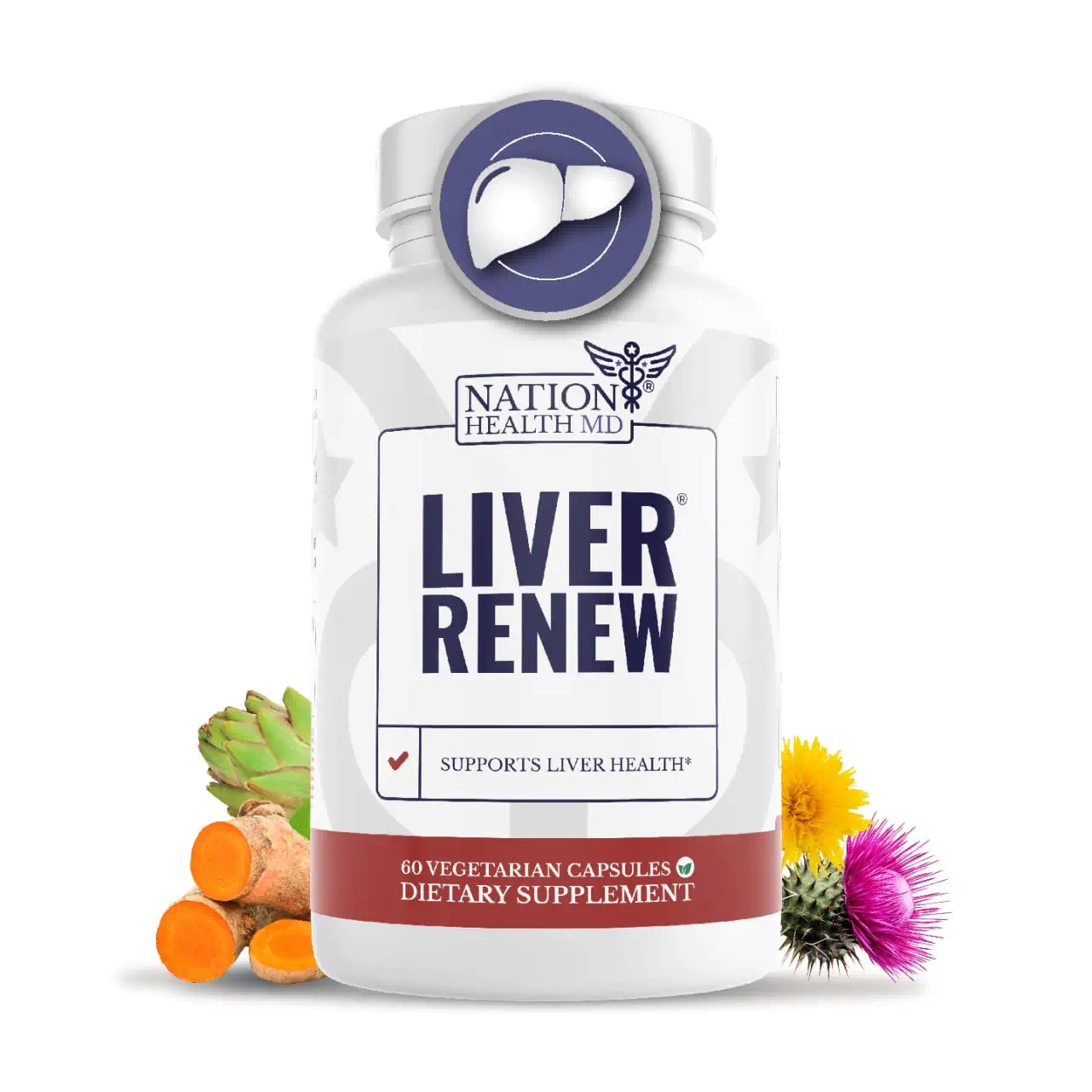
1. Milk Thistle
Milk thistle is one of the most well-known herbs for liver health. It contains silymarin, which has antioxidant properties that help protect liver cells from damage and aid in detoxification processes.
2. Dandelion Root
Dandelion root is often used to enhance liver detoxification. It promotes bile production, which is essential for breaking down fats and removing toxins from the liver.
3. Turmeric
Turmeric contains curcumin, an active compound known for its anti-inflammatory and antioxidant benefits. It supports liver health by helping to detoxify and protect the liver from harmful substances.
4. Artichoke Extract
Artichoke extract has been shown to stimulate bile flow, which improves digestion and aids in detoxifying the liver. It may also help reduce symptoms of liver-related diseases.
5. Burdock Root
Burdock root is a strong detoxifier that can help cleanse the liver and improve overall liver function. It is rich in antioxidants, which contribute to liver health.
6. Schisandra Berry
Schisandra berry is known for its rejuvenating properties. It has been used in traditional medicine to increase liver function and protect against liver damage.
When considering herbal supplements for liver detoxification, it is best to consult a healthcare provider to ensure they fit your health goals and needs.
Minerals essential for kidney function
Minerals are vital for maintaining overall health, and they play a critical role in kidney function. Here are some essential minerals that support the kidneys:
1. Potassium
Potassium helps regulate fluid balance and is crucial for proper kidney function. It aids in muscle contractions and nerve signals. However, those with kidney issues should monitor potassium intake closely.
2. Calcium
Calcium is important for maintaining bone health and helps the kidneys filter blood. It also plays a role in preventing kidney stones when calcium intake is balanced.
3. Magnesium
Magnesium supports numerous bodily functions, including muscle and nerve function. It helps the kidneys process and eliminate toxins, playing a protective role against kidney disease.
4. Phosphorus
Phosphorus works together with calcium to maintain healthy bones. Proper phosphorus levels are important for kidney health, as excessive phosphorus can lead to complications.
5. Sodium
Sodium is necessary for fluid balance, but excessive intake can strain the kidneys. Managing sodium levels is crucial for individuals with kidney conditions.
6. Iron
Iron is essential for producing red blood cells. It helps prevent anemia, which is common in individuals with kidney disease. Adequate iron levels support overall kidney function.
Incorporating a balanced diet rich in these minerals can help maintain kidney health. Always consult with a healthcare professional to determine the right mineral intake for your needs.
Vitamins beneficial for liver health

Vitamins play an essential role in maintaining liver health and supporting its various functions. Here are some key vitamins that are particularly beneficial for the liver:
1. Vitamin A
Vitamin A is vital for liver function and plays a role in maintaining healthy liver cells. It helps protect the liver from damage caused by toxins.
2. Vitamin B Complex
The B vitamins (B1, B2, B3, B6, B12, and folate) are essential for metabolic processes in the liver. They help in the metabolism of fats, proteins, and carbohydrates, contributing to overall liver function.
3. Vitamin C
Vitamin C is a powerful antioxidant that helps protect liver cells from oxidative stress. It supports the body’s detoxification processes and aids in the synthesis of collagen, important for liver health.
4. Vitamin D
Vitamin D helps regulate calcium levels and plays a role in the immune function of the liver. Adequate levels of vitamin D can help protect against liver diseases.
5. Vitamin E
Vitamin E acts as a strong antioxidant and has anti-inflammatory properties. It has been shown to improve liver health and may help prevent fatty liver disease.
6. Choline
Choline is a nutrient often grouped with the B vitamins. It is important for fat metabolism and helps prevent fat accumulation in the liver, supporting its function and health.
Incorporating foods rich in these vitamins can significantly benefit liver health. Always consult with a healthcare professional before starting any new supplements to ensure they fit your health needs.
Evaluating supplement quality and safety
When considering supplements for kidney and liver health, it is crucial to evaluate their quality and safety. Here are important factors to consider:
1. Look for Third-Party Testing
Reputable supplements often undergo third-party testing. This means an independent organization has verified the product’s ingredients and quality. Look for certifications from organizations like NSF International or ConsumerLab.
2. Check for Ingredient Transparency
A high-quality supplement should clearly list all its ingredients on the label, including any fillers or additives. Avoid products with vague terms like “proprietary blends,” as they can hide potentially harmful components.
3. Research the Manufacturer
Choose supplements from well-known and reputable manufacturers. Research their history, practices, and any customer reviews. Reliable companies often provide information about their manufacturing processes and ingredient sourcing.
4. Consult Health Professionals
Before starting any new supplement, consult with a healthcare professional, particularly if you have existing health conditions. They can help ensure the supplement is safe and appropriate for your specific needs.
5. Be Aware of Possible Side Effects
Some supplements may interact with medications or cause side effects. Always read the warnings and consult with a professional if you have concerns about potential reactions.
6. Look for Clinical Research
Supplements backed by clinical research or studies tend to be more reliable. Look for products that reference scientific studies supporting their benefits and effectiveness.
By taking these steps, you can make informed decisions and choose safe and effective supplements that support your kidney and liver health.
Dosage recommendations for kidney and liver supplements

When considering kidney and liver supplements, it is essential to follow proper dosage recommendations to ensure safety and effectiveness. Here are key points to consider:
1. Consult with a Healthcare Professional
Always consult a healthcare provider before starting any supplement. They can recommend appropriate dosages based on your individual health needs and conditions.
2. Follow Manufacturer’s Guidelines
Each supplement product should have a label with dosage instructions. Always adhere to the recommended daily intake suggested by the manufacturer. Avoid exceeding this amount without professional advice.
3. Consider Age and Weight
Your age and body weight can influence the proper dosage of supplements. Generally, adults may require different dosages compared to children. Adjustments may also be necessary for those with specific health conditions.
4. Monitor Your Health
While taking supplements, monitor your body’s response. If you notice any adverse effects, consult your healthcare provider immediately. They may recommend adjusting the dosage or discontinuing use.
5. Timing and Frequency
Pay attention to the timing of when you take your supplements. Some may be more effective when taken with food, while others are best absorbed on an empty stomach. Follow the instructions on the label for the best results.
6. Possible Interactions
Be aware of any potential interactions between supplements and medications you are currently taking. Some supplements can interfere with medication metabolism or effectiveness. Discuss these interactions with your healthcare provider.
By adhering to proper dosage recommendations and consulting with a professional, you can safely incorporate kidney and liver supplements into your health regimen.
Potential side effects of supplements
While supplements can provide benefits for kidney and liver health, it is important to be aware of their potential side effects. Here are some common side effects to consider:
1. Gastrointestinal Issues
Many supplements can cause stomach discomfort, nausea, or diarrhea. For example, fish oil can lead to bloating, while some herbal supplements may irritate the digestive system.
2. Allergic Reactions
Some individuals may experience allergic reactions to certain supplement ingredients. Symptoms can include rash, itching, or swelling, particularly with herbal products like st. john’s wort or echinacea.
3. Interactions with Medications
Supplements can interact negatively with prescription medications. For instance, grapefruit can affect the metabolism of several drugs, while vitamin K can interfere with blood thinners.
4. Hormonal Effects
Some supplements may influence hormone levels. For example, herbal products like fenugreek might affect hormone balance, leading to unexpected changes in mood or physical symptoms.
5. Overdose Risks
Taking supplements in excessive amounts can lead to toxicity. Vitamins such as A and D are fat-soluble, meaning they can accumulate in the body and cause serious health issues if taken in large doses.
6. Complications in Pre-existing Conditions
Individuals with certain health conditions should approach supplements with caution. For instance, those with kidney disease may need to avoid high-potassium supplements and consult their doctor before taking any new product.
To ensure safety, it is crucial to discuss any supplements with a healthcare provider, particularly if you have existing health issues or are taking other medications.
Lifestyle changes for better organ health

Making lifestyle changes is crucial for improving overall organ health, especially for the kidneys and liver. Here are some key changes you can implement:
1. Maintain a Balanced Diet
Eating a well-balanced diet rich in fruits, vegetables, whole grains, and lean proteins can benefit your organs. Limit processed foods, sugar, and unhealthy fats to reduce the burden on your liver and kidneys.
2. Stay Hydrated
Drinking plenty of water is essential for kidney health. It helps flush out toxins and prevents kidney stones. Aim for at least 8-10 glasses of water a day, but adjust according to your activity level and climate.
3. Regular Exercise
Engaging in regular physical activity helps support liver and kidney function. Aim for at least 150 minutes of moderate exercise each week. Activities like walking, swimming, and cycling can boost overall health and improve circulation.
4. Avoid Alcohol
Limiting alcohol consumption is vital for maintaining liver health. Excessive alcohol can lead to liver damage and diseases. If you drink, do so in moderation.
5. Manage Stress
Chronic stress can negatively impact your organs. Practices like yoga, meditation, and mindfulness can help reduce stress levels and promote better health.
6. Get Adequate Sleep
Aim for 7-9 hours of quality sleep each night. Proper sleep is essential for recovery and organ function. Lack of sleep can impair liver function and overall health.
7. Avoid Smoking
Smoking can harm your liver and kidneys, leading to various health issues. Quitting smoking not only benefits these organs but also improves overall health.
By making these lifestyle changes, you can significantly improve the health of your liver and kidneys, leading to better overall well-being.
Integrating supplements with diet
Integrating supplements with a healthy diet can enhance their effectiveness and support kidney and liver health. Here are some key strategies for doing this:
1. Select Quality Supplements
Choose high-quality supplements that are well-researched and suited to your health needs. Look for products that are tested for purity and potency, ensuring they complement your diet effectively.
2. Pair Supplements with Food
Taking supplements with meals can improve absorption. For example, fat-soluble vitamins like A, D, E, and K are better absorbed when taken with healthy fats. Incorporate foods like avocados, nuts, or olive oil when taking these vitamins.
3. Balance Nutrient Intake
Ensure that your diet is balanced with a variety of nutrients. For example, while taking a vitamin D supplement, include foods rich in calcium, like dairy or leafy greens, to support bone health.
4. Stay Hydrated
Drinking plenty of water is essential when taking supplements, especially for kidney health. Adequate hydration helps the kidneys filter waste efficiently and supports the absorption of nutrients.
5. Monitor Your Diet
Keep a food diary to track what you eat and the supplements you take. This can help you identify any gaps in nutrition and adjust your diet accordingly. Consulting with a nutritionist can also provide personalized guidance.
6. Avoid Over-Supplementation
Be cautious not to exceed recommended daily values for vitamins and minerals, as this can lead to toxic effects. Always balance supplements with whole foods to prevent overdosing on specific nutrients.
7. Consult a Healthcare Provider
Before making any significant changes to your diet or supplement routine, consult a healthcare professional. They can provide advice tailored to your specific health conditions and dietary needs.
With mindful integration of supplements and a healthy diet, you can enhance your overall well-being and support your kidneys and liver more effectively.
Consulting healthcare professionals

Consulting healthcare professionals is a vital step in managing health, particularly when considering supplements for kidney and liver health. Here are key points to keep in mind:
1. Personalized Advice
Every individual’s health needs are different. A healthcare professional can provide personalized recommendations based on your medical history, lifestyle, and current health conditions.
2. Understanding Interactions
Professional guidance can help you understand potential interactions between supplements and medications you may already be taking. This is crucial to avoid adverse effects on your health.
3. Dosage Guidance
A healthcare provider can advise on the proper dosage for different supplements tailored to your specific needs. They can ensure that you are taking the right amount to maximize benefits while minimizing risks.
4. Monitoring Health
Regular check-ups with a healthcare professional can help monitor your overall health and the effectiveness of any supplements you are taking. This is important for making informed adjustments if necessary.
5. Support for Existing Conditions
If you have pre-existing conditions, such as kidney disease or liver dysfunction, consulting a professional is essential. They can provide recommendations that specifically support your condition and suggest appropriate supplements.
6. Nutritional Guidance
Healthcare professionals can help you develop a comprehensive nutritional plan that incorporates both a healthy diet and beneficial supplements, ensuring that you get the necessary nutrients for optimal organ health.
Engaging with healthcare professionals not only enhances your knowledge but also empowers you to make informed decisions about your health journey.
Long-term benefits of proper supplementation
Proper supplementation can lead to numerous long-term benefits for kidney and liver health. Here are some key advantages:
1. Enhanced Organ Function
Long-term use of appropriate supplements can help maintain optimal organ function. For instance, antioxidants support liver detoxification, while certain minerals such as potassium can keep kidney functions running smoothly.
2. Prevention of Chronic Diseases
Regular supplementation can help prevent chronic diseases associated with poor organ health. For example, taking necessary vitamins and minerals may reduce the risk of developing conditions like fatty liver disease or chronic kidney disease.
3. Improved Nutrient Absorption
Supplements can aid in nutrient absorption from food. For instance, digestive enzymes can help break down food more efficiently, allowing the body to absorb nutrients better over time.
4. Boosted Immune System
Adequate levels of vitamins, such as vitamin C and E, can strengthen the immune system. This is crucial for overall health as a strong immune system helps the body fight off illnesses and diseases effectively.
5. Better Energy Levels
Proper supplementation can lead to increased energy levels. Nutrients such as B vitamins and iron are essential for energy production. Regularly obtaining these nutrients can reduce fatigue and improve quality of life.
6. Support for Healthy Aging
As we age, the body’s ability to absorb nutrients decreases. Supplements can provide support by compensating for these deficiencies, promoting healthy aging and reducing the risk of age-related organ dysfunction.
7. Long-term Health Confidence
Knowing that you are taking steps to support kidney and liver health through supplementation can lead to increased confidence in your overall well-being. This mental aspect is just as important for sustaining a healthy lifestyle.
Incorporating the right supplements as part of a long-term health strategy can have profound benefits for kidney and liver health, enhancing both physical and mental well-being.
In Conclusion: Supporting Kidney and Liver Health
Taking care of your kidney and liver health is vital for overall well-being. By integrating proper supplements into your diet, you can boost organ function and help prevent chronic diseases.
Consulting healthcare professionals and making informed lifestyle changes will further enhance your health journey. Remember to monitor your intake and be aware of potential side effects to ensure safety.
With the right approach, you can enjoy the long-term benefits of maintaining healthy kidneys and liver, leading to a more vibrant and energetic life.
FAQ – Frequently Asked Questions about Kidney and Liver Health Supplements
What are the key benefits of taking supplements for kidney and liver health?
Supplements can enhance organ function, prevent chronic diseases, and improve nutrient absorption while supporting overall health.
How do I know which supplements are right for me?
Consulting with a healthcare professional is crucial. They can provide personalized recommendations based on your health needs and conditions.
Can supplements interact with medications I’m currently taking?
Yes, some supplements can interact with medications, affecting their effectiveness. Always discuss your supplements with your healthcare provider.
Are there any side effects associated with kidney and liver supplements?
Possible side effects may include gastrointestinal issues, allergic reactions, and interactions with existing medications. Monitoring your health is essential.
How can lifestyle changes improve kidney and liver health?
Eating a balanced diet, staying hydrated, exercising regularly, and avoiding alcohol can significantly support the health of your kidneys and liver.
What should I do if I experience side effects from a supplement?
If you notice any adverse effects, discontinue use and consult your healthcare provider for guidance on the best course of action.