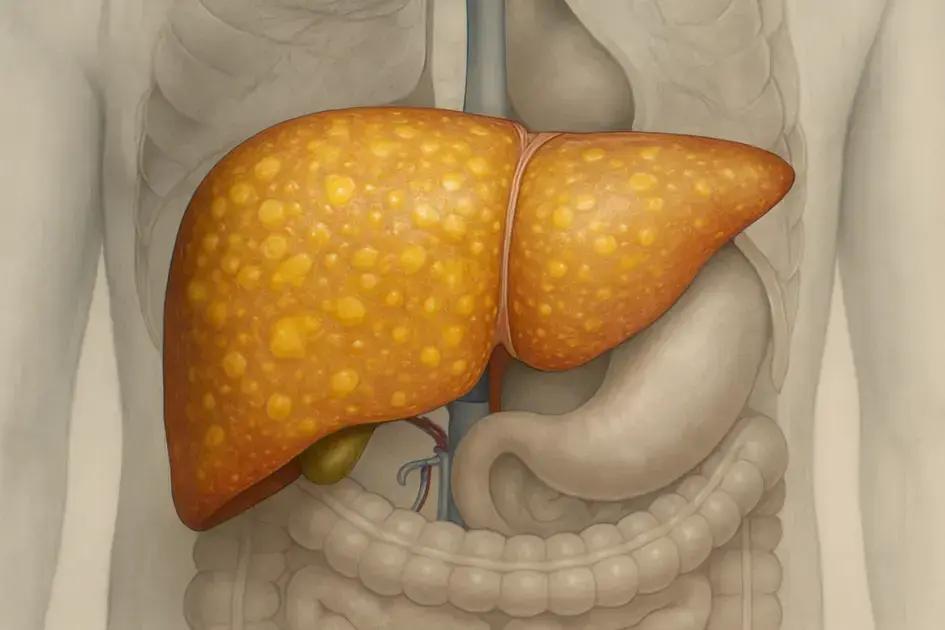
Improving liver health involves maintaining a balanced diet, staying hydrated, exercising regularly, limiting alcohol intake, and ensuring adequate sleep to support liver function and overall well-being.

How to improve liver health goes beyond just eating certain foods; it’s about embracing a holistic approach to wellness. Ever considered how your daily habits influence your liver? Let’s dive into some practical strategies that make a real difference.
Understanding liver health
Understanding liver health is essential for overall well-being. The liver plays a vital role in various bodily functions, including detoxification, metabolism, and nutrient storage. It processes what you eat and drink, helping to filter harmful substances from your blood.
Functions of the Liver
The liver is responsible for various important functions. It produces bile, which is necessary for digesting fats. Additionally, it regulates blood sugar levels by converting excess glucose into glycogen for storage. This organ also aids in producing proteins that are critical for blood clotting and other functions.
Factors Affecting Liver Health
Many factors can influence liver health, such as diet, exercise, and alcohol consumption. A diet high in saturated fats, sugars, and processed foods can lead to fatty liver disease. Regular physical activity, on the other hand, can enhance liver function and support weight loss.
Signs of Liver Problems
Pay attention to signs that may indicate an issue with your liver. Symptoms like fatigue, jaundice (yellowing of the skin and eyes), dark urine, and abdominal pain can all signal liver concerns. Early detection is key to preventing more serious conditions.
Importance of Regular Check-Ups
Regular health check-ups are crucial for monitoring liver function, especially if you have risk factors like obesity, diabetes, or a family history of liver disease. Blood tests can help assess liver enzymes and other indicators of liver health.
The role of diet in liver health

The role of diet in maintaining liver health cannot be overstated. A well-balanced diet supports the liver’s ability to carry out its essential functions effectively. It helps in metabolism, detoxification, and nutrient storage.
Importance of a Balanced Diet
A balanced diet rich in fruits, vegetables, whole grains, and lean proteins provides the necessary nutrients for liver function. Foods high in antioxidants, such as berries and leafy greens, help protect the liver from damage caused by free radicals.
Foods to Include
Incorporating foods like broccoli, spinach, and beets can be beneficial for liver health. These vegetables are known for their ability to enhance detoxification processes in the liver. Additionally, increasing consumption of healthy fats, like those found in avocados and olive oil, supports the liver’s functionality.
Foods to Avoid
Avoiding processed foods, too much sugar, and saturated fats is crucial. Alcohol can be particularly harmful, leading to fatty liver disease and other serious conditions. Reducing salt intake can also help prevent liver issues, as high sodium levels contribute to fluid retention.
Hydration is Key
Staying hydrated is essential for liver health. Water helps the liver flush out toxins. Aim for at least 8 glasses of water daily and include hydrating foods like watermelon and cucumber in your diet.

Foods to support liver function
Consuming the right foods can significantly support liver function and promote overall liver health. A diet rich in specific nutrients helps the liver perform its vital tasks more efficiently.
Leafy Greens
Vegetables like spinach, kale, and arugula are excellent choices. They are high in chlorophyll, which helps detoxify the liver by absorbing harmful toxins from the bloodstream.
Cruciferous Vegetables
Broccoli, cauliflower, and Brussels sprouts are known to enhance liver function. They contain glucosinolates, which aid in flushing out toxins and improving liver detoxification processes.
Healthy Fats
Incorporating healthy fats into your diet is crucial. Foods like avocados and olive oil provide healthy monounsaturated fats that support liver health and reduce inflammation.
Fatty Fish
Fatty fish such as salmon, mackerel, and sardines are rich in omega-3 fatty acids. These healthy fats can help to lower liver fat levels and reduce inflammation, thereby improving liver function.
Fruits
Many fruits are beneficial for liver health. Berries, oranges, and apples are packed with antioxidants and vitamin C, which help boost the liver’s detoxification processes and protect it from damage.

Nuts and Seeds
Nuts like walnuts and almonds are rich in healthy fats and antioxidants. They provide essential nutrients that support liver function and help to lower oxidative stress in the liver.
Common liver diseases and their symptoms
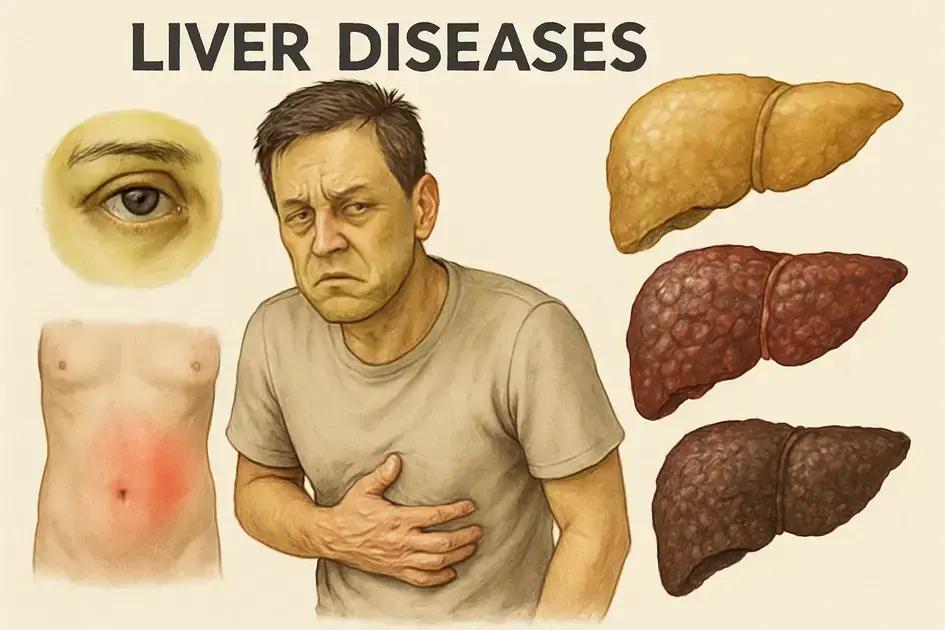
Understanding common liver diseases and their symptoms is crucial for early detection and treatment. The liver can be affected by various conditions, each presenting unique signs.
Fatty Liver Disease
Fatty liver disease occurs when excess fat builds up in liver cells. Symptoms may include fatigue, discomfort in the upper right abdomen, and unexplained weight loss. This condition can be caused by alcohol consumption, obesity, or diabetes.
Hepatitis
Hepatitis is an inflammation of the liver, often caused by viral infections. Symptoms may include jaundice (yellowing of the skin and eyes), dark urine, fatigue, and stomach pain. Hepatitis can be acute or chronic and requires medical care to manage.
Cirrhosis
Cirrhosis is the scarring of the liver tissue, often resulting from long-term damage. Common symptoms include swelling in the legs, increased sensitivity to alcohol, and confusion. Cirrhosis can lead to serious complications and necessitates prompt medical attention.
Liver Cancer
Liver cancer typically arises in individuals with chronic liver conditions. Symptoms may include unintentional weight loss, a lump in the abdomen, and persistent fatigue. Regular screenings are essential for those at high risk.

Hemochromatosis
This genetic disorder causes the body to absorb too much iron, which can damage the liver. Symptoms include joint pain, fatigue, and skin changes. Early diagnosis is crucial to prevent severe liver damage.
How alcohol affects liver health
Alcohol consumption has a significant impact on liver health. The liver is primarily responsible for metabolizing alcohol, but excessive intake can lead to serious health issues.
How Alcohol Is Processed
When you consume alcohol, your liver works to break it down into less harmful substances. However, if you drink heavily, the liver can become overwhelmed, leading to toxicity and damaging liver cells.
Fatty Liver Disease
One of the first stages of liver damage related to alcohol use is alcoholic fatty liver disease. This condition occurs when fat accumulates in liver cells, even if you are not overweight. Symptoms may be mild or absent, but it can progress to more severe liver damage.
Alcoholic Hepatitis
Continued heavy drinking can cause alcoholic hepatitis, an inflammation of the liver. Symptoms include jaundice, abdominal pain, and fever. This condition can be serious and may require immediate medical attention.
Cirrhosis
If alcohol abuse continues, it can lead to cirrhosis. This is where the liver sustains permanent damage and becomes scarred. Symptoms can include extreme fatigue, easy bruising, and swelling in the legs and abdomen. Cirrhosis can ultimately lead to liver failure.
General Guidelines for Alcohol Consumption
To protect liver health, it’s important to drink alcohol in moderation. For most adults, moderate drinking means up to one drink per day for women and two drinks per day for men. Reducing alcohol intake or abstaining altogether can greatly benefit liver function.
The importance of hydration
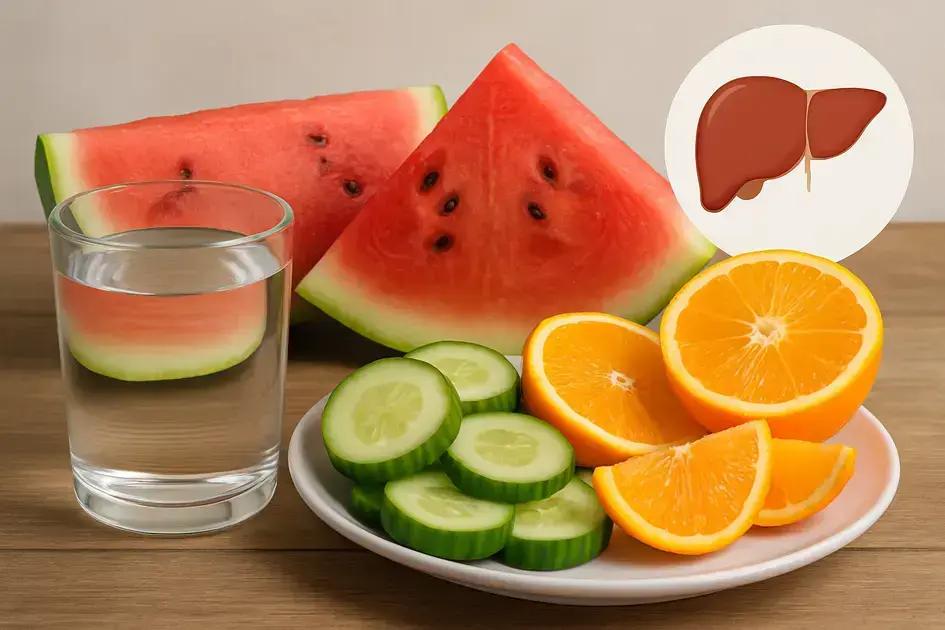
Hydration is vital for overall health, particularly for maintaining optimal liver function. The liver is a key organ that helps process nutrients and filter toxins from the blood, and it needs water to perform these tasks efficiently.
Water and Liver Function
Water aids the liver in its detoxification processes. When you are properly hydrated, your liver can effectively remove waste products and toxins from your bloodstream. This helps to keep your liver healthy and functioning well.
Signs of Dehydration
Dehydration can lead to several issues, including fatigue, headaches, and confusion. In severe cases, it may even impair liver function. Common signs of dehydration include dark yellow urine and dry skin.
How Much Water Do You Need?
While individual needs can vary, a common recommendation is to drink at least 8 glasses (64 ounces) of water per day. It’s essential to adjust your intake based on factors like exercise, climate, and overall health.
Hydrating Foods
In addition to drinking water, you can stay hydrated by eating foods with high water content. Fruits and vegetables like watermelon, cucumbers, and oranges are excellent choices that contribute to your daily hydration.

Effects of Alcohol on Hydration
Alcohol can lead to dehydration, which stresses the liver. Limiting alcohol consumption and drinking water in between alcoholic beverages can help mitigate this effect and keep your liver healthy.
Exercise and liver health
Regular exercise plays a crucial role in maintaining liver health. It helps improve blood flow, enhance metabolism, and supports the liver’s ability to detoxify the body.
Benefits of Exercise for the Liver
Engaging in physical activity helps reduce liver fat and prevents fatty liver disease. Studies show that even moderate exercise can significantly lower liver enzyme levels, indicating better liver function.
Types of Exercises
A combination of aerobic exercises and strength training is beneficial for liver health. Activities like walking, running, cycling, and swimming improve cardiovascular fitness, while strength training builds muscle and increases metabolism.
Recommended Duration
The general guideline for adults is to engage in at least 150 minutes of moderate-intensity exercise each week. This can be broken down into shorter sessions spread throughout the week.
Weight Management
Regular physical activity can assist in weight management, which is vital for preventing liver diseases such as non-alcoholic fatty liver disease (NAFLD). Maintaining a healthy weight reduces the strain on the liver and enhances overall health.
Combining Exercise with a Healthy Diet
For optimal benefits, combine exercise with a balanced diet rich in fruits, vegetables, whole grains, and lean proteins. This holistic approach supports liver detoxification and overall well-being.
Natural supplements for liver support
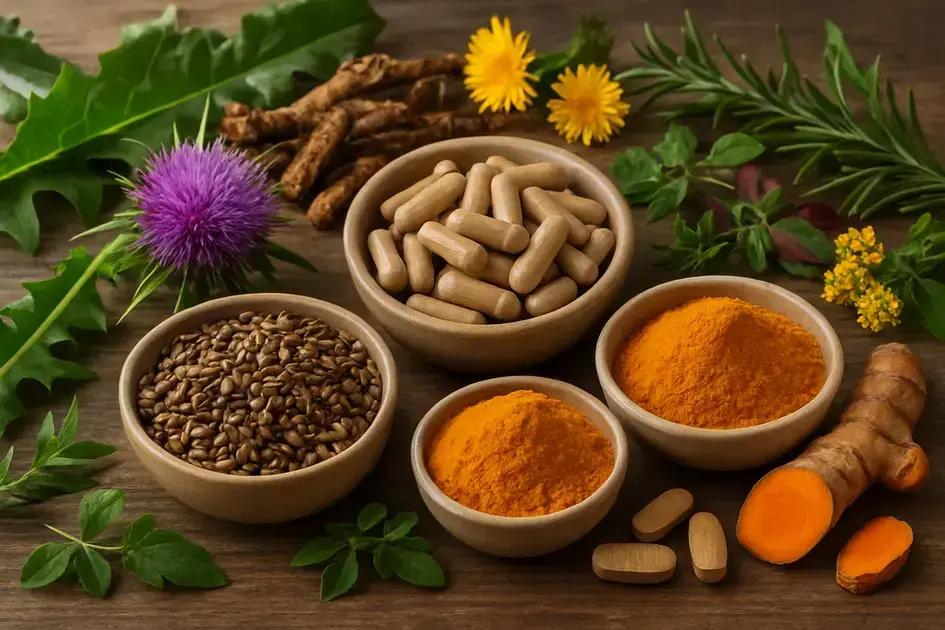
Natural supplements can play a significant role in supporting liver health. These supplements often contain ingredients that help detoxify the liver, reduce inflammation, and promote overall liver function.
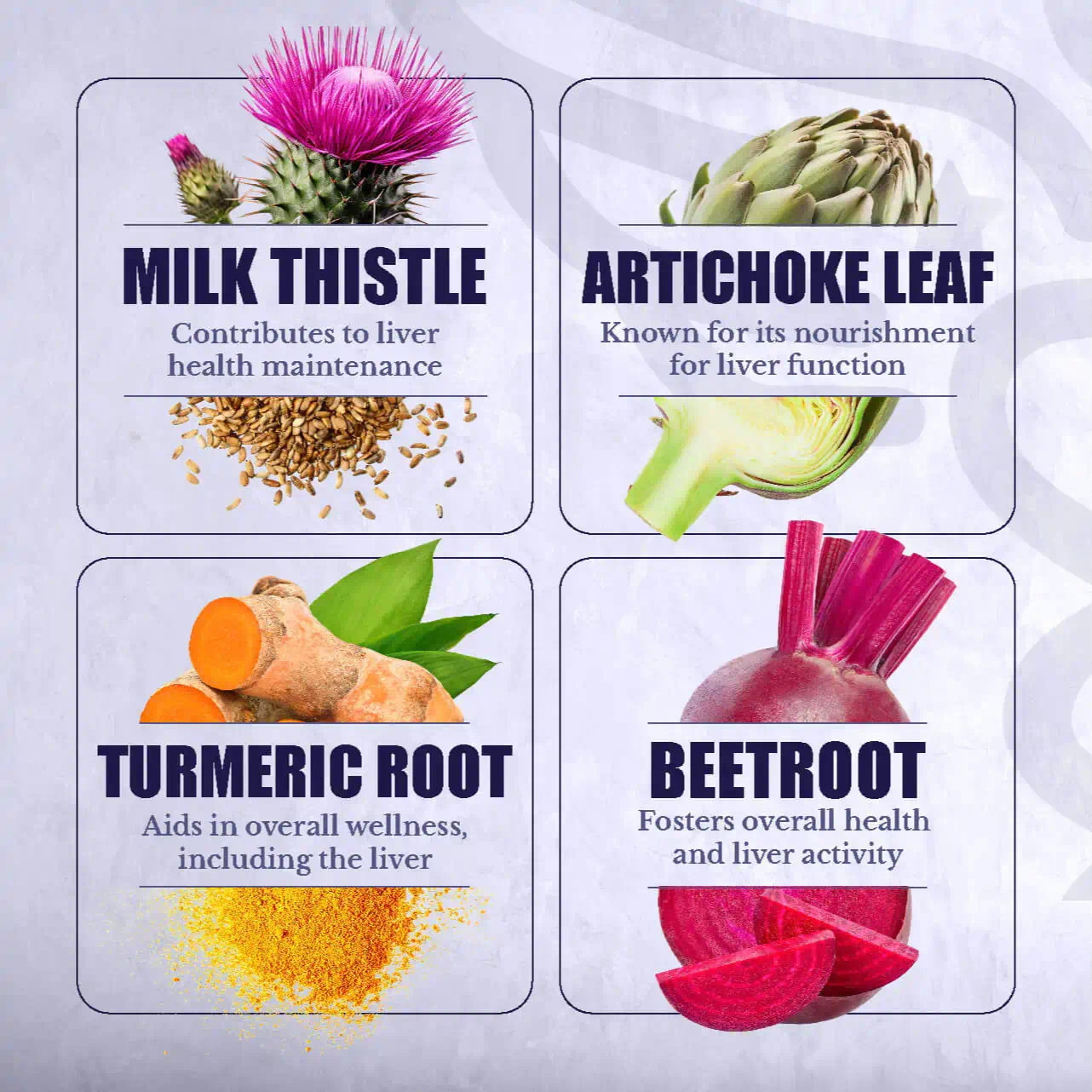
Milk Thistle
Milk thistle is one of the most popular natural supplements for liver support. It contains silymarin, a compound known for its antioxidant properties. Studies show that milk thistle can help protect liver cells from damage caused by toxins.
Dandelion Root
Dandelion root is often used to improve liver function. It may help stimulate bile production, which aids in digestion and detoxification. This herb is also believed to have anti-inflammatory properties that can benefit the liver.
Turmeric
The active compound in turmeric, curcumin, has strong anti-inflammatory effects. Incorporating turmeric as a supplement or in cooking may help reduce inflammation in the liver and support its overall health.
N-Acetyl Cysteine (NAC)
N-acetyl cysteine (NAC) is a powerful antioxidant that helps replenish glutathione levels in the liver. Glutathione is crucial for detoxification and helps protect liver cells from damage caused by free radicals.
Fish Oil
Rich in omega-3 fatty acids, fish oil can help reduce liver inflammation and improve insulin sensitivity. Taking fish oil supplements may be particularly beneficial for individuals with fatty liver disease.
Consult a Healthcare Provider
Before starting any natural supplements, it is important to consult a healthcare provider. They can provide guidance on proper dosages and help ensure that the supplements do not interact with other medications.
How stress impacts liver function
Stress can have a significant impact on liver function. While the liver is known for its vital roles in detoxification and metabolism, it is also affected by the body’s stress response.
The Stress Response
When you experience stress, your body releases hormones like cortisol and adrenaline. These hormones prepare your body for a fight-or-flight response, which can have lasting effects on your liver health.
Inflammation and Liver Health
Chronic stress can lead to increased inflammation in the body. This inflammation can contribute to liver damage over time. Inflammatory markers in the blood may indicate liver problems and other health issues.
Impact on Detoxification
Stress can impair the liver’s ability to detoxify substances. When you are stressed, the liver may not process toxins as efficiently, leading to a buildup of harmful substances in the body.
Fatty Liver Disease
Research suggests that chronic stress may increase the risk of developing non-alcoholic fatty liver disease (NAFLD). This condition occurs when excess fat builds up in the liver, which can lead to serious health problems.
Importance of Stress Management
Managing stress is essential for maintaining liver health. Practices such as mindfulness, meditation, and regular exercise can help reduce stress levels and protect liver function.
Seeking Support
If stress becomes overwhelming, consider seeking support from a mental health professional. Therapy and counseling can provide effective strategies to cope with stress.
Regular health check-ups for liver health

Regular health check-ups are vital for maintaining liver health. They help detect potential issues early and ensure that the liver functions optimally.
Importance of Routine Screenings
During routine check-ups, healthcare providers can evaluate liver function through blood tests. These tests measure liver enzymes, bilirubin levels, and other markers that indicate how well the liver is working.
Identifying Liver Diseases
Regular screenings can help identify liver diseases such as hepatitis, fatty liver disease, and cirrhosis early on. Early detection is key to managing these conditions effectively and preventing serious complications.
Risk Factors
If you have risk factors like obesity, diabetes, excessive alcohol use, or a family history of liver disease, it is especially important to schedule regular health check-ups. Your doctor may recommend more frequent screenings based on your risk level.
Symptoms to Monitor
Be aware of symptoms that may indicate liver problems, such as fatigue, jaundice, and abdominal pain. If you notice any of these symptoms, it’s important to see your healthcare provider promptly.
Lifestyle Considerations
In addition to regular check-ups, maintaining a healthy lifestyle can support liver health. Focus on a balanced diet, regular exercise, hydration, and limiting alcohol consumption.
Consultation with Professionals
Always consult with a healthcare professional regarding the frequency of check-ups and any specific tests that may be necessary for monitoring your liver health. They can provide personalized recommendations based on your health status.
Signs your liver needs attention
Being aware of the signs that your liver needs attention is crucial for maintaining good health. The liver is a vital organ, and its problems can lead to serious health conditions.
Fatigue
Experiencing excessive fatigue can be an early indicator that your liver is not functioning properly. If you find yourself feeling tired even after adequate rest, it may be time to consult a healthcare professional.
Jaundice
Jaundice is characterized by yellowing of the skin and eyes. This occurs when there is a buildup of bilirubin in the body, a substance usually processed by the liver. If you notice any yellowing, it’s essential to seek medical care.
Abdominal Pain
Pain or discomfort in the upper right quadrant of your abdomen can indicate liver problems. This area is where the liver is located, and persistent pain may suggest inflammation or other issues.
Dark Urine and Pale Stools
If you notice that your urine is unusually dark and your stools are pale or clay-colored, it could signal liver dysfunction. These changes can be linked to bilirubin not being properly processed.
Itchy Skin
Itchy skin can be a sign of liver problems as well. When the liver is unable to filter bile salts, it may lead to skin irritation and itchiness. If you’re experiencing persistent itchiness, it’s best to consult with a healthcare provider.
Weight Loss
Unexplained or sudden weight loss can also indicate issues with the liver. If you’re experiencing this symptom along with others, it’s important to seek medical advice as soon as possible.
Detoxification diets: do they work?
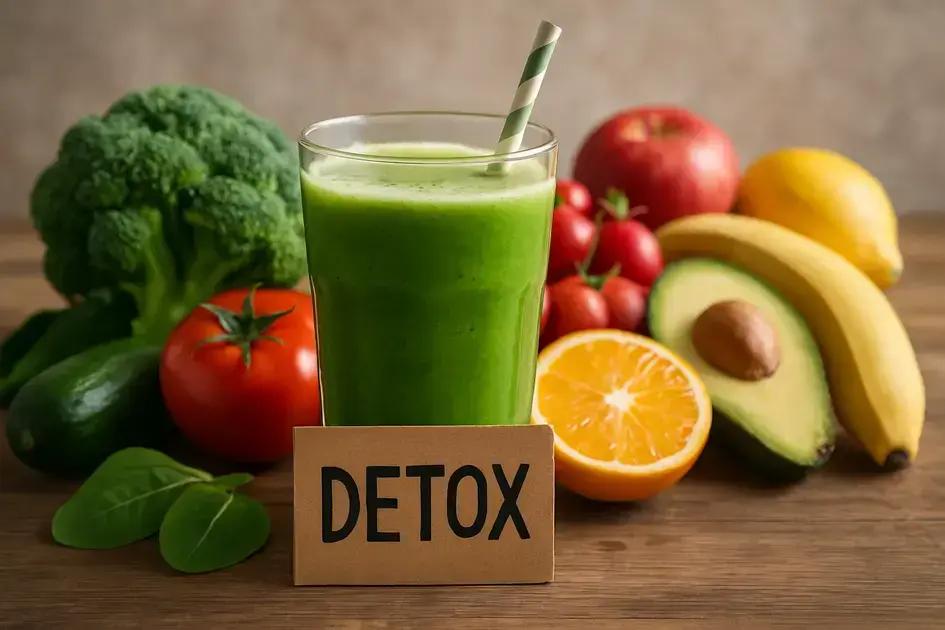
Detoxification diets have become popular, but many people wonder if they actually work for improving liver health and overall wellness. These diets typically claim to cleanse the body of toxins and promote better health.
What is a Detox Diet?
A detox diet usually involves consuming specific foods, juices, or supplements while eliminating certain items like alcohol, caffeine, and processed foods. The goal is to reduce the intake of harmful substances and support the body’s natural detoxification processes.
How the Body Detoxifies
The body has its own built-in detoxification systems, mainly through the liver, kidneys, and digestive system. These organs work continuously to remove waste and toxins. A healthy diet rich in fruits, vegetables, and whole grains can naturally support these processes without the need for extreme diets.
Benefits of Detox Diets
While some individuals report feeling more energized or lighter after a detox diet, much of this may result from reduced caloric intake rather than the detoxification itself. A detox can temporarily improve digestion and increase fruit and vegetable intake, which is beneficial for liver health.
Potential Risks
Detox diets can also come with risks, especially if they are restrictive or if they last for long periods. Some individuals may experience nutrient deficiencies, fatigue, or digestive issues because these diets often eliminate essential food groups.
Expert Opinions
Many nutritionists and health experts argue that detox diets are not necessary. Instead, they recommend adopting a balanced diet that naturally supports liver function. Staying hydrated, consuming antioxidant-rich foods, and maintaining a healthy weight are practical ways to promote liver health.
Conclusion
While detox diets may offer quick results, they are not a substitute for a healthy lifestyle. Focusing on long-term habits is more effective for supporting your liver and overall health.
Common misconceptions about liver health
There are many misconceptions about liver health that can lead to misunderstandings regarding how to maintain it. Clearing up these myths is essential for promoting better liver health.
Myth 1: Alcohol is the Only Cause of Liver Disease
While alcohol consumption is a significant risk factor for liver disease, it’s not the only one. Conditions like obesity, diabetes, and viral hepatitis can also greatly affect liver health.
Myth 2: Liver Disease is Always Related to Drinking
Many people think liver disease only happens to heavy drinkers. However, non-alcoholic fatty liver disease (NAFLD) is becoming increasingly common, especially among individuals with metabolic syndrome.
Myth 3: A Healthy Diet is Not Necessary for Liver Health
A common misconception is that liver health doesn’t require specific dietary changes. In reality, a balanced diet rich in fruits, vegetables, and whole grains is crucial for supporting liver function.
Myth 4: You Can Detoxify Your Liver with Special Diets
Some believe that certain detox diets can cleanse the liver. The liver is naturally capable of detoxification, and extreme diets can sometimes do more harm than good.
Myth 5: Liver Damage is Always Reversible
While some liver conditions are reversible with lifestyle changes, diseases like cirrhosis can cause permanent damage. Early intervention is key to preventing severe liver issues.
Myth 6: Liver Problems Always Show Symptoms
Many liver diseases can be asymptomatic in their early stages. Regular check-ups are essential because symptoms often do not appear until serious damage has occurred.
The relationship between sleep and liver function

Sleep plays a vital role in maintaining liver function. When you don’t get enough sleep, it can negatively affect how your liver works.
How Sleep Affects the Liver
During sleep, the body goes through essential repair processes, including the liver. A lack of sleep can lead to increased inflammation, which impacts liver health. Sleep allows the liver to detoxify and regenerate cells effectively.
Impact of Sleep Quality
Not just the quantity of sleep, but the quality also matters. Poor sleep quality can lead to conditions such as fatty liver disease. Good sleep supports healthy metabolism and ensures proper liver function.
Sleep Disorders and Liver Health
Conditions like obstructive sleep apnea have been linked to liver issues. People with sleep apnea are at a higher risk of developing liver diseases, making effective treatment of sleep disorders vital for liver health.
Optimal Sleep Duration
For most adults, getting between 7 to 9 hours of sleep each night is recommended for overall health, including liver function. Prioritizing sleep can help improve liver health and enhance the body’s detoxification processes.
Tips for Better Sleep
To improve sleep quality, consider establishing a regular sleep routine, creating a comfortable sleep environment, and limiting screens before bedtime. Good sleep habits are essential for the liver’s health and function.
Practical tips for improving liver health
Improving your liver health can have a significant impact on overall well-being. Here are some practical tips to support a healthy liver.
1. Maintain a Balanced Diet
Focus on a diet rich in fruits, vegetables, whole grains, and lean proteins. Foods like broccoli, spinach, and berries are particularly beneficial for liver health. Reduce your intake of sugar, saturated fats, and processed foods.
2. Stay Hydrated
Drinking enough water is essential for liver function. Aim to drink at least 8 glasses (64 ounces) of water a day. Staying hydrated helps the liver flush out toxins effectively.
3. Exercise Regularly
Engaging in regular physical activity can help maintain a healthy weight and reduce liver fat. Aim for at least 150 minutes of moderate exercise each week. Activities like walking, cycling, and swimming are great options.
4. Limit Alcohol Consumption
Alcohol can significantly impact liver health, leading to conditions such as fatty liver disease and cirrhosis. If you drink alcohol, do so in moderation. Limit consumption to one drink per day for women and two for men.
5. Get Enough Sleep
Prioritize getting 7 to 9 hours of sleep each night. Quality sleep is crucial for the liver’s regeneration processes and overall health.
6. Avoid Toxins
Reduce your exposure to harmful substances like pesticides, harsh cleaning products, and other chemicals. When using these items, ensure adequate ventilation.
7. Regular Health Check-Ups
Schedule regular health check-ups to monitor liver function, especially if you have risk factors like obesity or a family history of liver disease.
Taking Care of Your Liver Health
Your liver plays an essential role in your overall health, and it’s important to take steps to keep it functioning well. By following the practical tips we’ve discussed, like maintaining a balanced diet, staying hydrated, and getting regular exercise, you can support your liver’s health.
Limiting alcohol intake and managing stress also play significant roles in promoting liver wellness. Regular check-ups with your healthcare provider can help monitor liver function and catch any potential issues early.
Remember that small changes can lead to big improvements in your liver health and overall quality of life. Prioritizing liver health will not only benefit you today but also promote long-term well-being.
FAQ – Common Questions About Liver Health
What are some signs that my liver needs attention?
Signs that your liver needs attention include fatigue, jaundice (yellowing of the skin and eyes), abdominal pain, dark urine, and unexplained weight loss.
How can I improve my liver health?
You can improve your liver health by maintaining a balanced diet, staying hydrated, exercising regularly, limiting alcohol intake, and getting enough sleep.
What is the connection between sleep and liver function?
Quality sleep is essential for liver health as it allows the liver to regenerate and carry out detoxification processes effectively.
Are detox diets effective for liver health?
Detox diets are often not necessary as the liver naturally detoxifies itself. A balanced diet is usually more effective for maintaining liver health.
What regular check-ups should I have to monitor liver health?
You should schedule regular health check-ups that include liver function tests, especially if you have risk factors like obesity or a family history of liver disease.
Can certain medications affect liver health?
Yes, some medications can cause liver damage. It’s important to discuss any medications you take with your healthcare provider to ensure they are safe for your liver.