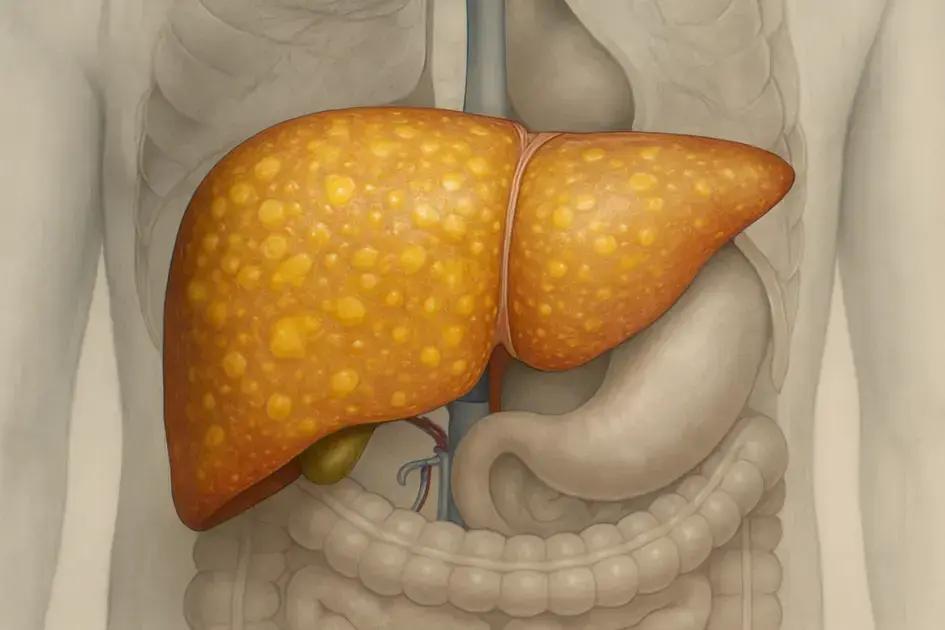
Liver cirrhosis is a serious condition resulting from liver damage, often caused by factors like chronic alcohol abuse, hepatitis, or obesity, requiring regular check-ups, lifestyle changes, and access to support resources for effective management and prevention of complications.

Liver cirrhosis is a significant health concern that can lead to severe complications if not properly managed. Many might not realize how their daily habits affect liver function. Curious about what you can do to protect your liver? Let’s explore.
What is liver cirrhosis?
Liver cirrhosis is a severe condition that occurs when the liver is damaged and scar tissue replaces healthy liver tissue. This damage can be caused by various factors, including alcohol abuse, viral hepatitis, and fatty liver disease. Understanding liver cirrhosis is crucial, as it can lead to serious health complications if left untreated.
The liver plays a vital role in many bodily functions, including detoxifying harmful substances, producing bile to aid digestion, and regulating blood clotting. When cirrhosis develops, the normal functioning of the liver is significantly impaired.
Common symptoms of liver cirrhosis may include fatigue, weakness, and jaundice, which is characterized by yellowing of the skin and eyes. These symptoms often develop gradually, making early diagnosis challenging. Regular check-ups and liver function tests can help identify cirrhosis in its early stages.
Although there is no cure for cirrhosis, treatment options are available to manage the condition and prevent further liver damage. These can include medications, lifestyle changes, and in severe cases, liver transplants. Understanding the causes and effects of liver cirrhosis is essential for effective prevention and treatment.

Common causes of liver cirrhosis
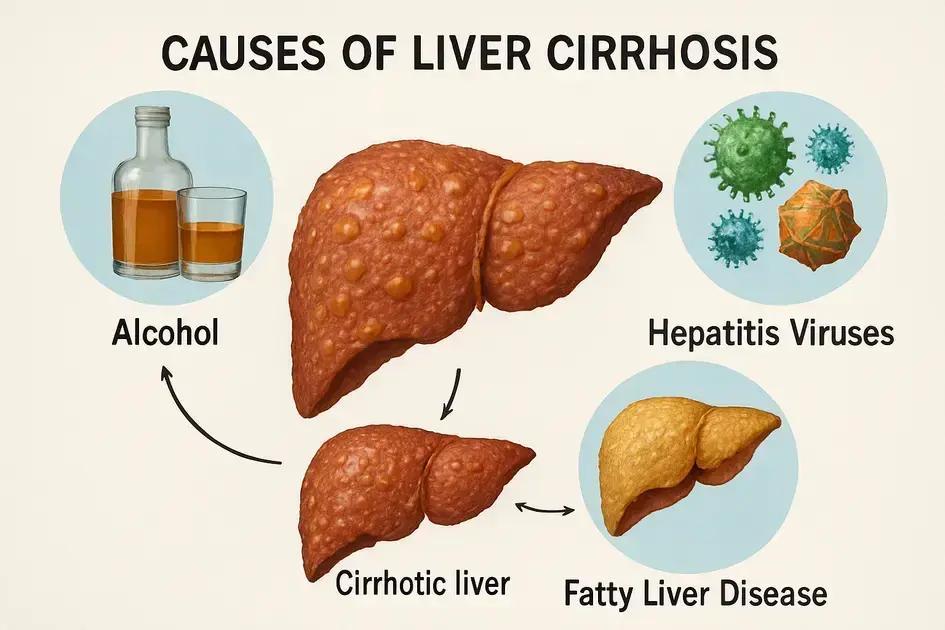
Understanding the common causes of liver cirrhosis is essential for prevention and management. One significant cause is chronic alcohol abuse, which can lead to liver inflammation and eventually result in cirrhosis. Drinking excessive amounts of alcohol over many years can seriously damage liver cells.
Another major cause is viral hepatitis, particularly hepatitis B and C. These viral infections can cause long-term inflammation of the liver, ultimately leading to the development of cirrhosis. It is crucial for individuals at risk to get tested and vaccinated against these viruses.
Non-alcoholic fatty liver disease (NAFLD) is also increasingly recognized as a leading cause of cirrhosis, particularly in individuals who are overweight or have diabetes. This condition occurs when fat builds up in the liver without alcohol being the primary cause.
Other medical conditions, such as auto-immune liver diseases, can also contribute to cirrhosis. In these cases, the body’s immune system mistakenly attacks healthy liver tissue. Genetic disorders that affect the liver, such as hemochromatosis and Wilson’s disease, may also lead to cirrhosis.
Lastly, certain medications and toxins can cause liver damage, leading to cirrhosis if exposure is prolonged. It is vital to be aware of these potential dangers and consult with a healthcare provider about any medications being taken.
Symptoms to watch for
Recognizing the symptoms of liver cirrhosis is vital for early diagnosis and treatment. Some common symptoms include fatigue, which can make daily activities feel overwhelming. Patients often report feeling unusually tired, even after sufficient rest.

Another common symptom is jaundice, which occurs when the liver cannot properly process bilirubin. This results in a yellowing of the skin and eyes. If you notice a yellow tint, it is important to consult a healthcare provider.
Abdominal discomfort is also a frequent complaint. Individuals with cirrhosis may experience swelling or pain in the abdomen due to fluid accumulation, known as ascites. This can create a feeling of fullness or pressure in the stomach area.
Additional symptoms can include itching due to bile salts accumulating in the skin, and can become quite bothersome. Furthermore, easy bruising and bleeding may occur as the liver’s ability to produce clotting factors declines.
Others may notice a loss of appetite or unintentional weight loss. When the liver is damaged, the body can lose its ability to metabolize nutrients effectively, leading to these changes. If any of these symptoms are present, seeking medical advice is crucial for proper assessment and care.
The importance of early diagnosis
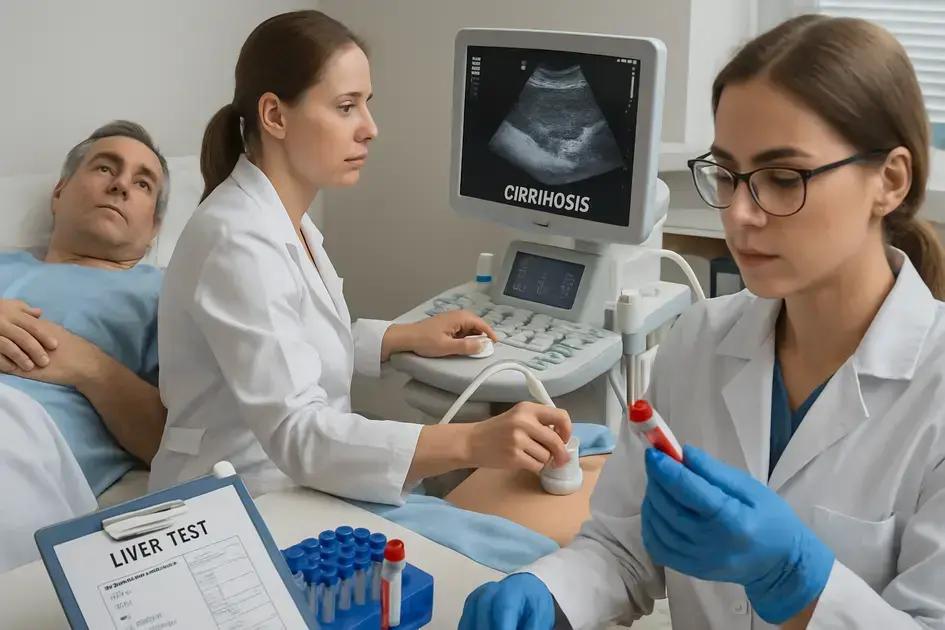
Early diagnosis of liver cirrhosis is crucial for the successful management of the disease. Detecting cirrhosis in its initial stages allows for timely intervention, which can significantly improve patient outcomes. With early detection, healthcare providers can recommend lifestyle changes and treatments to slow disease progression.

One of the main challenges of liver cirrhosis is that its symptoms often develop gradually and may resemble other conditions. This can lead to delays in diagnosis. Therefore, regular check-ups and awareness of personal risk factors are essential for those at risk.
Screening tests, such as liver function tests, ultrasound imaging, and blood tests, play a vital role in identifying liver issues early. The sooner cirrhosis is diagnosed, the sooner patients can begin to make necessary lifestyle modifications, such as reducing alcohol intake, adopting a healthy diet, and managing underlying health conditions.
Additionally, early diagnosis helps in monitoring the liver’s condition over time. Regular evaluations can identify any changes that may signal the need for more intensive treatment or a liver transplant. In summary, understanding the importance of early diagnosis can lead to better management of liver cirrhosis and enhance the quality of life for patients.
Understanding liver function
Understanding liver function is essential for grasping how liver cirrhosis affects overall health. The liver is a vital organ that performs numerous functions necessary for maintaining homeostasis in the body.
One key function of the liver is to detoxify harmful substances. It processes toxins from the food we eat, as well as alcohol and medications. The liver converts these toxins into less harmful substances or helps eliminate them completely.
The liver also plays a crucial role in metabolism. It helps in breaking down carbohydrates, fats, and proteins, turning them into energy and essential nutrients that the body needs to function correctly. This metabolic process is vital for maintaining blood sugar levels.
Additionally, the liver produces bile, which is important for digestion. Bile helps to break down fats in the intestine, making nutrients easier to absorb. The liver also stores vitamins, minerals, and glycogen, which provide energy and support various bodily functions.

Another essential function of the liver is blood clotting. The liver produces proteins that are necessary for blood coagulation, helping to prevent excessive bleeding when injuries occur. A well-functioning liver ensures that these proteins are adequately produced.
Understanding these functions highlights the importance of liver health. When the liver is compromised, as in the case of cirrhosis, these vital processes are affected, leading to various health complications.
How lifestyle impacts liver health
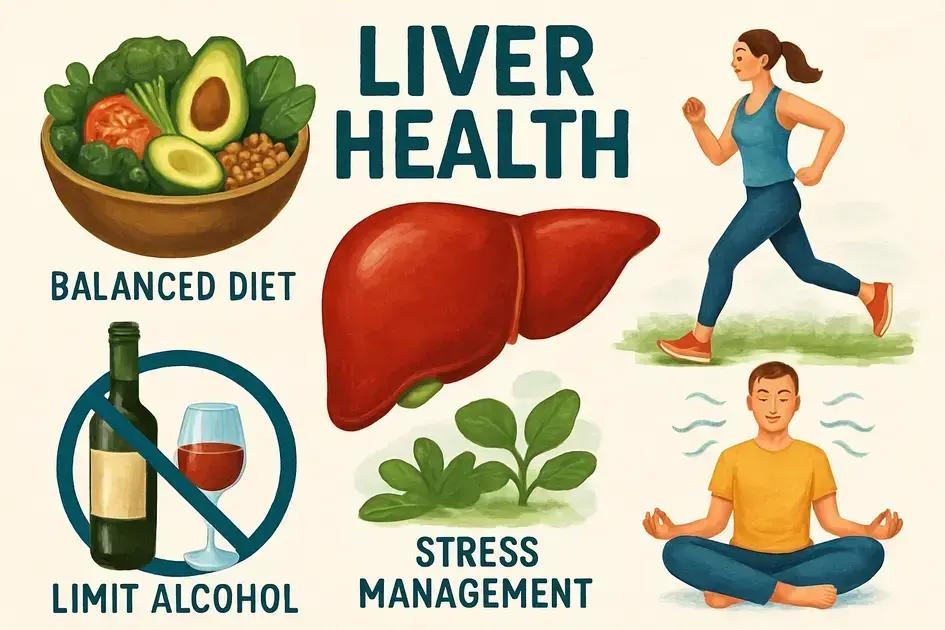
Lifestyle choices have a significant impact on liver health and can either promote well-being or contribute to liver disease. Making informed decisions about diet, exercise, and habits is essential for maintaining a healthy liver.
A balanced diet plays a crucial role in liver health. Consuming a variety of fruits, vegetables, whole grains, and lean proteins helps the liver function properly. Limiting processed foods, high-fat diets, and sugary beverages is key to preventing conditions like fatty liver disease.
Regular exercise is another important factor. Physical activity helps control body weight and reduces the risk of obesity, which is linked to liver diseases such as non-alcoholic fatty liver disease (NAFLD). Aim for at least 150 minutes of moderate-intensity exercise each week to keep your liver healthy.

Limiting alcohol consumption is vital for liver health. Excessive drinking can damage liver cells and lead to cirrhosis over time. If you choose to drink, do so in moderation, following guidelines set by health organizations.
Additionally, avoiding illicit drugs and being cautious with medications can prevent liver damage. Always follow prescriptions carefully and consult a healthcare provider if unsure about the safety of any substances.
Finally, managing stress through healthy coping mechanisms like meditation, yoga, or hobbies can positively influence liver health. Overall, adopting a healthy lifestyle can greatly enhance liver function and reduce the risk of liver diseases.
Dietary changes for liver protection
Dietary changes are essential for protecting liver health and preventing liver diseases. A well-balanced diet can help maintain liver function and reduce the risk of conditions such as fatty liver disease and cirrhosis.
Incorporating fruits and vegetables into your meals is a great way to start. These foods are rich in antioxidants, vitamins, and minerals that support liver health. Aim to fill half your plate with colorful fruits and vegetables at every meal.
Whole grains are another important component of a liver-friendly diet. Foods like brown rice, quinoa, and whole-grain bread provide fiber, which aids in digestion and helps keep the liver functioning efficiently.
Limiting processed foods is crucial. These often contain unhealthy fats, added sugars, and preservatives that can strain the liver. Instead of snacking on chips or sugary treats, opt for nuts, yogurt, or fresh fruit.
Reducing your intake of saturated and trans fats is also important for liver protection. Choose healthy fats, such as those from olive oil, avocados, and fatty fish, which provide omega-3 fatty acids beneficial for liver health.
Staying hydrated by drinking plenty of water is essential for overall liver function. Aim for at least eight glasses of water a day to help the liver flush out toxins and maintain healthy blood circulation.
Lastly, moderating alcohol consumption is necessary. If you choose to drink, do so in moderation, as excessive alcohol can severely damage the liver over time.
Treatment options available
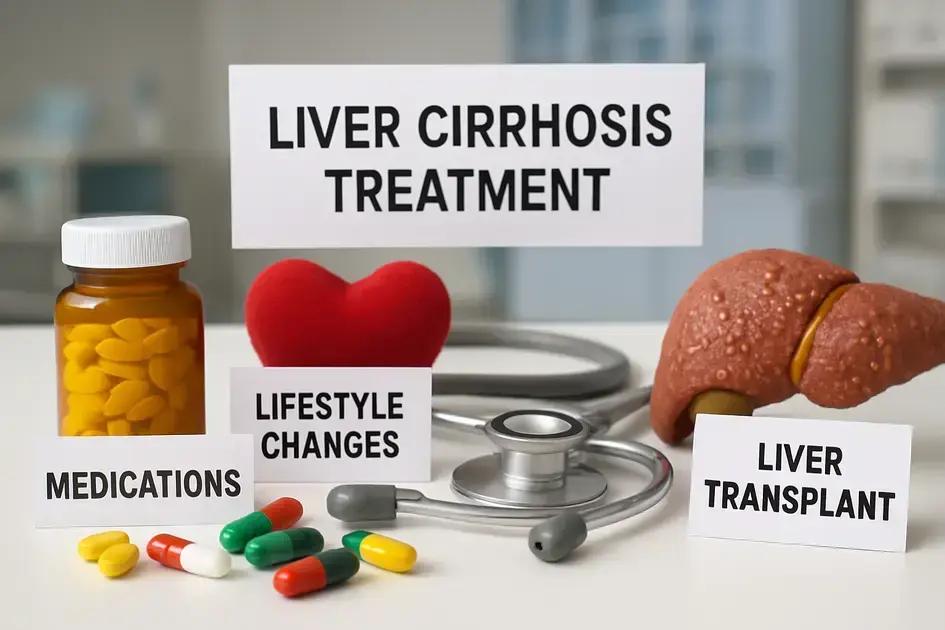
There are several treatment options available for managing liver cirrhosis, depending on the underlying cause and severity of the condition. Early intervention can significantly improve outcomes and quality of life for patients.
One common approach is medication. Healthcare providers may prescribe medications to manage symptoms, reduce liver inflammation, and prevent complications. For example, antiviral medications can be used to treat chronic hepatitis, which is a common cause of cirrhosis.
Another important treatment strategy is lifestyle changes. Patients are often advised to adopt a healthier diet, engage in regular exercise, and avoid alcohol to minimize further liver damage. These changes can enhance liver function and overall health.
In some cases, interventional procedures may be necessary. This includes procedures to relieve pressure in the liver, such as endoscopic band ligation or sclerotherapy for varices, which can cause dangerous bleeding.
For patients with advanced cirrhosis and significant liver failure, a liver transplant may be the only option. A transplant involves replacing the damaged liver with a healthy liver from a donor, which can dramatically improve the patient’s health and lifespan.
Regular monitoring and follow-up appointments with healthcare providers are crucial for managing the condition effectively. They can help assess the liver’s progression and adjust treatment options as needed.
Preventing liver cirrhosis
Preventing liver cirrhosis is crucial for maintaining overall health. By adopting healthy lifestyle choices and avoiding risk factors, individuals can significantly reduce the likelihood of developing this serious condition.
One of the most effective ways to prevent liver cirrhosis is to limit alcohol consumption. Drinking excessive amounts of alcohol can lead to liver damage over time. For those who consume alcohol, moderation is key. Following recommended guidelines can help protect the liver.
Maintaining a healthy weight is also vital. Obesity is linked to fatty liver disease, which can progress to cirrhosis. Regular exercise and a balanced diet can help manage weight and promote liver health. Aim for at least 150 minutes of moderate activity each week and include plenty of fruits and vegetables in your meals.
Another important preventive measure is to get vaccinated against viral hepatitis, particularly hepatitis A and B. These infections can severely impact liver health and lead to cirrhosis. Ensure vaccinations are up-to-date, especially if you are at higher risk due to lifestyle or occupational factors.
It is also essential to avoid sharing needles or other drug paraphernalia, as this can lead to hepatitis transmission. Seeking help for substance use disorders can significantly reduce the risk of liver damage.
Regular health check-ups can aid in early detection of liver issues. Monitoring liver function through blood tests allows for early intervention if problems arise. Discuss any risk factors with your healthcare provider to create a personalized prevention plan.
The role of alcohol in liver health
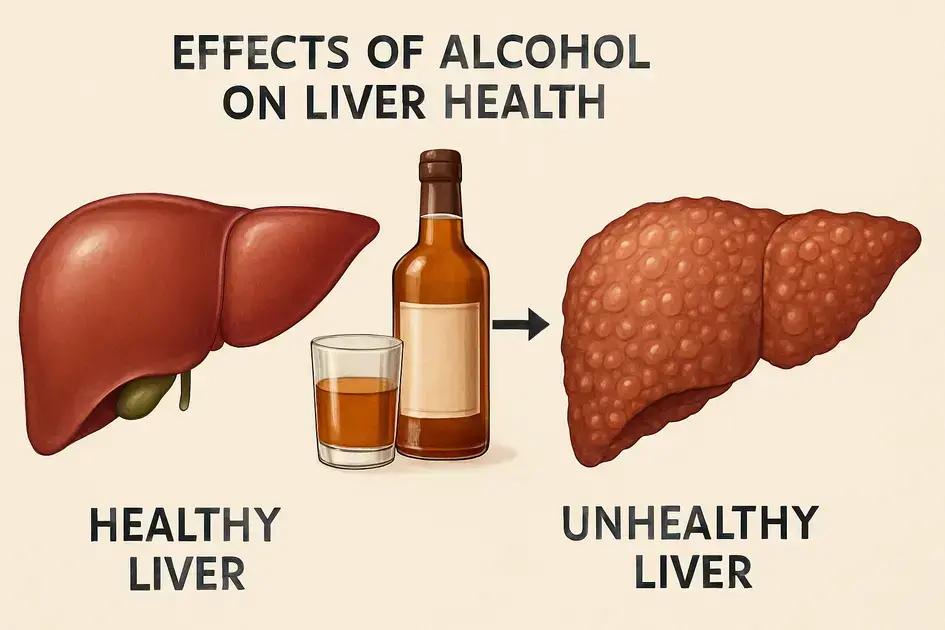
Alcohol plays a significant role in liver health, and understanding its effects is crucial for preventing liver disease. The liver is responsible for metabolizing alcohol, but excessive consumption can lead to serious complications.
When alcohol is consumed, it is converted into acetaldehyde, a toxic substance that can damage liver cells. Over time, heavy drinking can cause inflammation, fatty liver disease, and eventually cirrhosis. This damage occurs because the liver struggles to process large amounts of alcohol efficiently.
Moderation is key when it comes to alcohol consumption. The Centers for Disease Control and Prevention (CDC) defines moderate drinking as up to one drink per day for women and up to two drinks per day for men. Staying within these limits helps minimize the risk of liver damage and other health issues.
Individuals with pre-existing liver conditions should be especially cautious. For those diagnosed with liver diseases such as hepatitis or cirrhosis, abstaining from alcohol is essential to prevent further liver damage and complications.
Even light or moderate drinkers can experience negative effects if they have certain genetic predispositions or underlying health issues. It’s important for individuals to be aware of their personal risk factors and consult with healthcare providers about alcohol consumption.
Additionally, lifestyle choices like maintaining a balanced diet and engaging in regular exercise can support overall liver health, particularly for those who consume alcohol. Integrating these healthy habits can help mitigate the harmful effects of alcohol on the liver.
Managing liver cirrhosis complications
Managing liver cirrhosis complications is essential for improving quality of life and preventing serious health issues. Cirrhosis itself can lead to several complications that require careful attention.
One common complication is portal hypertension, which occurs when blood flow to the liver is obstructed. This can lead to increased pressure in the veins, causing the development of varices—enlarged veins that can rupture and bleed. Regular monitoring and medications can help manage this condition.
Another potential issue is ascites, which is the accumulation of fluid in the abdominal cavity. This can cause discomfort and swelling. Treatment options include dietary changes to reduce salt intake, as well as medications such as diuretics. In more severe cases, a procedure called paracentesis may be performed to remove excess fluid.
Patients with cirrhosis may also be at risk for hepatic encephalopathy, a condition that affects brain function due to toxins building up in the blood. Symptoms can range from confusion to drowsiness. Managing this condition often includes dietary adjustments and medications to lower toxin levels.
Regular medical check-ups are critical for individuals with cirrhosis. These check-ups can help healthcare providers monitor liver function and identify complications early. Blood tests to assess liver function and imaging studies can aid in this process.
Additionally, lifestyle modifications, such as avoiding alcohol and following a nutrient-rich diet, play a crucial role in managing complications and promoting liver health. Engaging with healthcare providers about personalized management plans is essential for optimal outcomes.
The impact of obesity on liver health
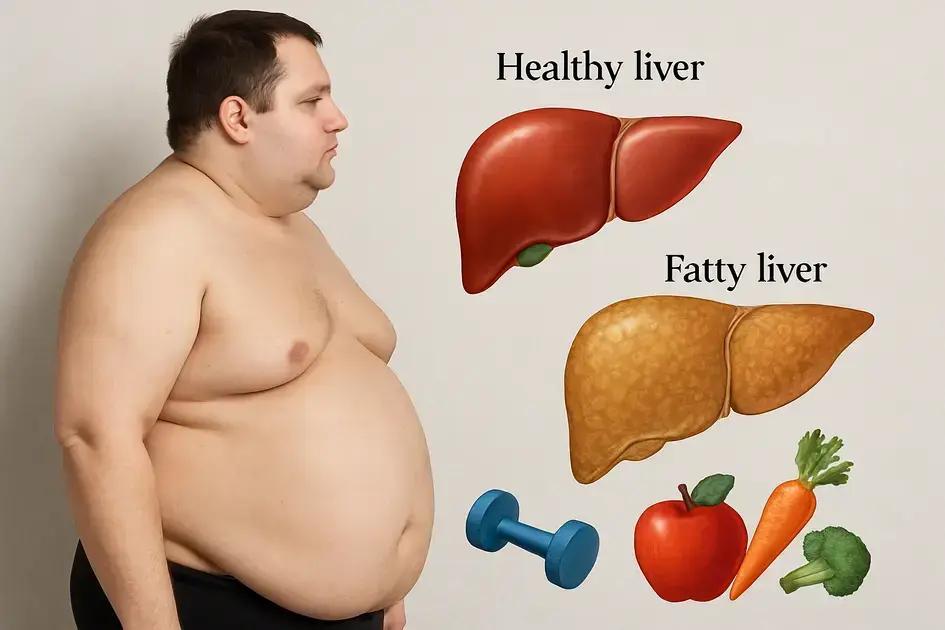
Obesity has a significant impact on liver health, often leading to serious conditions such as fatty liver disease and cirrhosis. Understanding this relationship is crucial for preventing liver-related illnesses.
When individuals are obese, excess fat can accumulate in the liver, a condition known as non-alcoholic fatty liver disease (NAFLD). This condition can lead to inflammation and liver damage, increasing the risk of developing cirrhosis over time. NAFLD is a common issue in those who are overweight or have metabolic disorders.
Obesity is also associated with increased insulin resistance, which affects how the body processes sugars and fats. This can result in higher levels of fat in the liver, exacerbating liver inflammation and contributing to liver damage.
Aside from directly harming the liver, obesity can increase the risk of other health issues that negatively affect liver health. Conditions such as type 2 diabetes, high blood pressure, and high cholesterol put additional stress on the liver, further aggravating existing liver problems.
To combat these effects, adopting a healthier lifestyle is essential. This includes maintaining a balanced diet rich in fruits, vegetables, and whole grains while minimizing processed foods and sugars. Regular exercise is also important for managing weight and improving overall metabolic health.
For individuals struggling with obesity, working with healthcare providers to create a tailored weight management plan can significantly enhance liver health and reduce the risk of severe liver complications. Making these lifestyle adjustments can have a positive impact on both weight and liver function.
Regular check-ups and screenings
Regular check-ups and screenings are essential for maintaining liver health, especially for those at risk of liver diseases or complications. These proactive measures can help identify potential issues early, leading to more effective management and treatment.
One important aspect of this process is liver function tests. These blood tests measure various enzymes and proteins produced by the liver, providing insight into how well the liver is functioning. Elevated enzyme levels may indicate liver damage or inflammation, signaling the need for further investigation.
Imaging tests like ultrasounds, CT scans, or MRIs are also valuable tools. They can help healthcare providers visualize the liver and identify any abnormalities such as tumors, cysts, or fatty liver disease. Regular imaging can be particularly beneficial for individuals with known liver conditions to monitor changes over time.
Health screenings should also include assessments for viral hepatitis, especially if there is a history of risk factors like unsafe sex, sharing needles, or exposure to contaminated blood. Early detection of hepatitis B or C can lead to timely treatment, preventing the progression to cirrhosis.
Individuals should consult with their healthcare providers regarding the appropriate frequency of check-ups based on their risk factors, lifestyle, and medical history. For those with liver disease, more frequent monitoring may be necessary to ensure optimal management.
Additionally, maintaining an open dialogue with healthcare professionals about any new symptoms or concerns can help in early identification of liver issues. Regular check-ups and screenings are crucial steps in protecting liver health and ensuring better long-term outcomes.
Patient stories and experiences

Patient stories and experiences provide valuable insights into living with liver cirrhosis. Hearing from those who have faced the challenges and triumphs of this condition can be both educational and inspiring for others.
Many patients share their journey of diagnosis, which often involves recognizing symptoms such as fatigue, jaundice, and abdominal swelling. These stories highlight the importance of awareness and early diagnosis, as prompt action can lead to better management.
Some individuals discuss the lifestyle changes they made after their diagnosis. Many found that adopting a healthier diet, exercising regularly, and avoiding alcohol significantly improved their quality of life. For example, one patient mentioned how switching to a plant-based diet helped them feel more energetic and less bloated.
Others share the emotional aspects of living with cirrhosis. Dealing with the uncertainty of the condition can be overwhelming. Support from family, friends, and healthcare providers plays a crucial role in coping with the psychological impact of the disease.
Patients often emphasize the value of support groups. Connecting with others who understand their struggles can provide comfort and practical advice. These groups promote sharing experiences and learning from one another, fostering a sense of community.
Real-life testimonies also highlight the importance of regular check-ups and proactive management. Many have found that staying informed and actively engaging in their care process leads to more favorable outcomes.
Each story is unique, yet they all convey a common message: living with liver cirrhosis is a journey that can be navigated with resilience, health education, and support.
Latest research on liver diseases
Recent research on liver diseases has provided valuable insights into better understanding, diagnosing, and treating various liver conditions. Studies have focused on liver diseases such as hepatitis, fatty liver disease, and cirrhosis. One notable area of research is identifying the genetic and environmental factors that contribute to liver diseases.
Recent findings suggest that genetic predisposition plays a significant role in how individuals respond to liver disorders. For instance, certain genetic markers have been linked to a higher risk of developing non-alcoholic fatty liver disease (NAFLD), which can progress to more severe liver damage.
Another focus of current research is the impact of lifestyle factors on liver health. Studies show that diets high in sugar and saturated fats can increase the risk of liver diseases. Conversely, adopting a balanced diet rich in whole foods can help protect the liver and may reverse some damage.
Advancements in medical technology have also paved the way for improved diagnostic tools. New imaging techniques, such as elastography, allow doctors to assess liver stiffness, helping to evaluate liver health more accurately without invasive procedures.
Researchers are actively investigating novel treatment options for liver diseases. New antiviral therapies are being developed for chronic hepatitis B and C, offering hope for better management of these conditions. Additionally, studies on using stem cells to regenerate damaged liver tissue are showing promise for future treatments.
Public awareness campaigns are essential in addressing liver health. Many organizations work to educate the public about risk factors, prevention strategies, and the importance of early detection through regular check-ups.
Support resources for liver health
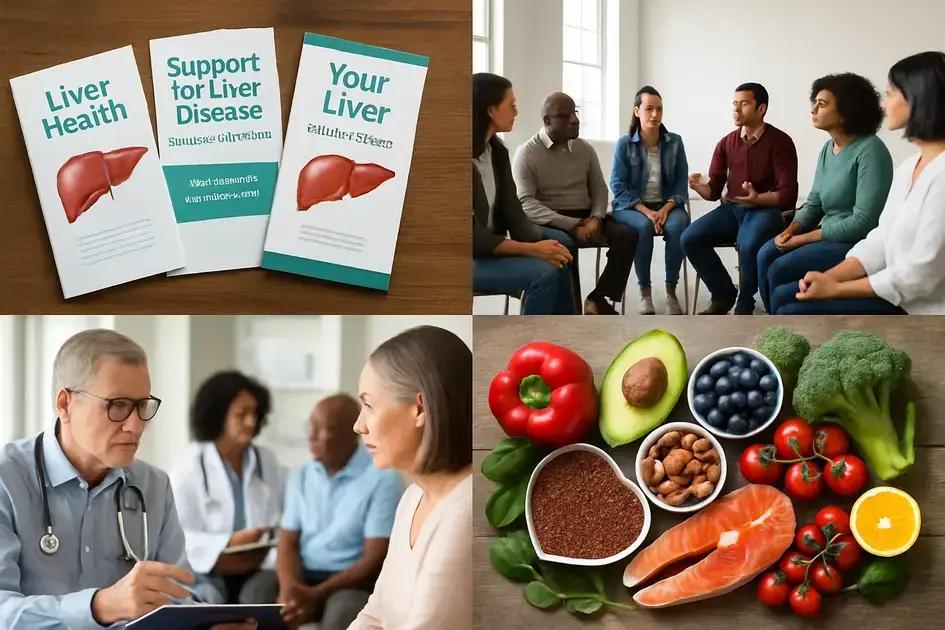
Access to support resources for liver health is essential for individuals dealing with liver conditions, including cirrhosis and fatty liver disease. These resources can provide information, education, and community support to help patients manage their health effectively.
One valuable resource is educational materials. Many health organizations and liver disease foundations offer brochures, websites, and workshops that provide information on liver health, risk factors, and prevention strategies. Knowing the signs and symptoms of liver diseases empowers patients to seek help early.
Support groups can also play a crucial role. These groups connect individuals facing similar challenges, allowing them to share experiences, coping strategies, and emotional support. Online forums and local meetups help foster a sense of community, making patients feel less isolated.
Another important resource is healthcare providers. Regular visits with doctors who specialize in liver health are vital. These healthcare professionals can offer personalized guidance, monitor liver function, and adjust treatment plans as necessary. Building a strong relationship with a healthcare team ensures that patients receive the best care possible.
Nutritionists specializing in liver health can provide dietary guidance tailored to individual needs. A proper diet can significantly impact liver health, and working with a nutritionist can help patients make healthy food choices that support liver function.
Finally, many organizations advocate for liver health on a larger scale, pushing for research funding, public awareness campaigns, and better access to healthcare. These advocacy groups are essential allies in the fight against liver disease, helping to change policies and improve community support.
In Conclusion: Supporting Liver Health
Taking care of your liver is essential for overall health and well-being. Understanding liver diseases and their impact empowers individuals to make informed choices.
Regular check-ups, a balanced diet, and a healthy lifestyle can help prevent liver problems. Access to support resources like educational materials, support groups, and healthcare professionals is crucial for those diagnosed with liver conditions.
By staying informed and engaged with one’s health, individuals can manage their liver health more effectively and improve their quality of life. Remember, every small step towards healthier habits can make a significant difference in liver health.
FAQ – Frequently Asked Questions about Liver Health
What are the common symptoms of liver disease?
Common symptoms include fatigue, jaundice (yellowing of the skin and eyes), swelling in the abdomen, and easy bruising.
How can I prevent liver disease?
You can prevent liver disease by maintaining a healthy weight, eating a balanced diet, exercising regularly, avoiding excessive alcohol, and getting vaccinated for hepatitis.
What role do regular check-ups play in liver health?
Regular check-ups help monitor liver function, catch potential issues early, and allow for timely intervention if problems arise.
What support resources are available for liver health?
Support resources include educational materials, support groups, healthcare providers specializing in liver health, and nutritionists.
How does obesity affect liver health?
Obesity can lead to non-alcoholic fatty liver disease (NAFLD), increasing the risk of liver inflammation and cirrhosis.
What is the importance of patient stories in understanding liver disease?
Patient stories provide real-life insights and support, helping others cope with similar conditions and empowering them through shared experiences.