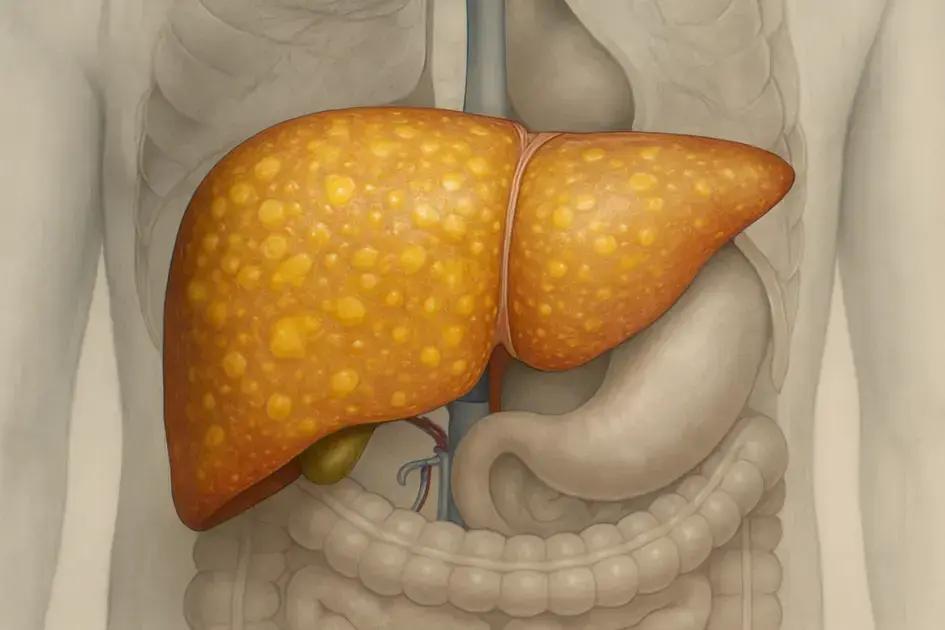
Fixing your liver can be key to lasting weight loss by improving metabolism, fat digestion, and detoxification. A healthy liver supports weight management through diet, exercise, hydration, and avoiding toxins, leading to enhanced overall health and well-being.

Have you ever wondered why why fixing your liver could be the key to lasting weight loss? It turns out this vital organ plays a bigger role in shedding pounds than many realize. Let’s explore how tuning in to your liver’s health can open new doors to lasting results.
Understanding the liver’s role in metabolism
The liver is your body’s metabolic powerhouse, playing a crucial role in how you process everything you eat and drink. Think of it as the ultimate multi-tasker, handling a wide array of chemical reactions that keep you energized and healthy.
Key Metabolic Functions of the Liver
- Processing Nutrients: The liver breaks down carbohydrates, fats, and proteins from your diet into usable energy and building blocks.
- Storing Energy: Excess glucose (sugar) is stored in the liver as glycogen, ready to be released when your body needs a quick energy boost.
- Producing Bile: Bile, a digestive fluid, is produced in the liver and helps to break down fats for absorption.
- Filtering Toxins: The liver filters toxins and waste products from your blood, detoxifying harmful substances.
- Synthesizing Proteins: It produces essential proteins that are vital for blood clotting, immune function, and transporting substances throughout the body.
When your liver functions optimally, your metabolism runs smoothly, helping you maintain a healthy weight and energy level. However, if the liver is struggling, these metabolic processes can become impaired, potentially leading to weight gain and other health issues.
How liver function impacts weight loss

A healthy liver is essential for effective weight management. When your liver functions optimally, it efficiently processes fats, carbohydrates, and proteins, converting them into energy or storing them properly. However, a sluggish or overburdened liver can hinder these processes, leading to weight gain.
The Liver’s Role in Fat Metabolism
The liver plays a pivotal role in breaking down fats. It produces bile, which emulsifies fats, making them easier to digest and absorb. If the liver is compromised, fat metabolism slows down, potentially leading to fat accumulation in the liver and elsewhere in the body.
Impact on Blood Sugar Levels
The liver helps regulate blood sugar levels by storing glucose as glycogen and releasing it when needed. A malfunctioning liver can cause imbalances in blood sugar, leading to cravings and increased fat storage. This can contribute to insulin resistance and, ultimately, weight gain.
Detoxification and Weight
The liver filters toxins from the blood. When it’s overloaded with toxins, it becomes less efficient in its other functions, including fat metabolism. This can slow down weight loss and contribute to inflammation, making it harder to shed pounds.
Hormonal Balance
The liver also helps regulate hormones. Imbalances in hormones, often stemming from poor liver function, can affect metabolism and fat storage. For instance, an unhealthy liver can disrupt the balance of thyroid hormones, impacting your metabolic rate.
Supporting your liver through diet and lifestyle changes can significantly improve its function, thereby promoting efficient weight loss and overall health.
Signs your liver needs support
Recognizing the signs that your liver needs support is crucial for maintaining overall health and achieving weight loss goals. The liver often sends out warning signals when it’s struggling to function optimally. Ignoring these signs can lead to more serious health issues.
Common Signs of Liver Distress
- Persistent Fatigue: Feeling tired even after adequate rest can indicate the liver is working overtime to filter toxins.
- Digestive Issues: Frequent bloating, constipation, or nausea can be signs of impaired bile production, affecting digestion.
- Skin Problems: Conditions like acne, eczema, or itchy skin can be related to the liver’s inability to properly detoxify the blood.
- Abdominal Pain: Discomfort or pain in the upper right abdomen may suggest liver inflammation or enlargement.
- Unexplained Weight Gain: Difficulty losing weight despite diet and exercise efforts could be linked to impaired liver function.
- Changes in Urine or Stool Color: Dark urine or pale stools can indicate bile duct issues or liver dysfunction.
Other Potential Indicators
Other signs to watch out for include hormone imbalances, brain fog, and a general feeling of being unwell. If you experience several of these symptoms, it’s important to consult with a healthcare professional for a thorough evaluation.

Addressing these signs early on can help prevent further damage and support your liver in performing its essential functions, ultimately aiding in weight loss and improving overall well-being.
Common factors that damage the liver

Understanding the common factors that damage the liver is essential for protecting this vital organ and supporting your weight loss efforts. Many everyday habits and environmental exposures can negatively impact liver function.
Dietary Factors
- High Sugar Intake: Excessive consumption of sugary foods and drinks can lead to non-alcoholic fatty liver disease (NAFLD), where fat accumulates in the liver.
- Processed Foods: These often contain high levels of unhealthy fats, additives, and preservatives that can burden the liver.
- Excessive Alcohol Consumption: Alcohol is a known liver toxin, and chronic heavy drinking can cause severe liver damage.
Lifestyle Factors
- Sedentary Lifestyle: Lack of physical activity can contribute to fat buildup in the liver.
- Obesity: Excess body weight, especially around the abdomen, increases the risk of NAFLD.
- Certain Medications: Some medications, such as painkillers and cholesterol-lowering drugs, can be toxic to the liver with prolonged use.
Environmental Factors
- Exposure to Toxins: Environmental pollutants, pesticides, and chemicals in household products can put a strain on the liver’s detoxification processes.
- Infections: Viral infections like hepatitis can cause significant liver damage.
Minimizing exposure to these damaging factors can help maintain a healthy liver, supporting overall well-being and facilitating weight loss.
The link between fatty liver and obesity
There is a strong connection between fatty liver disease and obesity. Understanding this link is crucial for preventing and managing both conditions effectively. Obesity significantly increases the risk of developing fatty liver, and conversely, fatty liver can exacerbate weight issues.
What is Fatty Liver Disease?
Fatty liver disease occurs when there is an excessive buildup of fat in the liver. The two main types are:

- Non-Alcoholic Fatty Liver Disease (NAFLD): This is not caused by excessive alcohol consumption and is strongly associated with obesity, insulin resistance, and metabolic syndrome.
- Alcoholic Fatty Liver Disease: This is caused by heavy alcohol consumption.
How Obesity Contributes to Fatty Liver
Obesity, particularly abdominal obesity, increases the flow of fatty acids to the liver. When the liver is overwhelmed with fat, it starts to accumulate, leading to NAFLD. Insulin resistance, common in obese individuals, further promotes fat accumulation in the liver.
The Vicious Cycle
Fatty liver can worsen obesity by impairing the liver’s ability to regulate blood sugar and metabolism. As the liver becomes less efficient, it can lead to further weight gain, creating a vicious cycle that is hard to break. Inflammation from fatty liver can also disrupt hormonal balance, affecting appetite and fat storage.
Breaking the Cycle
Addressing both obesity and fatty liver requires a comprehensive approach, including weight loss through diet and exercise, managing underlying conditions like insulin resistance, and making lifestyle changes to support liver health. Early intervention can help prevent the progression of fatty liver to more severe conditions like cirrhosis.
Foods that promote liver health
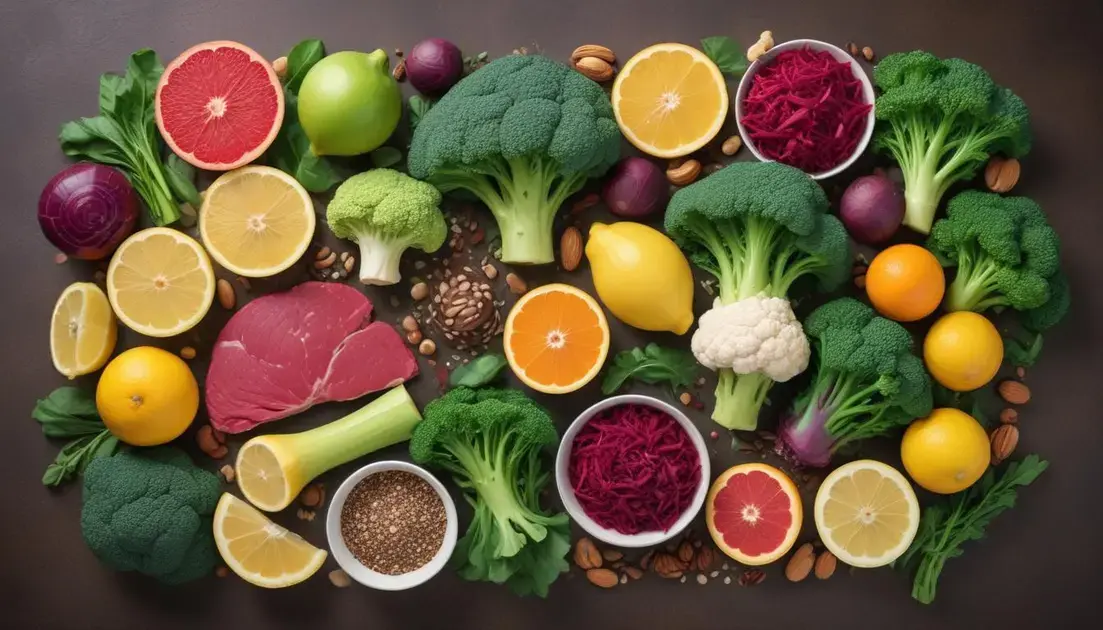
Incorporating specific foods into your diet can significantly promote liver health, supporting its functions and aiding in weight loss. These foods contain essential nutrients and compounds that help detoxify, reduce inflammation, and protect the liver from damage.
Top Foods for Liver Health
- Leafy Greens: Spinach, kale, and other leafy greens are rich in antioxidants and chlorophyll, which help detoxify the liver by neutralizing harmful toxins.
- Garlic and Onions: These contain sulfur compounds that activate liver enzymes responsible for detoxification and help the liver remove toxins.
- Beets: Beets contain betaine, which helps protect the liver from toxins and reduce inflammation.
- Cruciferous Vegetables: Broccoli, cauliflower, and Brussels sprouts are rich in glucosinolates, which help the liver produce detoxification enzymes.
- Citrus Fruits: Lemons and grapefruits are high in vitamin C and antioxidants, which support liver detoxification and reduce inflammation.
- Nuts and Seeds: Walnuts and flaxseeds are good sources of omega-3 fatty acids, which help reduce liver fat and inflammation.
- Green Tea: Rich in antioxidants, particularly catechins, green tea supports liver function and helps prevent fat buildup.
Incorporating These Foods
Make an effort to include these foods in your daily meals. For example, add leafy greens to your salads, use garlic and onions in your cooking, and snack on nuts and seeds. A diet rich in these liver-friendly foods can significantly improve liver health and support weight loss efforts.
How toxins affect your liver and weight
Toxins can significantly impact both your liver health and your weight. The liver is responsible for detoxifying the body, and when it’s overwhelmed by toxins, its function can be compromised, leading to a cascade of health issues, including weight gain.

The Liver’s Detoxification Process
The liver processes toxins in two main phases:
- Phase I: Toxins are converted into intermediate metabolites using enzymes.
- Phase II: These metabolites are then conjugated with other molecules, making them water-soluble so they can be excreted from the body.
Impact of Toxins on Liver Function
When the liver is constantly exposed to high levels of toxins, it can become overworked and less efficient. This can lead to:
- Inflammation: Toxins can cause inflammation in the liver, damaging liver cells and impairing its function.
- Fat Accumulation: A sluggish liver may not process fats effectively, leading to fat accumulation in the liver and contributing to fatty liver disease.
- Reduced Bile Production: Impaired liver function can reduce bile production, affecting fat digestion and absorption.
Toxins and Weight Gain
Toxins can affect weight in several ways:
- Metabolic Slowdown: A toxic liver can slow down metabolism, making it harder to lose weight.
- Hormone Disruption: Toxins can disrupt hormone balance, affecting appetite, energy levels, and fat storage.
- Increased Fat Storage: When the liver can’t efficiently process toxins, the body may store them in fat cells, contributing to weight gain.
Reducing Toxin Exposure
Minimizing exposure to toxins through a clean diet, filtered water, and avoiding environmental pollutants can support liver health and promote weight loss. Supporting the liver’s natural detoxification processes is crucial for overall well-being.
The role of liver detoxification processes

The liver’s detoxification processes are vital for maintaining overall health and supporting weight management. Understanding how the liver detoxifies and how to support these processes can significantly impact your well-being.
The Two Phases of Liver Detoxification
The liver detoxifies in two main phases, each involving a series of enzymatic reactions:
- Phase I Detoxification: This phase transforms toxins into intermediate metabolites through oxidation, reduction, and hydrolysis. Cytochrome P450 enzymes play a crucial role in this phase.
- Phase II Detoxification: This phase conjugates the intermediate metabolites from Phase I with other molecules, making them water-soluble and easier to excrete. Key processes include glucuronidation, sulfation, and glutathione conjugation.
Key Nutrients and Compounds for Detoxification
Several nutrients and compounds support the liver’s detoxification processes:
- Antioxidants: Vitamins C and E, selenium, and glutathione protect liver cells from damage during detoxification.
- Sulfur-Containing Compounds: Found in garlic, onions, and cruciferous vegetables, these compounds support Phase II detoxification.
- Amino Acids: Glycine, taurine, and N-acetylcysteine (NAC) are essential for Phase II conjugation reactions.
- B Vitamins: These vitamins are cofactors for enzymes involved in both Phase I and Phase II detoxification.
Supporting Liver Detoxification
You can support the liver’s detoxification processes through:
- A Clean Diet: Eating whole, unprocessed foods and avoiding toxins from processed foods and additives.
- Hydration: Drinking plenty of water to help flush out toxins.
- Specific Foods: Including liver-supportive foods like leafy greens, beets, and cruciferous vegetables.
- Supplements: Consider supplements like milk thistle, which supports liver cell regeneration, and NAC, which boosts glutathione levels.
Supporting these processes can enhance liver function, improve overall health, and aid in weight loss by ensuring efficient toxin removal and metabolic function.
Exercise and its effects on liver performance
Regular exercise has numerous benefits for overall health, including significant improvements in liver performance. Engaging in physical activity can help reduce fat accumulation, decrease inflammation, and enhance the liver’s detoxification processes.
How Exercise Benefits the Liver
- Reduces Liver Fat: Exercise helps burn excess calories and fat, reducing the amount of fat stored in the liver. This is particularly beneficial for individuals with non-alcoholic fatty liver disease (NAFLD).
- Decreases Inflammation: Physical activity can lower inflammatory markers in the body, reducing liver inflammation and damage.
- Improves Insulin Sensitivity: Exercise enhances insulin sensitivity, which is crucial for preventing and managing NAFLD, as insulin resistance contributes to fat accumulation in the liver.
- Enhances Detoxification: Exercise increases blood flow to the liver, helping it filter toxins more efficiently. Sweating during exercise also aids in toxin elimination.
Types of Exercise for Liver Health
- Aerobic Exercise: Activities like brisk walking, jogging, cycling, and swimming are excellent for burning calories and improving cardiovascular health, both of which benefit the liver. Aim for at least 150 minutes of moderate-intensity aerobic exercise per week.
- Strength Training: Building muscle mass helps increase metabolism and improve insulin sensitivity. Include strength training exercises that target all major muscle groups at least two days per week.
- Yoga and Pilates: These activities can reduce stress, improve circulation, and support liver function. They also promote relaxation, which can indirectly benefit liver health.
Incorporating Exercise into Your Routine
Start slowly and gradually increase the intensity and duration of your workouts. Consult with a healthcare professional before starting a new exercise program, especially if you have existing liver conditions. Making exercise a regular part of your lifestyle can significantly improve liver performance and overall well-being.
Supplements that may aid liver repair
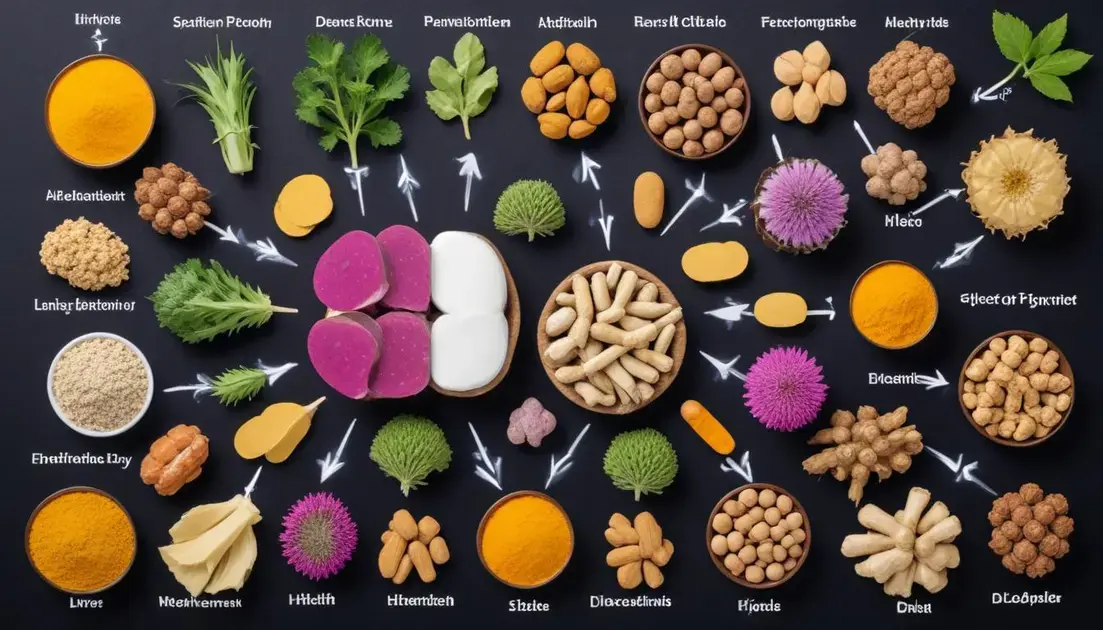

Certain supplements can play a supportive role in liver repair and regeneration. While supplements should not replace a healthy diet and lifestyle, they can provide additional support for liver function and detoxification processes.
Key Supplements for Liver Health
- Milk Thistle: This herb contains silymarin, an antioxidant and anti-inflammatory compound that protects liver cells from damage and promotes liver cell regeneration. Milk thistle is often used to support liver detoxification and improve liver function.
- N-Acetylcysteine (NAC): NAC is a precursor to glutathione, a powerful antioxidant that protects liver cells from damage and supports detoxification. NAC can help boost glutathione levels, aiding the liver in processing toxins.
- Artichoke Extract: Artichoke extract contains compounds that stimulate bile production and improve liver function. It can help reduce inflammation and promote liver cell regeneration.
- Dandelion Root: Dandelion root has diuretic and detoxifying properties, helping to cleanse the liver and promote bile flow. It can also help reduce inflammation and improve liver function.
- Turmeric (Curcumin): Curcumin, the active compound in turmeric, has antioxidant and anti-inflammatory properties that protect liver cells from damage and promote liver cell regeneration.
- Choline: Choline is an essential nutrient that supports liver function by helping to transport fats from the liver and prevent fat accumulation.
Considerations When Using Supplements
Before starting any new supplement, it’s essential to consult with a healthcare professional, especially if you have existing liver conditions or are taking medications. Supplements can interact with medications and may not be suitable for everyone. Choose high-quality supplements from reputable brands to ensure purity and potency.
Incorporating these supplements, along with a healthy diet and lifestyle, can provide additional support for liver repair and regeneration, contributing to overall health and well-being.
How sleep quality influences liver health
Sleep quality has a profound impact on overall health, including liver function. Getting adequate, restful sleep is crucial for liver repair, detoxification, and metabolic processes. Poor sleep can disrupt these processes and contribute to liver damage and related health issues.
The Importance of Sleep for Liver Health
- Liver Repair and Regeneration: The liver performs many of its repair and regeneration processes during sleep. Adequate sleep allows the liver to effectively rebuild damaged cells and maintain optimal function.
- Detoxification: Sleep is essential for the liver’s detoxification processes. During sleep, the liver processes and eliminates toxins accumulated throughout the day.
- Metabolic Regulation: Sleep affects metabolic hormones like insulin and cortisol, which play a role in liver function. Poor sleep can disrupt these hormones, leading to insulin resistance and fat accumulation in the liver.
Effects of Poor Sleep on the Liver
Poor sleep quality can have several negative effects on the liver:
- Increased Liver Inflammation: Lack of sleep can increase inflammatory markers in the body, contributing to liver inflammation and damage.
- Fatty Liver Disease: Poor sleep can disrupt fat metabolism, leading to fat accumulation in the liver and increasing the risk of non-alcoholic fatty liver disease (NAFLD).
- Impaired Detoxification: Insufficient sleep can hinder the liver’s ability to detoxify effectively, leading to toxin buildup in the body.
Tips for Improving Sleep Quality
- Establish a Consistent Sleep Schedule: Go to bed and wake up at the same time every day to regulate your body’s natural sleep-wake cycle.
- Create a Relaxing Bedtime Routine: Engage in calming activities before bed, such as reading, taking a warm bath, or practicing relaxation techniques.
- Optimize Your Sleep Environment: Make sure your bedroom is dark, quiet, and cool. Use blackout curtains, earplugs, or a white noise machine if needed.
- Avoid Caffeine and Alcohol Before Bed: These substances can interfere with sleep.
- Limit Screen Time Before Bed: The blue light emitted from electronic devices can disrupt sleep.
Prioritizing sleep and implementing strategies to improve sleep quality can significantly benefit liver health, supporting its functions and promoting overall well-being.
Hydration and its impact on liver function

Adequate hydration is crucial for maintaining optimal liver function and supporting overall health. Water plays a vital role in numerous bodily processes, including detoxification, nutrient transport, and waste removal. Proper hydration can significantly impact the liver’s ability to perform its essential functions effectively.
How Hydration Supports Liver Function
- Detoxification: The liver relies on water to flush out toxins and waste products from the body. Water helps dissolve these substances, making them easier to process and eliminate through urine and sweat.
- Bile Production: Water is a key component of bile, a digestive fluid produced by the liver that helps break down fats. Adequate hydration ensures that the liver can produce sufficient bile for efficient fat digestion and absorption.
- Nutrient Transport: Water helps transport essential nutrients to the liver, enabling it to perform its metabolic functions effectively.
- Blood Circulation: Proper hydration maintains healthy blood volume and circulation, ensuring that the liver receives an adequate supply of oxygen and nutrients.
Signs of Dehydration and Their Impact on the Liver
Dehydration can negatively impact liver function, leading to:
- Reduced Detoxification: When dehydrated, the liver’s ability to flush out toxins is impaired, leading to a buildup of harmful substances in the body.
- Impaired Bile Production: Dehydration can reduce bile production, affecting fat digestion and absorption.
- Increased Liver Stress: Dehydration puts additional stress on the liver, making it harder to perform its essential functions.
Tips for Staying Hydrated
- Drink Plenty of Water: Aim to drink at least 8 glasses (64 ounces) of water per day.
- Include Hydrating Foods: Consume fruits and vegetables with high water content, such as watermelon, cucumbers, and celery.
- Avoid Sugary Drinks: Limit your intake of sugary drinks like soda and juice, which can dehydrate you and harm your liver.
- Monitor Urine Color: Aim for light yellow urine, which indicates good hydration.
- Carry a Water Bottle: Keep a water bottle with you throughout the day to remind yourself to drink regularly.
Staying adequately hydrated is a simple yet effective way to support liver function, promote overall health, and aid in weight management. Prioritizing hydration can significantly benefit your liver and contribute to your overall well-being.
Practical lifestyle changes to support your liver
Adopting practical lifestyle changes can significantly support liver health and promote overall well-being. These changes focus on reducing the liver’s workload, minimizing exposure to toxins, and providing the nutrients it needs to function optimally.
Dietary Changes
- Eat a Liver-Friendly Diet: Focus on whole, unprocessed foods, including plenty of fruits, vegetables, and lean proteins. Limit your intake of sugary foods, processed foods, and unhealthy fats.
- Increase Fiber Intake: Fiber helps remove toxins from the body and supports healthy digestion. Include fiber-rich foods like whole grains, fruits, and vegetables in your diet.
- Stay Hydrated: Drink plenty of water throughout the day to support detoxification and liver function.
- Limit Alcohol Consumption: Reduce or eliminate alcohol intake to minimize liver damage.
Lifestyle Adjustments
- Exercise Regularly: Engage in regular physical activity to burn excess fat, reduce inflammation, and improve insulin sensitivity.
- Get Enough Sleep: Aim for 7-9 hours of quality sleep per night to support liver repair and regeneration.
- Manage Stress: Practice stress-reducing techniques like meditation, yoga, or deep breathing exercises to lower cortisol levels and support liver function.
- Avoid Exposure to Toxins: Minimize exposure to environmental toxins, such as pesticides, chemicals, and pollutants.
Supplementation
- Consider Liver-Supportive Supplements: Talk to your doctor about supplements like milk thistle, NAC, and choline, which can support liver function and detoxification.
Detoxification Practices
- Support Natural Detoxification: Encourage your body’s natural detoxification processes by drinking herbal teas, using a sauna, and practicing deep breathing exercises.
Implementing these practical lifestyle changes can significantly improve liver health, support overall well-being, and aid in weight management. Making these changes a part of your daily routine can have long-lasting benefits for your liver and your health.
Monitoring liver health: tests and indicators

Monitoring liver health is crucial for early detection of potential issues and preventing further damage. Several tests and indicators can help assess liver function and identify any abnormalities. Regular monitoring is particularly important for individuals at risk of liver disease.
Common Liver Function Tests
- Alanine Aminotransferase (ALT): ALT is an enzyme found primarily in the liver. Elevated ALT levels can indicate liver damage or inflammation.
- Aspartate Aminotransferase (AST): AST is another enzyme found in the liver and other tissues. Elevated AST levels can also indicate liver damage, although they may also be elevated due to other conditions.
- Alkaline Phosphatase (ALP): ALP is an enzyme found in the liver, bile ducts, and bones. Elevated ALP levels can indicate liver or bile duct problems.
- Bilirubin: Bilirubin is a yellow pigment produced during the breakdown of red blood cells. Elevated bilirubin levels can indicate liver damage or bile duct obstruction.
- Albumin: Albumin is a protein produced by the liver. Low albumin levels can indicate liver damage or malnutrition.
- Prothrombin Time (PT): PT measures how long it takes for blood to clot. Prolonged PT can indicate liver damage or a deficiency in clotting factors.
Other Indicators of Liver Health
- Physical Examination: A doctor can perform a physical examination to check for signs of liver disease, such as jaundice (yellowing of the skin and eyes), abdominal swelling, or an enlarged liver.
- Imaging Tests: Imaging tests like ultrasound, CT scan, and MRI can provide detailed images of the liver and help detect abnormalities.
- Liver Biopsy: In some cases, a liver biopsy may be necessary to obtain a tissue sample for further examination.
Regular Monitoring
Individuals at risk of liver disease, such as those with a history of alcohol abuse, hepatitis, or obesity, should undergo regular liver function tests to monitor their liver health. Early detection and intervention can help prevent the progression of liver disease and improve outcomes.
By monitoring liver health through regular tests and indicators, you can take proactive steps to protect your liver and maintain overall well-being.
Real-life stories of liver improvement and weight loss
Hearing real-life stories of individuals who have improved their liver health and experienced weight loss can be incredibly inspiring and motivating. These stories highlight the power of lifestyle changes and proactive care in transforming health and well-being.
Story 1: Sarah’s Journey with NAFLD
Sarah, a 45-year-old woman, was diagnosed with non-alcoholic fatty liver disease (NAFLD) during a routine check-up. She was overweight and had elevated liver enzymes. Sarah made significant changes to her diet, focusing on whole, unprocessed foods and reducing her intake of sugar and unhealthy fats. She also started exercising regularly, incorporating both aerobic and strength training into her routine. Over time, Sarah lost weight, her liver enzymes returned to normal, and she reported feeling more energetic and healthier overall.
Story 2: Mark’s Recovery from Alcohol-Related Liver Damage
Mark, a 52-year-old man, had a history of heavy alcohol consumption. He was diagnosed with alcohol-related liver damage and advised to abstain from alcohol completely. Mark sought support from a therapist and support groups to help him quit drinking. He also adopted a liver-friendly diet and started taking milk thistle supplements. Over time, Mark’s liver function improved, and he experienced significant improvements in his overall health and quality of life.
Story 3: Emily’s Success with Weight Loss and Liver Detox
Emily, a 38-year-old woman, struggled with weight loss despite trying various diets and exercise programs. She learned about the importance of liver health and decided to focus on supporting her liver’s detoxification processes. Emily incorporated liver-friendly foods like leafy greens, beets, and cruciferous vegetables into her diet. She also started drinking plenty of water and taking NAC supplements. Emily experienced improved liver function, increased energy levels, and significant weight loss.
Key Takeaways from These Stories
- Lifestyle Changes are Key: Diet and exercise play a crucial role in improving liver health and promoting weight loss.
- Support is Essential: Seeking support from healthcare professionals, therapists, and support groups can greatly enhance your chances of success.
- Patience and Persistence are Necessary: Improving liver health and losing weight takes time and effort. Be patient with yourself and stay committed to your goals.
These real-life stories demonstrate that it is possible to improve liver health and achieve weight loss through proactive care and lifestyle changes. By learning from these experiences, you can embark on your own journey to better health and well-being.
Taking care of your liver is key to overall health and successful weight loss. By understanding the liver’s role in metabolism, making practical lifestyle changes, and seeking support when needed, you can significantly improve your liver health and well-being. Remember, a healthy liver is essential for a healthy life, so start prioritizing your liver today for a brighter, healthier future.
Frequently Asked Questions About Liver Health and Weight Loss
Why is liver health important for weight loss?
The liver plays a key role in metabolism, fat digestion, and detoxification. A healthy liver ensures these processes function efficiently, supporting weight loss efforts.
What are the signs that my liver needs support?
Common signs include persistent fatigue, digestive issues, skin problems, abdominal pain, and unexplained weight gain.
What foods promote liver health?
Leafy greens, garlic, onions, beets, cruciferous vegetables, citrus fruits, nuts, seeds, and green tea are all beneficial for liver health.
How do toxins affect the liver?
Toxins can overwhelm the liver, causing inflammation, fat accumulation, and impaired detoxification, which can lead to weight gain and other health issues.
What role does exercise play in liver health?
Exercise helps reduce liver fat, decreases inflammation, improves insulin sensitivity, and enhances the liver’s detoxification processes.