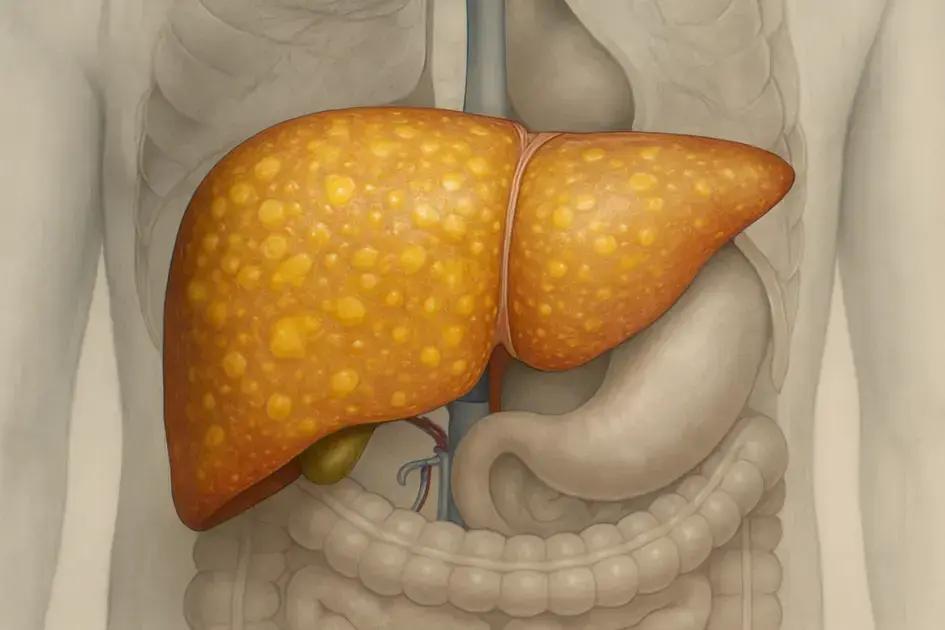
Liver disease encompasses various conditions that impair liver function, including fatty liver disease, cirrhosis, and hepatitis, with symptoms like fatigue and jaundice, which can be managed through lifestyle changes, medications, and ongoing research into new treatments.

Liver disease is a serious health concern that affects millions of people around the globe. Understanding its forms, symptoms, and treatment can empower you to manage your health effectively. Have you ever considered how your daily habits impact your liver health?
What is liver disease?
Liver disease refers to any condition that impairs liver function. The liver is crucial for many bodily processes, including detoxification, protein synthesis, and digestion of nutrients. When the liver is damaged, it affects the entire body’s health.
Types of Liver Disease
There are several common types of liver disease. These include:
- Hepatitis: Inflammation of the liver, often caused by viruses.
- Cirrhosis: Scarring of the liver due to long-term damage, which can lead to liver failure.
- Fatty liver disease: Accumulation of fat in the liver, which can be related to obesity, diabetes, and alcohol consumption.
Symptoms to Watch For
Individuals with liver disease might experience symptoms such as:
- Fatigue and weakness
- Jaundice (yellowing of the skin and eyes)
- Abdominal pain or swelling
If you notice these symptoms, it is essential to consult a healthcare provider for proper diagnosis and treatment.

Common types of liver diseases
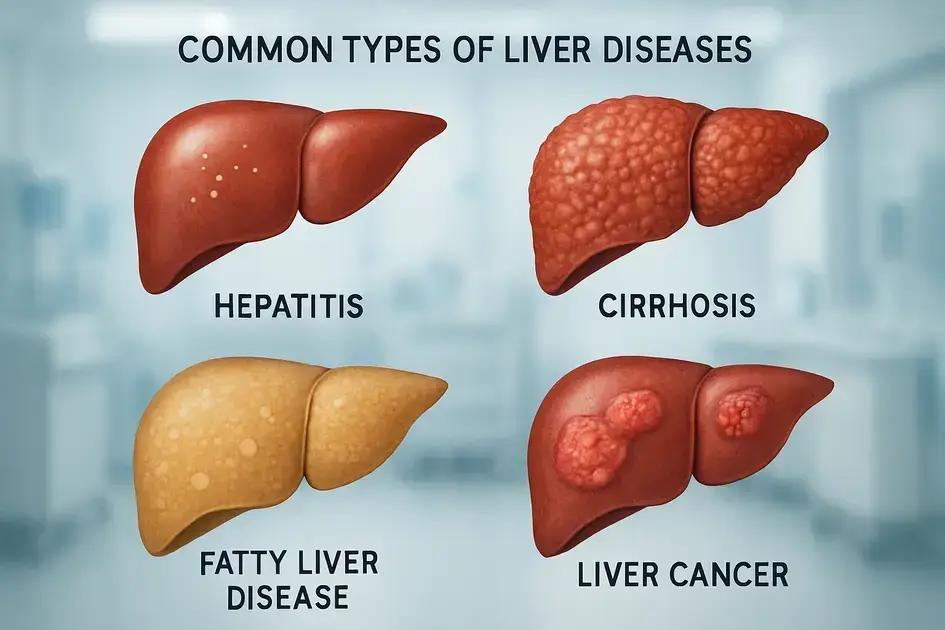
When discussing liver health, it is important to understand the common types of liver diseases that can affect individuals. Each type has unique characteristics and can impact the body differently.
Hepatitis
One of the most well-known liver diseases is hepatitis, which is an inflammation of the liver. It can be caused by viral infections (like Hepatitis A, B, and C), toxic substances, or autoimmune diseases. The symptoms may include fatigue, jaundice, and pain in the upper right abdomen.
Cirrhosis
Cirrhosis refers to the scarring of the liver due to long-term damage. This condition is often the result of chronic liver diseases such as hepatitis or excessive alcohol consumption. Symptoms can worsen over time and may include swelling in the legs and abdomen, fatigue, and easy bruising.
Fatty Liver Disease
Fatty liver disease occurs when excess fat builds up in liver cells. It can be linked to obesity, diabetes, and heavy drinking. There are two main types: alcoholic fatty liver disease and nonalcoholic fatty liver disease. Symptoms might be minimal, making it essential to monitor liver function.
Alcoholic Liver Disease
This condition arises from excessive alcohol intake, leading to inflammation and liver damage. Symptoms include jaundice, swelling, and abdominal pain. Reducing alcohol consumption can help prevent further liver damage.
Liver Cancer
Liver cancer is a serious condition often arising in people with chronic liver diseases. Early detection can improve treatment outcomes. Symptoms can include weight loss, loss of appetite, and persistent pain.

Symptoms to watch for
Recognizing symptoms of liver disease early can significantly impact treatment and recovery. Being aware of these signs is essential for maintaining liver health.
Fatigue
One of the first signs many people report is extreme fatigue. This overwhelming tiredness can make everyday tasks challenging and may not improve with rest.
Jaundice
Jaundice is characterized by yellowing of the skin and the whites of the eyes. This occurs when the liver cannot process bilirubin properly, leading to its buildup in the bloodstream.
Abdominal Pain
Another common symptom is pain in the upper right abdomen. This discomfort can range from a dull ache to sharp pain and may worsen after eating fatty foods.
Swelling
Swelling in the legs, ankles, or abdomen may occur due to fluid buildup. This can be a sign of liver disease and should be evaluated by a healthcare provider.
Changes in Appetite
Loss of appetite or unintended weight loss can indicate liver issues. People may also experience a change in taste or aversion to certain foods.

Dark Urine and Pale Stool
Dark urine and pale or clay-colored stools can also signal liver problems. These changes occur due to the liver’s altered ability to process bilirubin.
How liver disease is diagnosed
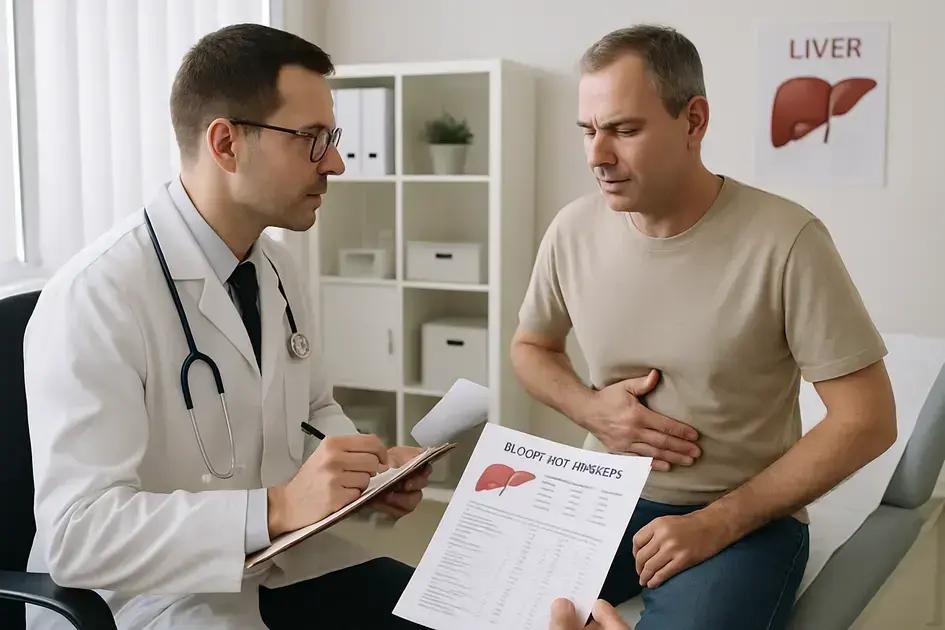
Diagnosing liver disease typically involves a combination of medical history, physical examination, and specific tests to assess liver function and identify any underlying issues.
Medical History
The diagnostic process usually starts with a detailed medical history taken by the healthcare provider. They will ask about symptoms, lifestyle choices, medication use, and any family history of liver disease.
Physical Examination
A thorough physical examination is essential. The doctor may check for signs of liver disease, such as jaundice, abdominal swelling, and tenderness in the liver area. This exam helps identify any immediate health concerns.
Blood Tests
Blood tests play a critical role in diagnosing liver disease. They help assess liver enzymes, bilirubin levels, and proteins produced by the liver. Elevated enzyme levels can indicate liver inflammation or damage.
Imaging Tests
Imaging tests, such as ultrasound, CT scans, or MRIs, provide detailed pictures of the liver’s structure. These tests help to evaluate any abnormalities, such as tumors or fatty deposits in the liver.
Liver Biopsy
In some cases, a liver biopsy may be necessary. This procedure involves taking a small sample of liver tissue to examine for signs of disease. A biopsy can provide definitive information about the liver’s condition.
Other Tests
Healthcare providers may also use other specialized tests such as elastography, which measures liver stiffness, to further evaluate liver health. Accurate diagnosis requires a combination of these approaches.
Treatment options for liver disease
Treatment options for liver disease vary depending on the type, stage, and underlying cause of the disease. Early diagnosis can lead to more effective treatment plans.
Medications
Many liver diseases can be treated effectively with medications. For example, antiviral drugs may help manage viral hepatitis. Other medications can reduce liver inflammation and manage symptoms associated with liver disease.
Lifestyle Changes
Lifestyle changes are critical in managing liver health. These may include adopting a healthier diet, reducing alcohol intake, and maintaining a healthy weight. Consuming a balanced diet rich in fruits, vegetables, and whole grains can support liver function.
Regular Monitoring
Regular monitoring through blood tests and imaging studies is essential to assess liver function and monitor the progression of the disease. Your healthcare provider may recommend routine check-ups to track changes in liver health over time.

Medical Procedures
In some cases, medical procedures may be necessary. This can include procedures such as endoscopy to treat varices or surgery to remove tumors. In advanced cases, a liver transplant may be required.
Alternative Therapies
Some patients consider alternative therapies to complement traditional treatments. While these therapies may provide relief, it is essential to consult with a healthcare provider before trying them to ensure they are safe and effective.
Supportive Care
Supportive care is important for individuals with liver disease. This can include counseling, dietitian support, and support groups to help manage the emotional challenges of living with liver disease.
Lifestyle changes to manage liver health
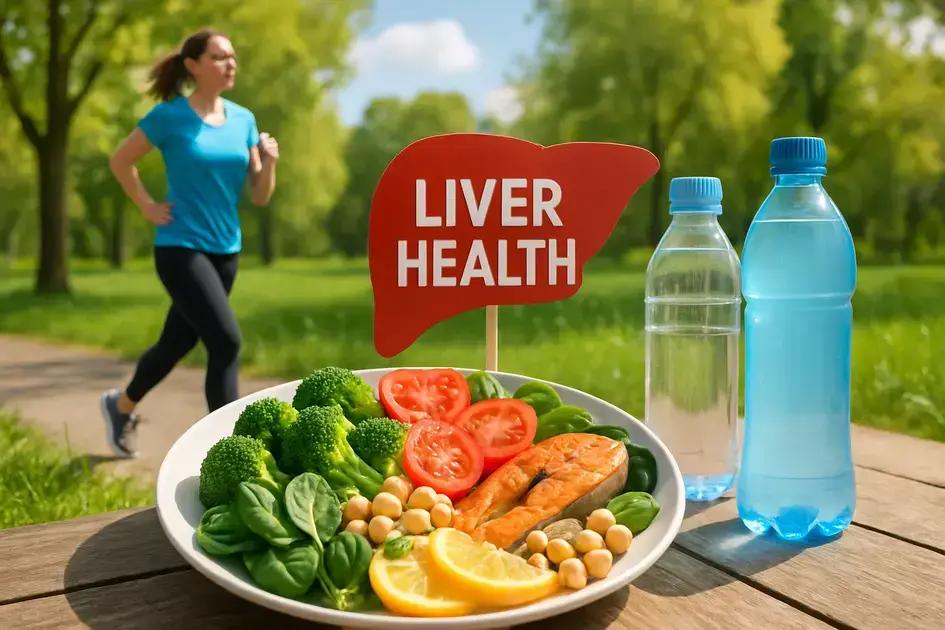
Making lifestyle changes can significantly improve liver health and help manage liver disease. Here are some essential changes to consider.
Healthy Diet
Eating a balanced diet that is rich in fruits, vegetables, whole grains, and lean proteins is vital. This helps to reduce fat in the liver and promotes overall health. Avoiding excessive sugar and processed foods is also important.
Regular Exercise
Regular physical activity is beneficial for maintaining a healthy weight and reducing liver fat. Aim for at least 150 minutes of moderate exercise each week. Activities like walking, swimming, or biking can be effective.
Alcohol Consumption
Limiting or completely avoiding alcohol is crucial for liver health. Alcohol can lead to liver inflammation and damage. If you drink, do so in moderation, following guidelines that suggest no more than one drink per day for women and two for men.
Avoiding Toxins
Avoiding exposure to toxins can help protect the liver. This includes staying away from harmful chemicals found in certain cleaning products and pesticides. Always use protective gear when handling chemicals.
Stay Hydrated
Drinking plenty of water is essential for overall health and helps the liver to function properly. Aim for at least eight glasses of water a day to stay hydrated.
Regular Health Check-ups
Scheduling regular check-ups with a healthcare provider is important for monitoring liver health. This allows for early detection of any potential issues and timely intervention if needed.
The role of diet in liver disease
The role of diet in managing liver disease is crucial. A healthy diet can help improve liver function and lower the risk of further complications. Here are important dietary considerations.
Balanced Nutrition
A balanced diet that includes a variety of nutrients is essential for liver health. This includes fruits, vegetables, whole grains, lean proteins, and healthy fats. These foods provide the vitamins and minerals needed for optimal liver function.
Limiting Saturated Fats
Reducing saturated fats found in fried foods, red meats, and full-fat dairy products can help in managing liver disease. Instead, opt for healthy fats like those from avocados, nuts, and olive oil, which can benefit overall health.
Reducing Sugar Intake
Limiting added sugars is vital, as excessive sugar can contribute to fat accumulation in the liver. Focus on natural sugars found in fruits and avoid sugary drinks and snacks to support liver health.
Hydration
Staying well-hydrated is important for liver function. Drinking enough water helps the liver flush out toxins. Aim for at least eight glasses of water daily.
Fiber-Rich Foods
Incorporating fiber-rich foods, such as whole grains, legumes, fruits, and vegetables, supports digestion and can help lower cholesterol levels. Fiber also aids in maintaining a healthy weight, which is crucial for liver health.
Moderation with Alcohol
If you have liver disease, it is essential to limit or avoid alcohol. Alcohol can further damage the liver and exacerbate existing health issues.
Impact of alcohol on liver health
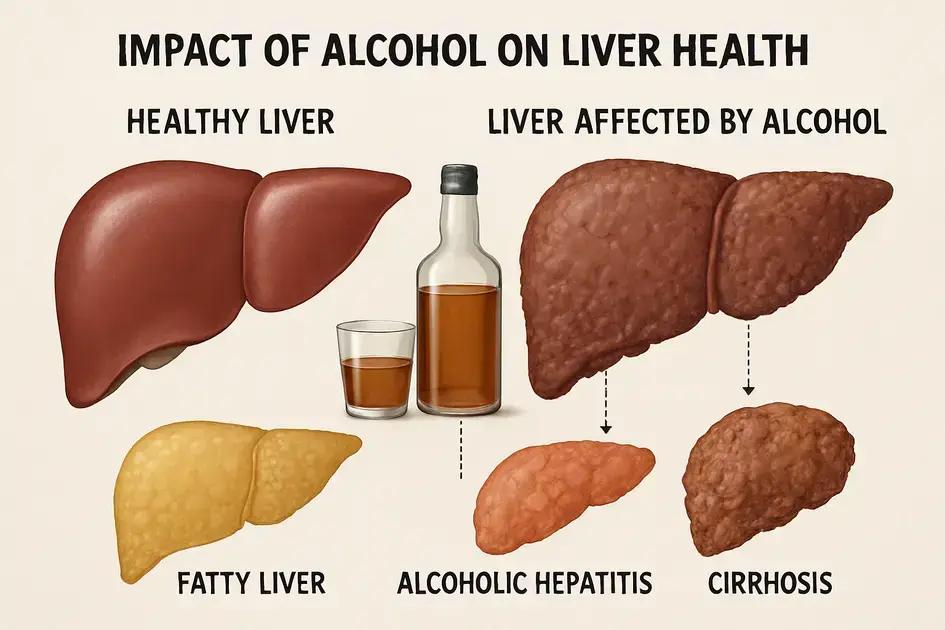
The impact of alcohol on liver health is significant and can lead to various liver diseases. Understanding how alcohol affects the liver is essential for maintaining overall health.
Alcohol Metabolism
The liver plays a crucial role in metabolizing alcohol. When you consume alcohol, the liver processes it to remove it from the bloodstream. However, excessive alcohol intake can overwhelm the liver, leading to serious damage.
Fatty Liver Disease
One of the first signs of alcohol-related damage is fatty liver disease. This condition occurs when fat builds up in liver cells due to excessive drinking. It often has no symptoms, but it can progress to more severe liver conditions.
Alcoholic Hepatitis
Prolonged alcohol abuse can lead to alcoholic hepatitis, which is inflammation of the liver. Symptoms may include jaundice, abdominal pain, and swelling. In severe cases, this condition can be life-threatening.
Cirrhosis
Chronic alcohol abuse is a leading cause of cirrhosis, which is severe scarring of the liver. Cirrhosis can cause liver failure and significantly affect overall health. Once cirrhosis develops, it cannot be reversed.
Increased Risk of Liver Cancer
Individuals with liver disease due to alcohol are at a higher risk of liver cancer. The combination of cirrhosis and chronic inflammation increases this risk, making regular check-ups important for early detection.
Moderation is Key
To protect liver health, it’s vital to consume alcohol in moderation. Understanding recommended guidelines can help prevent long-term damage. If you have liver disease, it may be best to abstain from alcohol altogether.
Liver disease and genetics
Liver disease can be influenced by genetics. Understanding the genetic factors that contribute to liver conditions is essential for prevention and treatment.
Genetic Predisposition
Some individuals may have a genetic predisposition to liver diseases, meaning they are more likely to develop these conditions based on their family history. Genetic mutations can affect how the liver processes substances, making some people more vulnerable to liver damage.
Hereditary Conditions
There are specific hereditary conditions that can affect liver health, such as:
- Hemochromatosis: A condition that causes excessive iron accumulation in the liver, potentially leading to cirrhosis.
- Wilson’s disease: A genetic disorder that leads to copper buildup in the liver and other organs, causing serious health problems.
- Alpha-1 antitrypsin deficiency: A genetic disorder that can result in liver damage and lung disease.
Impact of Family History
Understanding your family history of liver disease can help you and your healthcare provider identify your risk. Those with relatives who have had liver issues may need to undergo regular screenings to monitor their liver health.
Genetic Testing
Genetic testing can help diagnose inherited liver diseases. Knowing your genetic risk factors allows for early intervention and tailored treatment plans to manage liver health effectively.
Research and Advances
Research in the field of genetics and liver disease is ongoing. Advances in genetics may lead to better understanding, prevention, and treatment options for liver conditions in the future.
Common misconceptions about liver disease
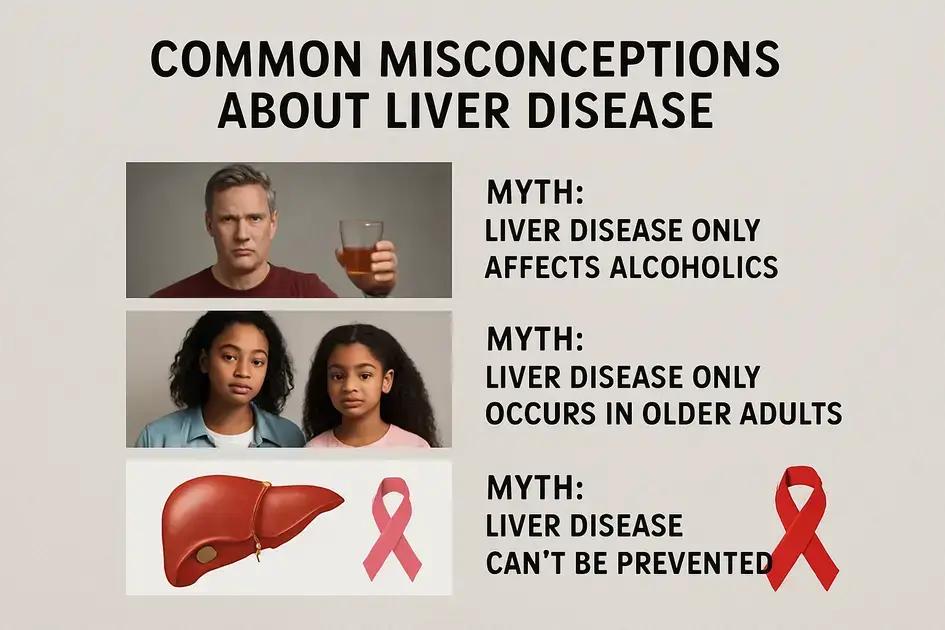
There are many common misconceptions about liver disease that can lead to misunderstandings about its causes, symptoms, and treatments. Here are a few of these myths debunked.
Myth 1: Only Alcoholics Get Liver Disease
Many believe that only people who drink excessive alcohol develop liver disease. However, liver disease can affect anyone, regardless of their alcohol consumption. Conditions like fatty liver disease and hepatitis can occur due to obesity, viruses, and other factors.
Myth 2: Liver Disease is Always Symptomatic
Not all liver diseases show clear symptoms in the early stages. Many individuals may have liver disease without realizing it, as symptoms may develop gradually. Regular screening is essential for early detection.
Myth 3: Liver Disease is Caused by Too Much Fat in the Diet
While a high-fat diet can contribute to liver problems, it is not the only cause. Other factors such as genetics, medications, and viral infections can also lead to liver disease.
Myth 4: Herbal Supplements are Safe for the Liver
Some people believe that all herbal supplements are safe for liver health. However, certain herbal products can cause liver damage. It’s important to consult a healthcare professional before starting any supplements.
Myth 5: You Can’t Reverse Liver Disease
Although some liver damage is irreversible, many liver conditions can be managed or improved with lifestyle changes and treatment. Early intervention can lead to better outcomes and even complete recovery in some cases.
Myth 6: Liver Disease Only Affects Older Adults
Another misconception is that liver disease only affects older individuals. In reality, liver disease can affect people of all ages, including children and young adults, especially those with underlying health conditions.
Preventive measures for liver disease
Preventive measures are crucial in maintaining liver health and reducing the risk of liver disease. Here are key strategies to consider:
Healthy Diet
A nutritious diet rich in fruits, vegetables, whole grains, and lean proteins supports liver function. Limiting saturated fats, sugars, and processed foods is equally important. A balanced diet helps prevent fatty liver disease and other liver complications.
Regular Exercise
Engaging in regular physical activity can help maintain a healthy weight and reduce liver fat. Aim for at least 150 minutes of moderate exercise each week, including activities like walking, swimming, or cycling.
Limit Alcohol Intake
To protect liver health, it’s essential to limit alcohol consumption. Alcohol can lead to liver inflammation and damage. If you choose to drink, do so in moderation, following the recommended guidelines.
Avoid Toxins
Avoiding exposure to harmful chemicals in cleaning products, pesticides, and certain medications can help protect your liver. Always use appropriate safety gear when handling chemicals.
Vaccinations
Vaccinations against hepatitis A and B can help prevent these viral infections that affect the liver. Consult with your healthcare provider about the appropriate vaccines for your age and lifestyle.
Regular Check-ups
Routine health check-ups are vital for monitoring liver function. Regular blood tests can help detect any liver issues early, allowing for timely intervention and management.
Hydration
Staying well-hydrated is essential for overall health, including liver function. Drink plenty of water throughout the day to help your liver efficiently detoxify your body.
Frequently asked questions about liver disease
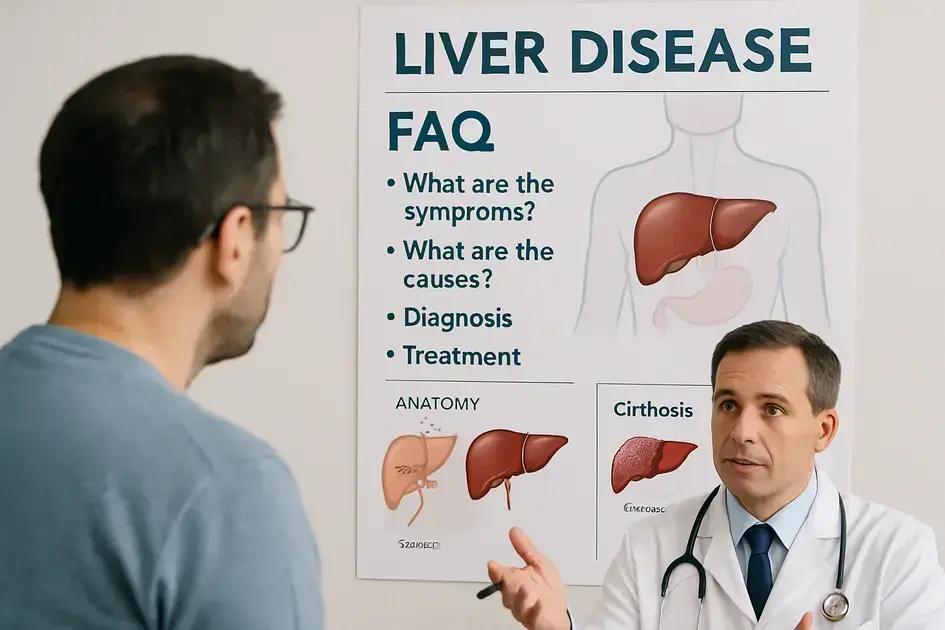
Here are some frequently asked questions about liver disease that can help improve understanding and awareness.
What is liver disease?
Liver disease refers to any condition that harms the liver’s function. It can range from inflammation and fatty liver disease to cirrhosis and liver cancer.
What are the common symptoms of liver disease?
Common symptoms include fatigue, jaundice (yellowing of the skin and eyes), abdominal swelling, and easy bruising. Many people may not experience noticeable symptoms until the disease is advanced.
Who is at risk for liver disease?
People at risk include those with a history of heavy alcohol consumption, obesity, diabetes, viral hepatitis, and certain genetic conditions. Family history of liver disease can also increase risk.
Can liver disease be treated?
Yes, many types of liver disease can be treated or managed with lifestyle changes, medications, and in some cases, surgery. Early detection and intervention are critical for better outcomes.
How can I prevent liver disease?
Preventive measures include maintaining a balanced diet, exercising regularly, limiting alcohol intake, avoiding toxins, and getting vaccinated against hepatitis A and B.
Is liver disease reversible?
Some liver diseases, such as fatty liver disease, can be reversed with lifestyle changes. However, severe damage, like cirrhosis, is typically irreversible, making early intervention vital.
When should I see a doctor?
If you experience symptoms like jaundice, severe fatigue, or abdominal pain, it is essential to seek medical advice. Regular check-ups are also important for those at high risk.
Emerging research in liver disease treatments
Emerging research is providing new hope for those affected by liver disease. This includes innovative treatment options and new insights into liver health.
Gene Therapy
Gene therapy is being explored as a potential treatment for genetic liver disorders. This approach involves correcting defective genes that cause liver diseases, offering the possibility of effective long-term solutions.
New Medications
Researchers are developing new medications that target specific liver conditions more effectively than traditional treatments. For example, drugs that reduce liver inflammation or promote liver regeneration are in various stages of clinical trials.
Stem Cell Therapy
Stem cell therapy is another exciting area of research. Scientists are investigating the potential of stem cells to regenerate damaged liver tissue, which could benefit patients with chronic liver conditions.
Personalized Medicine
Advances in personalized medicine are allowing treatments to be tailored based on an individual’s genetic makeup and specific liver disease. This approach aims for more effective and targeted therapies with fewer side effects.
Impact of Lifestyle Changes
Research is also highlighting the effects of lifestyle changes on liver health. Studies show that diet, exercise, and weight management can significantly improve liver function and overall health.
Clinical Trials
Ongoing clinical trials are essential for discovering new treatments. Patients may have opportunities to participate in trials that test cutting-edge therapies, contributing to future advancements in liver disease management.
Support resources for patients

Support resources are essential for patients dealing with liver disease. These resources can provide information, emotional support, and practical assistance.
Support Groups
Joining a support group can be beneficial for patients. These groups allow individuals to share their experiences and learn from others facing similar challenges. Support groups can be found locally or online, making it easy to connect with others.
Educational Resources
Access to accurate educational resources can help patients understand their condition better. Websites, brochures, and books can provide valuable information on liver disease, treatment options, and lifestyle changes that promote liver health.
Counseling Services
Many patients can benefit from counseling services to address emotional or psychological challenges related to their condition. Mental health professionals can help patients cope with stress, anxiety, or depression that may stem from living with a chronic illness.
Nutritional Guidance
Nutrition plays a critical role in liver health. Seeking advice from a registered dietitian who specializes in liver disease can assist patients in creating a meal plan that supports liver function and overall well-being.
Healthcare Team
A strong healthcare team is vital. Patients should ensure they have access to a gastroenterologist or hepatologist who is knowledgeable about liver diseases. Regular check-ups and open communication with healthcare providers can lead to better management of the condition.
Online Communities
Many online forums and communities provide a platform for patients and caregivers to connect. These communities can be a source of encouragement, shared advice, and information on the latest research in liver disease.
How to support a loved one with liver disease
Supporting a loved one with liver disease can be challenging but very important. Here are some ways to provide meaningful support:
Educate Yourself
Understanding liver disease is crucial. Take the time to learn about the condition, treatment options, and potential challenges. This knowledge will help you offer informed support and empathy.
Be There Emotionally
Being present for your loved one is vital. Offer a listening ear and be there to talk about their feelings and concerns. Emotional support can alleviate feelings of isolation or anxiety.
Help with Daily Tasks
Assist with daily activities that may become overwhelming due to illness. This can include cooking healthy meals, running errands, or helping with housekeeping chores. Your support can relieve some of their stress.
Encourage Healthy Habits
Promote a healthy lifestyle by encouraging your loved one to adopt positive habits. This may involve helping them prepare nutritious meals, engaging in physical activity, and reminding them to stay hydrated.
Attend Appointments Together
Offer to accompany them to medical appointments. This not only provides physical support but also allows you to understand their treatment plan and discuss any concerns with healthcare providers.
Connect with Support Groups
Help your loved one find support groups where they can share experiences with others facing similar challenges. Joining these groups can reduce feelings of loneliness and provide practical advice.
Be Patient and Understanding
Patients with liver disease may experience mood swings or fatigue. Be patient and understanding during challenging times. Let them know you are there for them, no matter what.
The future of liver disease management

The future of liver disease management looks promising, thanks to advances in research and technology. Here are some key areas that are shaping the future:
Personalized Medicine
One of the most exciting developments is personalized medicine. Treatment plans will be tailored to the individual based on their genetic makeup, lifestyle, and specific type of liver disease. This can lead to more effective and targeted therapies.
Artificial Intelligence
Artificial intelligence (AI) is playing a crucial role in managing liver diseases. AI algorithms can help analyze large sets of medical data to identify patterns and predict outcomes. This can assist healthcare providers in making better treatment decisions.
Telemedicine
Telemedicine is making it easier for patients to access care. Patients can consult with specialists from the comfort of their homes, making it more convenient to manage liver health. Remote monitoring technologies can also track symptoms and liver function in real time.
Regenerative Medicine
Regenerative medicine is an emerging field that focuses on repairing or replacing damaged liver tissue using stem cells or tissue engineering. This could potentially restore liver function in patients with severe liver damage.
New Therapeutic Approaches
Research is ongoing to develop new therapeutic approaches to liver disease. This includes investigating novel medications targeting specific liver conditions, as well as new ways to combat viral infections like hepatitis.
Increased Awareness and Education
As awareness of liver disease increases, so does the importance of education. Campaigns aimed at educating the public about liver health, prevention strategies, and early signs of liver disease will contribute to timely diagnosis and treatment.
In Summary: Understanding Liver Disease
Liver disease is a serious health issue that affects many individuals. By educating ourselves about the symptoms, causes, and available treatments, we can better support ourselves and our loved ones.
Adopting preventive measures, such as maintaining a healthy lifestyle and regular medical check-ups, plays a vital role in liver health. Moreover, accessing support resources can help manage this condition effectively.
As research advances, the future of liver disease management looks promising. New therapies, technologies, and personalized medicine will improve the quality of care and outcomes for patients.
Staying informed about liver disease is crucial, and together we can make a difference in fighting this illness.
FAQ – Frequently Asked Questions about Liver Disease
What are the common symptoms of liver disease?
Common symptoms include fatigue, jaundice (yellowing of the skin and eyes), abdominal swelling, and easy bruising.
How can I prevent liver disease?
You can prevent liver disease by maintaining a healthy diet, exercising regularly, limiting alcohol intake, avoiding toxins, and getting vaccinated against hepatitis.
Is liver disease reversible?
Some liver diseases, like fatty liver disease, can be reversed with lifestyle changes. However, severe damage, like cirrhosis, is typically irreversible.
What support resources are available for liver disease patients?
Support resources include support groups, educational resources, counseling services, and access to healthcare professionals who specialize in liver disease.
What is the role of research in liver disease management?
Research is essential for developing new treatments, improving early detection, and finding better ways to manage liver health.
How can I support a loved one with liver disease?
You can support a loved one by educating yourself about the disease, providing emotional support, helping with daily tasks, and encouraging healthy habits.