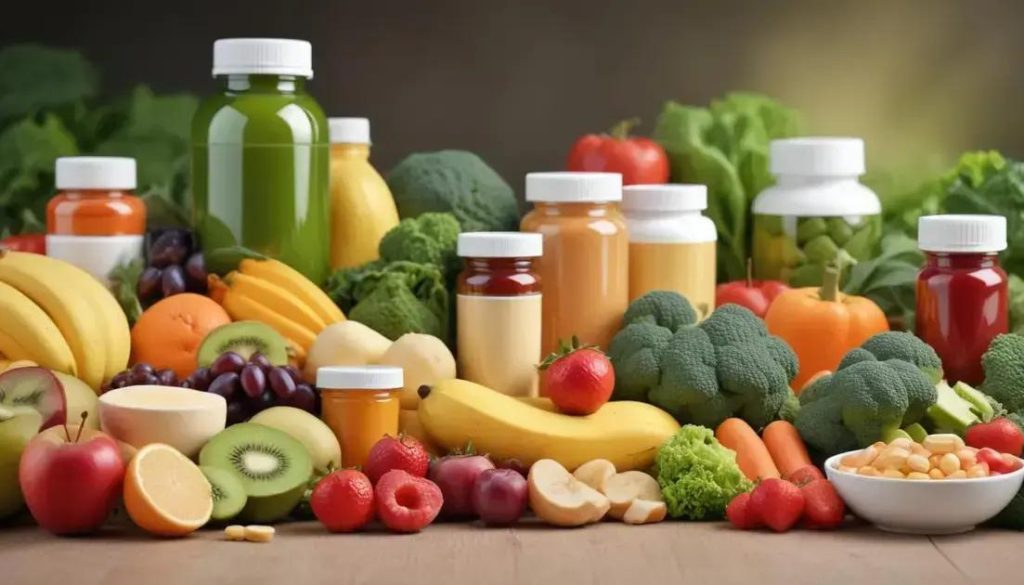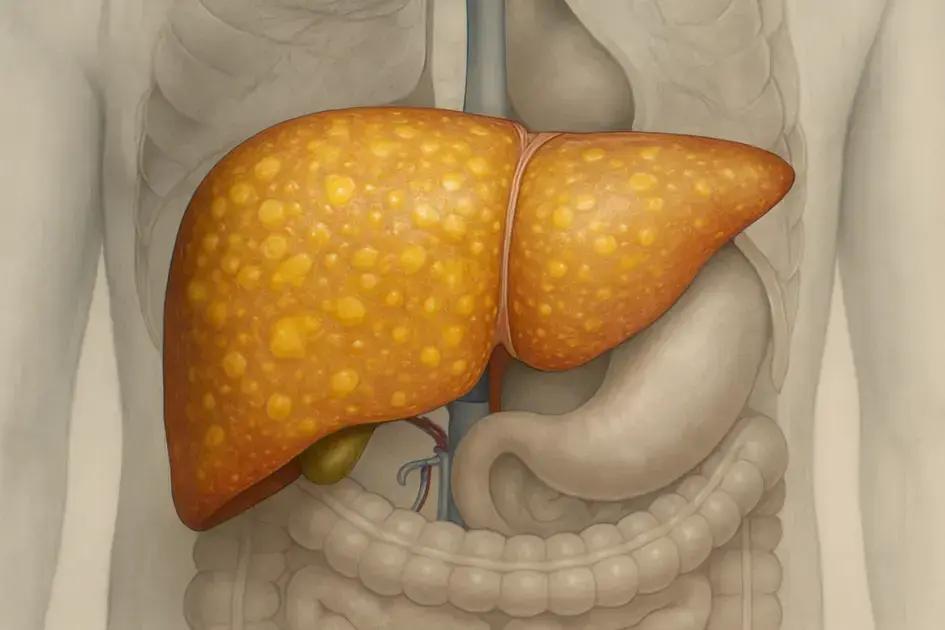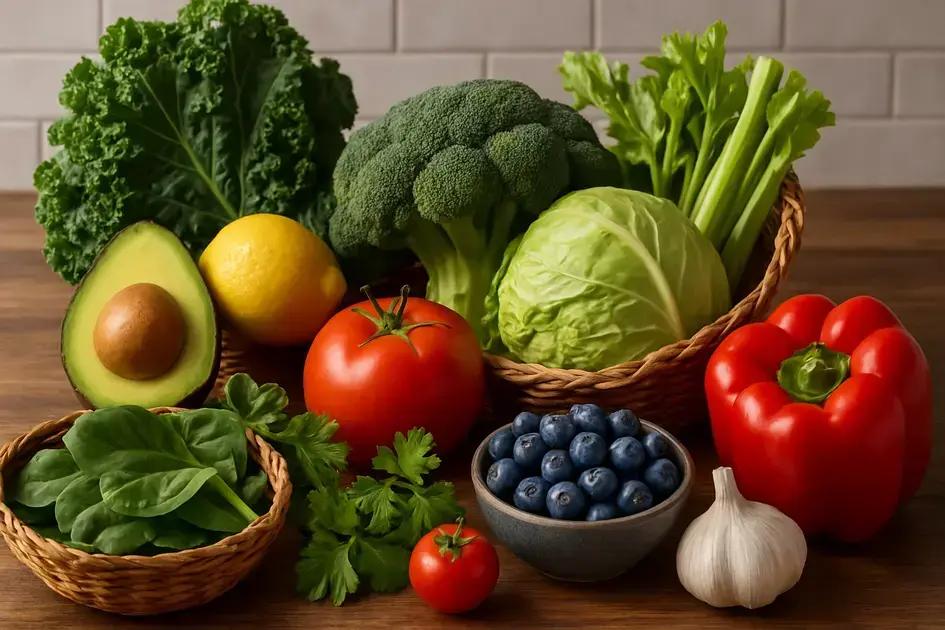
Incorporating liver health foods like leafy greens, fatty fish, and whole grains into your diet supports liver function and helps prevent diseases, leading to better overall health.
Liver health foods play a significant role in maintaining our overall wellness. Have you ever considered how your diet impacts your liver? Making small adjustments can lead to major benefits.
Understanding liver functions
The liver is one of the most vital organs in the human body, performing essential functions that keep us healthy and balanced. Understanding liver functions helps us appreciate its role in our overall health.
Detoxification
One of the primary functions of the liver is detoxification. It filters out harmful substances such as drugs, alcohol, and toxins from the blood. The liver converts these substances into less harmful ones that can be easily excreted by the body.
Metabolism
The liver plays a significant role in metabolism. It helps regulate the levels of nutrients in the blood, such as glucose, fats, and proteins. The liver converts excess glucose into glycogen for storage, which can be used for energy when needed.
Bile Production
The liver produces bile, a substance crucial for digestion. Bile helps emulsify fats, making them easier to digest and absorb in the small intestine. This process is essential for optimal nutrient absorption.

Protein Synthesis
The liver is responsible for synthesizing important proteins, including blood-clotting factors and albumin, which helps maintain blood volume and pressure. These proteins are essential for various bodily functions.
Storage of Vitamins and Minerals
The liver stores essential vitamins and minerals, including vitamin A, vitamin D, vitamin B12, and iron. This storage ensures that the body has a reserve of these nutrients, which are vital for maintaining good health.
Understanding how the liver functions can help us make better choices about liver health foods and promote overall wellness. It’s important to take care of this remarkable organ to ensure it performs its functions efficiently.
Top 10 foods for liver health
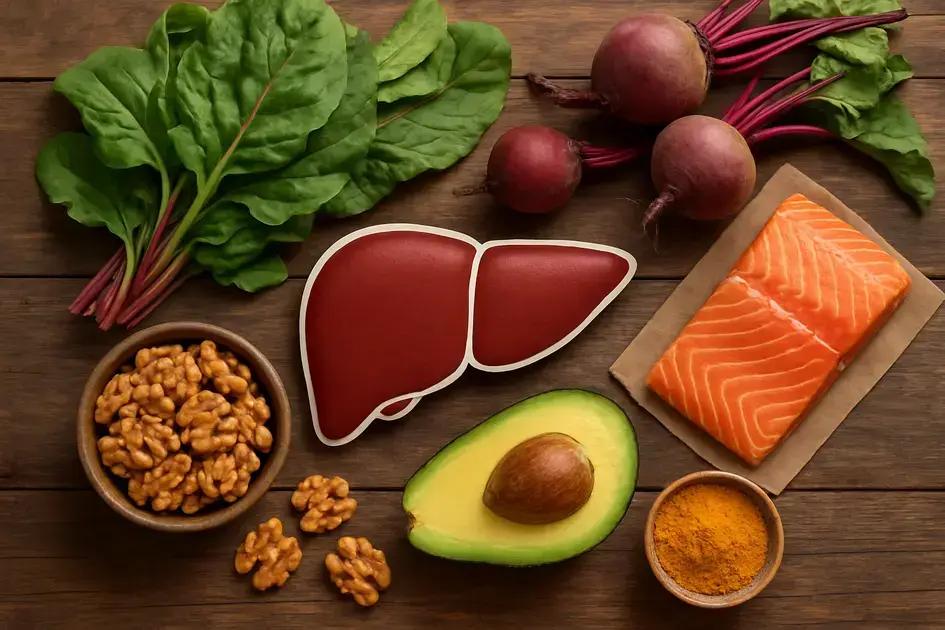
Eating the right foods can significantly support your liver health. Here are the top 10 foods for liver health that you should consider incorporating into your diet:
1. Leafy Greens
Vegetables like spinach, kale, and arugula are rich in chlorophyll, which helps cleanse the liver. These greens can help neutralize heavy metals and toxins.
2. Cruciferous Vegetables
Broccoli, Brussels sprouts, and cauliflower are known to boost liver enzymes that aid detoxification. Cruciferous vegetables are also high in fiber and beneficial antioxidants.

3. Garlic
Garlic contains compounds that activate liver enzymes responsible for flushing out toxins. It also has anti-inflammatory properties that can protect liver health.
4. Beets
Rich in antioxidants and nitrates, beets can help reduce oxidative stress in the liver. They also support the liver in its detoxification processes.
5. Walnuts
Walnuts are high in omega-3 fatty acids and glutathione, promoting detoxification and reducing fat build-up in the liver.
6. Fatty Fish
Fish like salmon and sardines are rich in omega-3 fatty acids, which help reduce inflammation and fatty deposits in the liver.
7. Avocado
This creamy fruit is packed with healthy fats and nutrients that support liver function. Avocados contain glutathione, which aids in detoxification.
8. Turmeric
Curcumin, the active compound in turmeric, has potent anti-inflammatory properties, making it beneficial for overall liver health. It can also promote bile production.
9. Green Tea
Loaded with antioxidants, particularly catechins, green tea has been linked to improved liver function. Regular consumption can support liver health.
10. Olive Oil
This healthy fat can help reduce liver fat levels and improve blood sugar and cholesterol levels. Using olive oil in your diet can be a smart choice for liver protection.
Incorporating these foods into your daily meals can help promote liver health, supporting its vital functions and enhancing overall well-being.
How antioxidants support liver function
Antioxidants play a crucial role in supporting liver function by protecting cells from damage caused by free radicals. These unstable molecules can cause oxidative stress, which may lead to liver disease and other health issues. Here’s how antioxidants benefit the liver:
Reduced Oxidative Stress
The liver is constantly detoxifying harmful substances, which can produce free radicals. Antioxidants neutralize these free radicals, reducing oxidative stress and helping maintain the liver’s health.
Detoxification Support
Many antioxidants help enhance the liver’s detoxification processes. For example, glutathione is a powerful antioxidant produced by the liver itself. It plays a vital role in breaking down toxins and protecting liver cells.
Promoting Liver Repair
Some studies suggest that antioxidants can promote the repair of liver tissues. Nutrients like vitamin E and vitamin C help to prevent liver inflammation and damage, facilitating healing.
Sources of Antioxidants
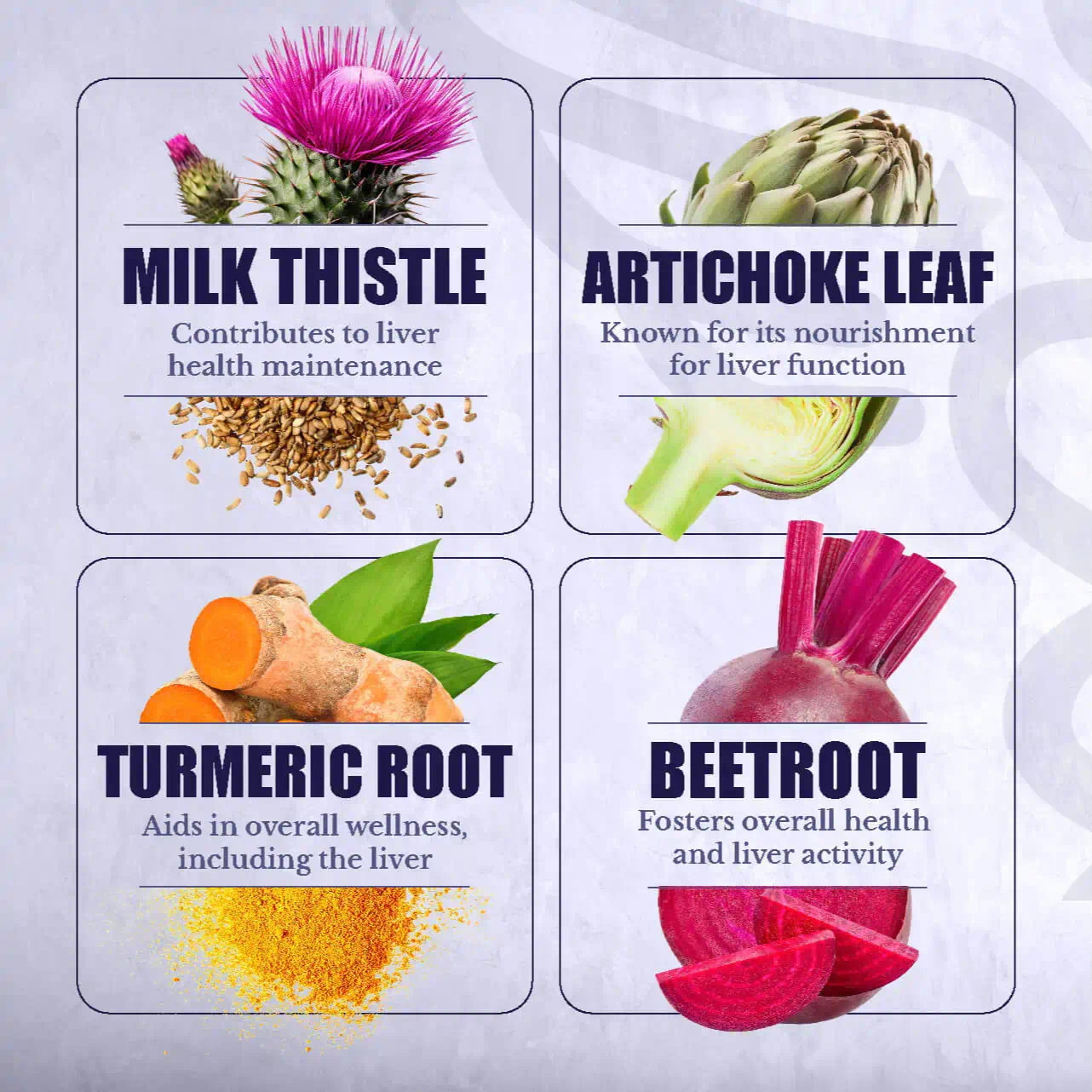
Fruits and vegetables are excellent sources of antioxidants. Berries, citrus fruits, green tea, and leafy greens can boost your antioxidant intake. Consider incorporating these into your diet to support liver function.
Overall Health Benefits
By fighting oxidative stress, antioxidants not only promote liver health but also benefit your overall well-being. A balanced diet rich in antioxidants can lead to better energy levels, improved immunity, and reduced risk of chronic diseases.
Importance of hydration for liver health
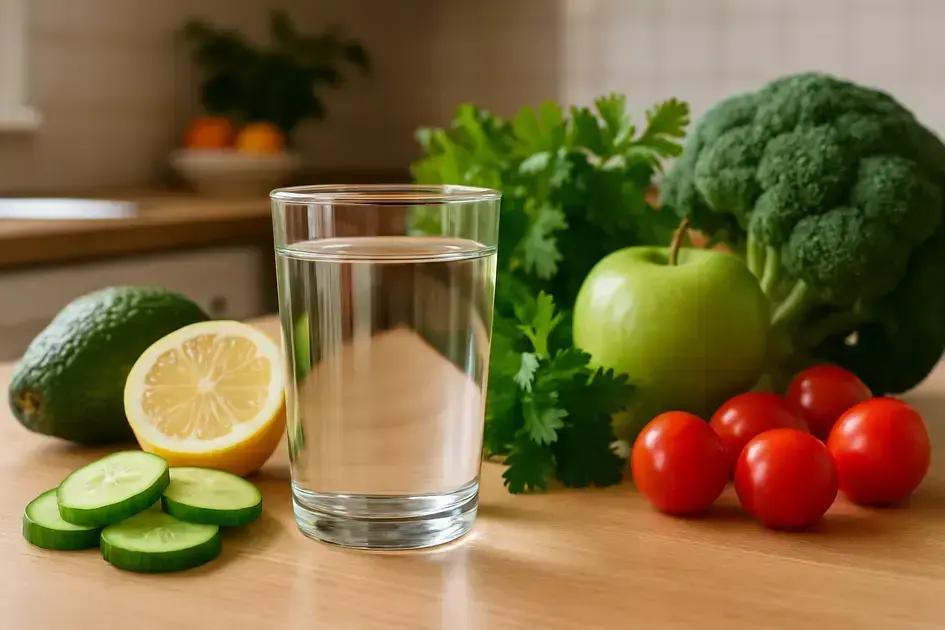
Staying hydrated is essential for overall health, and it plays a critical role in liver health. Here’s why hydration is so important for maintaining a healthy liver:
1. Aids in Detoxification
The liver is responsible for filtering toxins from the blood. Adequate hydration helps the liver flush out these harmful substances more efficiently, ensuring that it can function optimally.
2. Supports Metabolism
Water is vital for various metabolic processes in the liver. When you are well-hydrated, your liver can more effectively convert nutrients from food into energy and process fats.
3. Prevents Fatty Liver Disease
Staying hydrated can help prevent conditions such as fatty liver disease. When the body is dehydrated, it can lead to an accumulation of fat in the liver. Drinking enough water helps maintain healthy liver function.
4. Promotes Nutrient Absorption
Hydration is crucial for the absorption of nutrients. When the liver gets the right amount of water, it can better synthesize proteins and process the vitamins and minerals that are essential for your body.
5. Enhances Blood Flow
Good hydration improves blood circulation, allowing the liver to receive adequate blood flow. This is important for delivering the nutrients and oxygen needed for liver function.
To support your liver, aim for at least 8 glasses of water a day. This will help keep your liver healthy and enhance its ability to perform essential functions.
Foods to avoid for better liver health
To maintain a healthy liver, it’s important to be mindful of the foods you consume. Certain foods can put extra strain on the liver and hinder its ability to function properly. Here are foods to avoid for better liver health:
1. Alcohol
Excessive consumption of alcohol is one of the leading causes of liver disease. It can lead to fatty liver, inflammation, and even cirrhosis. Limiting alcohol intake is essential for liver health.
2. Sugary Foods
Foods high in sugar, like candy, cookies, and sodas, can contribute to fat accumulation in the liver, leading to fatty liver disease. Reducing added sugars can greatly improve your liver function.

3. Processed Foods
Processed foods often contain unhealthy fats, preservatives, and additives that can overwhelm the liver. Fast food, packaged snacks, and ready-made meals should be minimized.
4. Red Meat
High consumption of red meat can lead to liver fat accumulation. Opt for lean meats like chicken or fish instead, and try to incorporate more plant-based protein sources into your diet.
5. Refined Carbohydrates
Refined carbs, such as white bread, pastries, and many cereals, can spike blood sugar levels and contribute to fat storage in the liver. Choosing whole grains is a healthier alternative.
6. Salty Foods
High sodium intake can lead to liver inflammation and reduce its ability to function properly. Processed meats, canned soups, and salty snacks should be limited.
7. Fried Foods
Foods that are deep-fried are typically high in trans fats, which can promote inflammation and fat accumulation in the liver. Consider baking or grilling instead of frying.
By avoiding these foods, you can help protect your liver and improve its health. Focus on a balanced diet rich in fruits, vegetables, and whole grains to support liver function.
The role of vitamins in liver health
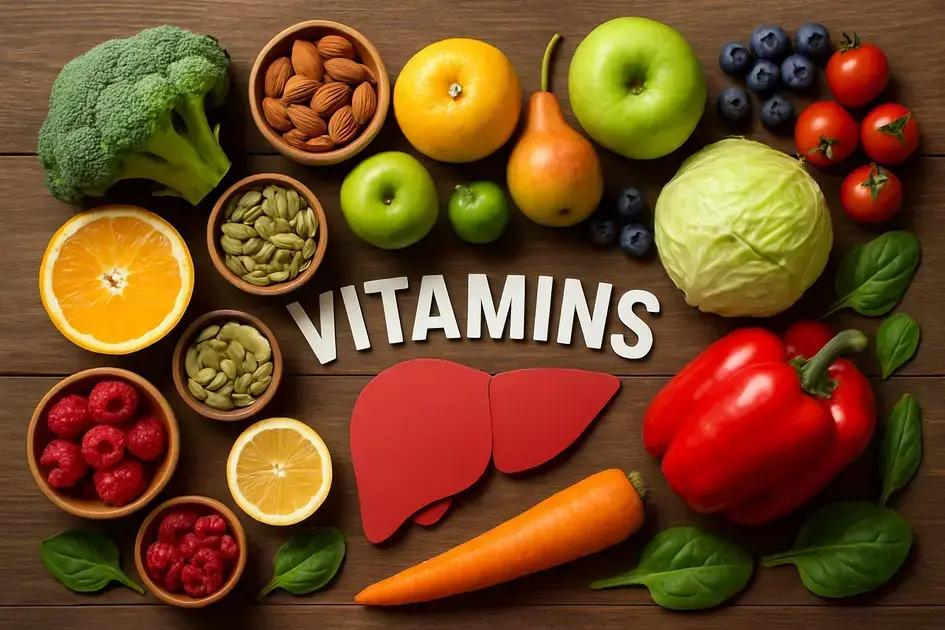
Vitamins play a vital role in maintaining liver health. They help the liver perform its functions effectively, contributing to detoxification, metabolism, and overall wellness. Here’s how various vitamins support the liver:
1. Vitamin A
This vitamin is essential for liver health. It helps the liver process fats and is involved in the synthesis of proteins. Proper levels of vitamin A can aid in liver regeneration and repair.
2. B Vitamins
B vitamins, including B1 (thiamine), B2 (riboflavin), B3 (niacin), B6, B9 (folic acid), and B12, are crucial for energy metabolism. They help convert food into energy and support the liver’s detoxification processes.
3. Vitamin C
As a powerful antioxidant, vitamin C helps protect the liver from damage caused by free radicals. It also enhances the liver’s detoxification abilities and supports the immune system.
4. Vitamin D
Vitamin D is important for liver function and helps reduce inflammation. Low levels of vitamin D have been linked to various liver diseases, making it essential for overall liver health.
5. Vitamin E
This vitamin acts as an antioxidant, helping to prevent oxidative stress in liver cells. Vitamin E may also help reduce liver fat and inflammation, promoting better liver function.
Incorporating a variety of vitamin-rich foods, such as fruits, vegetables, nuts, and whole grains, can significantly benefit liver health. Consider including foods like spinach, nuts, citrus fruits, and fish to ensure you’re getting these vital nutrients.
Fermented foods and liver health
Fermented foods are not only delicious but also beneficial for your liver health. These foods are packed with probiotics, which promote gut health and can help the liver function optimally. Here’s how fermented foods contribute to liver health:
1. Improved Gut Health
Fermented foods like yogurt, kimchi, and sauerkraut contain beneficial bacteria that enhance gut health. A healthy gut can reduce the strain on the liver by minimizing inflammation and preventing harmful toxins from entering the bloodstream.
2. Enhanced Detoxification
Probiotics from fermented foods assist the liver in detoxifying substances. They help break down toxins in the gut before they reach the liver, reducing its workload and supporting overall liver function.
3. Better Nutrient Absorption
Fermented foods can increase the absorption of essential nutrients important for liver health. Vitamins and minerals from food are better utilized, ensuring your liver gets the nutrients it needs to perform effectively.
4. Anti-inflammatory Properties
Many fermented foods have natural anti-inflammatory properties that can help reduce liver inflammation. Foods like kefir and kombucha can promote a healthier liver environment by limiting inflammation.
5. Support for Metabolism
Fermented foods can help regulate metabolism, which is essential for maintaining a healthy weight. A balanced weight is vital for liver health because obesity is a risk factor for liver disease.
Including an array of fermented foods in your diet, such as yogurt, kefir, kimchi, and miso, can support your liver and contribute to overall health.
Herbs that benefit your liver
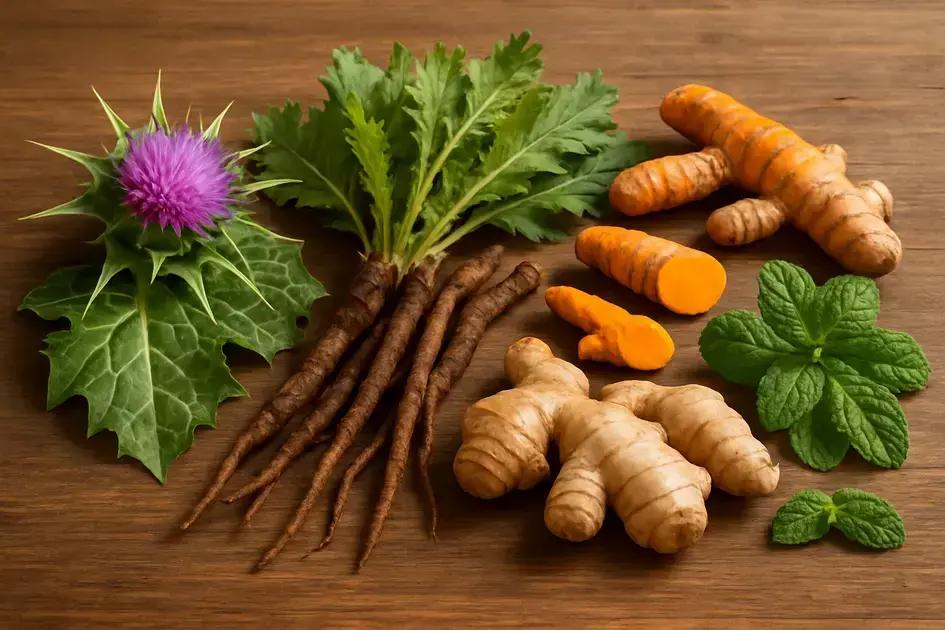
Certain herbs are known to support liver health by promoting detoxification and reducing inflammation. Incorporating these herbs into your diet can enhance liver function and overall health. Here are some key herbs that benefit your liver:
1. Milk Thistle
Milk thistle is well-known for its active compound, silymarin, which has antioxidant properties. It helps protect liver cells from damage and promotes regeneration of liver tissue.
2. Dandelion Root
Dandelion root acts as a liver tonic. It aids in digestion and stimulates bile production, which helps detoxify the liver and improve its function.
3. Turmeric
Turmeric contains curcumin, a powerful antioxidant and anti-inflammatory compound. It supports liver detoxification and may protect against liver diseases.
4. Burdock Root
Burdock root helps purify the blood and supports liver function. It is also known for its ability to promote healthy digestion, which is important for liver health.
5. Ginger
Ginger has anti-inflammatory properties that help reduce liver inflammation. It may also aid in digestion and promote overall liver health.
6. Peppermint
Peppermint can stimulate bile flow, which aids in digestion and detoxification. It also helps relieve bloating and digestive discomfort.
Incorporating these herbs into your meals or consuming them as teas can help support your liver’s health and improve its ability to perform vital functions.
Liver detox diets: do they work?
Liver detox diets are popular, but do they really work? Understanding the evidence behind these diets can help you make informed decisions about your health. Here’s what you need to know about liver detox diets:
1. Purpose of Liver Detox Diets
The main aim of liver detox diets is to eliminate toxins from the body and promote liver health. These diets often include specific foods, juices, or supplements that claim to enhance the liver’s natural detoxification processes.
2. The Liver’s Natural Ability
It’s important to note that the liver is already very efficient at detoxifying the body. It filters toxins and processes nutrients without the need for restrictive diets or expensive supplements. Proper hydration and a balanced diet can support the liver’s natural functions.
3. Potential Short-Term Benefits
While liver detox diets may lead to short-term weight loss or improved energy levels, these effects are often temporary. They may also lead to nutrient deficiencies if followed too strictly or for extended periods.
4. Risk of Extreme Diets
Some detox diets are overly restrictive, eliminating entire food groups and leading to unhealthy eating habits. This can result in fatigue, digestive issues, and an imbalance of nutrients, which can negatively impact liver health.
5. Healthy Alternatives
Instead of following extreme detox diets, focus on a balanced diet rich in whole foods, including fruits, vegetables, whole grains, lean proteins, and healthy fats. Staying hydrated and minimizing alcohol and processed foods can also support liver health without drastic measures.
In conclusion, while liver detox diets may seem appealing, they are not necessary for liver health. Supporting your liver with a healthy, varied diet is a more effective and sustainable approach to overall well-being.
Simple liver-friendly recipes
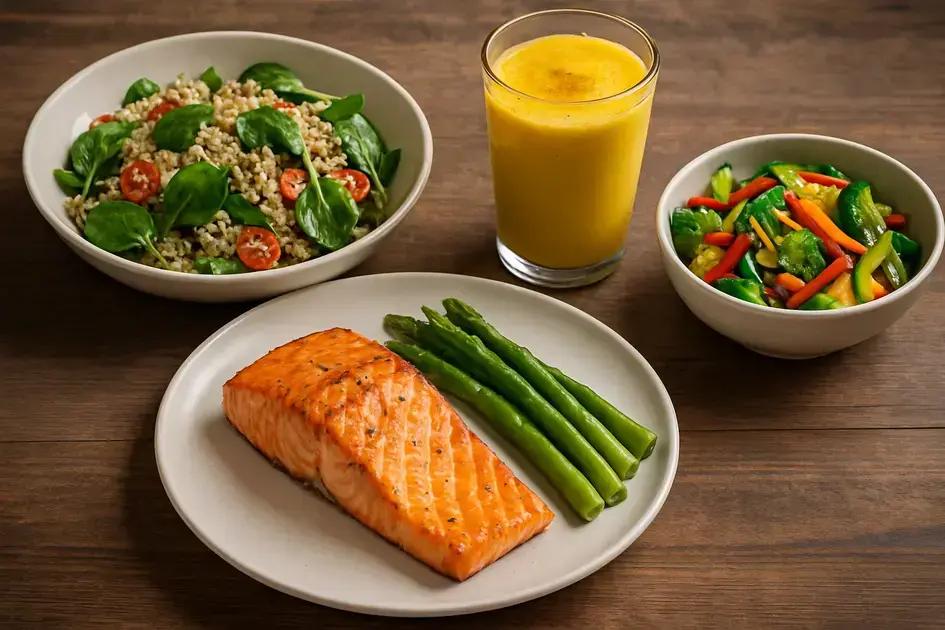
Preparing liver-friendly recipes can be easy and delicious. Incorporating healthy ingredients can help support liver health while providing great flavor. Here are a few simple recipes to try:
1. Quinoa and Spinach Salad
This refreshing salad is packed with nutrients. Combine cooked quinoa with fresh spinach, cherry tomatoes, cucumber, and a squeeze of lemon juice. Add a drizzle of olive oil for healthy fats that benefit the liver.
2. Grilled Salmon with Asparagus
Salmon is rich in omega-3 fatty acids, which are good for the liver. Grill a salmon fillet and serve with steamed asparagus. Season with herbs like dill or parsley for added flavor without extra calories.
3. Turmeric and Ginger Smoothie
This smoothie is not only tasty but also anti-inflammatory. Blend together a banana, a cup of almond milk, a teaspoon of turmeric, and a small piece of ginger. This drink can help support liver detoxification.
4. Vegetable Stir-fry
Stir-frying a mix of colorful vegetables like bell peppers, broccoli, and carrots with garlic and ginger can make a delicious side dish. Use a small amount of olive oil and soy sauce for seasoning.
5. Oatmeal with Berries
For breakfast, enjoy a bowl of oatmeal topped with fresh berries. Berries are rich in antioxidants that help protect the liver. Sweeten with a little honey or maple syrup if desired.
These simple recipes offer a variety of flavors while promoting liver health. Incorporating these meals into your diet can help nourish your liver while enjoying satisfying dishes.
Lifestyle changes for liver health
Making lifestyle changes can significantly improve your liver health. Small adjustments in daily habits can lead to better liver function and overall well-being. Here are some key changes to consider:
1. Maintain a Healthy Diet
Focus on a balanced diet rich in fruits, vegetables, whole grains, and lean proteins. Include liver-friendly foods like leafy greens, fatty fish, and nuts. Avoid processed foods, excessive sugars, and unhealthy fats.
2. Stay Hydrated
Drinking enough water is crucial for liver health. Aim for at least 8 glasses a day to help the liver flush out toxins and support its various functions.
3. Limit Alcohol Consumption
Alcohol can be harmful to the liver. Reducing or eliminating alcohol intake can prevent liver inflammation and fat accumulation, promoting overall liver health.
4. Exercise Regularly
Regular physical activity helps maintain a healthy weight and reduce liver fat. Aim for at least 30 minutes of moderate exercise most days of the week. Activities like walking, cycling, or swimming can be beneficial.
5. Get Enough Sleep
Quality sleep is important for overall health, including liver function. Aim for 7-9 hours of sleep each night to help your body recover and detoxify.
6. Manage Stress
High stress levels can negatively impact liver function. Consider practices such as yoga, meditation, or deep breathing exercises to help manage stress effectively.
7. Avoid Toxins
Minimize exposure to chemicals in cleaning products, pesticides, and other environmental toxins. Opt for natural products when possible to reduce the burden on your liver.
Incorporating these lifestyle changes can help support your liver and improve your overall health, leading to a happier, healthier life.
Signs of liver issues to watch for

Being aware of the signs of liver issues is crucial for maintaining your health. Early detection can prevent serious complications. Here are some common warning signs to watch for:
1. Fatigue
Feeling unusually tired or fatigued is a common symptom of liver problems. If your liver isn’t functioning properly, it can lead to a buildup of toxins in the body, causing persistent tiredness.
2. Jaundice
Jaundice is characterized by yellowing of the skin and eyes. This occurs when the liver cannot process bilirubin, a substance produced from the breakdown of red blood cells. If you notice jaundice, seek medical attention.
3. Abdominal Pain
Pain or discomfort in the upper right side of the abdomen may indicate liver distress. This could be due to inflammation or swelling of the liver.
4. Swelling in the Abdomen and Legs
Fluid buildup, known as edema, can occur in the abdomen (ascites) and legs. This is often a sign of liver disease or dysfunction.
5. Changes in Urine and Stool Color
Dark urine and pale or clay-colored stools can signal liver issues. Dark urine may indicate dehydration or problems with bile flow, while pale stools could suggest a lack of bile in the intestines.
6. Nausea and Vomiting
Frequent nausea or vomiting can be a sign of liver dysfunction. This may occur alongside other symptoms such as fatigue and abdominal discomfort.
7. Loss of Appetite
When the liver is not functioning well, it can lead to a reduced desire to eat or a feeling of fullness after only a small amount of food.
If you notice any of these symptoms, it is essential to consult a healthcare professional for further evaluation. Early detection and intervention can make a significant difference in managing liver health.
Regular check-ups for liver health
Regular check-ups are essential for maintaining liver health. These routine visits can help detect potential liver issues early, before they progress into serious conditions. Here are some important points about the significance of regular check-ups for liver health:
1. Early Detection of Problems
During check-ups, healthcare providers can perform tests to check liver function. Identifying liver issues early can lead to more effective treatment options.
2. Monitoring Risk Factors
Those with risk factors for liver disease, such as obesity, diabetes, or a family history of liver problems, should have regular check-ups. Monitoring these factors can help in managing overall liver health.
3. Blood Tests
Routine blood tests can measure liver enzymes, bilirubin levels, and other markers of liver health. These tests provide valuable information about liver function and can indicate any abnormalities.
4. Imaging Studies
Your doctor may recommend imaging studies, such as ultrasounds or MRIs, to visualize the liver. These studies can help identify conditions such as fatty liver disease or liver tumors.
5. Vaccinations and Preventive Care
Regular check-ups are also opportunities to discuss vaccinations for hepatitis A and B, as well as other preventive measures that can protect liver health.
6. Lifestyle Recommendations
Your healthcare provider can offer personalized advice on maintaining a healthy lifestyle, including diet and exercise, which are critical for supporting liver function.
In summary, having regular check-ups enables you to take charge of your liver health. Stay proactive about your health by scheduling routine visits with your healthcare provider.
Impact of alcohol on liver function
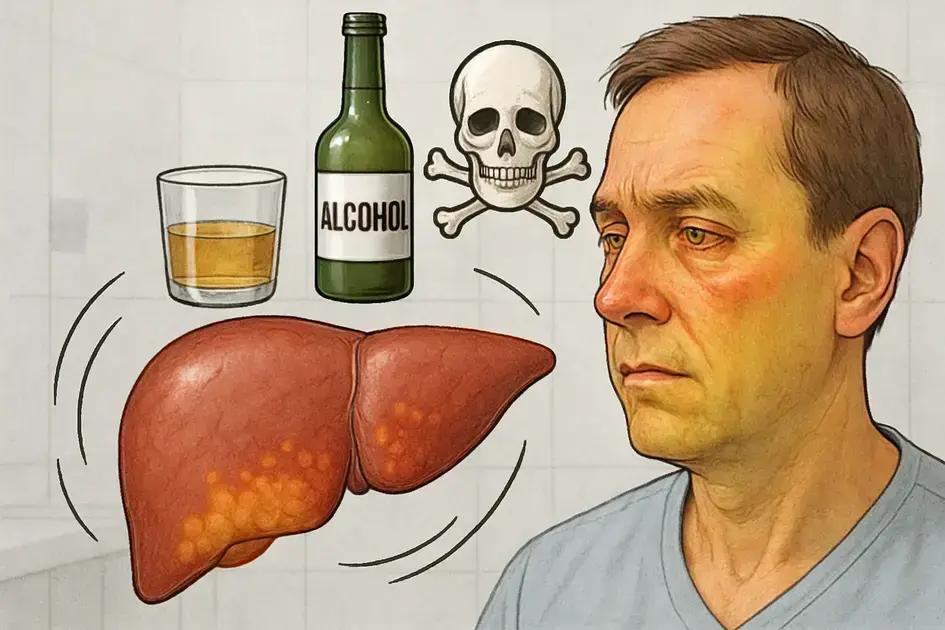
Alcohol consumption can have a significant impact on liver function. Understanding how alcohol affects the liver is crucial for maintaining liver health. Here are some key points to consider:
1. Metabolism of Alcohol
The liver is responsible for breaking down alcohol through enzymatic processes. When you consume alcohol, it is metabolized into acetaldehyde, a toxic substance. Prolonged exposure to acetaldehyde can damage liver cells.
2. Fatty Liver Disease
Heavy drinking can lead to fatty liver disease, where fat builds up in liver cells. This condition can occur even in people who do not have other liver diseases. Fatty liver can progress to more serious conditions if alcohol consumption continues.
3. Alcoholic Hepatitis
Excessive alcohol intake can cause alcoholic hepatitis, characterized by inflammation of the liver. Symptoms can include jaundice, nausea, vomiting, and abdominal pain. Severe cases can be life-threatening.
4. Cirrhosis
Cirrhosis is severe scarring of the liver caused by long-term liver damage, often due to chronic alcohol abuse. As cirrhosis progresses, liver function declines, leading to serious complications.
5. Impaired Detoxification
Alcohol disrupts the liver’s ability to detoxify the blood. This can lead to a buildup of toxins in the body, which can affect other organs and systems.
6. Increased Risk of Liver Cancer
Chronic alcohol consumption increases the risk of developing liver cancer. This risk is heightened in individuals with cirrhosis or those who have other predisposing factors.
Reducing or eliminating alcohol intake can significantly improve liver health and function. If you have concerns about your alcohol consumption and its impact on your liver, consult a healthcare professional for guidance.
How to incorporate liver health foods into daily meals
Incorporating liver health foods into your daily meals can be simple and enjoyable. Here are some easy ways to help you make these foods a regular part of your diet:
1. Start with Breakfast
Include liver-friendly ingredients in your breakfast. Add spinach or kale to your morning smoothie, or top your oatmeal with berries and nuts. These foods are packed with nutrients that support liver function.
2. Prepare Colorful Salads
Create salads using a variety of colorful vegetables. Mix leafy greens, broccoli, and dark greens like arugula with healthy fats like avocado. Dress your salad with a squeeze of lemon juice and a drizzle of olive oil for added flavor.
3. Use Herbs and Spices
Incorporate herbs and spices such as turmeric, ginger, and garlic into your cooking. They not only enhance flavor but also have beneficial properties that support liver health.
4. Healthy Snacks
Snack on liver-friendly foods like raw vegetables, nuts, or fruits. For example, carrot sticks or apple slices with almond butter make great snacks while providing essential nutrients.
5. Cook with Fatty Fish
Include fatty fish like salmon, mackerel, or sardines in your weekly meal plan. Grill, bake, or sauté them with herbs and vegetables for a healthy dinner option that supports liver health.
6. Experiment with Whole Grains
Choose whole grains like quinoa, brown rice, or whole wheat bread instead of white rice or processed breads. These grains are higher in fiber and nutrients, promoting better digestion and liver function.
7. Plan Your Meals
Planning your meals in advance can help ensure that you include liver health foods in your diet. Set aside time each week to prepare meals that focus on these beneficial ingredients.
By making a few adjustments to your daily meals, you can easily incorporate liver health foods and support your liver function for better overall health.
Taking Care of Your Liver
Your liver plays a vital role in keeping you healthy, and it’s important to take care of it. By incorporating liver health foods into your daily meals, you can support its function and overall well-being.
Simple changes, such as eating a balanced diet, staying hydrated, and including nutritious foods like leafy greens, fatty fish, and whole grains can make a big difference. Regular check-ups with your healthcare provider can help catch any issues early.
Remember, your choices today can lead to a healthier liver tomorrow. Take proactive steps to maintain your liver health and enhance your quality of life.
FAQ – Frequently Asked Questions About Liver Health
What are some foods that are good for liver health?
Foods such as leafy greens, fatty fish, nuts, berries, and whole grains are excellent for supporting liver function.
How can I incorporate liver health foods into my diet?
You can add liver health foods by starting with breakfast smoothies, colorful salads, and healthy snacks, while also planning your meals around these ingredients.
What are common signs of liver issues I should watch for?
Signs of liver issues include fatigue, jaundice, abdominal pain, swelling in the legs, changes in urine and stool color, and loss of appetite.
How often should I have check-ups for my liver health?
It is advisable to have regular check-ups at least once a year or more frequently if you have risk factors associated with liver disease.
Can alcohol consumption affect liver health?
Yes, excessive alcohol consumption can lead to conditions like fatty liver disease, alcoholic hepatitis, and cirrhosis, significantly impacting liver function.
What lifestyle changes can I make to improve my liver health?
Maintaining a balanced diet, staying hydrated, reducing alcohol intake, exercising regularly, and managing stress can all contribute to better liver health.