
The best protein for women’s weight loss includes whey, casein, soy, pea, and lean whole foods, which support fat loss by preserving muscle, boosting metabolism, and controlling appetite when consumed properly and balanced with other nutrients and exercise.
Have you ever wondered what is the best protein for women’s weight loss? Picking the right protein can make a big difference for your goals. Let’s explore different options and find what might work better for you, based on science and experience.
Understanding protein’s role in weight loss for women
Protein plays a crucial role in weight loss, especially for women. It helps build and maintain muscle mass, which is essential because muscle burns more calories than fat. When you consume enough protein, it also helps control your appetite by increasing feelings of fullness and reducing hunger.
Eating protein leads to a higher thermic effect, meaning your body uses more energy to digest it compared to fats or carbohydrates. This boosts metabolism and supports fat loss. For women, maintaining muscle is especially important during weight loss to avoid a slowdown in metabolism.
Additionally, protein supports recovery after exercise and can improve body composition by preserving lean muscle while reducing fat. Without adequate protein, the body may break down muscle for energy, which can hinder weight loss progress and lead to a less toned appearance.
In summary, understanding the role of protein is key to effective weight loss. It not only helps reduce fat but also supports muscle health and keeps hunger in check, making your weight loss journey easier and healthier.
Differences between plant-based and animal proteins
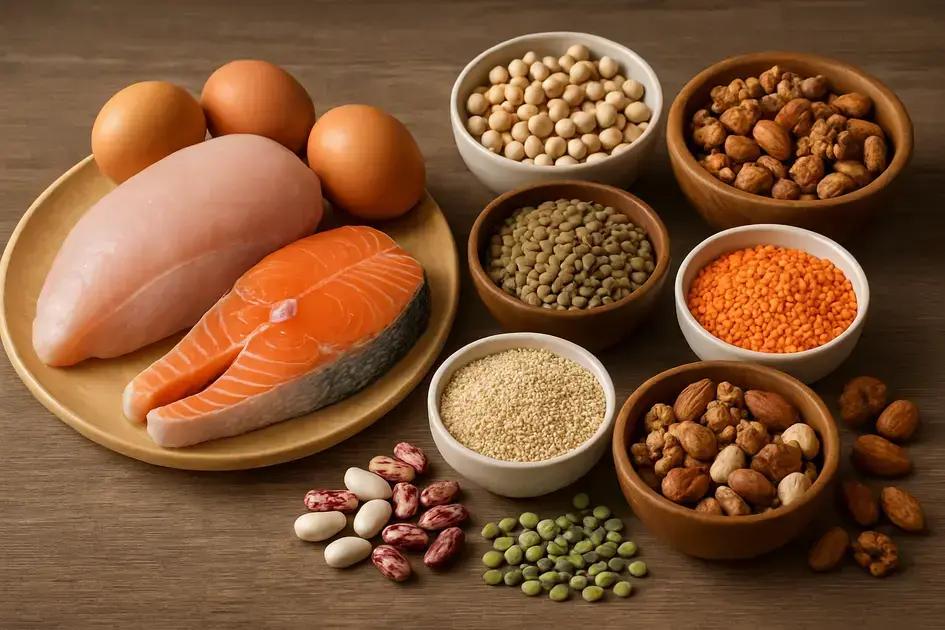
Animal and plant proteins differ in their amino acid profiles, digestibility, and nutritional benefits. Animal proteins, found in meat, dairy, and eggs, are considered complete proteins because they contain all nine essential amino acids your body needs. This makes them highly effective for muscle repair and growth.
On the other hand, most plant-based proteins like beans, lentils, nuts, and grains usually lack one or more essential amino acids, making them incomplete proteins. However, by eating a diverse range of plant foods, you can easily get all the necessary amino acids your body requires.
Animal proteins tend to have higher digestibility, meaning your body can absorb and use them more efficiently. Plant proteins often come with additional benefits such as fiber, antioxidants, and lower saturated fat, which can support heart health and weight management.
Choosing between plant and animal proteins depends on personal health goals, ethical beliefs, and dietary preferences. For women focused on weight loss, combining different protein sources can provide a balanced intake of nutrients and support overall health.
How protein impacts metabolism and fat burning
Protein has a significant effect on metabolism and fat burning. When you eat protein, your body uses more energy to digest it compared to fats or carbohydrates. This is known as the thermic effect of food (TEF), which means protein can help increase your calorie burn throughout the day.
Additionally, protein helps preserve lean muscle mass during weight loss. Since muscle tissue burns more calories even at rest, maintaining muscle can boost your overall metabolism and improve fat-burning efficiency.
Eating enough protein also reduces appetite and cravings, which helps control calorie intake. When you feel full longer, you are less likely to overeat or snack emotionally, supporting a calorie deficit needed for fat loss.
Combining protein intake with regular exercise further enhances metabolism and fat burning. Resistance training paired with protein can promote muscle growth and greater calorie expenditure, making fat loss easier and more sustainable.
Whey protein benefits and considerations

Whey protein is one of the most popular protein supplements, especially among women aiming for weight loss. It is a complete protein, meaning it contains all the essential amino acids needed for muscle repair and growth. Whey is quickly absorbed by the body, making it ideal for post-workout recovery.
One key benefit of whey protein is its ability to promote satiety. It helps you feel full longer, reducing overall calorie intake which is important for fat loss. Whey also supports metabolism by helping preserve lean muscle during weight loss.
However, there are some considerations to keep in mind. Some individuals may experience digestive discomfort or allergies, particularly those sensitive to dairy. Choosing high-quality, low-sugar whey protein supplements is important to avoid adding unnecessary calories.
Different forms of whey include concentrate, isolate, and hydrolysate, each with varying protein content and absorption rates. Whey isolate contains more protein and less fat and carbs, which can be preferable when aiming for weight loss.
Incorporating whey protein as part of a balanced diet and regular exercise routine can effectively support women’s weight loss goals while maintaining muscle strength and overall health.
Casein protein advantages for weight management
Casein protein is a slow-digesting dairy protein that offers unique benefits for weight management. Unlike whey, which is quickly absorbed, casein releases amino acids slowly, providing a steady supply of protein to the muscles over several hours. This makes it ideal for periods of fasting, like overnight.
One key advantage of casein is its ability to increase feelings of fullness and reduce hunger, helping control calorie intake. This can support weight loss by making it easier to stick to a calorie-controlled diet.
Casein also helps preserve lean muscle mass during weight loss. Maintaining muscle is important because it burns more calories at rest, supporting a higher metabolism.
This protein can be consumed before bed to prevent muscle breakdown and support recovery while you sleep. It may also aid in fat loss by improving body composition over time when combined with exercise.
Many people prefer casein for its thicker texture and slower digestion, which can be more satisfying than fast proteins. However, those with dairy sensitivities should use caution or consider alternatives.

The effect of soy protein on women’s weight loss
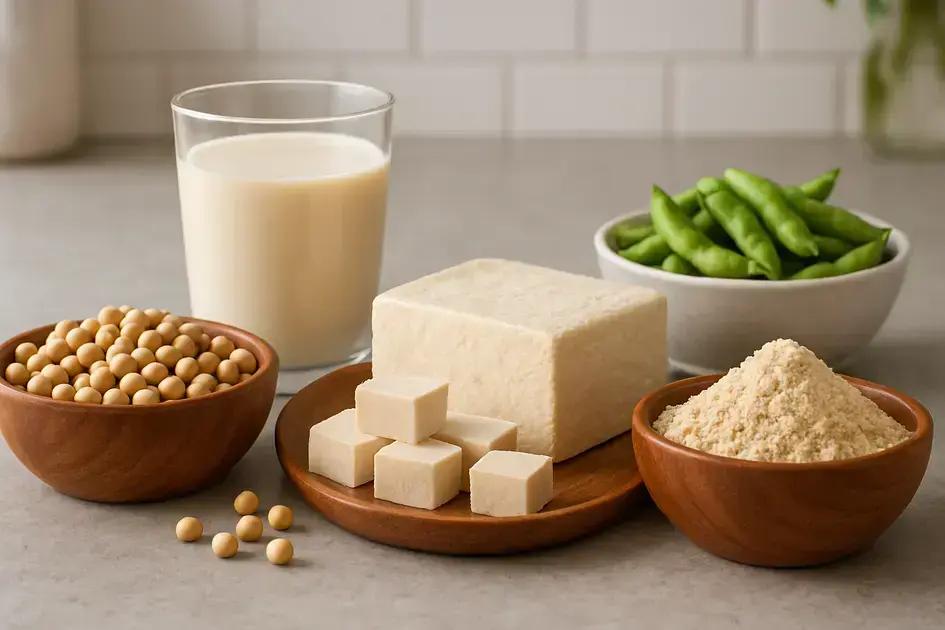
Soy protein is a popular plant-based protein known for its complete amino acid profile, making it a valuable option for women focused on weight loss. It provides all nine essential amino acids, similar to animal proteins, which helps maintain muscle mass during fat loss.
Soy protein contains isoflavones, plant compounds that may offer additional health benefits like improved heart health and reduced inflammation. These compounds also mimic estrogen, which might support hormonal balance in women.
Research suggests that soy protein can aid in reducing body fat, particularly when combined with a balanced diet and regular exercise. Its high protein content promotes satiety, which helps control appetite and reduce calorie intake.
Unlike some animal proteins, soy is low in saturated fat and cholesterol, making it a heart-healthy choice. It is also versatile and can be consumed as tofu, soy milk, edamame, or protein powders.
However, some women may be concerned about soy’s phytoestrogens affecting hormone levels. Studies generally show moderate soy intake is safe and does not negatively impact hormone health. As with any protein source, balance and variety are key.

Pea protein as a plant-based alternative
Pea protein is a popular plant-based alternative that offers several benefits for women aiming to lose weight. It is made by extracting protein from yellow peas and contains all nine essential amino acids, making it a complete protein source.
One major benefit of pea protein is its high digestibility, which means your body can easily absorb and use the nutrients. It also promotes fullness, helping to control appetite and reduce calorie intake, which supports weight loss goals.
Pea protein is naturally free from common allergens like dairy, soy, and gluten, making it a great option for individuals with dietary restrictions or sensitivities. It also contains iron, which can help prevent fatigue during exercise and daily activities.
Many people find pea protein has a neutral taste and mixes well in shakes, smoothies, or recipes, increasing its versatility. As part of a balanced diet and regular exercise routine, pea protein can effectively help preserve muscle mass and improve body composition while losing fat.
In summary, pea protein is an excellent plant-based protein choice for weight management, thanks to its nutrient profile, digestibility, and allergy-friendly nature.
How much protein women need for fat loss
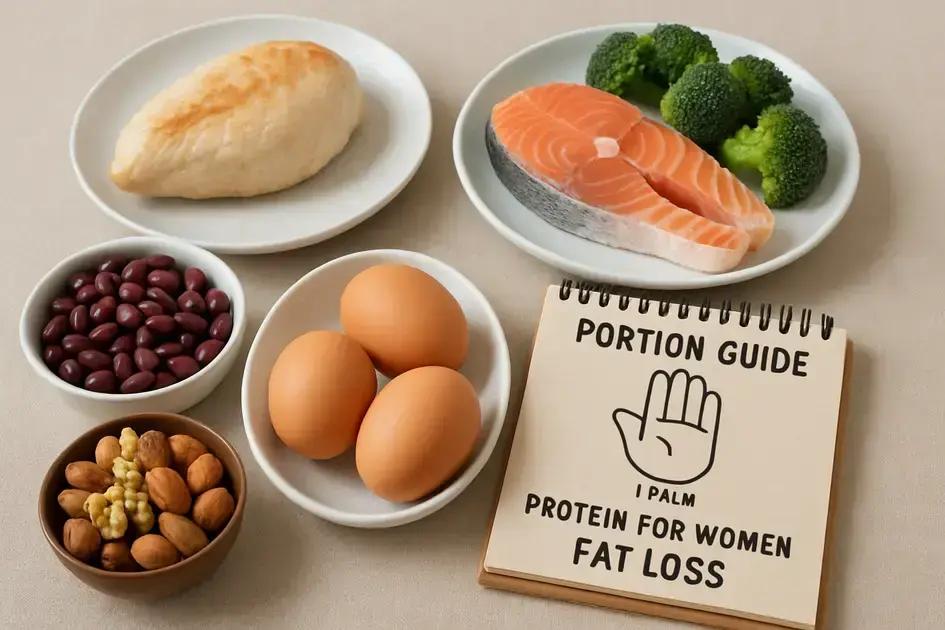
The amount of protein women need for fat loss varies based on factors such as age, weight, activity level, and overall goals. Generally, consuming between 0.6 to 1 gram of protein per pound of body weight is recommended to support fat loss and muscle preservation.
For example, a woman weighing 150 pounds might aim for 90 to 150 grams of protein daily. This range helps maintain lean muscle mass, boosts metabolism, and increases satiety, making it easier to sustain a calorie deficit.
Active women or those engaging in resistance training may benefit from the higher end of this range to aid recovery and muscle growth. On the other hand, sedentary women might require less protein but should still aim for enough to prevent muscle loss during weight loss.
Spreading protein intake evenly throughout the day, such as in meals and snacks, helps maximize muscle protein synthesis and keeps hunger at bay. Including a source of protein in each meal supports metabolism and promotes fat loss effectively.
Working with a healthcare provider or nutritionist can help tailor protein needs according to individual circumstances for optimal results.
Best times to consume protein for weight loss
Consuming protein at the right times can maximize fat loss and muscle preservation. One of the best times to consume protein is after exercise, especially strength training. Protein intake post-workout helps repair muscles and promotes growth, supporting a higher metabolism.
Eating protein in the morning can also be beneficial. Breakfast rich in protein helps control appetite throughout the day and prevents overeating later.
Distributing protein evenly across all meals is important. Consuming moderate amounts every 3 to 4 hours maintains muscle protein synthesis and keeps you feeling full. This steady intake helps reduce hunger and supports consistent energy levels.
Some women find a protein-rich snack before bed helpful, especially using slow-digesting proteins like casein. This can prevent overnight muscle breakdown and aid recovery.
Ultimately, the best times to consume protein depend on your daily routine, but focusing on post-workout, breakfast, and evenly throughout the day can improve weight loss results.
Combining protein with exercise for better results
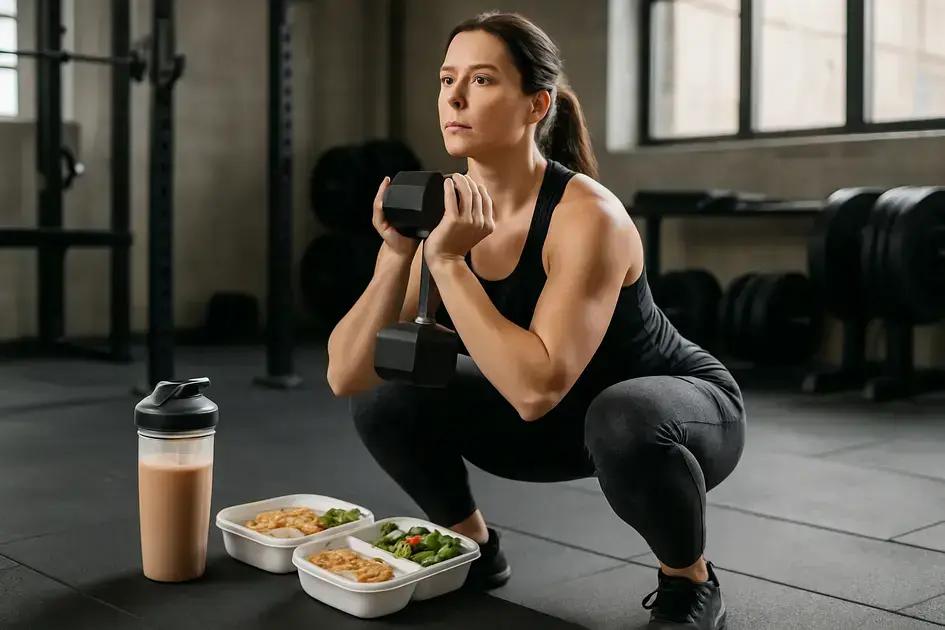
Combining protein intake with regular exercise is essential for maximizing fat loss and muscle gain. Protein provides the building blocks your muscles need to repair and grow after physical activity, especially resistance training.
Exercise stimulates muscle breakdown, and consuming protein helps trigger muscle protein synthesis, which is the process of building new muscle tissue. This combination supports lean muscle preservation, which is important for maintaining a healthy metabolism during weight loss.
Incorporating protein shortly after exercise, preferably within 30 to 60 minutes, can enhance recovery and improve muscle growth. Consuming adequate protein throughout the day also supports energy levels and reduces muscle soreness.
Both strength training and cardiovascular exercise benefit from sufficient protein intake. Strength training builds muscle, while cardio helps burn calories. Together, they create an effective fat loss strategy when combined with a protein-rich diet.
For women aiming to lose weight, pairing protein with a tailored workout routine helps achieve better body composition, increased strength, and sustainable fat loss results.
Common myths about protein and weight loss
There are many myths surrounding protein and weight loss that can cause confusion. One common myth is that eating more protein alone will lead to weight loss. Protein helps with fat loss but only when combined with a calorie-controlled diet and exercise.
Another misconception is that high protein intake can damage the kidneys. In healthy individuals, consuming adequate protein does not harm kidney function. This myth often deters people from eating enough protein.
Some believe that plant proteins are inferior to animal proteins. While animal proteins are complete, mixing different plant proteins can provide all essential amino acids. Both sources can support weight loss effectively.
People also think protein supplements are necessary for fat loss. While supplements can be convenient, whole food sources like lean meats, beans, and dairy provide valuable nutrients alongside protein.
Finally, there is a myth that consuming protein at night causes weight gain. Slow-digesting proteins, like casein, can support muscle recovery and do not cause fat gain when consumed in appropriate amounts.
Tips for choosing quality protein supplements
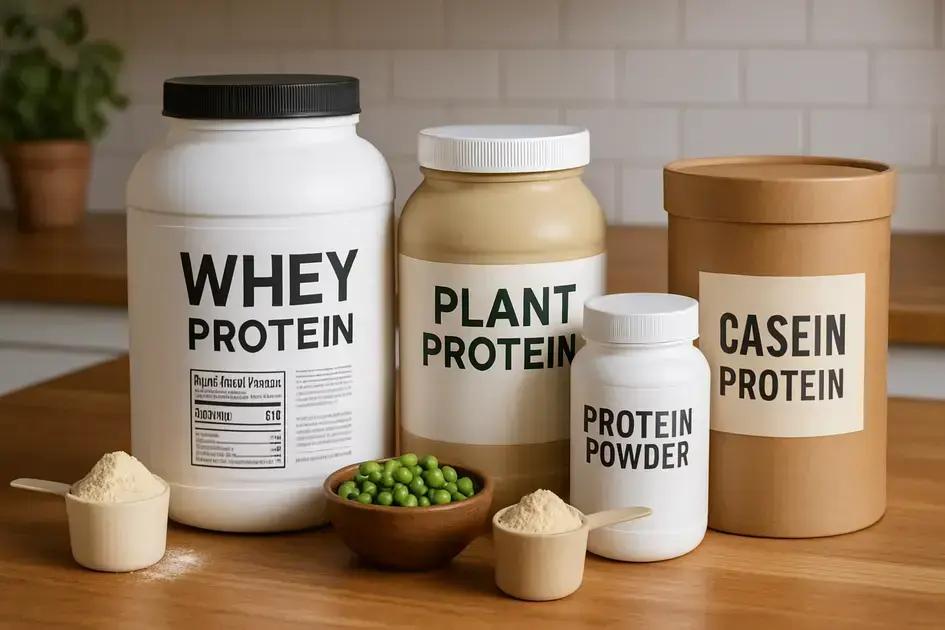
Choosing quality protein supplements can be challenging with so many options available. First, check the protein content per serving. High-quality supplements often provide 20-30 grams of protein per scoop, which supports muscle repair and satiety.
Look for supplements with minimal added sugars, artificial flavors, and fillers. Clean ingredient lists indicate better product quality and fewer empty calories.
Consider the protein source: whey protein isolate is highly pure and fast-absorbing, while plant-based options like pea or rice protein suit those with dietary restrictions. Some supplements blend proteins for a complete amino acid profile.
Third-party testing and certifications like NSF or Informed-Choice add trustworthiness by verifying product safety and ingredient accuracy.
Texture and taste are important for regular use. Sampling products when possible or reading reviews can help find enjoyable options.
Lastly, factor in your budget but avoid very cheap supplements that may compromise on quality. Investing in a reputable product enhances your weight loss and muscle maintenance efforts.
Potential side effects of excessive protein intake
Consuming too much protein can have some side effects, especially if intake consistently exceeds recommended levels. One common concern is kidney strain. While healthy kidneys usually handle high protein well, excessive amounts may increase stress, particularly in those with pre-existing kidney issues.
High protein intake may also lead to dehydration because the body uses more water to eliminate protein byproducts. It’s important to drink plenty of fluids to stay hydrated.
Another side effect can be digestive issues like constipation or bloating. This often happens when protein replaces fiber-rich foods in the diet.
Eating excessive protein might also displace other important nutrients, leading to an unbalanced diet. For example, a focus on protein alone could reduce intake of fruits, vegetables, and whole grains.
Finally, very high protein diets sometimes increase the risk of heart disease if they include a lot of saturated fats from animal proteins. Choosing lean protein sources and maintaining variety is key.
Whole food sources rich in protein for weight loss
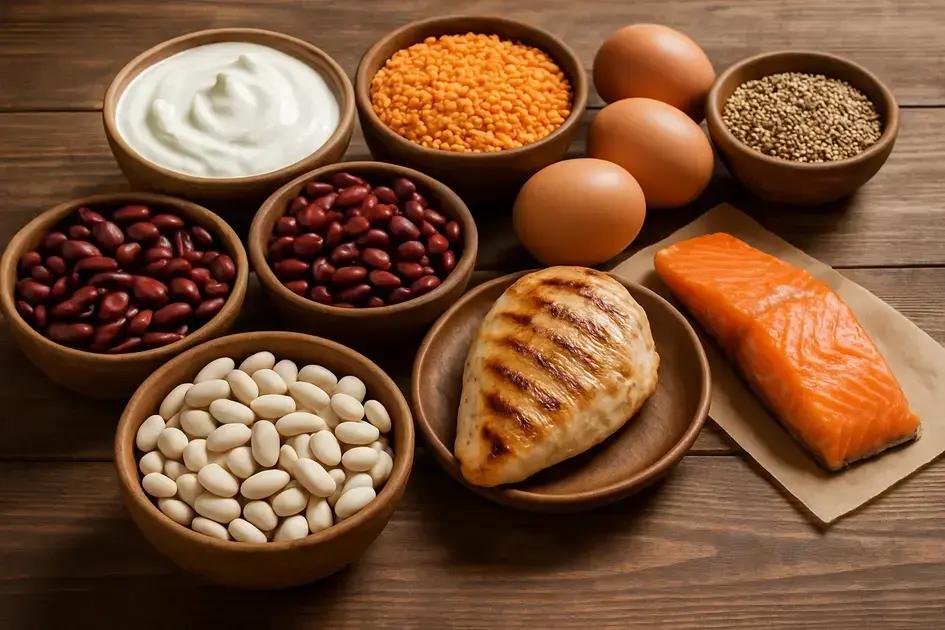
Whole food sources of protein are essential for weight loss as they provide not only protein but also important vitamins, minerals, and fiber. Lean meats such as chicken breast, turkey, and lean cuts of beef are excellent options that are high in protein and low in fat.
Fish like salmon, tuna, and cod offer protein along with healthy omega-3 fatty acids, which support heart health and may aid weight loss. Eggs are another versatile and nutrient-dense source of protein that can keep you full and satisfied.
For plant-based options, beans, lentils, chickpeas, and peas provide both protein and fiber that help control appetite. Quinoa is a complete protein grain that also offers complex carbohydrates for sustained energy.
Dairy products such as Greek yogurt, cottage cheese, and low-fat milk provide high-quality protein. These can be included in meals or snacks to boost protein intake throughout the day.
Incorporating a variety of whole food protein sources helps create a balanced diet, promotes satiety, and supports muscle maintenance during weight loss.
How to balance protein with other nutrients for sustainable results
Balancing protein with other nutrients is key to achieving sustainable weight loss and overall health. A well-rounded diet includes carbohydrates, fats, and proteins in the right proportions. Carbohydrates provide energy, especially from whole grains, fruits, and vegetables, which also supply essential vitamins and fiber.
Healthy fats from sources like avocados, nuts, seeds, and olive oil are vital for hormone production and nutrient absorption. Including these nutrients alongside protein supports metabolism and keeps you satisfied.
When planning meals, aim to include a source of lean protein, complex carbohydrates, and healthy fats. This combination helps regulate blood sugar levels and appetite.
Hydration is also important, so drinking enough water supports digestion and metabolism. Avoid extreme diets that focus solely on protein, as lacking variety can lead to nutrient deficiencies.
Consulting a nutritionist can provide personalized guidance to ensure your diet meets all your nutritional needs while supporting weight loss goals in a balanced and sustainable way.
Wrapping up the best protein choices for women’s weight loss
Choosing the right protein and balancing it with other nutrients is essential for effective and sustainable weight loss. Incorporating a variety of protein sources, including whole foods and supplements when needed, supports muscle health and boosts metabolism.
Understanding when to consume protein and combining it with regular exercise further enhances fat loss results. Avoiding common myths and being aware of potential side effects helps make informed decisions while maintaining overall health.
With the right approach, protein can be a powerful tool in a woman’s weight loss journey, aiding in long-term success and wellbeing.
FAQ – Common questions about protein and women’s weight loss
What is the best type of protein for women’s weight loss?
The best protein depends on personal preferences, but options like whey, casein, soy, pea protein, and lean whole foods all support weight loss effectively.
How much protein should I eat daily to lose weight?
Typically, women should aim for 0.6 to 1 gram of protein per pound of body weight to support fat loss and muscle maintenance.
When is the best time to consume protein for weight loss?
Protein is most effective when consumed after exercise, at breakfast, and evenly throughout the day to maintain muscle and control appetite.
Can plant-based proteins help with fat loss?
Yes, plant-based proteins like soy and pea are complete or can be combined to provide all essential amino acids and support weight loss.
Are protein supplements necessary for losing weight?
Not necessarily. Whole food sources are preferable, but supplements can be convenient to meet protein needs when used properly.
Can eating too much protein cause side effects?
Excessive protein intake may cause kidney strain in some people, dehydration, digestive issues, and nutrient imbalances, so it’s important to consume protein in balanced amounts.

