
Diabetics can enjoy pizza responsibly by opting for healthier crusts like cauliflower or whole grain, selecting low-sugar sauces, and piling on non-starchy vegetables while practicing portion control.

What is the best pizza for a diabetic to eat? This is a question that many who are managing diabetes would love to know. It turns out, you can still enjoy pizza with a few thoughtful choices that prioritize your health. Let’s dive into how you can satisfy your pizza cravings while keeping your dietary needs in check.
Understanding diabetes and its impact on diet
Understanding diabetes is essential when considering what is the best pizza for a diabetic to eat. Diabetes is a condition where the body either does not produce enough insulin or cannot use insulin effectively. This can affect how your body processes sugar and carbs, making diet choices crucial.
Types of Diabetes
There are two main types of diabetes: Type 1 and Type 2. Type 1 diabetes is usually diagnosed in children and young adults, where the pancreas produces little or no insulin. Type 2 diabetes is more common and often linked to lifestyle factors. It can typically be managed through diet, exercise, and medication.
The Role of Carbohydrates
Carbohydrates directly impact blood sugar levels. Therefore, choosing the right type and amount of carbs is vital. Foods with a lower glycemic index can help maintain steadier blood sugar. This is important when selecting pizza options, as traditional crusts can be high in carbs.
Impact of Sugars and Fats
In addition to carbs, added sugars and unhealthy fats can also affect overall health. Foods that contain high sugars can lead to spikes in blood sugar, so it’s important to be aware of hidden sugars and select healthier options. Instead of regular cheese, opting for low-fat cheese or reducing the amount used can also be a wise choice.

Balancing Your Plate
For someone with diabetes, it is essential to balance their plate with lots of vegetables, lean proteins, and whole grains alongside any pizza choices. Incorporating vegetables as toppings not only enhances flavor but also adds vital nutrients.
Nutritional guidelines for diabetics
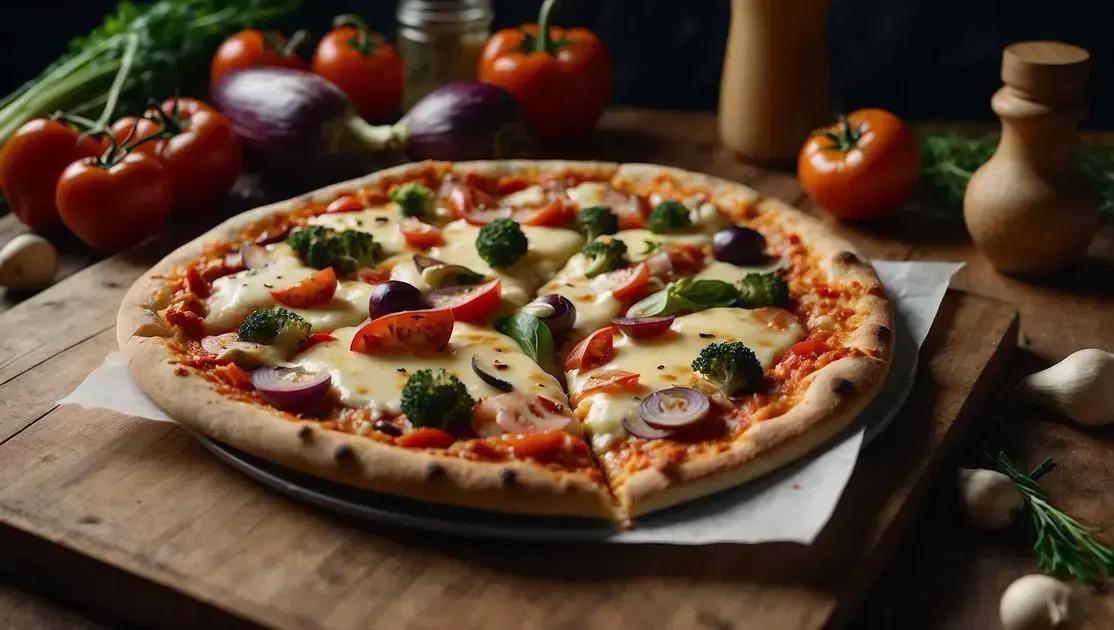
Nutritional guidelines for diabetics focus on maintaining healthy blood sugar levels while enjoying a variety of foods. It’s important for people with diabetes to understand how different foods affect their bodies. Incorporating these guidelines can help manage diabetes effectively.
Understanding Macronutrients
Macronutrients consist of carbohydrates, proteins, and fats. Carbohydrates have the most significant impact on blood sugar. Therefore, monitoring carb intake is key. Foods like whole grains, fruits, and vegetables offer healthier carb choices due to their fiber content.
Choosing Quality Carbs
For a balanced diet, it’s preferable to choose low glycemic index (GI) foods. These foods are digested more slowly and help maintain stable blood sugar levels. Examples include beans, legumes, and most whole fruits. Avoid refined carbs and sugary snacks which can cause spikes in blood sugar.
Incorporating Lean Proteins
Protein is essential for a balanced diet. Opt for lean sources of protein like chicken, turkey, fish, legumes, and tofu. Adding protein helps control hunger and can minimize the impact of carbs on blood sugar.
Healthy Fats Matter
Incorporate healthy fats into meals, such as those from nuts, seeds, avocados, and olive oil. These fats can improve heart health without causing significant blood sugar increases. However, moderation is key, as fats are calorie-dense.

Portion Control
Portion control plays a crucial role in managing diabetes. Using smaller plates, measuring food, and being mindful of serving sizes helps avoid overeating. This practice is especially vital when enjoying meals like pizza, where it’s easy to take larger portions.
Regular Meal Timing
Eating at regular intervals can help stabilize blood sugar levels. Aim for three balanced meals and snacks when needed. This prevents extreme fluctuations in blood sugar, making food intake more manageable.
What to look for in diabetic-friendly pizza
When searching for diabetic-friendly pizza, there are several key factors to consider. These choices can help you enjoy pizza without compromising your health.
Crust Choices
Opting for a whole grain or cauliflower crust can be a game-changer. These alternatives usually have more fiber, which can aid in stabilizing blood sugar levels. Avoid traditional white flour crusts, as they are often high in simple carbohydrates.
Sauce Selection
Be mindful of the sauce you choose. Look for low-sugar marinara sauces or make your own to control added sugars. Traditional pizza sauces can sometimes contain unexpected sugars, so reading labels is crucial.
Topping Wisely
The toppings can make or break a pizza. Choose non-starchy vegetables like bell peppers, mushrooms, and spinach. These add flavor, nutrients, and fiber without spiking blood sugar. Opt for lean proteins like grilled chicken or turkey instead of processed meats, which may contain unhealthy fats and extra sodium.

Cheese Matters
Cheese can be a tasty addition, but it’s essential to choose wisely. Opt for low-fat cheese or use less cheese overall to lower fat and calorie content. Consider adding a sprinkle of fresh herbs for added flavor instead of relying solely on cheese.
Portion Control
Even when making healthy choices, portion control is vital. Stick to a reasonable serving size to keep carbohydrate intake in check. Sharing a pizza with family or friends can help manage portion sizes effectively.
Reading Nutritional Labels
When buying frozen or pre-made pizzas, always read the nutritional labels. Focus on options that have lower carbohydrates, reduced sugars, and higher fiber. This will help ensure that the pizza aligns with your dietary needs.
The best ingredients for diabetic pizza

When crafting a diabetic-friendly pizza, choosing the right ingredients is crucial for maintaining healthy blood sugar levels while satisfying your cravings. Here are some of the best ingredients to consider.
Whole Grain Crust
Start with a whole grain crust or a gluten-free option made from almond or coconut flour. These crusts are typically higher in fiber and lower in simple carbohydrates, making them better choices for diabetics.
Low-Sugar Sauce
For the sauce, opt for a low-sugar marinara sauce or make your own by blending tomatoes with spices. This helps avoid added sugars commonly found in store-bought sauces. Fresh herbs like basil and oregano can add delicious flavor without extra calories.

Healthy Vegetables
Add a variety of non-starchy vegetables as toppings. Great choices include bell peppers, spinach, mushrooms, and zucchini. These veggies not only enhance the flavor but also provide essential vitamins, minerals, and fiber.
Lean Proteins
Incorporate lean proteins such as grilled chicken, shrimp, or turkey. These options help keep you full without adding unhealthy fats. Avoid processed meats like pepperoni and sausage, as they can contain additives and excess sodium.
Lower-Fat Cheese
Use lower-fat cheese or simply reduce the amount of cheese on your pizza. Consider alternatives like part-skim mozzarella or goat cheese to cut back on saturated fats while still enjoying a cheesy flavor.
Healthy Fats
Add healthy fats such as olives or avocado slices. These fats can promote satiety and offer health benefits without causing rapid spikes in blood sugar. Avocados, in particular, provide fiber and heart-healthy fats.
Low-carb crust alternatives
Choosing a low-carb crust for pizza can significantly improve its suitability for diabetics. Here are some excellent alternatives to traditional wheat crusts that are delicious and lower in carbs.
Cauliflower Crust
One of the most popular options is cauliflower crust. It’s made by blending cooked cauliflower with cheese and eggs to form a dough-like base. This crust is low in carbs and provides a unique flavor and texture that many enjoy.
Almond Flour Crust
Almond flour crust is another great choice. Almond flour is low in carbohydrates and high in healthy fats. The resulting crust is nutty, crispy, and pairs well with a variety of toppings. Combine it with eggs and cheese to help bind the ingredients together.
Coconut Flour Crust
If you prefer a different nut alternative, coconut flour crust is an option worth considering. It’s also low in carbs and high in fiber. Coconut flour absorbs a lot of moisture, so ensure to balance it with eggs and other liquids to achieve the right consistency.
Zucchini Crust
Another tasty alternative is zucchini crust. By grating zucchini and mixing it with cheese and almond flour, you can create a gluten-free option that is moist and flavorful. This crust can be particularly good for adding extra vegetables to your meal.
Chickpea Flour Crust
Chickpea flour is also low in carbs and can be used to make a unique crust. It’s higher in protein, which can help with satiety. This crust can be made by mixing chickpea flour with water and spices, then baking until crispy.
Store-Bought Options
If you’re short on time, many brands now offer pre-made low-carb crusts made from alternative flours. Always check nutritional labels to ensure they fit your dietary needs. Look for options that are low in added sugars and high in fiber.
Choosing the right sauce for diabetics

Choosing the right sauce for your pizza can have a significant impact on its overall healthiness, especially for diabetics. Here are some key points to keep in mind when selecting sauces.
Red Sauce Options
Marinara sauce is a classic choice for pizza and can be a healthy option. Look for low-sugar or no-added-sugar varieties to minimize carbohydrate intake. Many brands offer options that stay true to traditional flavors without the extra sugars.
Homemade Sauce
Consider making your own pizza sauce using fresh ingredients. You can blend canned tomatoes with garlic, onion, and herbs like basil and oregano. This gives you complete control over the ingredients, ensuring that your sauce is both flavorful and healthy.
Pesto Sauce
Pesto sauce can also be a great alternative. Made from fresh basil, garlic, pine nuts, and olive oil, it provides a rich flavor without added sugars. However, it’s important to use it sparingly since it can be calorie-dense due to the oil.
White Sauce Options
For a creamy twist, you can try a white sauce made from low-fat Greek yogurt or cottage cheese. These options add creaminess while keeping the carbohydrate counts lower than traditional cream sauces. Mix in some garlic and herbs for added flavor.
Sauces to Avoid
Avoid sauces that are high in sugar and processed ingredients, such as barbecue sauce or sweetened tomato sauces. Always check the labels for hidden sugars and carbohydrates that can affect blood sugar levels.
Serving Size
Even with healthier choices, keeping an eye on serving sizes is vital. Using too much sauce, even a healthy one, can increase the overall carbohydrate content of your pizza. Measure or dollop carefully to maintain balance.
Toppings that are good for diabetes
Choosing the right toppings is essential for creating a delicious diabetic-friendly pizza. Here are some toppings that are great for managing blood sugar levels.
Non-Starchy Vegetables
Non-starchy vegetables are excellent choices for pizza toppings. Options like spinach, bell peppers, onions, and mushrooms are low in calories and high in vitamins. These vegetables add flavor and crunch without significantly increasing carbohydrate content.
Lean Proteins
Adding lean proteins such as grilled chicken, turkey, or shrimp can help keep you feeling full and satisfied. These toppings provide essential nutrients and can help balance your meal, making it more suitable for a diabetic diet.
Healthy Fats
Incorporating healthy fats is also important. Toppings like avocado, olives, or a sprinkle of nuts can enhance flavor and texture while providing beneficial fats. These fats can help with satiety without causing a spike in blood sugar levels.
Low-Fat Cheese
Cheese can be enjoyed in moderation, but choosing low-fat cheese options is advisable. Using less cheese overall can reduce calories and fat while still allowing for that delicious cheesy flavor we love on pizza.
Herbs and Spices
For added flavor without extra calories, consider using fresh herbs and spices. Basil, oregano, garlic, and red pepper flakes can elevate the taste of your pizza without adding sugar or carbs.
Controlled Portions
Finally, it’s important to remember portion control. Even healthy toppings can lead to high carb content if used in large quantities. Be mindful of how much you add to your pizza to maintain a balanced meal.
How cheese affects blood sugar
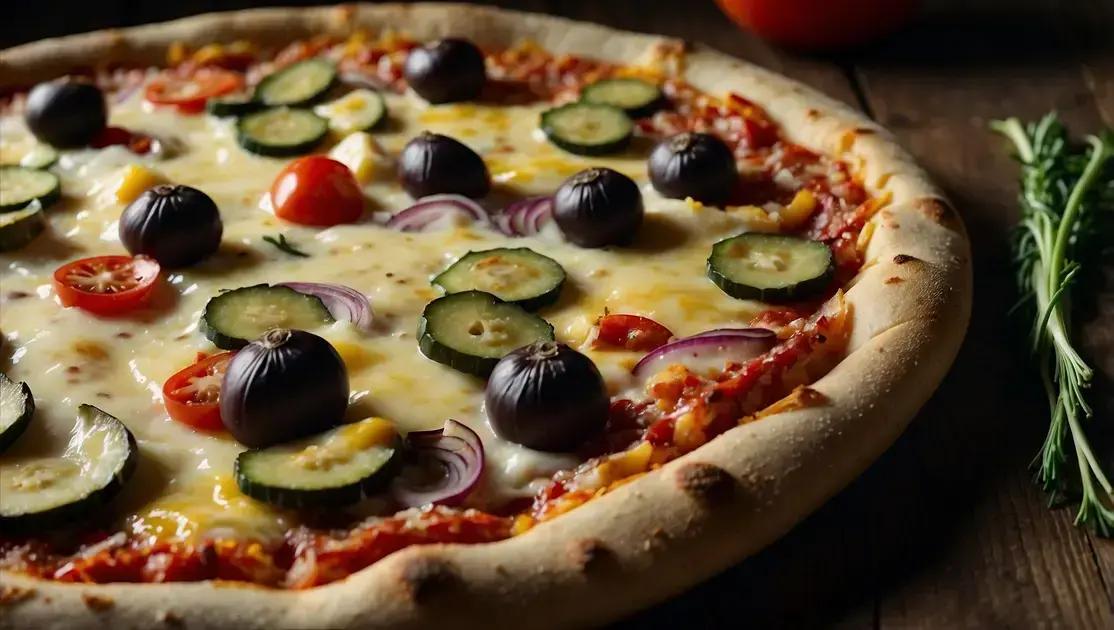
Cheese can be a delicious addition to your pizza, but how it impacts blood sugar levels is important to understand, especially for diabetics. Here are some key points to consider about cheese and its effects on blood sugar.
Low-Carbohydrate Content
One of the reasons cheese is generally considered a good option for diabetics is its low carbohydrate content. Most cheeses contain very few carbs, which means they have little direct impact on blood sugar levels.
Balanced Nutritional Profile
Cheese is also rich in protein and fat. The protein and fat in cheese can help slow down the absorption of carbohydrates from other foods in your meal. This slower absorption can reduce the likelihood of blood sugar spikes after eating.
Calcium and Blood Sugar
Some studies suggest that calcium may play a role in blood sugar regulation. Cheese is a good source of calcium, which may help improve insulin sensitivity in some individuals. This means that incorporating cheese into your diet could be beneficial if consumed in moderation.
Portion Control is Key
While cheese has its benefits, it’s important to practice portion control. Cheese can be high in fat and calories, which can lead to weight gain if consumed excessively. Utilizing smaller amounts of cheese can still provide flavor without adding too many calories or fat.
Choosing the Right Type of Cheese
Some cheeses are better for diabetics than others. Low-fat options like part-skim mozzarella or cottage cheese can be great choices, while full-fat cheeses should be consumed more sparingly. Being mindful of the type of cheese you choose can help you make healthier choices.
Combining Cheese with Other Ingredients
Pairing cheese with fiber-rich vegetables can help balance blood sugar levels even further. Vegetables can add essential nutrients and fiber to your pizza while helping to stabilize blood sugar when enjoyed with cheese.
Portion control tips for pizza
Portion control is crucial for enjoying pizza while maintaining healthy blood sugar levels. Here are some effective tips to help manage your portions when indulging in this beloved dish.
Use Smaller Plates
Start by using smaller plates when serving pizza. This technique can make a regular portion look larger and help you eat less overall. A smaller plate gives the illusion of a full meal without overeating.
Pre-Cut Your Pizza
Determine your serving size by pre-cutting your pizza into smaller slices. By slicing the pizza into smaller pieces, you can control how much you eat more easily. Consider two to three smaller slices instead of one large piece.
Include Lots of Vegetables
Enhance the overall meal with plenty of vegetable toppings. Non-starchy veggies such as bell peppers, spinach, and onions can bulk up your pizza without adding too many calories or carbs. Loading up on vegetables helps you feel full and satisfied.
Pair with a Healthy Side
To help control pizza portions, pair your meal with a healthy side, such as a salad. A fiber-rich salad can fill you up and reduce the number of pizza slices you consume. This is an effective way to balance the meal while being mindful of portions.
Listen to Your Body
Practice mindful eating by listening to your body’s hunger cues. Eat slowly and pay attention to how you feel. Stop eating when you’re satisfied, not when you’re full. This can help prevent overeating during pizza night.
Prepare Personal Pizzas
Creating personal-sized pizzas can also be a great way to control portions. Using whole grain pita bread or a cauliflower base, you can make an individual pizza tailored to your nutritional needs without the temptation to overindulge.
Making pizza at home for better health
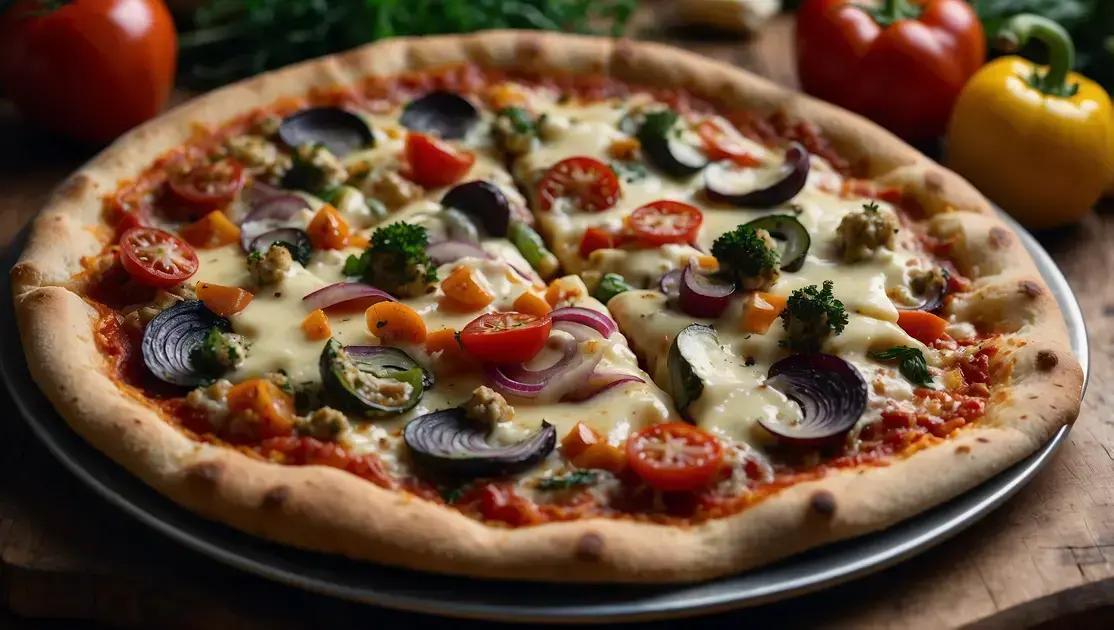
Making pizza at home can be a fun and healthy alternative to ordering out. Here are some tips and ideas to create a nutritious pizza that caters to your health needs.
Choose Whole Grain Crust
For a healthier base, select a whole grain crust. Whole grain flour is richer in fiber, which can help regulate blood sugar levels. You can also experiment with alternatives like cauliflower crust or almond flour crust for lower-carb options.
Control Your Ingredients
Making pizza at home allows you to control the ingredients. Use fresh, whole foods rather than processed items. Select high-quality tomatoes for your sauce and fresh mozzarella or low-fat cheese for toppings.
Add Plenty of Vegetables
Boost the nutritional value of your pizza by adding a variety of vegetables. Spinach, bell peppers, mushrooms, and onions are all great choices. These toppings are low in calories and boost vitamins and minerals.
Opt for Lean Proteins
Include lean proteins such as grilled chicken or turkey instead of fatty meats. This can enhance flavor while keeping the overall fat content lower. You can also consider plant-based proteins like chickpeas or beans.
Create Your Own Sauce
Consider making your own pizza sauce using crushed tomatoes, garlic, and herbs. This way, you can avoid the added sugars and preservatives often found in store-bought sauces. A homemade sauce can be both healthy and delicious.
Mind the Cheese
Use cheese sparingly. Opt for low-fat cheese or reduce the amount to save on calories and saturated fat. You can also add flavor with fresh herbs like basil without relying solely on cheese.
Popular pizza chains and their diabetic options
Many pizza chains now offer options that cater to those with diabetes. Here’s a look at some popular pizza chains and their healthier choices.
Domino’s
At Domino’s, you can choose the Thin Crust pizza which has fewer carbs than the regular crust. Opt for toppings like fresh vegetables and lean proteins. They also allow you to customize pizzas, so avoid the high-sugar sauces.
Papa John’s
Papa John’s offers a thin crust pizza as well, which is a good option for diabetics. You can pile on non-starchy vegetables and select their light cheese to cut back on calories and fat.
Pizza Hut
Pizza Hut has a Healthy Options menu that includes a gluten-free crust and various veggie toppings. They offer the option of ordering pizzas with less cheese or adding fresh toppings like tomatoes and spinach.
California Pizza Kitchen
At California Pizza Kitchen, you can find the Thin Crust option as well as specific pizzas designed with health in mind. Their California Style pizzas often feature fresh, healthy ingredients and fewer carbs.
Little Caesars
Little Caesars provides a range of options and allows for customization. You can order a custom thin crust pizza and choose healthy toppings like grilled chicken and plenty of veggies. Be cautious with the sauce used to keep sugar content low.
Chain-Specific Tips
No matter where you go, always check the nutritional information available on the pizza chain’s website. This will help you make informed choices based on your dietary needs. Look for options that are lower in carbs and sugars while providing adequate protein and fiber.
Reading nutrition labels for pizza

Reading nutrition labels for pizza is essential for anyone trying to manage their diet, especially for those with diabetes. Here are key points to consider when you examine these labels.
Understanding Serving Sizes
First, pay attention to the serving size. Nutrition information is typically based on a single serving, which can be only a portion of the whole pizza. Make sure to adjust the values according to how much you plan to eat.
Check Total Carbohydrates
Focus on the total carbohydrates listed on the label. This number is crucial for diabetics because it indicates how much the pizza will affect your blood sugar. Look for options with lower total carbohydrates per serving.
Watch for Sugars
Take note of the sugars in the ingredient list. Some sauces and crusts may contain added sugars that can spike your blood sugar levels. Aim for pizzas with minimal added sugars to better manage your diet.
Look at Fiber Content
Fiber is an important component in understanding how a food item will affect your blood sugar. Look for pizzas that list higher fiber content, as fiber helps slow down glucose absorption. A higher fiber option can be more satisfying and healthier overall.
Review Fat Content
Check both the total fat and saturated fat content. While modest amounts of healthy fats are beneficial, avoid pizzas that are high in saturated and trans fats, which can lead to other health issues.
Evaluate Protein Levels
Protein is essential for satiety. Look for pizzas with adequate protein content as it can help keep you full longer. Lean proteins such as chicken and turkey can be excellent choices.
Check Sodium Levels
Sodium is another important factor to consider. Many pizzas can be high in sodium, which might lead to health problems like hypertension. Aim for options with lower sodium levels for better health.
Creative ways to enjoy pizza with a twist
Pizza is a versatile dish that can be enjoyed in many creative ways. Here are some fun and delicious twists to make your pizza experience exciting and healthy.
Pizza Bowls
Instead of using traditional crust, try making pizza bowls. Use bell peppers, zucchini, or even eggplant as the base. Fill them with your favorite pizza toppings like sauce, cheese, and veggies for a low-carb option.
Pizza Lettuce Wraps
For a fresh twist, use large lettuce leaves as wraps. Add sauce, cheese, and toppings to the leaves for a crispy, no-carb pizza experience. These make for a great appetizer or light lunch option.
Cauliflower Pizza Crust
One popular alternative is cauliflower pizza crust. This gluten-free option is made by mixing riced cauliflower with cheese and eggs. It’s low in carbs and full of flavor. Top it with your favorite ingredients for a guilt-free pizza night.
Breakfast Pizza
Consider making a breakfast pizza using a whole grain crust topped with scrambled eggs, spinach, tomatoes, and a sprinkle of cheese. This unique twist is perfect for a hearty breakfast or brunch.
Flatbread Pizzas
Use whole grain or gluten-free flatbreads as a base. Flatbread pizzas come together quickly and can be topped with anything from hummus and veggies to classic marinara and cheese, giving you plenty of flexibility.
Sweet Dessert Pizza
For a fun dessert option, make a sweet pizza using a cookie or brownie crust. Top it with Nutella, fresh fruits, and a drizzle of honey for a delicious treat that satisfies your sweet tooth.
Handling cravings for pizza

Cravings for pizza can be intense, but there are ways to manage and satisfy them without straying from a healthy diet. Here are some effective tips for handling those cravings.
Identify Triggers
First, it’s important to identify your triggers. Are your cravings triggered by stress, boredom, or certain social situations? Understanding what leads to your pizza cravings can help you find healthier alternatives or address the underlying feelings.
Healthy Alternatives
Consider making healthier alternatives at home. Options like a cauliflower crust pizza or whole grain pita bread pizzas can satisfy your craving while keeping the carb count lower. You can top them with your favorite healthy ingredients without the guilt.
Portion Control
If you choose to indulge in pizza, practice portion control. Instead of having a whole pizza, enjoy one or two slices along with a side salad. This can help you enjoy the flavors you love without going overboard.
Stay Hydrated
Often, we confuse thirst with hunger. Make sure to stay hydrated. Drinking a glass of water when cravings hit can help reduce the intensity of the craving. After hydrating, if you still want pizza, then consider healthier options.
Mindful Eating
When you do eat pizza, practice mindful eating. Slow down and savor each bite. This helps you enjoy the food more and can prevent overeating. Pay attention to how your body feels as you eat.
Find Substitutes
Look for pizza-flavored substitutes if you’re craving the taste. Snacks like pizza-flavored rice cakes or popcorn can provide a similar flavor profile without the heavy calories and carbs.
Real stories: Diabetics who enjoy pizza responsibly
Many diabetics successfully manage their cravings for pizza while maintaining a balanced diet. Here are some real stories of individuals who enjoy pizza responsibly.
Emma’s Cauliflower Crust Pizza
Emma discovered that using a cauliflower crust let her enjoy pizza without guilt. By making her crust at home, she controlled the ingredients and kept the carb content low. She tops it with lots of fresh veggies and a sprinkle of low-fat cheese, ensuring it’s both tasty and healthy.
Mark’s Pizza Night with Friends
Mark used to feel left out during pizza nights with friends. Now, he brings his personalized mini pizzas made with whole-grain pita bread. Everyone loves his creative toppings like spinach and grilled chicken, making it easy for him to indulge while sticking to his meal plan.
Sara’s Balance Strategy
Sara has a simple strategy for enjoying pizza. She pairs her two slices with a large salad full of greens and lean protein. This combo fills her up, allowing her to satisfy her cravings without going overboard on carbs.
James’ Recipe Tweaks
James has perfected his make-at-home pizza recipe. He uses whole wheat flour for the crust and adds extra fiber by including oats. His toppings are a mix of vegetables and a low-calorie sauce, allowing him to enjoy a hearty slice without spiking his blood sugar.
Linda’s Mindful Eating
Linda practices mindful eating while enjoying pizza. She takes small bites and truly savors the flavors, which helps her feel satisfied with just a few slices. By slowing down, she’s able to enjoy pizza without overdoing it.
Enjoying Pizza Healthily
Pizza is a beloved food that can still be part of a healthy diet, even for those managing diabetes. By making smart choices with crust, toppings, and sauces, you can enjoy a delicious slice without compromising your health.
Incorporating creative alternatives like cauliflower crusts and vegetable toppings can make pizza a nutritious meal. It’s important to practice portion control and be mindful of the overall balance in your diet.
With real stories showing how others manage their cravings and make healthier pizza choices, you can feel empowered to enjoy pizza responsibly. Remember, with a little planning and creativity, you can satisfy your cravings and maintain a healthy lifestyle.
FAQ – Frequently Asked Questions About Enjoying Pizza Healthily
Can I enjoy pizza if I have diabetes?
Yes, you can enjoy pizza by choosing healthy options like whole grain crusts, low-sugar sauces, and plenty of vegetables as toppings.
What are some low-carb alternatives for pizza crust?
Some great low-carb alternatives include cauliflower crust, almond flour crust, or using large vegetables like bell peppers and zucchini as a base.
How can I satisfy pizza cravings without overindulging?
You can satisfy cravings by practicing portion control, pairing your pizza with a salad, or making healthier homemade versions.
What toppings are best for diabetics?
Non-starchy vegetables, lean proteins, and low-fat cheese are great toppings for diabetics as they are nutritious and lower in carbs.
Is it important to read nutrition labels for pizza?
Yes, reading nutrition labels helps you understand the carbohydrate, sugar, and sodium content, which is essential for managing your diet.
Can I make healthy pizzas at home?
Absolutely! Making pizza at home allows you to control the ingredients, making it easy to create delicious and healthy options.

