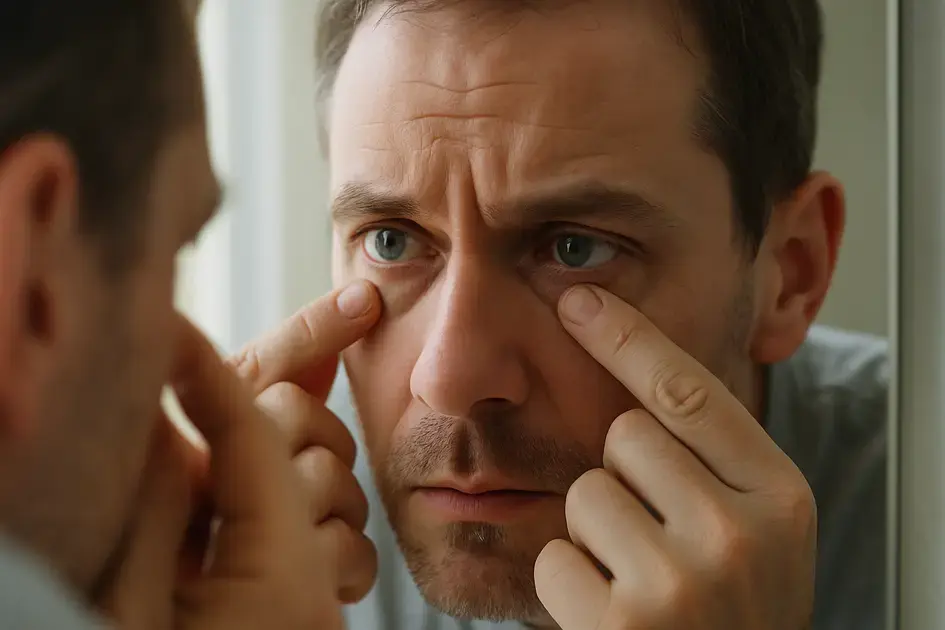
Preventing vision loss involves regular eye exams to detect early signs like blurry vision and halos. Key treatments include managing conditions like cataracts and glaucoma, and adopting a healthy lifestyle with UV protection to preserve eyesight effectively.
Discovering the preventing vision loss early signs and treatments can truly make a difference in saving your eyesight. Ever wondered what small signals your eyes give before problems get serious? Let’s explore those clues together and see what steps help maintain clear vision for longer.
Understanding common causes of vision loss
Vision loss can stem from a variety of factors, some developing slowly over time and others appearing suddenly. Understanding these causes is the first step toward prevention and early treatment. Let’s explore some of the most common reasons why people experience declining eyesight.
Age-Related Macular Degeneration (AMD)
AMD is a leading cause of vision loss in older adults, affecting the central part of the retina known as the macula. This condition blurs central vision, making it difficult to read, drive, or recognize faces. While there’s no cure for AMD, treatments like medication and laser therapy can help slow its progression.
Glaucoma
Often called the “silent thief of sight,” glaucoma damages the optic nerve, which connects the eye to the brain. Many people with glaucoma don’t experience symptoms until significant vision loss has already occurred. Regular eye exams are crucial for detecting glaucoma early. Treatment options include eye drops, laser surgery, and microsurgery.
Cataracts
Cataracts are characterized by a clouding of the lens of the eye. This clouding gradually impairs vision, making it blurry or hazy. Cataracts are very common with age and can often be successfully treated with surgery to replace the clouded lens with an artificial one.
Diabetic Retinopathy
Diabetes can damage the blood vessels in the retina, leading to diabetic retinopathy. This condition can cause vision loss and even blindness if left untreated. Managing blood sugar levels, blood pressure, and cholesterol is key to preventing or slowing the progression of diabetic retinopathy. Treatments include laser surgery and injections.
Other Causes
Besides these common conditions, vision loss can also be caused by infections, injuries, and genetic factors. Certain medications can also have side effects that affect vision. It’s important to discuss any vision changes with an eye care professional to determine the underlying cause and appropriate treatment.
Recognizing subtle early symptoms

Catching vision problems early can significantly impact the effectiveness of treatment and help preserve your sight. Many eye conditions develop gradually, often without noticeable symptoms in their initial stages. Here’s what to watch out for:
Blurry Vision
One of the most common early signs of vision problems is blurry vision. This can manifest as difficulty seeing clearly at a distance or up close. If you find yourself squinting or needing to hold reading materials closer than usual, it may be time to see an eye doctor.
Difficulty Seeing at Night
If you’re having trouble seeing in low light conditions, such as driving at night or navigating dimly lit rooms, this could be an early sign of conditions like cataracts or retinitis pigmentosa. Pay attention to how well you can see in different lighting conditions.
Double Vision
Seeing double, or diplopia, can be a sign of various eye problems, including issues with the muscles controlling eye movement or problems with the cornea or lens. Double vision should always be evaluated by an eye care professional.
Halos Around Lights
Seeing halos around lights, particularly at night, can be an early symptom of glaucoma or cataracts. These halos occur because the cornea or lens is scattering light in an abnormal way.
Eye Strain and Headaches
Frequent eye strain or headaches, especially after prolonged screen time or reading, can indicate an underlying vision problem. This may be a sign of uncorrected refractive errors or issues with eye focusing.
Floaters and Flashes
Seeing floaters (small spots or lines that drift across your field of vision) or flashes of light can be normal, but a sudden increase in these symptoms could indicate a retinal tear or detachment, which requires immediate medical attention.
Distorted Vision
If straight lines appear wavy or distorted, this could be a sign of macular degeneration. Early detection and treatment are crucial for managing this condition.
how diabetes affects eye health
Diabetes can have a profound impact on eye health, often leading to serious complications if not properly managed. High blood sugar levels can damage the blood vessels in the retina, leading to a condition known as diabetic retinopathy. Understanding how diabetes affects your eyes is crucial for preventing vision loss.
Diabetic Retinopathy Explained
Diabetic retinopathy occurs when high blood sugar levels damage the tiny blood vessels in the retina, the light-sensitive tissue at the back of the eye. These damaged vessels can leak fluid or bleed, causing swelling and blurry vision. In advanced stages, abnormal new blood vessels may grow on the surface of the retina, leading to scarring and even retinal detachment.
Stages of Diabetic Retinopathy
Diabetic retinopathy progresses through several stages, from mild to severe. In the early stages, you may not experience any symptoms. As the condition advances, you may notice blurry vision, floaters, or dark spots. In the most severe stage, known as proliferative diabetic retinopathy, new blood vessels grow on the surface of the retina, which can lead to significant vision loss.
Diabetic Macular Edema (DME)
Diabetic macular edema (DME) is another serious complication of diabetes that affects the macula, the central part of the retina responsible for sharp, detailed vision. DME occurs when fluid leaks from damaged blood vessels into the macula, causing swelling and blurry vision. DME can occur at any stage of diabetic retinopathy.
Preventing Diabetic Eye Problems
The best way to protect your eyes from diabetes-related damage is to manage your blood sugar levels, blood pressure, and cholesterol. Regular eye exams are also essential for detecting diabetic retinopathy and DME early, when treatment is most effective. If you have diabetes, you should have a comprehensive eye exam at least once a year.
Treatment Options
Treatment options for diabetic retinopathy and DME include laser surgery, injections of medication into the eye, and, in some cases, vitrectomy surgery. Laser surgery can help seal leaking blood vessels and prevent the growth of new ones. Injections of medication can reduce swelling and improve vision. Vitrectomy surgery involves removing blood and scar tissue from the eye.
Lifestyle Changes
In addition to medical treatments, certain lifestyle changes can help protect your eyes from diabetes-related damage. These include eating a healthy diet, exercising regularly, maintaining a healthy weight, and quitting smoking.
Impact of high blood pressure on vision

High blood pressure, or hypertension, can quietly damage various organs in your body, including your eyes. Over time, elevated blood pressure can lead to a condition known as hypertensive retinopathy, which can impair vision and, in severe cases, cause blindness. Understanding the impact of high blood pressure on your vision is essential for protecting your eyesight.
Hypertensive Retinopathy Explained
Hypertensive retinopathy occurs when high blood pressure damages the blood vessels in the retina, the light-sensitive tissue at the back of the eye. The elevated pressure can cause the blood vessels to narrow, leak fluid, or bleed. This can lead to swelling and damage to the retina, affecting your vision.
How High Blood Pressure Damages the Eyes
When blood pressure is consistently high, the blood vessels in the retina can thicken and narrow, restricting blood flow to the eye. This can lead to a lack of oxygen and nutrients, causing damage to the retina. Over time, the blood vessels may leak fluid or blood, leading to swelling and further damage. In severe cases, high blood pressure can also damage the optic nerve, which transmits visual information from the eye to the brain.
Symptoms of Hypertensive Retinopathy
In the early stages, hypertensive retinopathy may not cause any noticeable symptoms. As the condition progresses, you may experience blurry vision, double vision, headaches, or vision loss. It’s important to note that these symptoms can also be caused by other eye conditions, so it’s essential to see an eye doctor for a comprehensive exam if you experience any vision changes.
Preventing Hypertensive Retinopathy
The best way to prevent hypertensive retinopathy is to manage your blood pressure. This can be achieved through lifestyle changes, such as eating a healthy diet, exercising regularly, maintaining a healthy weight, and limiting your intake of sodium and alcohol. In some cases, medication may be necessary to control blood pressure.
Regular Eye Exams
Regular eye exams are crucial for detecting hypertensive retinopathy early, even if you don’t have any symptoms. During an eye exam, your eye doctor can examine the blood vessels in your retina and identify any signs of damage caused by high blood pressure.
Treatment Options
The primary treatment for hypertensive retinopathy is to control high blood pressure. This may involve lifestyle changes and/or medication. In some cases, laser surgery may be necessary to seal leaking blood vessels in the retina.
Role of regular eye exams
Regular eye exams are a cornerstone of preventative eye care and play a crucial role in detecting and managing potential vision problems before they lead to significant vision loss. These exams go beyond simply checking your vision; they provide a comprehensive assessment of your overall eye health. Understanding the role of regular eye exams is key to preserving your sight.
What Happens During a Comprehensive Eye Exam?
A comprehensive eye exam typically includes several tests to evaluate different aspects of your vision and eye health. These tests may include visual acuity testing (using an eye chart), refraction (to determine your eyeglass prescription), visual field testing (to assess your peripheral vision), and tonometry (to measure the pressure inside your eye).
Detecting Eye Diseases Early
Regular eye exams can help detect eye diseases like glaucoma, macular degeneration, and diabetic retinopathy in their early stages, when treatment is most effective. Many of these conditions don’t cause noticeable symptoms until significant damage has already occurred, making early detection crucial.
Monitoring Chronic Conditions
For individuals with chronic conditions like diabetes or high blood pressure, regular eye exams are especially important. These conditions can damage the blood vessels in the eyes, leading to vision loss. Regular exams can help monitor these changes and ensure timely intervention.
Assessing Overall Eye Health
In addition to detecting specific eye diseases, regular eye exams can also assess your overall eye health. Your eye doctor can examine the structures of your eyes, including the cornea, lens, retina, and optic nerve, to identify any abnormalities or potential problems.
Frequency of Eye Exams
The recommended frequency of eye exams varies depending on your age, risk factors, and overall health. In general, adults should have a comprehensive eye exam every one to two years. Children should have their first eye exam by age 3 and then regularly throughout their school years. Individuals with diabetes, high blood pressure, or a family history of eye disease may need more frequent exams.
Beyond Vision Correction
While eye exams can identify the need for glasses or contact lenses, they offer much more than just vision correction. They are an essential tool for maintaining your overall eye health and preventing vision loss.
Nutritional tips to support eye health

What you eat can significantly impact your eye health. Certain nutrients and antioxidants play a vital role in protecting your eyes from age-related damage and reducing the risk of eye diseases. Incorporating these nutritional tips into your diet can help support your vision and keep your eyes healthy.
The Power of Antioxidants
Antioxidants help protect your eyes from damage caused by free radicals, unstable molecules that can harm cells. Key antioxidants for eye health include lutein, zeaxanthin, vitamin C, vitamin E, and beta-carotene.
Lutein and Zeaxanthin
Lutein and zeaxanthin are carotenoids found in high concentrations in the macula, the central part of the retina. These antioxidants help protect the macula from damage caused by blue light and oxidative stress. Good sources of lutein and zeaxanthin include leafy green vegetables like spinach, kale, and collard greens.
Vitamin C
Vitamin C is a powerful antioxidant that helps protect against cataracts and macular degeneration. Good sources of vitamin C include citrus fruits, berries, broccoli, and peppers.
Vitamin E
Vitamin E is another antioxidant that helps protect against cataracts and macular degeneration. Good sources of vitamin E include nuts, seeds, vegetable oils, and wheat germ.
Omega-3 Fatty Acids
Omega-3 fatty acids are essential fats that play a role in eye health. They help reduce inflammation and may protect against dry eye syndrome and macular degeneration. Good sources of omega-3 fatty acids include fatty fish like salmon, tuna, and mackerel, as well as flaxseeds and walnuts.
Zinc
Zinc is a mineral that helps vitamin A function properly, which is essential for maintaining healthy vision. Zinc is also an antioxidant and may help protect against macular degeneration. Good sources of zinc include oysters, beef, poultry, nuts, and seeds.
A Balanced Diet
While specific nutrients are important, a balanced diet rich in fruits, vegetables, whole grains, and lean protein is the best way to support your overall eye health. Limit your intake of processed foods, sugary drinks, and unhealthy fats.
How smoking accelerates vision decline
Smoking is detrimental to overall health, and its impact on vision is particularly concerning. The chemicals in cigarette smoke can accelerate vision decline and increase the risk of developing serious eye diseases. Understanding how smoking affects your eyes can help you make informed decisions about your health.
Smoking and Eye Diseases
Smoking is a major risk factor for several eye diseases, including macular degeneration, cataracts, glaucoma, and diabetic retinopathy. The chemicals in cigarette smoke damage the blood vessels in the eyes and increase oxidative stress, leading to vision loss.
Macular Degeneration
Smoking significantly increases the risk of developing age-related macular degeneration (AMD), a leading cause of vision loss in older adults. Smokers are up to four times more likely to develop AMD than non-smokers. Smoking damages the macula, the central part of the retina responsible for sharp, detailed vision.
Cataracts
Smoking also increases the risk of developing cataracts, a clouding of the lens of the eye. Smokers are more likely to develop cataracts at a younger age than non-smokers. The chemicals in cigarette smoke damage the lens, leading to clouding and blurry vision.
Glaucoma
Smoking can increase the risk of developing glaucoma, a condition that damages the optic nerve. Smoking increases pressure inside the eye, which can damage the optic nerve and lead to vision loss.
Diabetic Retinopathy
Smoking can worsen diabetic retinopathy, a complication of diabetes that damages the blood vessels in the retina. Smokers with diabetes are at a higher risk of developing diabetic retinopathy and experiencing vision loss.
Quitting Smoking and Eye Health
Quitting smoking is one of the best things you can do to protect your vision. The benefits of quitting smoking start immediately, and your risk of developing eye diseases decreases over time. If you smoke, talk to your doctor about resources to help you quit.
Secondhand Smoke
Even exposure to secondhand smoke can harm your eyes. Protect yourself and your family by avoiding exposure to secondhand smoke.
Importance of UV protection for eyes

Just as you protect your skin from the sun’s harmful rays, it’s crucial to protect your eyes from ultraviolet (UV) radiation. Prolonged exposure to UV light can increase your risk of developing cataracts, macular degeneration, and other eye problems. Understanding the importance of UV protection for your eyes is essential for maintaining healthy vision.
The Harmful Effects of UV Radiation
UV radiation can damage the structures of the eye, including the cornea, lens, and retina. Over time, this damage can lead to various eye conditions.
Cataracts and UV Exposure
UV exposure is a significant risk factor for developing cataracts, a clouding of the lens of the eye. UV radiation damages the proteins in the lens, leading to clouding and blurry vision.
Macular Degeneration and UV Exposure
UV exposure may also contribute to the development of macular degeneration, a condition that affects the central part of the retina. UV radiation can damage the macula, leading to vision loss.
Photokeratitis
Photokeratitis, also known as snow blindness, is a painful condition caused by UV exposure to the cornea. It can occur from exposure to the sun’s rays reflected off snow, water, or sand. Symptoms include pain, redness, blurry vision, and light sensitivity.
Choosing the Right Sunglasses
To protect your eyes from UV radiation, wear sunglasses that block 100% of UVA and UVB rays. Look for sunglasses with a label that indicates they meet this standard. The color and darkness of the lenses do not determine UV protection; it’s the coating on the lenses that matters.
Other Protective Measures
In addition to wearing sunglasses, you can protect your eyes from UV radiation by wearing a hat with a wide brim and avoiding direct sunlight during peak hours (10 a.m. to 4 p.m.).
UV Protection for Children
Children’s eyes are more susceptible to UV damage than adults’ eyes. Make sure your children wear sunglasses and hats when spending time outdoors.
Using technology to monitor vision changes
Technology offers innovative ways to monitor your vision and detect changes early, enabling timely intervention and potentially preventing significant vision loss. From smartphone apps to home monitoring devices, technology empowers individuals to take a proactive role in their eye health.
Smartphone Apps for Vision Monitoring
Several smartphone apps can help you monitor your vision at home. These apps offer various tests, such as visual acuity tests, Amsler grid tests (for detecting macular degeneration), and color vision tests. While these apps are not a substitute for professional eye exams, they can help you track changes in your vision and alert you to potential problems.
Home Monitoring Devices
Some home monitoring devices are designed to help individuals with specific eye conditions, such as macular degeneration or glaucoma, monitor their vision more closely. These devices may include specialized visual acuity charts or devices that measure eye pressure.
Online Vision Tests
Online vision tests can provide a quick assessment of your visual acuity. These tests typically involve reading letters or numbers on a screen. While online vision tests can be helpful for identifying potential problems, they are not a substitute for a comprehensive eye exam.
Virtual Reality (VR) Technology
Virtual reality (VR) technology is being explored as a tool for diagnosing and monitoring various eye conditions. VR headsets can present visual stimuli in a controlled environment, allowing eye doctors to assess visual function in a more detailed and immersive way.
Artificial Intelligence (AI) in Eye Care
Artificial intelligence (AI) is being used to analyze images of the retina and other eye structures, helping eye doctors detect early signs of eye diseases. AI algorithms can identify subtle changes that may be missed by the human eye.
Telemedicine for Eye Care
Telemedicine is expanding access to eye care, particularly for individuals in rural or underserved areas. Telemedicine platforms allow eye doctors to conduct virtual consultations, review images of the eyes, and provide treatment recommendations remotely.
Limitations of Technology
While technology offers exciting opportunities for monitoring vision changes, it’s important to remember that these tools are not a substitute for regular eye exams with an eye care professional. Technology should be used as a supplement to, not a replacement for, traditional eye care.
Treatments for cataracts and glaucoma

Cataracts and glaucoma are two common eye conditions that can lead to vision loss if left untreated. Fortunately, effective treatments are available to manage these conditions and preserve your sight. Understanding the treatments for cataracts and glaucoma is crucial for making informed decisions about your eye care.
Cataracts: Treatment Options
The primary treatment for cataracts is surgery. Cataract surgery involves removing the clouded lens and replacing it with a clear artificial lens (intraocular lens or IOL). Cataract surgery is a safe and effective procedure that can restore clear vision.
Cataract Surgery Procedure
During cataract surgery, the surgeon makes a small incision in the eye and uses specialized instruments to break up and remove the clouded lens. The artificial lens is then inserted through the incision and placed in the same location as the natural lens. The incision is typically self-sealing and does not require stitches.
Types of Intraocular Lenses (IOLs)
Various types of IOLs are available, each with its own benefits. Monofocal IOLs provide clear vision at one distance (usually distance vision), while multifocal IOLs provide clear vision at multiple distances. Toric IOLs can correct astigmatism. Your eye surgeon can help you choose the IOL that best meets your needs.
Glaucoma: Treatment Options
The goal of glaucoma treatment is to lower the pressure inside the eye (intraocular pressure or IOP) to prevent further damage to the optic nerve. Treatment options include eye drops, laser surgery, and microsurgery.
Glaucoma Eye Drops
Glaucoma eye drops are the most common treatment for glaucoma. These drops work by either increasing the outflow of fluid from the eye or decreasing the production of fluid. Several types of glaucoma eye drops are available, each with its own side effects. It’s important to use the drops as prescribed and to inform your doctor of any side effects.
Glaucoma Laser Surgery
Laser surgery can help lower IOP in individuals with glaucoma. Several types of laser surgery are available, including selective laser trabeculoplasty (SLT) and laser peripheral iridotomy (LPI). SLT improves the drainage of fluid from the eye, while LPI creates a small hole in the iris to allow fluid to flow more easily.
Glaucoma Microsurgery
Microsurgery may be necessary if eye drops and laser surgery are not effective in lowering IOP. Several types of microsurgery are available, including trabeculectomy and minimally invasive glaucoma surgery (MIGS). Trabeculectomy creates a new drainage pathway for fluid to leave the eye, while MIGS procedures use smaller incisions and specialized instruments to improve fluid outflow.
Managing macular degeneration effectively
Macular degeneration, particularly age-related macular degeneration (AMD), is a progressive eye disease that can blur your central vision. While there is no cure for AMD, several strategies can help manage the condition effectively and slow its progression. Understanding these management techniques is essential for preserving your vision and maintaining your quality of life.
Understanding the Types of AMD
There are two main types of AMD: dry AMD and wet AMD. Dry AMD is the more common form and progresses slowly over time. Wet AMD is less common but more aggressive and can cause rapid vision loss.
Lifestyle Modifications for Dry AMD
Several lifestyle modifications can help manage dry AMD and slow its progression. These include:
- Eating a healthy diet rich in fruits, vegetables, and omega-3 fatty acids
- Taking a dietary supplement containing specific vitamins and minerals (AREDS2 formula)
- Quitting smoking
- Protecting your eyes from UV light
AREDS2 Supplements
The Age-Related Eye Disease Study 2 (AREDS2) found that taking a dietary supplement containing specific vitamins and minerals can slow the progression of dry AMD. The AREDS2 formula includes vitamin C, vitamin E, lutein, zeaxanthin, zinc, and copper. Talk to your eye doctor to see if AREDS2 supplements are right for you.
Treatments for Wet AMD
Wet AMD is treated with injections of medication into the eye. These medications, called anti-VEGF drugs, block the growth of abnormal blood vessels in the retina. Anti-VEGF injections can help slow vision loss and, in some cases, improve vision.
Anti-VEGF Injections
Anti-VEGF injections are typically administered monthly or bimonthly. The injections are relatively painless, and most individuals experience minimal discomfort. Regular monitoring is necessary to assess the effectiveness of the treatment.
Other Therapies
Other therapies for wet AMD, such as laser photocoagulation and photodynamic therapy (PDT), are less commonly used today due to the effectiveness of anti-VEGF injections.
Low Vision Aids
Low vision aids, such as magnifying glasses and electronic devices, can help individuals with AMD maximize their remaining vision. These aids can make it easier to read, write, and perform other daily tasks.
When to consider surgical options

While many eye conditions can be managed with non-surgical treatments, there are instances where surgical options become necessary to preserve vision and improve eye health. Deciding when to consider surgery involves careful evaluation and consultation with an eye care professional. Understanding when surgery might be the best course of action is crucial for making informed decisions.
Cataracts and Surgery
Cataract surgery is typically considered when cataracts significantly impair vision and interfere with daily activities, such as reading, driving, or recognizing faces. Surgery is usually recommended when the benefits of clear vision outweigh the risks of the procedure.
Glaucoma and Surgery
Glaucoma surgery is considered when eye drops and laser treatments are not effective in lowering intraocular pressure (IOP) and preventing further damage to the optic nerve. Surgery is aimed at creating new drainage pathways for fluid to leave the eye and lower IOP.
Retinal Detachment and Surgery
Retinal detachment is a serious condition that requires immediate surgical intervention. Surgery is necessary to reattach the retina to the back of the eye and prevent permanent vision loss. Several surgical techniques are available for repairing retinal detachments.
Diabetic Retinopathy and Surgery
In advanced cases of diabetic retinopathy, surgery may be necessary to remove blood and scar tissue from the eye and repair damaged blood vessels. Vitrectomy surgery is often performed to address these issues.
Corneal Transplants
Corneal transplants are considered when the cornea is damaged or diseased and significantly impairs vision. Corneal transplants involve replacing the damaged cornea with a healthy cornea from a donor.
Other Surgical Considerations
Other factors that may influence the decision to consider surgery include the individual’s overall health, the severity of the eye condition, and the potential risks and benefits of the procedure. A thorough evaluation and discussion with an eye surgeon are essential for making the best decision.
Weighing the Risks and Benefits
It’s important to carefully weigh the potential risks and benefits of surgery with your eye doctor. While surgery can offer significant improvements in vision and eye health, it also carries certain risks, such as infection, bleeding, and complications from anesthesia. A thorough discussion of these factors is essential for making an informed decision.
How lifestyle changes can slow vision loss
While genetic factors and age can play a role in vision loss, lifestyle changes can significantly impact your eye health and slow the progression of certain eye conditions. Adopting healthy habits can protect your vision and improve your overall well-being. Understanding how lifestyle choices influence your eyesight is key to taking proactive steps.
Healthy Diet
A healthy diet rich in fruits, vegetables, and omega-3 fatty acids can support eye health. Specific nutrients like lutein, zeaxanthin, vitamin C, vitamin E, and zinc are particularly beneficial for protecting against macular degeneration and cataracts.
Regular Exercise
Regular exercise can improve blood circulation and reduce the risk of chronic conditions like diabetes and high blood pressure, which can damage the eyes. Aim for at least 30 minutes of moderate-intensity exercise most days of the week.
Quit Smoking
Smoking is a major risk factor for several eye diseases, including macular degeneration, cataracts, and glaucoma. Quitting smoking is one of the best things you can do to protect your vision and overall health.
Maintain a Healthy Weight
Being overweight or obese increases the risk of developing diabetes and high blood pressure, which can damage the eyes. Maintaining a healthy weight can reduce your risk of these conditions and protect your vision.
Manage Blood Pressure and Cholesterol
High blood pressure and high cholesterol can damage the blood vessels in the eyes, leading to vision loss. Work with your doctor to manage these conditions through lifestyle changes and medication if necessary.
Protect Your Eyes from the Sun
Prolonged exposure to UV light can increase the risk of developing cataracts and macular degeneration. Wear sunglasses that block 100% of UVA and UVB rays when spending time outdoors.
Limit Screen Time
Prolonged screen time can cause eye strain, dry eyes, and blurry vision. Take regular breaks from screens and practice the 20-20-20 rule: every 20 minutes, look at something 20 feet away for 20 seconds.
Emotional and psychological impact of vision changes

Vision changes can have a significant emotional and psychological impact, affecting your mental well-being and quality of life. Adjusting to vision loss can be challenging, and it’s important to acknowledge the emotional toll it can take. Understanding the emotional and psychological aspects of vision changes is crucial for coping effectively and seeking support.
Feelings of Loss and Grief
Vision loss can trigger feelings of loss and grief, similar to those experienced after the death of a loved one. You may grieve the loss of independence, hobbies, and activities you once enjoyed. It’s important to allow yourself time to process these emotions.
Anxiety and Depression
Vision changes can increase the risk of anxiety and depression. Worrying about future vision loss, navigating unfamiliar environments, and relying on others for assistance can contribute to feelings of anxiety and depression. Seeking professional help is essential if you’re struggling with these emotions.
Social Isolation
Vision loss can lead to social isolation as it becomes more difficult to participate in social activities and maintain relationships. Difficulty with reading, driving, and recognizing faces can limit your ability to connect with others. Actively seeking social connections and support is crucial for combating isolation.
Loss of Independence
Vision loss can compromise your independence, requiring you to rely on others for transportation, shopping, and other daily tasks. This loss of independence can be frustrating and demoralizing. Finding ways to maintain your independence and control over your life is essential for boosting your self-esteem.
Changes in Self-Esteem
Vision changes can impact your self-esteem and body image. Difficulty with appearance, mobility, and communication can affect how you see yourself and how others perceive you. Focusing on your strengths and finding ways to enhance your self-esteem can help you adjust to these changes.
Coping Strategies
Several coping strategies can help you manage the emotional and psychological impact of vision changes:
- Acknowledge and validate your emotions
- Seek support from friends, family, and support groups
- Engage in activities that bring you joy and fulfillment
- Practice relaxation techniques like meditation and deep breathing
- Seek professional counseling or therapy
Support Resources
Numerous support resources are available to help individuals cope with vision changes, including:
- Low vision clinics and rehabilitation centers
- Support groups for people with vision loss
- Counseling and therapy services
- Organizations that provide assistive devices and technology
Resources and support for vision impairment
Living with vision impairment can present various challenges, but numerous resources and support systems are available to help individuals maintain independence, improve their quality of life, and navigate the world with confidence. Knowing where to find these resources is essential for anyone experiencing vision loss. Let’s explore some key areas of support.
Government Agencies and Organizations
Many government agencies and organizations offer services and support for people with vision impairment. These include:
- National Eye Institute (NEI): Provides information and research on eye diseases and vision disorders.
- Centers for Disease Control and Prevention (CDC): Offers resources on eye health and preventing vision loss.
- Social Security Administration (SSA): Provides benefits and assistance to individuals with disabilities, including vision impairment.
- State Vocational Rehabilitation Agencies: Offer training and employment services for individuals with disabilities.
Nonprofit Organizations
Several nonprofit organizations are dedicated to supporting individuals with vision impairment and promoting eye health. These include:
- American Foundation for the Blind (AFB): Offers a wide range of services, including information, advocacy, and assistive technology.
- National Federation of the Blind (NFB): Advocates for the rights and independence of blind individuals.
- Prevent Blindness: Works to prevent blindness and preserve sight through advocacy, education, and research.
- Lighthouse Guild: Provides comprehensive vision rehabilitation services, including low vision care, assistive technology training, and counseling.
Low Vision Clinics and Rehabilitation Centers
Low vision clinics and rehabilitation centers offer specialized services for individuals with vision impairment. These services may include:
- Comprehensive low vision evaluations
- Prescription of low vision aids (magnifiers, telescopes, etc.)
- Training in the use of low vision aids
- Orientation and mobility training (learning to navigate safely)
- Occupational therapy
- Counseling and support groups
Assistive Technology
Assistive technology can greatly enhance the independence and quality of life for individuals with vision impairment. This includes:
- Screen readers (software that reads text aloud)
- Screen magnification software
- Voice recognition software
- Braille displays and embossers
- Talking devices (clocks, watches, etc.)
- Accessible apps for smartphones and tablets
Support Groups and Online Communities
Connecting with others who have vision impairment can provide valuable support and encouragement. Support groups and online communities offer opportunities to share experiences, learn coping strategies, and build friendships.
Financial Assistance
Various financial assistance programs are available to help individuals with vision impairment cover the costs of medical care, assistive technology, and other necessary expenses. These programs may include Social Security Disability Insurance (SSDI), Supplemental Security Income (SSI), and state-specific disability programs.
Protecting your vision is a lifelong journey that requires awareness, proactive steps, and informed decisions. By understanding the common causes of vision loss, recognizing early symptoms, adopting healthy lifestyle habits, and utilizing available resources, you can significantly reduce your risk of vision impairment and maintain clear, healthy eyesight for years to come. Regular eye exams are paramount, and seeking timely treatment for any eye condition is essential. Remember, your vision is precious, and taking care of your eyes is an investment in your overall well-being.
Frequently Asked Questions About Preventing Vision Loss
What are the most common causes of vision loss?
Common causes include age-related macular degeneration (AMD), glaucoma, cataracts, and diabetic retinopathy. Other factors include infections, injuries, and genetics.
What are some subtle early symptoms of vision loss I should watch for?
Look out for blurry vision, difficulty seeing at night, double vision, halos around lights, eye strain, headaches, and sudden increases in floaters or flashes.
How does diabetes affect my eye health?
Diabetes can damage blood vessels in the retina, leading to diabetic retinopathy and diabetic macular edema (DME), potentially causing vision loss.
Can high blood pressure impact my vision?
Yes, high blood pressure can damage the blood vessels in the retina, leading to hypertensive retinopathy and potentially causing vision impairment.
Why are regular eye exams so important?
Regular eye exams help detect eye diseases early, even before symptoms appear, allowing for timely treatment and preventing significant vision loss.
What nutritional tips can support my eye health?
Include antioxidants like lutein, zeaxanthin, vitamins C and E, omega-3 fatty acids, and zinc in your diet to protect your eyes.

