
To reverse signs of skin aging naturally, focus on a consistent skincare routine, hydration, a balanced diet rich in antioxidants, stress management, and regular exercise to promote skin elasticity and overall health.

How to reverse signs of skin aging naturally? It’s a question that many of us ponder as we see those fine lines and wrinkles appear. Thankfully, there are numerous natural methods available that can help rejuvenate your skin and provide a youthful glow. Let’s delve into some effective tips and tricks that can make a noticeable difference.
Understanding skin aging
Understanding skin aging is essential for anyone looking to maintain a youthful appearance. As we age, our skin undergoes various changes that can lead to the development of fine lines, wrinkles, and a loss of elasticity. One primary factor in skin aging is the decrease in collagen production, which is a protein responsible for keeping the skin firm and plump.
What Causes Skin Aging?
Skin aging is influenced by both intrinsic and extrinsic factors. Intrinsic aging is the natural aging process, which is predetermined by genetics. This typically involves a gradual thinning of the skin and a reduction in moisture levels.
On the other hand, extrinsic factors such as sun exposure, pollution, and lifestyle choices, like smoking and poor diet, can significantly accelerate the aging process. For instance, exposure to ultraviolet (UV) rays can damage skin cells and lead to premature wrinkles.
The Role of Hydration
Hydration plays a crucial role in maintaining skin health. Well-hydrated skin looks more vibrant and youthful. Drinking plenty of water and using moisturizers can help maintain skin moisture levels and improve its overall appearance. Additionally, incorporating foods rich in omega-3 fatty acids, such as flaxseeds and walnuts, can also bolster skin hydration.
Preventive Measures
Preventing skin aging involves adopting a healthy lifestyle. Regular exercise improves blood circulation and helps nourish the skin. Moreover, a balanced diet rich in fruits, vegetables, and antioxidants can combat oxidative stress, which contributes to skin aging. Using sunscreen daily can protect your skin from harmful UV rays, significantly slowing down the aging process.
The role of diet in skin health

The role of diet in skin health cannot be overstated. What we eat directly impacts our skin’s appearance and overall health. Foods rich in vitamins and antioxidants can help support skin structure and protect against damage from the environment.
Essential Nutrients for Healthy Skin
Vitamins play a crucial role in maintaining skin health. For instance, vitamin C is key for collagen production, which helps keep the skin firm. Including fruits like oranges, strawberries, and kiwi in your diet can boost your vitamin C intake. Additionally, vitamin E found in nuts and seeds is an antioxidant that protects skin cells from oxidative stress.
Healthy Fats and Hydration
Incorporating healthy fats into your diet, such as those found in avocados and olive oil, can help maintain skin moisture. These fats contribute to maintaining the skin’s lipid barrier, which prevents dryness and keeps the skin supple. Hydration is also vital; drinking sufficient water helps ensure that your skin stays hydrated from the inside out.
Foods to Avoid
Processed foods high in sugar and unhealthy fats can negatively affect your skin. Consuming such foods may lead to breakouts and other skin issues. Instead, focus on a balanced diet that includes whole foods, such as vegetables, whole grains, and lean proteins, which nourish the body and the skin.
Anti-inflammatory Foods
Including anti-inflammatory foods in your meals is beneficial for skin health. Foods like turmeric, ginger, and leafy greens can help reduce inflammation and promote a healthy complexion. These foods can help combat conditions like acne and redness, leading to clearer skin.
Natural remedies for fine lines
Natural remedies for fine lines can be a gentle and effective way to rejuvenate the skin without harsh chemicals. Many natural ingredients can nourish the skin and promote a youthful appearance.
Essential Oils
Using essential oils like lavender or frankincense can benefit the skin. These oils have properties that promote healing and rejuvenation. Dilute a few drops in a carrier oil and massage gently into the skin, focusing on areas with fine lines.
Honey and Aloe Vera
Honey is a natural humectant, helping to retain moisture. Applying honey directly to the face can provide hydration and enhance skin elasticity. Coupled with aloe vera, which has soothing and healing properties, this combination can effectively reduce the appearance of fine lines. Apply a mask using equal parts honey and aloe vera for 20 minutes before rinsing.
Homemade Facial Masks
Creating homemade facial masks using ingredients like avocado and banana can nourish the skin deeply. Mash half an avocado and half a banana together, apply it to the face, and leave it for about 30 minutes. This mask is rich in vitamins and healthy fats that promote skin elasticity.
Green Tea Compress
Green tea is known for its antioxidant properties. Brewing green tea and allowing it to cool can create a soothing compress. Soak a cloth in the cooled tea and apply it to the face. This can help reduce fine lines and provide a fresh, vibrant look.
Regular Facial Massage
Incorporating facial massage into your routine can improve circulation and promote collagen production. Use natural oils and gently massage your face in upward motions. This helps in tightening the skin and reducing the visibility of fine lines.

Hydration: Your skin’s best friend

Hydration is essential for maintaining healthy skin and is often referred to as your skin’s best friend. Proper hydration helps to keep the skin looking plump, radiant, and youthful.
Why Hydration Matters
As we age, our skin tends to lose moisture, which can lead to dryness, fine lines, and sagging. Keeping your skin hydrated is crucial to combat these effects. Water helps to flush out toxins and delivers essential nutrients to the skin cells.
How Much Water Should You Drink?
A common guideline is to drink at least eight 8-ounce glasses of water a day, known as the “8×8 rule.” However, individual needs may vary based on factors like activity level and climate. Listen to your body and make sure to drink water consistently throughout the day.
Hydrating Foods
In addition to drinking water, incorporating foods with high water content can boost hydration. Foods like cucumbers, watermelon, and oranges not only provide hydration but also deliver vitamins and minerals that benefit the skin.
Moisturizers and Hydrating Products
Using a good moisturizer is essential for keeping your skin hydrated. Look for products that contain hyaluronic acid, which can hold many times its weight in water, helping to plump up the skin and reduce the appearance of fine lines. Apply moisturizers while your skin is still damp to lock in moisture effectively.
Daily Hydration Routine
Establishing a daily routine that includes both drinking water and using hydrating skincare products can make a significant difference in your skin’s texture and appearance. Remember to reapply moisturizer as needed, especially in dry environments or after washing your face.

The impact of sun exposure on aging
The impact of sun exposure on aging is significant and cannot be overlooked. Prolonged exposure to the sun’s ultraviolet (UV) rays can lead to premature aging of the skin, often referred to as photoaging.
How UV Rays Affect the Skin
UV rays are categorized into two types: UVA and UVB. UVA rays penetrate deep into the skin, causing damage to collagen and elastin, which are essential for maintaining skin’s firmness and elasticity. This can result in fine lines, wrinkles, and sagging skin. UVB rays primarily cause sunburn and play a significant role in developing skin cancer.
Signs of Sun Damage
Some common signs of sun damage include dark spots, uneven skin tone, and increased dryness. The skin may also become less resilient and more prone to developing various skin disorders over time due to cumulative damage.
Protecting Your Skin from the Sun
To maintain youthful skin and prevent the signs of aging, it is essential to protect yourself from sun exposure. Use sunscreen with at least SPF 30, and reapply it every two hours when outdoors. Wearing protective clothing, such as wide-brimmed hats and UV-blocking sunglasses, can also be very effective.
When to Seek Shade
Avoiding direct sunlight, especially during peak hours (10 a.m. to 4 p.m.), is advisable. If you must be outside during these times, seek shade whenever possible to limit sun exposure.
After-Sun Care
After spending time in the sun, consider applying soothing products like aloe vera gel or creams rich in antioxidants to help calm the skin. Staying hydrated also supports skin recovery from UV damage.
How to protect skin from environmental stressors

Protecting your skin from environmental stressors is essential for maintaining its health and youthful appearance. Environmental factors such as pollution, harsh weather, and UV radiation can contribute to premature aging and skin damage.
Understand Environmental Stressors
Environmental stressors include pollutants in the air, such as smoke and harmful chemicals, as well as extreme temperatures and sun exposure. These elements can lead to oxidative stress, which damages skin cells and accelerates the aging process.
Daily Skincare Routine
Establishing a daily skincare routine is a vital step in protecting your skin. Start with a gentle cleanser to remove dirt and pollutants, followed by a nourishing moisturizer to maintain hydration. Look for products that contain antioxidants, like vitamin C, which help to neutralize free radicals caused by pollution.
Use Sunscreen
Applying a broad-spectrum sunscreen with at least SPF 30 is crucial. This protects the skin from harmful UV rays that can cause sunburn and increase the risk of skin cancer. Remember to reapply every two hours, especially if you are outdoors.
Incorporate Antioxidants
Include foods rich in antioxidants in your diet, such as berries, green tea, and leafy greens. These foods help combat oxidative stress from environmental factors. Additionally, topical products containing antioxidants can provide your skin with extra protection.
Stay Hydrated
Staying well-hydrated is crucial for maintaining skin health. Drinking enough water can help flush out toxins and keep the skin looking fresh and vibrant. Aim for at least 8 glasses of water a day, and include hydrating foods like cucumbers and watermelon in your diet.
Avoid Smoking and Limit Alcohol
Avoiding smoking and limiting alcohol consumption can also protect your skin from environmental damage. Smoking decreases blood flow, which can lead to a dull complexion, while excessive alcohol can dehydrate the skin.
Essential vitamins for youthful skin
Essential vitamins play a crucial role in maintaining youthful skin and preventing signs of aging. Providing your body with the right nutrients can enhance skin health from the inside out.
Vitamin A
Vitamin A is vital for skin repair and rejuvenation. It helps reduce wrinkles and minimize fine lines. Foods rich in vitamin A include carrots, sweet potatoes, and dark leafy greens. You can also find it in skin creams for targeted benefits.
Vitamin C
Vitamin C is known for its powerful antioxidant properties. It protects the skin against damage from UV rays and free radicals while promoting collagen production, which keeps the skin firm. Consuming fruits like oranges, strawberries, and kiwis can be beneficial for your skin’s appearance.
Vitamin E
Vitamin E serves as a protective barrier, helping to lock in moisture and protect skin from environmental stressors. It can be found in nuts, seeds, and vegetable oils. Incorporating foods like almonds and avocado into your diet can provide this essential vitamin.
Vitamin D
Vitamin D aids in skin cell growth and repair. It’s produced when your skin is exposed to sunlight, but you can also find it in foods such as fatty fish and fortified dairy products. Ensuring adequate vitamin D levels can improve your skin’s overall health.
B Vitamins
Vitamins in the B complex group, especially B3 (niacin), are essential for maintaining skin hydration and elasticity. Foods like whole grains, avocados, and legumes are great sources of B vitamins.
The benefits of antioxidants in skincare

The benefits of antioxidants in skincare are well-documented and vital for maintaining healthy, youthful skin. Antioxidants help to combat free radicals, which are unstable molecules that can damage skin cells and lead to premature aging.
Preventing Premature Aging
One of the primary benefits of antioxidants is their ability to prevent premature aging. Free radicals can result from environmental stressors like UV exposure and pollution. Antioxidants neutralize these harmful particles, helping to reduce the appearance of wrinkles and fine lines.
Reducing Inflammation
Many antioxidants, such as vitamin C and green tea extract, have anti-inflammatory properties. They can soothe irritated skin and help reduce redness, making them beneficial for those with sensitive or acne-prone skin.
Promoting Skin Brightness
Antioxidants can also promote a brighter complexion. Ingredients like vitamin C are known to brighten the skin by inhibiting melanin production, which helps fade dark spots and create an even skin tone.
Enhancing Skin Hydration
Some antioxidants, such as coenzyme Q10, can enhance skin hydration. They help to strengthen the skin barrier, preventing moisture loss, which is essential for maintaining plump and healthy skin.
How to Incorporate Antioxidants
Incorporating antioxidants into your skincare routine can be done easily. Look for serums, moisturizers, and face masks that contain antioxidant-rich ingredients. Applying these products daily can lead to noticeable improvements in your skin’s health and appearance.
Creating a personalized skincare routine
Creating a personalized skincare routine is essential for achieving healthy and glowing skin. A routine tailored specifically to your skin type and concerns can make a significant difference in how your skin looks and feels.
Identify Your Skin Type
The first step in creating a skincare routine is to determine your skin type. Common skin types include oily, dry, combination, and sensitive. Observing how your skin behaves can help you choose the right products. For example, those with oily skin may benefit from lightweight gels, while those with dry skin should look for rich creams.
Set Your Skincare Goals
Next, define your skincare goals. Are you looking to reduce acne, brighten your complexion, or hydrate your skin? Identifying your goals will help you choose products that target your specific concerns effectively.
Essential Skincare Steps
A basic skincare routine should consist of a few essential steps: cleansing, toning, moisturizing, and applying sunscreen in the morning. At night, consider adding serums and treatments that address specific issues like fine lines or dark spots.
Choose the Right Products
When selecting products, look for those that are suitable for your skin type and free from harsh chemicals. For example, if you have sensitive skin, opt for fragrance-free and hypoallergenic options. Research ingredients that can benefit your skin, such as hyaluronic acid for hydration or salicylic acid for acne-prone skin.
Adjust and Monitor Your Routine
Once you have developed a routine, monitor your skin’s reaction over time. It may take a few weeks to see improvements, so be patient. If you experience irritation or breakouts, adjust your routine by eliminating products or switching to gentler formulations.
Herbal treatments for skin rejuvenation

Herbal treatments for skin rejuvenation offer a natural approach to achieving youthful and vibrant skin. Many herbs contain beneficial compounds that can promote skin health and address various skin concerns.
Aloe Vera
Aloe vera is well-known for its soothing and healing properties. It helps to hydrate the skin, reduce inflammation, and promote healing for minor wounds and sunburn. Applying fresh aloe vera gel to the skin can provide a refreshing boost to your skincare routine.
Green Tea
Green tea is rich in antioxidants called catechins that can help protect the skin from damage caused by UV rays and pollution. Drinking green tea regularly can enhance your skin’s overall health. Additionally, using green tea extracts in skincare products can reduce redness and improve skin elasticity.
Chamomile
Chamomile has anti-inflammatory and calming properties, making it an excellent herb for sensitive skin. It can help reduce redness and irritation. Using chamomile tea as a compress or in skincare products can bring soothing relief and aid in rejuvenation.
Rosemary
Rosemary contains antioxidants that can protect the skin from oxidative damage. It also promotes circulation, which can enhance the delivery of nutrients to the skin. Including rosemary oil in massages or as part of your skincare routine can invigorate your complexion.
Turmeric
Turmeric is famous for its anti-inflammatory and antibacterial properties. Its active compound, curcumin, can help brighten the skin and reduce signs of aging. You can make a face mask by mixing turmeric powder with yogurt or honey, applying it once a week for a glow boost.
How to Use Herbal Treatments
Incorporating herbal treatments into your routine can be simple. You can use herbal teas, essential oils, or topical creams that contain the highlighted herbs. Always perform a patch test before trying new products to ensure you don’t have an adverse reaction.
The importance of sleep for skin repair
The importance of sleep for skin repair is critical for maintaining a healthy and youthful appearance. During sleep, the body undergoes important restorative processes that directly impact skin health.
How Sleep Impacts Skin Health
While you sleep, your body works to repair damaged cells and regenerate new ones. This replenishing process helps to restore and rejuvenate your skin. Lack of sleep can lead to increased stress levels, which can trigger skin issues such as breakouts and inflammation.
The Role of Growth Hormones
During deep sleep, the body releases growth hormones that play a significant role in skin repair. These hormones stimulate the production of collagen, which helps maintain skin elasticity and reduces the appearance of fine lines and wrinkles.
Signs of Sleep Deprivation
When you don’t get enough sleep, you may notice signs like dark circles under your eyes, puffiness, and dull skin. Additionally, sleep deprivation can lead to increased cortisol levels, which can break down collagen and contribute to premature aging.
Sleep and Hydration
Good sleep also supports proper hydration levels in your skin. When you’re well-rested, you’re more likely to drink enough water during the day, which contributes to a plump and hydrated complexion.
Tips for Better Sleep Quality
To enhance skin repair through sleep, aim for 7-9 hours of quality sleep each night. Create a bedtime routine that promotes relaxation, such as dimming lights, reading, or practicing mindfulness. Keeping a regular sleep schedule helps signal to your body that it’s time to rest.
Stress management techniques for healthier skin

Managing stress is essential for maintaining healthier skin. Stress can trigger various skin problems, including acne, eczema, and premature aging. Incorporating effective stress management techniques into your routine can significantly benefit your skin’s appearance and overall well-being.
Mindfulness and Meditation
Practicing mindfulness and meditation can help reduce stress levels. Spending just a few minutes each day focusing on your breath or engaging in guided imagery can promote a sense of calm. These techniques can help lower cortisol levels, which are linked to skin issues.
Regular Exercise
Engaging in regular physical activity is an excellent way to manage stress. Exercise releases endorphins, which are natural mood lifters. Activities like jogging, yoga, or dancing not only improve your mood but also enhance blood circulation, delivering more oxygen and nutrients to your skin.
Healthy Eating
Maintaining a balanced diet rich in fruits, vegetables, and omega-3 fatty acids can help mitigate stress. Foods high in antioxidants combat oxidative stress, which can damage skin cells. Incorporate foods like berries, salmon, and nuts into your meals to nourish your skin and reduce stress levels.
Establishing a Sleep Routine
Getting quality sleep is vital for stress management. A well-rested body can handle stress more effectively and support skin repair processes during sleep. Aim for 7-9 hours of sleep each night, and establish a relaxing bedtime routine to signal your body it’s time to unwind.
Take Breaks and Practice Self-Care
Make time for self-care and enjoyable activities. Whether it’s reading, taking a warm bath, or enjoying a hobby, dedicating time to activities that bring you joy can help reduce stress and improve your skin’s health.
Stay Hydrated
Staying hydrated is also crucial for managing stress and promoting healthy skin. Drinking sufficient water helps maintain skin elasticity and flushes out toxins. Aim for at least eight 8-ounce glasses of water a day to keep your skin vibrant and hydrated.
Exercise and its effects on skin elasticity
Exercise plays a crucial role in maintaining skin elasticity. Regular physical activity can promote healthy skin by improving circulation, enhancing nutrient delivery, and supporting collagen production.
Improving Blood Circulation
When you exercise, your heart rate increases, which enhances blood flow to your skin. This process delivers more oxygen and essential nutrients to skin cells, promoting a healthier and more vibrant complexion. Increased circulation also helps in flushing out toxins that can accumulate in the skin.
Supporting Collagen Production
Collagen is a protein that maintains skin structure and elasticity. Regular exercise stimulates collagen production, which helps to keep skin firm and toned. As we age, collagen production decreases, leading to saggy skin. Engaging in exercise can help counteract this process and support skin firmness.
Reducing Stress Levels
Exercise is a great stress reliever. When you work out, your body releases endorphins, which can enhance your mood and help lower stress. Reduced stress can lead to fewer skin problems, such as acne or premature aging. Stress management through exercise not only benefits your mental health but can also keep your skin looking youthful.
Types of Exercises
Both aerobic and strength training exercises can be beneficial for skin health. Activities like running, swimming, or cycling improve cardiovascular health, while strength training helps maintain muscle mass and skin tone. Incorporating a mix of both into your routine can maximize the benefits on skin elasticity.
Staying Hydrated
Exercising can lead to fluid loss, so it’s important to stay properly hydrated. Drinking enough water replenishes the moisture in your skin and prevents dryness. Proper hydration is key to maintaining skin elasticity and overall skin health.
DIY face masks for radiant skin
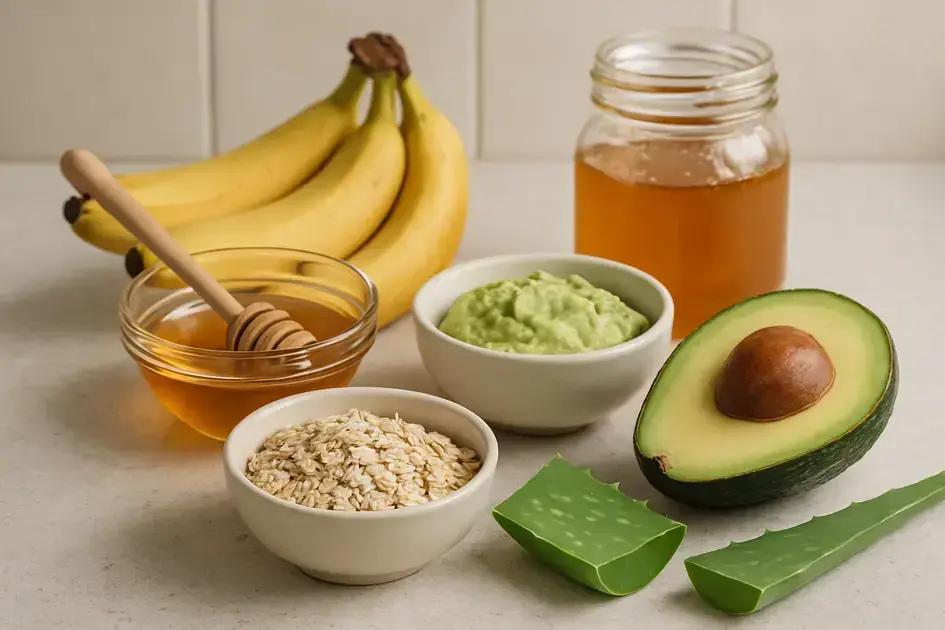
Creating DIY face masks at home can be a fun and effective way to achieve radiant skin. By using natural ingredients, you can nourish your skin and address various concerns without the harsh chemicals often found in commercial products.
Banana and Honey Mask
This mask is great for moisturizing and hydrating the skin. Mix one ripe banana with two tablespoons of honey. Apply the mixture to your face and leave it on for about 15-20 minutes, then rinse off with warm water. The banana provides vitamins and minerals, while honey acts as a natural humectant that retains moisture.
Oatmeal and Yogurt Mask
Oatmeal is known for its soothing properties, making it perfect for sensitive skin. Combine one tablespoon of oatmeal with two tablespoons of plain yogurt. Apply it to your face, let it sit for 15 minutes, then rinse. This mask can help exfoliate and calm inflammation.
Avocado and Olive Oil Mask
This nutrient-rich mask is excellent for dry skin. Mash half an avocado and mix it with one tablespoon of olive oil. Apply it to your face and neck, allowing it to sit for 20 minutes before rinsing with warm water. The healthy fats in avocado and olive oil nourish and hydrate the skin.
Cucumber and Aloe Vera Mask
For a refreshing and cooling effect, blend half a cucumber with two tablespoons of aloe vera gel. Apply the mixture to your face and leave it on for 15-20 minutes. This mask is perfect for soothing sunburned or irritated skin, providing hydration and a soothing effect.
Turmeric and Milk Mask
Known for its anti-inflammatory properties, turmeric can reduce redness and brighten the complexion. Mix one teaspoon of turmeric powder with two tablespoons of milk to form a paste. Apply it to your face and let it sit for about 10-15 minutes before rinsing off. Be cautious, as turmeric can stain the skin—rinse thoroughly.
When to consult a skincare expert
Knowing when to consult a skincare expert is essential for achieving the best results for your skin. While many skin issues can be managed at home, some conditions require professional advice and treatment.
Persistent Skin Problems
If you have a skin issue that does not improve with your usual skincare routine, it may be time to see a dermatologist. Conditions like acne, eczema, or psoriasis can benefit from expert guidance. A skincare professional can provide tailored treatments that address your specific concerns.
Allergic Reactions
Experiencing any signs of an allergic reaction, such as redness, swelling, or rash, should prompt a visit to a skincare expert. They can help determine the cause and recommend appropriate treatments to relieve symptoms and prevent future reactions.
Changes in Skin Condition
Sudden changes in your skin, such as new moles or changes in the appearance of existing ones, should be evaluated by a skincare professional. It’s important to monitor your skin for any suspicious changes, as early detection of skin conditions like skin cancer can be life-saving.
Advice on Cosmetic Procedures
If you’re considering cosmetic procedures, such as chemical peels, laser treatments, or fillers, consulting a skincare expert is crucial. They can help you understand the risks, benefits, and what to expect from the procedure, ensuring you make informed decisions.
Customized Skincare Plans
Sometimes, swapping products or figuring out what works for your skin can be overwhelming. A skincare expert can provide a customized skincare plan tailored to your skin type and concerns, simplifying your routine and optimizing results.
Professional Treatments for Aging Signs
As we age, concerns about fine lines, wrinkles, and loss of firmness become more prominent. A skincare expert can offer treatments and products that target these issues effectively, helping you maintain youthful skin.
Ultimately, how to care for your skin
Taking care of your skin is vital for maintaining its health and beauty. By understanding factors that affect your skin, such as diet, hydration, and exercise, you can make informed decisions about your skincare routine.
Using natural remedies and DIY masks can also enhance your skin’s radiance without the need for harsh chemicals. Furthermore, recognizing when to consult a skincare expert ensures that you get the best advice and treatments tailored to your individual needs.
With the right approach, you can achieve the healthy and glowing skin you desire. Remember, consistent care and attention can make a significant difference in your skin’s appearance and overall well-being.
FAQ – Frequently Asked Questions about Skincare and Skin Health
What are some effective DIY face masks for glowing skin?
Effective DIY face masks include banana and honey, oatmeal and yogurt, avocado and olive oil, cucumber and aloe vera, and turmeric and milk masks.
When should I consult a skincare expert?
Consult a skincare expert if you have persistent skin problems, signs of allergic reactions, sudden changes in your skin, or if you’re considering cosmetic procedures.
How does exercise improve skin elasticity?
Exercise improves blood circulation, increases nutrient delivery to skin cells, and supports collagen production, all of which enhance skin elasticity.
What role does hydration play in maintaining healthy skin?
Staying hydrated helps maintain skin moisture, flush out toxins, and improves skin elasticity, contributing to a more vibrant complexion.
Can stress really affect my skin?
Yes, stress can lead to various skin issues like acne, eczema, and premature aging, so managing stress is important for healthy skin.
What nutrients are essential for skin health?
Essential nutrients for skin health include vitamins A, C, and E, omega-3 fatty acids, and antioxidants.

