
Staying hydrated is essential for maintaining healthy skin and preventing wrinkles; drinking at least eight glasses of water daily, along with consuming water-rich foods, can significantly improve skin appearance and elasticity.

Are you curious about how to eliminate wrinkles and sagging skin with natural ingredients? You’re not alone! Many of us seek accessible and effective ways to rejuvenate our skin naturally. Let’s dive into some proven methods!
Understanding wrinkles and skin sagging
Understanding wrinkles and skin sagging is crucial for anyone who wishes to maintain a youthful appearance. Wrinkles, which are creases or folds in the skin, often develop due to age, sun exposure, and lifestyle factors. Skin sagging occurs when the skin loses its natural elasticity, leading to a drooping or less firm appearance.
What Causes Wrinkles?
Wrinkles can be attributed to various factors, including:
- Genetics: Family history can influence skin aging.
- Sun Damage: UV rays break down collagen and elastin.
- Smoking: Chemicals in tobacco damage skin tissue.
- Repeated Facial Expressions: Over time, movements can lead to permanent lines.
Why Does Skin Sag?
Skin sagging results from:
- Loss of Collagen: As we age, collagen production decreases.
- Loss of Fat: The skin can lose fat, making it look less plump.
- Gravity: Over time, gravity pulls the skin down.
By understanding these factors, you can take proactive steps to combat them and improve your skin’s health and appearance.

Causes of wrinkles and sagging skin

The causes of wrinkles and skin sagging are numerous and can affect anyone. Understanding these causes can help you take action to preserve your skin’s youthfulness. Below are some significant factors that contribute to these skin changes.
Genetics
Your genetic makeup plays a vital role in how your skin ages. If your parents had wrinkles or sagging skin at an early age, you might experience similar changes.
Sun Exposure
Prolonged exposure to the sun’s UV rays is a major cause of skin damage. UV rays break down collagen and elastin, leading to premature aging and enhanced wrinkling.
Smoking
Smoking can significantly harm your skin. The chemicals in cigarettes reduce blood flow, making your skin look dull and promoting wrinkles.
Environmental Pollution
Air pollutants can damage your skin and accelerate aging. Pollution can lead to free radical damage, which also contributes to wrinkles.
Dehydration
When your body is dehydrated, your skin can appear dry and wrinkled. Drinking enough water is essential for maintaining skin elasticity.

Emotional Stress
Chronic stress can impact your skin’s health negatively. Stress may lead to issues such as inflammation, which can worsen skin appearance.
By recognizing these causes, you can adapt your skincare routine to address them effectively.
Benefits of natural ingredients
Using natural ingredients for skincare offers numerous benefits that can enhance your skin’s health and appearance. Below are some key advantages:
Gentle on the Skin
Natural ingredients are usually less irritating than synthetic chemicals. Items like aloe vera and coconut oil soothe the skin and minimize allergic reactions.
Rich in Nutrients
Many natural products contain vitamins and minerals essential for skin health. For example, avocado oil is rich in vitamin E, which helps nourish and repair the skin.
Antioxidant Properties
Natural ingredients often have antioxidants that fight free radicals. Ingredients like green tea and berries can help in preventing skin damage and aging.
Moisturizing Effects
Natural oils, such as jojoba oil and argan oil, are effective moisturizers that don’t clog pores, keeping your skin hydrated without causing breakouts.
Eco-Friendly and Sustainable
Opting for natural ingredients is also beneficial for the environment. They are often produced sustainably, reducing your carbon footprint and harmful chemical usage.
By choosing natural ingredients, you can create a skincare routine that is effective, safe, and kind to the planet.
Top natural ingredients for skin rejuvenation

There are several top natural ingredients known for their skin rejuvenation properties. Each ingredient can bring unique benefits, making them excellent choices for your skincare routine.
Aloe Vera
Aloe vera is well-known for its soothing and moisturizing properties. It helps to hydrate the skin, promoting a healthier complexion and reducing wrinkles.
Coconut Oil
Coconut oil is packed with antioxidants and fatty acids. It acts as a natural moisturizer, providing hydration and protecting the skin against damage.

Green Tea
Rich in antioxidants, green tea can help reduce inflammation and protect the skin from environmental damage. Its anti-aging effects can improve skin elasticity.
Rosehip Oil
Rosehip oil is known for its ability to enhance skin texture and reduce scars. It contains essential fatty acids and vitamins that rejuvenate the skin.
Honey
Honey is a natural humectant, attracting moisture to the skin. Its antibacterial properties also make it effective for treating acne and promoting healing.
Incorporating these natural ingredients into your skincare routine can help revitalize your skin, giving it a youthful and healthy glow.
How to use aloe vera for skin
Aloe vera is a versatile plant known for its numerous benefits for the skin. Here are some effective ways to use aloe vera for skincare:
As a Moisturizer
Aloe vera gel can be applied directly to the skin to provide hydration. It absorbs quickly and doesn’t leave a greasy feeling, making it suitable for all skin types.
To Heal Sunburn
If you’ve been sunburned, apply fresh aloe vera gel to the affected areas. Its soothing properties help cool the skin and promote healing.
For Acne Treatment
Apply a thin layer of aloe vera gel to blemishes and acne spots. Its antibacterial properties can help reduce acne and redness.
As an Anti-Aging Treatment
Regular application of aloe vera can improve skin elasticity and reduce wrinkles. It promotes collagen production, keeping the skin firm.
In Homemade Face Masks
Aloe vera can be mixed with other natural ingredients like honey or yogurt to create nourishing face masks that hydrate and rejuvenate the skin.
Using aloe vera in these ways can enhance your skincare routine and provide numerous benefits for your skin’s health.
Benefits of coconut oil for elasticity

Coconut oil is well-known for its many benefits, especially when it comes to improving skin elasticity. Here are some key advantages of using coconut oil in your skincare routine:

Deep Moisturization
Coconut oil penetrates deep into the skin, providing intense hydration. This helps to keep your skin plump and reduces the appearance of fine lines and wrinkles.
Collagen Production
The fatty acids in coconut oil help stimulate collagen production. Collagen is essential for maintaining skin elasticity and firmness, making your skin look more youthful.
Anti-Inflammatory Properties
Coconut oil has natural anti-inflammatory properties that can help soothe irritated skin. Reducing inflammation can improve skin texture and elasticity over time.
Protection Against Environmental Damage
Using coconut oil creates a barrier that protects your skin from harmful environmental factors. This protection helps maintain the skin’s natural moisture, which is vital for elasticity.
Rich in Antioxidants
Coconut oil contains antioxidants that fight free radicals, which are known to cause premature aging. By combating these free radicals, coconut oil helps preserve your skin’s elasticity.
Incorporating coconut oil into your skincare routine can significantly enhance your skin’s elasticity, leading to a more youthful appearance.
Honey as a natural moisturizer
Honey is a remarkable natural moisturizer that offers numerous benefits for skincare. Its unique properties make it an excellent choice for hydrating the skin without harsh chemicals.
Natural Humectant
Honey acts as a natural humectant, which means it attracts moisture from the environment and locks it into the skin. This helps keep your skin hydrated throughout the day.
Skin Healing Properties
Honey contains antibacterial properties that can aid in healing wounds and preventing infections. Its ability to soothe irritated skin makes it ideal for those with sensitive skin issues.
Anti-Aging Benefits
Rich in antioxidants, honey helps fight free radicals that contribute to the aging process. Regular use of honey can result in smoother, more youthful-looking skin.
Gentle Exfoliant
When mixed with other ingredients like sugar, honey can serve as a gentle exfoliant. It helps remove dead skin cells, revealing a brighter and more radiant complexion.
How to Use Honey
You can apply raw honey directly to your skin or mix it with other natural ingredients, such as lemon juice or yogurt, to enhance its moisturizing effects. Let it sit for 15-20 minutes before rinsing with warm water for best results.
Incorporating honey into your skincare routine can provide deep hydration and numerous additional benefits for your skin’s overall health.
How to make and use natural face masks
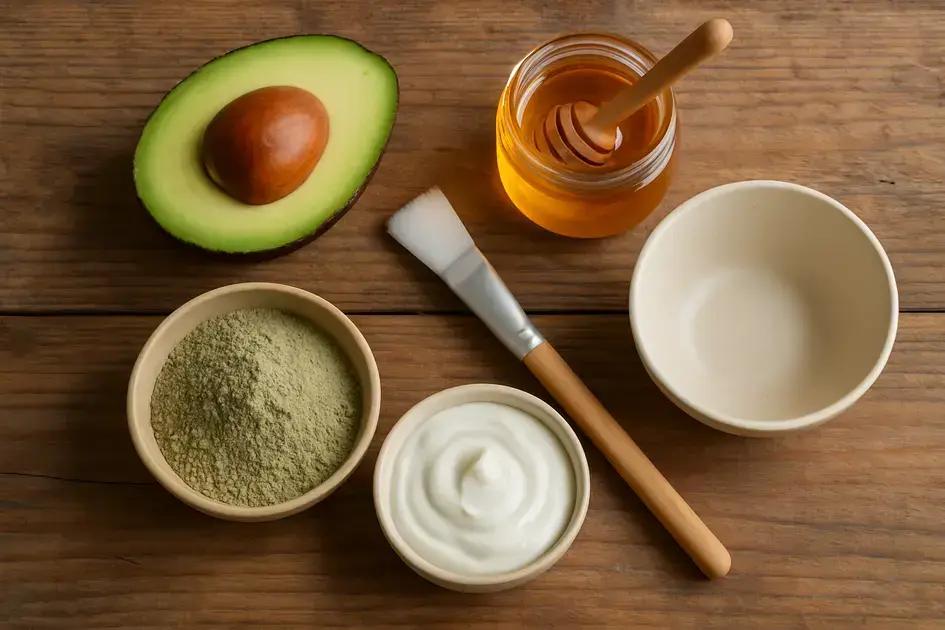
Making and using natural face masks can be a fun and effective way to enhance your skincare routine. Here are some easy recipes and tips for creating your own masks at home.
Choosing Ingredients
Select ingredients that suit your skin type. Here are some options:
- For Dry Skin: Use ingredients like honey, avocado, or coconut oil.
- For Oily Skin: Consider ingredients like clay, lemon juice, or tea tree oil.
- For Sensitive Skin: Use oats, yogurt, or aloe vera.
Simple Face Mask Recipes
Honey and Oat Mask
Mix equal parts of honey and finely ground oats. Apply on your face for 15-20 minutes, then rinse with warm water. This mask hydrates and soothes the skin.
Avocado and Yogurt Mask
Mash half an avocado and mix it with two tablespoons of plain yogurt. Leave it on your face for 15-20 minutes before washing off. This mask nourishes and moisturizes the skin.
Clay Mask for Oily Skin
Mix clay powder with water until it forms a paste. Apply evenly to your face and let it dry for 10-15 minutes. Rinse off with water. This mask helps absorb excess oil.
How to Apply
For best results, apply the mask to clean skin using your fingers or a brush. Avoid the eye area. Rinse off gently and follow up with your regular moisturizer.
Frequency of Use
Use a natural face mask 1-2 times a week for optimal results. This helps keep your skin healthy and glowing.
Role of antioxidants in skin care
Antioxidants play a vital role in skincare by protecting the skin from damage caused by free radicals. Here’s how they benefit your skin:
What Are Antioxidants?
Antioxidants are compounds that neutralize free radicals, which are unstable molecules that can cause cellular damage. Environmental factors like UV radiation, pollution, and stress contribute to the production of free radicals.
Protecting Against Aging
One of the primary roles of antioxidants is to combat signs of aging. They help reduce the appearance of fine lines and wrinkles by promoting collagen production, which keeps skin firm and elastic.
Reducing Inflammation
Many antioxidants possess anti-inflammatory properties. Ingredients like green tea and vitamin C can soothe irritated skin, reducing redness and puffiness.
Brightening the Skin
Antioxidants can brighten the skin by fading dark spots and uneven skin tone. Regular use of products containing antioxidants helps maintain a radiant complexion.
Natural Sources of Antioxidants
Many natural ingredients are rich in antioxidants. Fruits like berries, nuts, and vegetables such as spinach and kale are excellent sources. Incorporating these foods into your diet can benefit your skin from the inside out.
How to Use Antioxidant Products
When choosing skincare products, look for those containing antioxidants like vitamin C, vitamin E, and green tea extract. Apply these products regularly, both day and night, for optimal results.
Incorporating antioxidants into your skincare routine can significantly improve your skin’s health and appearance.
Essential oils for wrinkle reduction

Essential oils are natural extracts that can play a significant role in reducing wrinkles and promoting healthy skin. Here are some popular essential oils known for their anti-aging properties:
Lavender Oil
Lavender oil is famous for its calming scent, but it also has properties that can help with skin rejuvenation. Its antioxidant effects help combat free radicals, which can lead to premature aging.
Rosemary Oil
Rosemary oil is packed with antioxidants. It can improve blood circulation in the skin, which promotes a more youthful appearance. Regular use may help reduce the appearance of fine lines.
Frankincense Oil
Known for its anti-inflammatory properties, frankincense oil can enhance skin elasticity and firmness. This essential oil stimulates cellular regeneration, making it effective for wrinkle reduction.
Geranium Oil
Geranium oil has a balancing effect on the skin’s oil production. It’s also known to improve skin tone and texture, helping to minimize the appearance of wrinkles and age spots.
How to Use Essential Oils
To use essential oils for wrinkle reduction, you can add a few drops to a carrier oil, such as jojoba or coconut oil. Massage this blend onto your face and neck gently. It is recommended to do this at night for best results.
Safety Precautions
Always do a patch test before using any essential oil on your skin. Ensure the oil is diluted properly to avoid adverse reactions.
Incorporating essential oils into your skincare routine can provide natural support in maintaining youthful, healthy skin.
Herbal remedies for sagging skin
Herbal remedies have been used for centuries to improve skin health and reduce the appearance of sagging skin. Here are some effective herbs that can help:
1. Aloe Vera
Aloe vera is a powerful herb known for its ability to hydrate and firm the skin. It contains vitamins and antioxidants that promote elasticity and reduce sagging.
2. Green Tea
Rich in antioxidants, green tea helps fight free radicals that cause skin aging. It can be used as a skin wash or in creams to enhance skin firmness and tone.
3. Gotu Kola
Gotu kola is known for its healing properties. It stimulates collagen production, which helps in maintaining skin elasticity and reducing sagging.
4. Ginseng
Ginseng is another excellent herb that improves blood flow and promotes skin regeneration. Regular use can result in firmer and more youthful-looking skin.
5. Lavender
Besides its soothing aroma, lavender oil has skin-tightening properties. It can be used in massage oils to promote skin elasticity and reduce the appearance of sagging.
How to Use Herbal Remedies
You can incorporate these herbs into your skincare routine in various ways. For example, use aloe vera gel directly on the skin, brew green tea as a face rinse, or add essential oils to your moisturizer.
Combining these herbal remedies with a healthy lifestyle can significantly improve your skin’s appearance and help combat sagging.
Nutritional support for healthy skin

Nutritional support plays a crucial role in maintaining healthy skin. The foods you eat can have a significant impact on your skin’s appearance and overall health. Here are some key nutrients that support skin health:
1. Omega-3 Fatty Acids
Found in fish like salmon, walnuts, and flaxseeds, omega-3 fatty acids help maintain skin elasticity and hydration. They also reduce inflammation, which can lead to clearer skin.
2. Vitamins A and C
Vitamin A aids in skin cell production and repair. Foods rich in vitamin A include carrots, sweet potatoes, and spinach. Vitamin C is essential for collagen production and helps protect the skin from UV damage. Citrus fruits, strawberries, and bell peppers are excellent sources.
3. Antioxidants
Antioxidants protect the skin from free radicals that can cause premature aging. Foods rich in antioxidants include berries, nuts, dark chocolate, and green tea.
4. Hydration
Drinking enough water is vital for skin health. Proper hydration helps maintain skin moisture and elasticity, reducing dryness and flakiness.
5. Zinc
Zinc is a mineral that plays a role in skin healing and reduces inflammation. Foods like pumpkin seeds, chickpeas, and lentils are good sources of zinc.
How to Incorporate Nutrients
To support healthy skin, include a variety of these nutrient-rich foods in your diet. Aim for a colorful plate full of fruits, vegetables, healthy fats, and lean proteins.
Incorporating a balanced diet with these essential nutrients can lead to healthier, more radiant skin.
Staying hydrated to prevent wrinkles
Staying hydrated is crucial for preventing wrinkles and maintaining healthy skin. Here are some key points to understand why hydration is important and how to ensure you stay hydrated.
Why Hydration Matters
Water is essential for every cell in the body, including your skin cells. When your body is well-hydrated, your skin can maintain its elasticity and softness, helping to reduce the appearance of fine lines and wrinkles.
Signs of Dehydrated Skin
Dehydrated skin can appear dull, feel tight, and may show more fine lines. If your skin lacks moisture, it can lead to increased sagging and an overall tired appearance.
How Much Water Should You Drink?
A general guideline is to drink at least eight 8-ounce glasses of water a day, which is about 2 liters. However, individual needs may vary based on activity level, climate, and overall health.
Foods that Help Hydrate
In addition to drinking water, consuming foods with high water content can also help. Fruits and vegetables like cucumbers, watermelon, oranges, and strawberries are great examples. Including these in your diet can boost your hydration levels.
Tips for Staying Hydrated
- Carry a water bottle with you throughout the day.
- Infuse your water with fruits or herbs for a flavorful twist.
- Set reminders to take a sip regularly.
By prioritizing hydration, you can help your skin look youthful and reduce the risk of developing wrinkles.
Lifestyle choices that affect skin
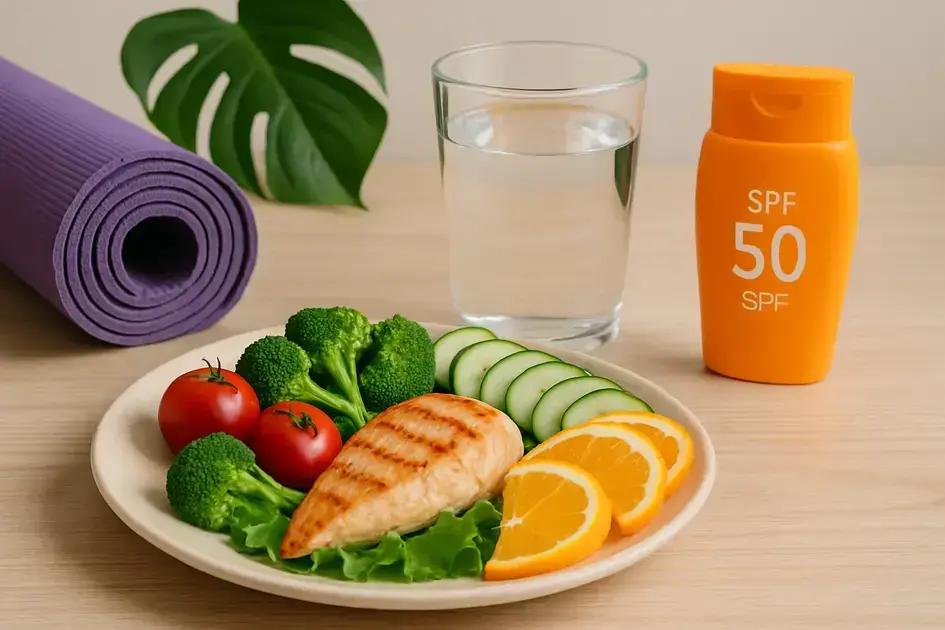
Your lifestyle choices significantly impact your skin’s health and appearance. Here are some key factors that can affect your skin:
1. Diet
What you eat plays a vital role in skin health. Consuming a diet high in processed foods and sugars can lead to breakouts and dull skin. Instead, focus on a balanced diet rich in fruits, vegetables, whole grains, and healthy fats to support your skin.
2. Hydration
Staying hydrated is essential for maintaining skin moisture. Drinking enough water helps keep your skin looking plump and healthy. Aim for at least eight 8-ounce glasses of water per day.
3. Sleep
Quality sleep is crucial for skin repair and regeneration. Lack of sleep can lead to dark circles, puffiness, and a tired appearance. Strive for 7-9 hours of restful sleep each night.
4. Sun Exposure
Too much sun exposure can lead to premature aging and skin damage. Protect your skin by wearing sunscreen, seeking shade, and wearing protective clothing when outdoors.
5. Stress Management
Chronic stress can lead to skin issues like acne and eczema. Practicing stress management techniques such as yoga, meditation, or deep breathing can help improve your skin’s appearance.
6. Skincare Routine
A consistent skincare routine using appropriate products for your skin type is vital. Regular cleansing, moisturizing, and exfoliating can enhance your skin health effectively.
By making informed lifestyle choices, you can greatly influence your skin’s appearance and overall health.
Practical tips for daily skin care
Maintaining healthy skin requires a consistent daily skincare routine. Here are some practical tips for effective skincare that can help you achieve glowing skin:
1. Cleanse Gently
Start your day with a gentle cleanser to remove dirt and oil without stripping your skin’s natural moisture. Look for a product that suits your skin type—gel cleansers work well for oily skin, while cream cleansers are great for dry skin.
2. Exfoliate Regularly
Exfoliating helps remove dead skin cells, promoting a brighter complexion. Use a mild exfoliator 1-2 times a week. Avoid harsh scrubs that can irritate the skin.
3. Moisturize Daily
After cleansing, always apply a moisturizer to hydrate your skin. Choose a product that fits your skin type—lightweight gels for oily skin and rich creams for dry skin.
4. Use Sunscreen
Protect your skin from UV damage by applying a broad-spectrum sunscreen with at least SPF 30 every morning. Reapply every two hours if you’re spending time outdoors.
5. Stay Hydrated
Drinking enough water is essential for skin health. Aim for at least eight glasses of water a day to keep your skin hydrated from the inside out.
6. Avoid Touching Your Face
Try to avoid touching your face throughout the day to prevent the transfer of dirt and bacteria, which can lead to breakouts.
7. Get Enough Sleep
Prioritize getting enough sleep each night. Quality sleep helps your skin repair itself and reduces stress that can cause skin issues.
8. Maintain a Healthy Diet
Incorporate fruits, vegetables, and healthy fats into your diet to nourish your skin. Foods rich in vitamins and antioxidants support skin health.
By following these practical skincare tips daily, you can help keep your skin looking fresh and vibrant.
Taking Care of Your Skin for a Healthy Glow
In conclusion, taking care of your skin is essential for a youthful and vibrant appearance. By adopting practical daily skincare tips, you can help prevent problems like dryness and wrinkles.
Maintaining proper hydration, using the right products, and following a consistent routine can make a big difference in your skin health.
Additionally, incorporating healthy lifestyle choices, such as a balanced diet and adequate sleep, will also enhance your skin’s natural beauty.
With the right care and attention, you can achieve healthy, glowing skin that reflects your overall well-being.
FAQ – Frequently Asked Questions about Skin Care
What are the basic steps in a daily skin care routine?
A basic daily skin care routine includes cleansing, exfoliating, moisturizing, and applying sunscreen.
How much water should I drink for healthy skin?
Aim to drink at least eight 8-ounce glasses of water a day to keep your skin hydrated.
Why is sunscreen important for skin health?
Sunscreen protects your skin from harmful UV rays that can cause premature aging and increase the risk of skin cancer.
What foods are good for skin health?
Foods rich in antioxidants, vitamins A and C, healthy fats, and omega-3 fatty acids, such as fruits, vegetables, nuts, and fish, are great for skin health.
How does stress affect my skin?
Chronic stress can lead to skin issues like acne and eczema, so managing stress is important for maintaining healthy skin.
Can I use essential oils for skin care?
Yes, essential oils like lavender and tea tree oil can be beneficial for the skin, but always dilute them in a carrier oil before applying.

