
Mental health significantly influences childhood development, impacting emotional regulation, relationship-building, and academic performance, while factors like family environment and social interactions play a critical role in shaping a child’s mental well-being.

How does mental health affect the brain? This question is vital for anyone interested in the interconnectedness of mind and body. Have you ever wondered how your feelings might influence your daily life? Let’s dive in.
Understanding the brain’s structure
The brain is a complex organ composed of different parts, each serving a unique function. Understanding the brain’s structure is essential for grasping how mental health affects overall well-being. The brain can be divided into three main regions: the cerebrum, cerebellum, and brainstem.
The Cerebrum
The largest part of the brain, the cerebrum, is responsible for many higher functions such as thinking, learning, and emotional regulation. It has two hemispheres, left and right, and is divided into lobes:
- Frontal Lobe: Involved in decision-making, problem-solving, and controlling behavior.
- Parietal Lobe: Processes sensory information like touch, taste, and temperature.
- Temporal Lobe: Important for memory, understanding language, and recognizing faces.
- Occipital Lobe: Responsible for visual processing.
The Cerebellum
The cerebellum, located at the back of the brain, coordinates movement and balance. It ensures that our movements are smooth and precise, playing a crucial role in physical activity.
The Brainstem
Finally, the brainstem connects the brain to the spinal cord and controls essential functions like breathing, heartbeat, and sleep. It acts as a relay station for signals between the brain and the body.
Each part of the brain interacts with other regions, making mental health a multifaceted issue. By understanding these structures, we can appreciate how emotions and thoughts influence brain function and, subsequently, our mental health.
What is mental health?

Mental health refers to a person’s emotional, psychological, and social well-being. It affects how we think, feel, and act in our daily lives. Mental health is vital at every stage of life, from childhood through adulthood and aging.
Components of Mental Health
Several factors contribute to mental health, including:
- Emotional well-being: This involves the ability to express feelings and manage stress effectively.
- Psychological well-being: Having a positive self-image and the ability to engage with others in a healthy way.
- Social well-being: Building strong relationships and having a support system are key to a healthy mental state.
The Importance of Mental Health
Maintaining good mental health is crucial as it influences how we handle stress, relate to others, and make choices. Poor mental health can lead to a range of issues, including:
- Anxiety disorders: Conditions that cause excessive worry or fear.
- Depression: Affects how you feel, think, and handle daily activities.
- Substance abuse: Using drugs or alcohol to cope with mental health issues can create dangerous situations.
Recognizing the importance of mental health allows individuals to seek help and develop coping strategies, ensuring overall well-being.
The connection between emotions and the brain
The connection between emotions and the brain is a fascinating aspect of mental health. Our emotions play a significant role in how our brains function, demonstrating the intricate relationship between feelings and brain activity.
How Emotions Affect the Brain
When we experience emotions, our brains release chemicals called neurotransmitters. These include:
- Dopamine: Often referred to as the “feel-good” neurotransmitter, it is linked to pleasure and reward.
- Serotonin: This chemical helps regulate mood, sleep, and appetite, influencing overall emotional stability.
- Norepinephrine: This neurotransmitter is involved in the body’s stress response, affecting alertness and arousal.
The Brain Structures Involved
Specific brain structures are crucial in processing emotions. The following areas play key roles:
- Amygdala: This almond-shaped structure is essential for emotional reactions, especially fear and pleasure.
- Prefrontal Cortex: Involved in decision-making and regulating emotional responses, helping to manage impulses and social behavior.
- Hippocampus: This area is important for memory, linking emotional memories to past experiences.
The Impact of Emotions on Mental Health
Emotions not only influence brain function but can also affect our mental health. For example, persistent negative emotions, such as sadness and anxiety, can lead to conditions like depression. Conversely, positive emotions can enhance well-being and improve mental health.
Understanding this connection highlights the importance of addressing emotional health through practices such as therapy, mindfulness, and social engagement.
How stress impacts brain function
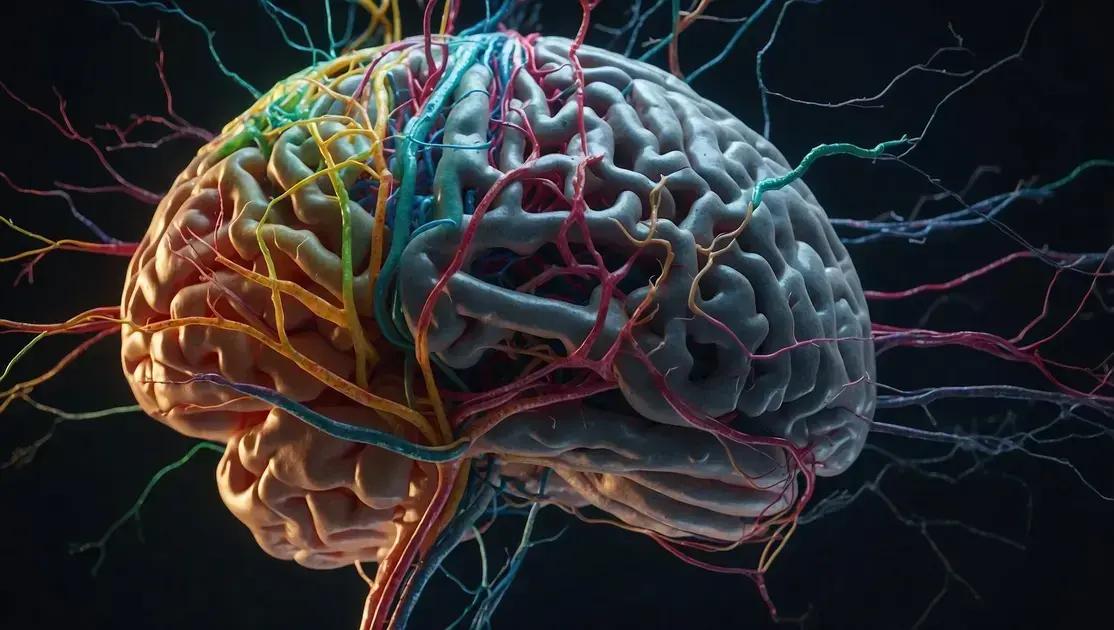
Stress is a common experience that can significantly influence brain function. When we encounter stressors, our bodies undergo various reactions that affect both how we think and how we feel.
The Stress Response
When faced with a stressful situation, the brain activates the fight-or-flight response. This process involves the release of hormones like adrenaline and cortisol. These hormones prepare the body to respond to danger by:
- Increasing heart rate: This helps pump more blood and oxygen to vital organs.
- Heightening alertness: Stress can improve focus for short periods.
- Dilating airways: This allows for more oxygen intake, improving physical performance.
Effects of Chronic Stress
While short-term stress responses can be beneficial, chronic stress can lead to serious negative effects on brain function:
- Memory Impairment: High cortisol levels can damage the hippocampus, which is crucial for memory formation.
- Emotional Disturbances: Prolonged stress can contribute to anxiety and depression by affecting mood-regulating neurotransmitters.
- Cognitive Decline: Ongoing stress can lead to problems with concentration, decision-making, and problem-solving.
Coping with Stress
Managing stress effectively can help protect brain health. Some techniques include:
- Mindfulness and Meditation: These practices can help reduce stress and improve focus.
- Physical Activity: Regular exercise releases endorphins, which can improve mood and reduce stress levels.
- Social Support: Engaging with friends and family can provide emotional relief and reduce feelings of isolation.
Understanding how stress impacts brain function emphasizes the importance of stress management for maintaining overall mental health.
Neurotransmitters and their role in mental health
Neurotransmitters are chemical messengers in the brain that play a crucial role in transmitting signals between nerve cells. They are essential for various functions in the body, including mood regulation, sleep, and overall mental health.
Types of Neurotransmitters
There are several key neurotransmitters that significantly affect mental health:
- Serotonin: Often known as the “happy” neurotransmitter, serotonin helps regulate mood, anxiety, and happiness. Low levels of serotonin are linked to depression.
- Dopamine: This neurotransmitter is associated with pleasure and reward. It influences motivation and the ability to experience enjoyment. Imbalances can lead to conditions like schizophrenia and addiction.
- Norepinephrine: Involved in the body’s response to stress, norepinephrine affects attention, focus, and anxiety levels. Disruptions can lead to anxiety disorders and mood issues.
- GABA (gamma-aminobutyric acid): As the primary inhibitory neurotransmitter, GABA helps calm the brain and reduce feelings of anxiety and stress.
The Role of Neurotransmitters in Mental Health
Imbalances in neurotransmitter levels can lead to a variety of mental health conditions:
- Depression: Often tied to low serotonin levels, treating depression may involve medications that increase serotonin activity.
- Anxiety Disorders: These can result from disturbances in serotonin, norepinephrine, and GABA, making treatment focused on these neurotransmitters crucial.
- Bipolar Disorder: This condition is associated with imbalances in dopamine and norepinephrine, affecting mood regulation.
Increasing Neurotransmitter Levels
There are various ways to support healthy neurotransmitter levels:
- Nutrition: Eating a balanced diet rich in omega-3 fatty acids, vitamins, and minerals can help.
- Exercise: Regular physical activity can boost levels of serotonin and dopamine.
- Therapy: Psychological treatments can help improve neurotransmitter balance by addressing underlying emotional and cognitive issues.
Understanding neurotransmitters and their impact on mental health can guide effective treatment and promote overall well-being.
The effects of anxiety on brain health

Anxiety is a common mental health condition that can significantly impact brain health. It involves feelings of worry, fear, and apprehension that can affect physical and mental well-being.
How Anxiety Affects the Brain
When someone experiences anxiety, the brain activates the amygdala, which is responsible for processing fear. This response triggers various physiological changes in the body, including:
- Increased Heart Rate: The heart beats faster to prepare for a perceived threat.
- Heightened Alertness: The body becomes more sensitive to stimuli, influencing perception and reaction to the environment.
- Hormonal Changes: Levels of stress hormones like cortisol may increase, which can have long-lasting effects.
Long-Term Effects of Chronic Anxiety
Chronic anxiety can lead to significant long-term effects on brain health, including:
- Memory Problems: Prolonged anxiety can negatively affect the hippocampus, impairing the formation and retrieval of memories.
- Emotional Dysregulation: The prefrontal cortex, which helps in emotion regulation, may weaken, making it difficult to control feelings.
- Increased Risk of Mental Health Disorders: Ongoing anxiety can lead to or exacerbate conditions like depression and panic disorders.
Managing Anxiety for Better Brain Health
It’s important to manage anxiety effectively to protect brain health. Some strategies include:
- Therapy: Cognitive-behavioral therapy (CBT) can help individuals reframe negative thoughts and develop coping strategies.
- Meditation and Mindfulness: These practices can reduce stress and promote relaxation, helping to manage anxiety.
- Physical Activity: Regular exercise can help decrease anxiety levels and improve overall mood.
Recognizing the effects of anxiety on the brain highlights the importance of seeking help and adopting habits that promote mental well-being.
Depression’s influence on cognitive abilities
Depression is more than just feeling sad; it can significantly impact cognitive abilities. Cognitive abilities include functions like thinking, memory, attention, and problem-solving skills.
How Depression Affects Thinking
When someone is depressed, their ability to think clearly can be impaired. This might manifest as:
- Difficulty Concentrating: Many people with depression find it hard to focus on tasks or conversations.
- Slowed Thinking: Thoughts may process more slowly than usual, making it challenging to respond quickly.
- Problems with Decision-Making: Individuals may struggle to make even simple decisions, feeling overwhelmed by choices.
Impact on Memory
Depression can also affect memory in several ways:
- Short-Term Memory Loss: Remembering recent events or information may become difficult.
- Difficulty Retaining New Information: Learning new material can be a challenge, slowing down educational or work performance.
Long-Term Consequences
If untreated, the cognitive effects of depression can have long-term consequences:
- Increased Cognitive Decline: Prolonged depression may contribute to a higher risk of cognitive decline and dementia in older adults.
- Impaired Daily Functioning: Struggles with cognitive abilities can affect everyday activities and quality of life.
Managing Depression to Protect Cognitive Function
To mitigate the cognitive effects of depression, it is essential to seek effective treatment:
- Therapy: Cognitive-behavioral therapy (CBT) can assist people in changing negative thought patterns and improving cognitive functions.
- Medication: Antidepressants may help alleviate symptoms and improve cognitive performance.
- Lifestyle Changes: Regular physical activity, a balanced diet, and sufficient sleep can also support cognitive health.
Understanding the influence of depression on cognitive abilities encourages individuals to seek help and improve their overall mental health.
The role of therapy in brain health

Therapy plays a critical role in maintaining and improving brain health. Different types of therapy can help individuals cope with mental health issues, enhance cognitive function, and promote overall well-being.
Types of Therapy
Several therapeutic approaches can positively impact brain health:
- Cognitive Behavioral Therapy (CBT): CBT focuses on changing negative thought patterns and behaviors, helping individuals develop healthier coping strategies. This form of therapy has been shown to improve mood and cognitive function.
- Psychodynamic Therapy: This approach explores the unconscious mind and past experiences to help individuals understand and resolve emotional conflicts.
- Mindfulness-Based Therapy: Mindfulness practices, such as meditation and yoga, promote relaxation and reduce stress. These practices can enhance mental clarity and improve emotional regulation.
Benefits of Therapy on Brain Health
Engaging in therapy can lead to several benefits for brain health:
- Enhanced Emotional Regulation: Therapy can help individuals understand and manage their emotions more effectively, reducing anxiety and depression symptoms.
- Improved Cognitive Function: Regular therapy sessions can enhance memory, focus, and problem-solving skills by encouraging mental exercises and self-reflection.
- Stress Reduction: Therapy provides a safe space to explore feelings and challenges, which can lower stress levels and improve the brain’s response to stress.
Seeking Help for Brain Health
It is essential to seek therapy when facing mental health challenges. Some tips for finding the right therapist include:
- Identify Your Needs: Consider what you want to achieve through therapy, such as coping strategies, understanding past trauma, or improving emotional well-being.
- Research Therapists: Look for licensed professionals who specialize in the type of therapy that aligns with your needs.
- Trust Your Gut: Finding a therapist you feel comfortable with is crucial for a successful therapeutic experience.
In summary, therapy is a valuable tool for promoting brain health and enhances overall mental well-being.
Mindfulness and the brain
Mindfulness refers to the practice of being fully present and engaged in the moment without judgment. This practice has gained popularity for its benefits on mental health, especially in relation to brain function.
The Science Behind Mindfulness
Mindfulness practices, such as meditation and deep breathing exercises, can lead to measurable changes in the brain:
- Increased Gray Matter: Studies show that consistent mindfulness practice can increase the amount of gray matter in areas of the brain associated with memory, emotional regulation, and empathy.
- Enhanced Connectivity: Mindfulness can enhance the connectivity between different brain regions, promoting better communication and function.
- Reduced Reactivity: Mindfulness helps decrease the reactivity of the amygdala, the brain’s center for fear and stress, which can lead to improved emotional regulation.
Benefits of Mindfulness for the Brain
Engaging in mindfulness practices can lead to several positive outcomes for brain health:
- Improved Focus: Regular mindfulness practice can enhance attention span and focus, making it easier to concentrate on tasks.
- Stress Reduction: Mindfulness techniques help lower stress levels, reducing the impact of stress on the brain over time.
- Better Emotional Balance: Practicing mindfulness can improve emotional regulation, leading to a more positive mood and better responses to difficult situations.
Incorporating Mindfulness into Daily Life
To reap the benefits of mindfulness, consider these simple practices:
- Mindful Breathing: Take a few minutes each day to focus on your breath, noticing each inhale and exhale.
- Body Scan: Spend time each day focusing on different parts of your body, observing feelings or sensations without judgment.
- Mindful Walking: Practice walking slowly and being aware of each step, noticing how your body moves and the sensations in your feet.
By incorporating mindfulness into your daily routine, you can promote better brain health and overall well-being.
Nutrition’s impact on mental well-being

Nutrition plays a vital role in our mental well-being. What we eat can directly affect our mood, brain function, and overall mental health.
The Connection Between Nutrition and Mental Health
Research shows that a balanced diet rich in nutrients can improve mental health and well-being in several ways:
- Brain Function: Nutrients like omega-3 fatty acids, found in fish, promote healthy brain function and can reduce the risk of depression.
- Mood Regulation: A diet high in processed foods and sugar can lead to mood swings, while foods rich in vitamins and minerals support emotional stability.
- Gut Health: The gut-brain connection means that a healthy digestive system, supported by fiber and probiotics, can positively affect mental health.
Essential Nutrients for Mental Well-Being
Certain nutrients are particularly important for maintaining mental well-being:
- Omega-3 Fatty Acids: Found in fish, flaxseeds, and walnuts, these are crucial for brain health.
- B Vitamins: B vitamins, especially B12 and folate, help produce neurotransmitters that regulate mood.
- Antioxidants: Foods rich in antioxidants, such as berries and leafy greens, protect the brain from oxidative stress.
- Vitamin D: Often called the “sunshine vitamin,” vitamin D affects mood and can help alleviate depression symptoms.
Creating a Balanced Diet
To support mental well-being through nutrition, consider these tips:
- Eat a Variety of Foods: Include a wide range of fruits, vegetables, whole grains, and proteins in your diet.
- Limit Processed Foods: Reduce intake of sugary snacks and fast foods that can negatively impact mood.
- Stay Hydrated: Drink plenty of water, as dehydration can affect concentration and mood.
By focusing on nutritious foods, you can enhance your mental health and overall well-being.
Physical activity and mental health
Physical activity is essential not only for physical health but also for mental health. Regular exercise has numerous benefits that can improve mood and cognitive function.
The Benefits of Exercise for Mental Health
Engaging in physical activity can lead to a variety of positive outcomes for mental well-being:
- Reduced Symptoms of Depression: Exercise releases endorphins, often called “feel-good” hormones, which can help alleviate feelings of sadness and increase happiness.
- Decreased Anxiety: Regular workouts can reduce tension and feelings of anxiety, providing a natural way to manage stress.
- Improved Sleep: Exercise can help regulate sleep patterns, leading to better rest, which is crucial for mental health.
- Enhanced Cognitive Function: Physical activity improves blood flow to the brain, promoting better memory, focus, and overall cognitive abilities.
Types of Physical Activity to Consider
Incorporating different types of exercise can increase motivation and enjoyment:
- Aerobic Activities: Activities like running, swimming, or cycling can provide significant benefits for the heart and mind.
- Strength Training: Lifting weights or using resistance bands can improve physical strength and boost self-esteem.
- Mind-Body Exercises: Practices such as yoga and tai chi promote relaxation and mindfulness, which can further enhance mental health.
How to Get Started
If you’re new to exercise or looking to increase your activity level, consider these tips:
- Set Realistic Goals: Start with small, achievable goals and gradually increase the intensity and duration of your workouts.
- Find Activities You Enjoy: Choose exercises that you find fun, whether that’s dancing, hiking, or playing a sport.
- Make It a Habit: Try to incorporate physical activity into your daily routine, setting aside specific times for exercise.
By prioritizing physical activity, you can significantly enhance your mental health and overall quality of life.
Sleep and its effects on the brain

Sleep is essential for good brain health and overall well-being. It is during sleep that the brain processes information, strengthens memories, and performs vital maintenance.
The Importance of Sleep for Brain Function
Sleep impacts several crucial aspects of brain health:
- Memory Consolidation: During sleep, the brain sorts and stores new information from the day, making it easier to recall later.
- Cognitive Performance: Quality sleep enhances decision-making, problem-solving, and creativity, allowing for better performance in daily tasks.
- Emotional Regulation: Adequate sleep is crucial for managing emotions. Lack of sleep can lead to increased irritability and anxiety.
The Effects of Sleep Deprivation
Not getting enough sleep can have serious consequences for brain health:
- Impaired Judgment: Sleep deprivation can lead to poor decision-making and difficulty focusing.
- Increased Stress Response: Lack of sleep can heighten the body’s stress response, leading to feelings of anxiety and sadness.
- Cognitive Decline: Chronic sleep deprivation may contribute to long-term cognitive decline and increase the risk of neurodegenerative diseases.
Tips for Better Sleep
To promote healthy sleep habits, consider these practices:
- Establish a Routine: Go to bed and wake up at the same time every day to regulate your body’s internal clock.
- Create a Relaxing Environment: Make your bedroom dark, quiet, and cool to promote better sleep.
- Limit Screen Time: Reduce exposure to screens at least an hour before bed to prevent disruption of your sleep cycle.
By understanding the importance of sleep and prioritizing it, you can significantly improve your brain health and overall quality of life.
Mental health in childhood development
Mental health plays a crucial role in childhood development. The way children think, feel, and behave has a significant impact on their growth and overall well-being.
Importance of Mental Health in Childhood
Good mental health helps children develop the skills they need to:
- Build Relationships: Healthy emotional development enables children to form strong, trusting relationships with family and friends.
- Develop Coping Skills: Mental well-being teaches children how to handle stress and challenges efficiently.
- Improve Academic Performance: Children with good mental health tend to perform better in school due to improved concentration and motivation.
Factors Influencing Mental Health in Childhood
Several factors can affect a child’s mental health, including:
- Family Environment: A supportive home environment fosters emotional stability and resilience.
- Social Relationships: Interactions with peers at school and in the community influence emotional development.
- Trauma: Exposure to stressful or traumatic events can negatively impact a child’s emotional and psychological state.
Promoting Mental Health in Children
Encouraging positive mental health in children can be achieved through:
- Open Communication: Encourage children to express their feelings and thoughts without fear of judgment.
- Healthy Routines: Establishing regular schedules for meals, sleep, and activities provides stability and security.
- Limit Screen Time: Reducing excessive screen time can help promote healthier interactions and physical activity.
By focusing on mental health during childhood, we can help children grow into healthy, emotionally balanced adults.
Supporting brain health in adulthood

Supporting brain health in adulthood is vital for maintaining cognitive function and overall well-being. As we age, our brain undergoes various changes that can impact mental health and performance.
Nourishing the Brain
One of the most significant aspects of promoting brain health is through proper nutrition:
- Eat a Balanced Diet: Incorporate plenty of fruits, vegetables, whole grains, and lean proteins. Foods rich in omega-3 fatty acids, like fish and nuts, are especially beneficial.
- Stay Hydrated: Maintaining hydration is crucial for cognitive function. Aim to drink enough water throughout the day.
Engaging in Regular Physical Activity
Physical exercise is another important factor in supporting brain health:
- Cardiovascular Exercises: Activities like walking, swimming, and cycling can improve blood flow to the brain, enhancing cognitive function.
- Strength Training: Lifting weights or doing resistance exercises can help maintain muscle mass and promote overall health.
Staying Mentally Active
Engaging the brain through mental activities is essential as well:
- Learn New Skills: Learning a new language, playing a musical instrument, or picking up a new hobby can help keep the mind sharp.
- Practice Mindfulness: Mindfulness practices like meditation and yoga can help reduce stress and promote brain health.
Prioritizing Social Connections
Social interactions are crucial for emotional well-being:
- Maintain Relationships: Stay connected with friends and family. Regular social interaction can help reduce feelings of loneliness and depression.
- Join Groups or Clubs: Participating in group activities can foster new friendships and enhance cognitive engagement.
By focusing on these areas, adults can significantly support their brain health and improve their quality of life.
Looking ahead: Future research on mental health and the brain
Future research on mental health and the brain is essential for understanding complex interactions and developing effective treatments. As we uncover more about how the brain works, we can find better ways to improve mental health.
Advances in Neuroscience
Neuroscience research is advancing rapidly, offering new insights into brain function:
- Brain Imaging: Technologies like MRI and PET scans provide detailed images of brain activity, helping researchers understand which areas are involved in mental health conditions.
- Neuroplasticity: Studies are exploring how the brain can change and adapt over time, which is crucial for developing therapies that promote recovery from mental health issues.
Genetics and Mental Health
Understanding the genetic factors behind mental health can lead to personalized treatment:
- Gene Mapping: Researchers are identifying genes linked to various mental health disorders, which could help predict risk and tailor treatments.
- Epigenetics: Exploring how environmental factors affect gene expression offers insights into how lifestyle choices impact mental health.
Innovative Therapeutic Approaches
New treatment methods are being developed based on research findings:
- Targeted Therapies: Research is working on medications that can specifically target brain receptors involved in mood regulation.
- Integrative Approaches: Combining traditional therapies with innovative techniques, such as virtual reality and mindfulness practices, may enhance treatment effectiveness.
Community and Global Initiatives
Efforts to improve mental health research involve collaboration across various sectors:
- Data Sharing: Initiatives promoting data sharing among research institutions can speed up discoveries and refine treatment plans.
- Global Mental Health Programs: Collaborative international efforts aim to address mental health disparities and improve access to care worldwide.
With continued research, we can develop a deeper understanding of mental health and the brain, leading to better prevention and treatment strategies.
Supporting Mental Health for a Brighter Future
Taking care of our mental health is vital for overall well-being and quality of life. As we have seen, various factors, including nutrition, physical activity, and social connections, play a significant role in supporting mental health.
Looking to the future, ongoing research into the brain and mental health will continue to provide valuable insights and lead to innovative solutions. By understanding the connection between mental health and brain function, we can develop effective treatments and improve mental health support systems.
Prioritizing mental health today will help create a healthier, happier society tomorrow. Let us work together to foster environments that support mental wellness for everyone.
FAQ – Frequently Asked Questions about Mental Health and the Brain
How does nutrition affect mental health?
Nutrition plays a key role in mental health by providing essential nutrients that support brain function, mood regulation, and emotional well-being.
What are some effective ways to improve brain health?
Regular physical activity, a balanced diet, mental exercises, and maintaining social connections are effective ways to support brain health.
Why is sleep important for mental health?
Sleep is crucial for memory consolidation, emotional regulation, and cognitive performance, helping to maintain overall mental health.
What role does physical activity play in mental well-being?
Physical activity can reduce symptoms of anxiety and depression, improve mood, and enhance cognitive function.
How can mindfulness practices benefit mental health?
Mindfulness practices help reduce stress, enhance focus, and promote emotional balance, contributing positively to mental health.
What does future research on mental health aim to achieve?
Future research aims to uncover more about the brain’s functions related to mental health and develop innovative treatments for various mental health disorders.

