
Hydration is essential for heart health as it helps regulate blood pressure, ensure efficient circulation, and supports overall bodily functions; aim for at least 8-10 cups of water daily, while also consuming water-rich foods.
Heart risk factors: how to prevent heart disease is vital for everyone. With the right knowledge and proactive steps, you can significantly reduce your chances of developing heart issues. Have you considered how your daily habits impact your heart health?
Understanding heart disease: causes and symptoms
Understanding heart disease is crucial for everyone. Heart disease refers to a range of conditions affecting the heart, including coronary artery disease, arrhythmias, and heart defects. Each type has unique causes and symptoms that can help in early detection.
Causes of Heart Disease
Several factors contribute to the development of heart disease. These include:
- Genetics: Family history can increase risk.
- Poor Diet: High consumption of saturated fats, trans fats, and cholesterol can harm heart health.
- Lack of Physical Activity: Sedentary lifestyles lead to obesity and hypertension.
- Smoking: Tobacco use damages blood vessels and reduces oxygen in the blood.
- Chronic Conditions: Conditions like diabetes and high blood pressure are significant risk factors.
Symptoms of Heart Disease
Recognizing the symptoms of heart disease is vital. Common symptoms may include:
- Chest Pain: This may feel like pressure or tightness and should never be ignored.
- Shortness of Breath: Difficulty breathing can occur during rest or physical activity.
- Fatigue: Extreme tiredness with no apparent cause can be a signal.
- Palpitations: Irregular heartbeats or a racing heart can indicate underlying issues.
- Swelling: Fluid retention in the feet, ankles, or abdomen can also be a sign of heart disease.
Be aware of these risk factors and symptoms. Early intervention can significantly improve outcomes and enhance heart health.
The role of genetics in heart disease

The role of genetics in heart disease is significant. Genetics can influence your likelihood of developing heart problems. If close family members have had heart disease, your risk may be higher.
Understanding Genetic Risk Factors
Your genes can determine how your body processes fats, cholesterol, and other substances. For instance, some people have a genetic tendency to have high cholesterol, which can lead to heart disease. Additionally, conditions like hypertension may run in families.
Inherited Conditions
Several heart conditions can be inherited, including:
- Familial hypercholesterolemia: High cholesterol levels due to a genetic defect.
- Hypertrophic cardiomyopathy: A condition where the heart muscle thickens, potentially causing sudden cardiac arrest.
- Long QT syndrome: An inherited condition that affects the heart’s electrical activity and can lead to arrhythmias.
Genetic Testing
If there is a history of heart disease in your family, genetic testing may be an option. This can help identify if you have specific gene mutations that increase your risk. Knowing your genetic risk can empower you to make informed lifestyle choices.
Regular check-ups and communication with healthcare providers can aid in managing any genetic risks effectively. By maintaining a healthy lifestyle, you might reduce the impact of genetic factors on your heart health.
High blood pressure: a silent danger
High blood pressure, also known as hypertension, is often referred to as a silent danger because it typically shows no symptoms. Many people may have high blood pressure without even knowing it, which makes regular monitoring crucial.
What Causes High Blood Pressure?
Several factors can contribute to high blood pressure, including:
- Diet: A diet high in salt, sugar, and unhealthy fats can lead to increased blood pressure.
- Obesity: Carrying excess weight puts additional strain on the heart.
- Physical Inactivity: A lack of regular exercise can weaken the heart and lead to weight gain.
- Smoking: Tobacco products can temporarily increase blood pressure and damage arteries.
- Stress: Chronic stress may contribute to temporary spikes in blood pressure.
Health Risks Associated with High Blood Pressure
If left untreated, high blood pressure can lead to serious health issues, such as:
- Heart Disease: Increases the risk of heart attacks and heart failure.
- Stroke: Can restrict blood flow to the brain.
- Kidney Damage: High blood pressure can harm the kidneys and reduce their ability to filter waste effectively.
Managing High Blood Pressure
To manage high blood pressure, consider these lifestyle changes:
- Healthy Diet: Eat plenty of fruits, vegetables, whole grains, and lean proteins while reducing salt intake.
- Regular Exercise: Aim for at least 150 minutes of moderate-intensity exercise per week.
- Weight Management: Maintaining a healthy weight can help control blood pressure.
- Stress Reduction: Practice relaxation techniques such as yoga and meditation.
Regular check-ups with a healthcare provider are essential for monitoring blood pressure and making necessary adjustments to your health plan.
Cholesterol levels: good vs bad

Cholesterol levels are essential for overall health, but not all cholesterol is the same. There are two main types: Low-Density Lipoprotein (LDL) and High-Density Lipoprotein (HDL), often referred to as ‘bad’ and ‘good’ cholesterol, respectively.
Understanding LDL Cholesterol
LDL cholesterol is known as the bad cholesterol because high levels can lead to plaque buildup in arteries. This buildup makes it harder for blood to flow, increasing the risk of heart disease and stroke. Factors that can raise LDL levels include:
- Unhealthy Diet: Eating too much saturated and trans fats.
- Lack of Exercise: Physical inactivity can lower HDL levels and raise LDL levels.
- Smoking: Tobacco use can damage blood vessels and lower HDL.
- Genetics: Some people inherit genes that cause high LDL levels.
Understanding HDL Cholesterol
HDL cholesterol is considered the good cholesterol because it helps remove other forms of cholesterol from your bloodstream. Higher levels of HDL cholesterol are associated with a lower risk of heart disease. Ways to boost HDL levels include:
- Regular Exercise: Engaging in physical activity can raise HDL levels.
- Healthy Fats: Consuming healthy fats, like those found in olive oil, avocados, and fish, can improve cholesterol ratios.
- Stopping Smoking: Quitting tobacco can improve HDL levels.
Balancing Cholesterol Levels
Managing your cholesterol levels is crucial. Regular check-ups can help monitor your cholesterol levels. Achieving a balance between LDL and HDL through a healthy diet, exercise, and possibly medication can greatly improve heart health.
Diabetes: how it affects your heart health

Diabetes is a chronic condition that can have serious implications for your heart health. Both Type 1 and Type 2 diabetes increase the risk of heart disease and stroke.
How Diabetes Impacts the Heart
High blood sugar levels can lead to damage in the blood vessels and nerves that control the heart. Over time, diabetes can result in:
- Coronary Artery Disease: This condition happens when the arteries supplying blood to the heart become narrowed, leading to chest pain or heart attacks.
- Heart Failure: Poor blood sugar control can weaken the heart over time, leading to heart failure, which means the heart cannot pump effectively.
- Arrhythmias: Diabetes increases the risk of irregular heartbeats, which can be dangerous.
Additional Risk Factors
People with diabetes often face additional risk factors that affect heart health, including:
- High Blood Pressure: Many people with diabetes also have high blood pressure, which further strains the heart.
- High Cholesterol: Diabetes can lead to unhealthy cholesterol levels, increasing the risk of heart disease.
- Obesity: Excess weight can worsen insulin resistance and increase heart disease risk.
Preventative Measures
To maintain heart health, it is essential for individuals with diabetes to take proactive steps:
- Monitor Blood Sugar: Keeping blood sugar levels in check can help prevent complications.
- Eat a Healthy Diet: Focus on a nutritious diet rich in fruits, vegetables, whole grains, and lean protein.
- Stay Active: Regular exercise can help control blood sugar levels and strengthen the heart.
- Regular Check-Ups: Routine visits to healthcare providers can monitor both diabetes and heart health.
The impact of obesity on heart disease risk

Obesity is a significant risk factor for heart disease. Excess body weight can lead to changes in the body that negatively affect heart health.
How Obesity Affects Heart Health
When a person is obese, the amount of fat can impact heart function in several ways:
- Increased Blood Pressure: Excess weight can lead to higher blood pressure, which puts extra strain on the heart.
- Higher Cholesterol Levels: Obesity often results in higher levels of LDL (bad cholesterol) and lower levels of HDL (good cholesterol), increasing heart disease risk.
- Insulin Resistance: This can lead to Type 2 diabetes, which further raises heart disease risk.
- Inflammation: Fat tissue can produce substances that promote inflammation, contributing to heart disease.
Additional Risks Associated with Obesity
Obesity is linked to several health conditions that can further increase heart disease risk:
- Sleep Apnea: This condition causes breathing problems during sleep, leading to higher blood pressure and other health issues.
- Metabolic Syndrome: A combination of high blood pressure, high blood sugar, and high cholesterol that significantly raises heart disease risk.
- Physical Inactivity: Obesity often results in a sedentary lifestyle, which compounds health risks.
Preventing Obesity-Related Heart Disease
To reduce the risk of heart disease linked to obesity, focus on these strategies:
- Healthy Eating: Adopt a balanced diet rich in fruits, vegetables, whole grains, and lean proteins while reducing sugar and unhealthy fats.
- Regular Physical Activity: Aim for at least 150 minutes of moderate-intensity exercise each week.
- Weight Management: Maintain a healthy weight through lifestyle changes, including exercise and dietary adjustments.
- Regular Check-ups: Monitor your heart health and weight regularly with your healthcare provider.
Sedentary lifestyle: why movement matters
A sedentary lifestyle is characterized by long periods of inactivity, which can lead to numerous health issues, particularly concerning heart health. Understanding the impact of minimal movement is crucial for everyone.
Health Risks of a Sedentary Lifestyle
Living a sedentary life can lead to several serious health problems:
- Weight Gain: Extended inactivity is closely linked to weight gain and obesity, both of which pose risks to heart health.
- High Blood Pressure: Lack of physical activity can contribute to hypertension, putting additional stress on the heart.
- High Cholesterol: A sedentary lifestyle often leads to unhealthy cholesterol levels, increasing the risk of heart disease.
- Diabetes: Physical inactivity can contribute to insulin resistance, raising the likelihood of developing Type 2 diabetes.
The Importance of Movement
Regular movement is vital for maintaining overall health. Here’s why:
- Strengthens the Heart: Even modest physical activity can strengthen the heart and improve blood circulation.
- Improves Mood: Physical activity releases endorphins, which can enhance mood and reduce stress.
- Aids in Weight Management: Regular movement helps burn calories, which can help maintain a healthy weight.
- Reduces Risk of Chronic Diseases: Active individuals have a lower risk of developing chronic diseases, including heart disease, stroke, and diabetes.
Incorporating Movement into Daily Life
Making movement a regular part of your day doesn’t have to be difficult. Here are some simple ways to increase your activity levels:
- Take Walks: Aim to walk for at least 30 minutes a day, whether it’s in one go or broken up into smaller sessions.
- Use Stairs: Opt for stairs instead of elevators when possible.
- Engage in Active Hobbies: Choose activities like dancing, gardening, or playing sports that involve movement.
- Set Reminders: Use alarms or timers to remind yourself to get up and move around every hour.
Healthy eating habits to protect your heart

Healthy eating habits are essential for protecting your heart and maintaining overall health. Making positive dietary choices can help reduce the risk of heart disease and improve wellness.
Key Components of a Heart-Healthy Diet
Some important elements of a diet that supports heart health include:
- Fruits and Vegetables: Aim to fill half your plate with colorful fruits and vegetables. They are rich in vitamins, minerals, and antioxidants.
- Whole Grains: Choose whole grains like brown rice, quinoa, and whole wheat bread instead of refined grains. Whole grains provide fiber, which helps lower cholesterol.
- Lean Proteins: Include sources of lean protein such as fish, chicken, beans, and legumes. Fish is particularly beneficial due to its omega-3 fatty acids.
- Healthy Fats: Opt for healthy fats found in avocados, nuts, seeds, and olive oil. Limit saturated and trans fats typically found in fried and processed foods.
Portion Control
Being mindful of portion sizes is crucial for weight management and heart health. Here are some tips:
- Use Smaller Plates: This can help control portions and prevent overeating.
- Listen to Your Body: Eat when you are hungry, and stop when you feel satisfied.
- Plan Meals: Preparing meals in advance can help avoid unhealthy choices when you are in a rush.
Limit Unhealthy Foods
To protect your heart, try to reduce your intake of:
- Sugary Foods: High sugar intake can lead to weight gain and increased risk of heart disease.
- Sodium: Limit salt in your diet to help control blood pressure. Aim for no more than 2,300 mg per day.
- Processed Foods: These often contain unhealthy fats, added sugars, and high-level sodium, increasing the risk of heart disease.
Stay Hydrated
Drinking enough water is essential for overall health. Aim for at least eight 8-ounce glasses of water a day. Proper hydration supports digestion and helps maintain healthy blood circulation.
The importance of regular check-ups
Regular check-ups are essential for maintaining good health and preventing potential health issues. These visits allow healthcare providers to monitor your health and catch any problems early.
Why Regular Check-Ups Matter
Visiting your doctor on a routine basis can provide several benefits:
- Early Detection: Health problems, such as heart disease or diabetes, can be identified before they become severe. Early treatment can lead to better outcomes.
- Health Monitoring: Regular check-ups help monitor chronic conditions, ensuring they are managed effectively. This can prevent complications.
- Vaccinations: Staying up to date on vaccinations is critical for preventing disease. Check-ups ensure that vaccines are administered on schedule.
- Health Education: These visits can provide valuable information on lifestyle changes and preventative care, guiding you to make informed health decisions.
What to Expect During a Check-Up
During a regular check-up, you can expect:
- Physical Exam: The doctor will perform a physical examination to check your overall health.
- Medical History Review: Your healthcare provider will discuss your medical history, family history, and any symptoms you may be experiencing.
- Vital Signs Check: Monitoring vital signs such as blood pressure, heart rate, and weight provides insights into your health.
- Lab Tests: Depending on your age and health needs, the doctor may order blood tests or other screenings to assess various health markers.
How Often Should You Have Check-Ups?
The frequency of check-ups can vary based on age, health status, and risk factors:
- Adults: Generally, adults should have a check-up at least once a year.
- Children: Pediatric check-ups are usually more frequent to monitor growth and development.
- Chronic Conditions: Individuals with chronic conditions may require more frequent visits.
Consult your healthcare provider for personalized recommendations regarding the frequency of your check-ups.
Stress management techniques for heart health

Stress management is crucial for maintaining heart health. Chronic stress can lead to high blood pressure, heart disease, and other cardiovascular issues. Implementing effective techniques to manage stress can improve your overall well-being and protect your heart.
Understanding Stress and Its Impact
Stress triggers the body’s fight or flight response, releasing hormones like adrenaline and cortisol. While short-term stress can be beneficial, prolonged stress can be harmful. Here are some of the impacts of chronic stress on heart health:
- Increased Blood Pressure: Stress can cause temporary spikes in blood pressure, which may become chronic over time.
- Heart Rate Increases: Ongoing stress can lead to a consistently elevated heart rate, putting more strain on the heart.
- Unhealthy Coping Mechanisms: Some may resort to smoking, overeating, or drinking alcohol as a way to cope with stress, which can worsen heart health.
Effective Stress Management Techniques
Incorporating stress management techniques into your daily routine can help protect your heart:
- Exercise: Regular physical activity is a powerful stress reliever. Aim for at least 30 minutes a day of moderate exercise, such as walking or cycling.
- Mindfulness and Meditation: Practices like meditation, breathing exercises, and yoga can help calm the mind and reduce stress levels.
- Deep Breathing Exercises: Taking slow, deep breaths can activate the body’s relaxation response, lowering stress and anxiety.
- Connect with Others: Building strong social connections can help provide support, share feelings, and reduce stress levels.
- Prioritize Sleep: Ensuring you get enough quality sleep is essential for managing stress and maintaining heart health.
When to Seek Help
If stress becomes overwhelming, consider seeking professional help. A mental health professional can provide guidance on stress management strategies and help address underlying issues. Regular check-ups with your healthcare provider can also help monitor your heart health in relation to stress levels.
The effects of smoking on cardiovascular health
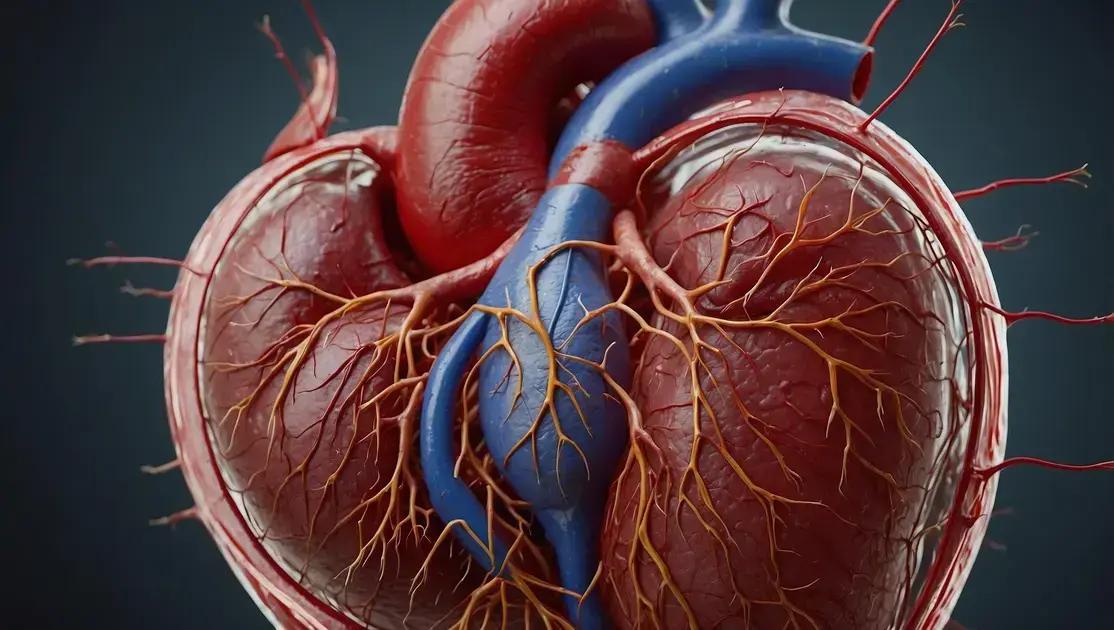
Smoking has a profound negative impact on cardiovascular health. It is one of the leading causes of preventable diseases and death, particularly related to heart disease.
How Smoking Affects the Heart
When you smoke, harmful substances enter your bloodstream and can lead to several health issues, including:
- Increased Heart Rate: Smoking increases your heart rate, making the heart work harder.
- Damage to Blood Vessels: The chemicals in tobacco can cause blood vessels to narrow, which increases blood pressure and resistance.
- Reduced Oxygen Supply: Carbon monoxide from smoking replaces oxygen in the blood, leading to reduced oxygen delivery to the heart and other organs.
- Increased Risk of Blood Clots: Smoking contributes to the formation of plaques in the arteries, which can lead to blockages and heart attacks.
Long-Term Consequences
Long-term smoking leads to severe consequences for cardiovascular health:
- Coronary Heart Disease: Smokers are more likely to develop coronary artery disease, which can result in heart attacks.
- Stroke: Smoking significantly increases the risk of stroke due to narrowing blood vessels and forming blood clots.
- Aneurysms: The damage smoking causes to blood vessels can lead to aneurysms, which are life-threatening.
Benefits of Quitting Smoking
Quitting smoking can have immediate and long-lasting benefits for heart health:
- Lowering Blood Pressure: Quitting helps normalize heart rate and blood pressure.
- Improving Circulation: Blood flow improves, which reduces strain on the heart.
- Decreased Risk of Heart Disease: Even short-term non-smokers have lower risks of heart disease compared to those who continue to smoke.
- Better Overall Health: Quitting smoking can lead to improved lung function and lower risk of various diseases.
Resources for Quitting
If you or someone you know is looking to quit smoking, consider resources like support groups, counseling, or smoking cessation programs. These can provide guidance and assistance on the journey to better heart health.
Alcohol consumption: what you should know

Alcohol consumption can have both short-term and long-term effects on health, especially concerning heart health. Understanding how alcohol impacts the body is essential for making informed decisions.
Effects of Alcohol on Heart Health
Moderate alcohol consumption may have some benefits, but excessive drinking can lead to serious problems:
- High Blood Pressure: Drinking too much alcohol can raise blood pressure, adding strain to the heart.
- Heart Disease: Chronic heavy drinking increases the risk of various heart conditions, including cardiomyopathy and arrhythmias.
- Stroke: Alcohol consumption, particularly in high amounts, can increase the risk of stroke.
- Weight Gain: Alcohol can be high in calories, leading to weight gain and potentially obesity, which is a risk factor for heart disease.
Understanding Moderation
Moderation is key when it comes to alcohol consumption. Here are some guidelines:
- Definition of Moderate Drinking: For most adults, moderate drinking is defined as up to one drink per day for women and up to two drinks per day for men.
- Types of Drinks: A standard drink typically includes 14 grams of pure alcohol, which is about 12 ounces of beer, 5 ounces of wine, or 1.5 ounces of distilled spirits.
Risks of Excessive Alcohol Consumption
Excessive alcohol consumption can lead to numerous health complications:
- Addiction: Drinking heavily can lead to alcohol dependence or addiction.
- Liver Damage: Chronic alcohol use can damage the liver, leading to conditions such as fatty liver, hepatitis, or cirrhosis.
- Mental Health Issues: High alcohol intake is linked with depression, anxiety, and other mental health disorders.
Making Informed Choices
Consider your drinking habits and how they affect your health. If you choose to drink, do so responsibly and be aware of the recommendations. If you have questions about how alcohol affects your health, consult with your healthcare provider for personalized advice.
Understanding the importance of hydration
Hydration is essential for maintaining good health and ensuring that our bodies function properly. Water makes up about 60% of our body weight, and every cell, tissue, and organ needs water to work efficiently.
The Role of Water in the Body
Water serves several crucial functions in the body, including:
- Regulating Body Temperature: Sweating and respiration help release heat, keeping the body cool.
- Transporting Nutrients: Water dissolves nutrients and minerals, allowing them to be absorbed and delivered to cells.
- Removing Waste: Water helps the kidneys filter waste from the blood and excrete it through urine.
- Cushioning Joints: Adequate hydration helps lubricate joints and protects organs and tissues.
Signs of Dehydration
Dehydration can occur when your body loses more fluids than it takes in. Some common signs include:
- Thirst: This is your body’s first signal that you need more fluids.
- Dark Urine: Dark yellow or amber-colored urine can indicate dehydration.
- Fatigue: Feeling tired or lethargic can be a sign of insufficient hydration.
- Dizziness: Feeling lightheaded or dizzy may also be a symptom of dehydration.
How Much Water Do You Need?
The amount of water each person needs can vary based on factors such as age, activity level, and climate. A general guideline is:
- Adults: Aim for at least 8-10 cups (64-80 ounces) of water per day.
- Active Individuals: Those who exercise regularly may need more to stay properly hydrated.
- Hot Weather: In hot or humid conditions, increase water intake to compensate for fluid loss through sweat.
Tips for Staying Hydrated
Here are some practical tips to help you stay hydrated:
- Carry a Water Bottle: Keep a water bottle handy throughout the day to encourage regular drinking.
- Set Reminders: Use phone alerts to remind you to drink water regularly.
- Eat Water-Rich Foods: Include fruits and vegetables like cucumbers, oranges, and watermelon, which have high water content in your diet.
- Flavor Your Water: If plain water isn’t appealing, try adding slices of lemon, lime, or cucumber for flavor.
How age factors into heart disease risk

As people age, their risk of developing heart disease increases. Understanding how age influences heart health is essential for prevention and management.
Age as a Risk Factor
Age is one of the most significant risk factors for heart disease. Here’s how it impacts cardiovascular health:
- Wear and Tear on the Heart: As we age, the heart and blood vessels undergo changes that can affect efficiency. The heart may not pump as strongly, which can lead to higher blood pressure.
- Increased Plaque Buildup: Over time, fatty deposits can build up in the arteries, contributing to atherosclerosis, which narrows and hardens blood vessels.
- Long-Term Health Conditions: Many older adults may have chronic conditions such as diabetes, hypertension, or high cholesterol, which further increase the risk of heart disease.
Gender Differences
The impact of age on heart disease can differ between men and women:
- Men: Generally, men face a higher risk of heart disease at a younger age than women.
- Women: Women tend to have a lower risk until menopause, after which their risk increases significantly, often matching or exceeding that of men.
Preventive Measures for Older Adults
Regular check-ups and heart screenings become increasingly important as we age. Here are some prevention strategies:
- Healthy Diet: Focus on a heart-healthy diet rich in fruits, vegetables, whole grains, and lean proteins while limiting saturated and trans fats.
- Regular Exercise: Engaging in physical activity can help strengthen the heart and improve overall cardiovascular health.
- Weight Management: Maintaining a healthy weight can significantly reduce the risk of heart disease.
- Avoid Smoking: Quitting smoking and avoiding secondhand smoke can drastically lower heart disease risk.
- Manage Stress: Use relaxation techniques and consistent routines to manage stress effectively.
Conclusion
While age is a non-modifiable risk factor for heart disease, proactive measures can help mitigate its impact. Staying informed and taking action is essential for maintaining heart health as you age.
Exploring the benefits of physical activity
Physical activity is vital for achieving and maintaining good health. Engaging in regular exercise provides numerous benefits that enhance both physical and mental well-being.
Health Benefits of Physical Activity
Regular exercise contributes to better overall health in various ways, including:
- Weight Management: Physical activity helps burn calories, which can help maintain a healthy weight or facilitate weight loss.
- Improved Cardiovascular Health: Exercise strengthens the heart, improves circulation, and can lower blood pressure, reducing the risk of heart disease.
- Stronger Muscles and Bones: Weight-bearing exercises help build and maintain strong muscles and bones, decreasing the risk of osteoporosis as you age.
- Boosted Immune System: Regular physical activity can enhance the immune system, making the body more resilient to infections.
Mental Health Benefits
Physical activity also plays a crucial role in mental health. Studies show that it can:
- Reduce Symptoms of Depression and Anxiety: Exercise releases endorphins, which improve mood and reduce feelings of anxiety.
- Enhance Sleep Quality: Regular physical activity can help you fall asleep faster and deepen sleep.
- Boost Brain Function: Exercise improves blood flow to the brain, enhancing cognitive function and memory.
Social Benefits
Engaging in physical activity can also provide social benefits:
- Building Relationships: Group activities, such as team sports or workout classes, promote social interaction and camaraderie.
- Encouraging a Supportive Environment: Exercising with friends or family can provide motivation and support, making it more enjoyable.
Recommendations for Physical Activity
To reap the benefits of physical activity, aim for:
- At least 150 minutes of moderate-intensity exercise per week: This can include activities such as walking, cycling, or swimming.
- Strength-training activities: Include these at least two days a week to enhance muscle health.
- Incorporate movement into daily routines: Simple changes, like taking the stairs instead of the elevator or walking during breaks, can increase overall activity levels.
Resources for heart health improvement

Improving heart health is essential for overall well-being, and there are many resources available to help individuals take proactive steps. Understanding these resources can empower you to make better health choices.
Healthcare Providers
Consulting with healthcare professionals is crucial for heart health. Consider these options:
- Primary Care Physician: Regular check-ups with your family doctor can help monitor heart health and manage risk factors.
- Cardiologists: These specialists focus on heart health and can provide targeted advice and treatments for heart-related issues.
- Nutritionists: A registered dietitian can guide you in creating a heart-healthy diet tailored to your needs.
Educational Materials
Learning more about heart health can guide your lifestyle choices:
- Books: Look for books focused on heart health, nutrition, and exercise.
- Online Articles: Reputable sources like the American Heart Association offer valuable information on how to maintain heart health.
- Webinars and Workshops: Many health organizations provide free or low-cost workshops online to educate the public on cardiovascular health.
Community Resources
Local programs can also provide support for improving heart health:
- Exercise Classes: Many community centers offer exercise classes like yoga, aerobics, or group fitness designed to promote cardiovascular fitness.
- Support Groups: Joining a support group can help with motivation and accountability when making lifestyle changes.
- Health Fairs: These events often provide free screenings and educational materials to inform the community about heart health.
Mobile Apps and Online Tools
Technology can play a significant role in managing heart health:
- Fitness Tracking Apps: Use apps to monitor physical activity, heart rate, and even sleep patterns to promote a healthier lifestyle.
- Nutrition Apps: These apps help track dietary intake, making it easier to adhere to a heart-healthy diet.
- Telehealth Services: Many healthcare providers now offer telehealth services, allowing for easy consultations from home.
In Conclusion: Prioritizing Heart Health
Maintaining heart health is essential for a long and healthy life. By being aware of the risk factors, engaging in regular physical activity, and adhering to a heart-healthy diet, individuals can significantly reduce their chances of developing heart disease.
Additionally, utilizing resources such as healthcare professionals, educational materials, and community programs can provide support and guidance on this journey. Remember that every small step you take toward better heart health counts.
Stay informed, stay active, and make choices that are beneficial not just for your heart, but for your overall well-being. Your heart will thank you for it.
FAQ – Frequently Asked Questions about Heart Health
How can I improve my heart health?
You can improve your heart health by maintaining a balanced diet, engaging in regular physical activity, managing stress, and avoiding smoking.
What are the signs of heart disease?
Common signs of heart disease include chest pain, shortness of breath, fatigue, and irregular heartbeats. It’s important to consult a healthcare provider if you experience these symptoms.
How much exercise do I need for heart health?
Aim for at least 150 minutes of moderate-intensity exercise per week to promote heart health.
What foods should I include in a heart-healthy diet?
Focus on eating fruits, vegetables, whole grains, lean proteins, and healthy fats while limiting processed foods, sugars, and unhealthy fats.
Why is hydration important for heart health?
Staying hydrated helps maintain optimal blood circulation and can assist in regulating blood pressure, which is vital for heart health.
What resources are available to help improve heart health?
You can consult healthcare professionals, read educational materials, join local community programs, and use apps designed for tracking fitness and nutrition to improve heart health.

