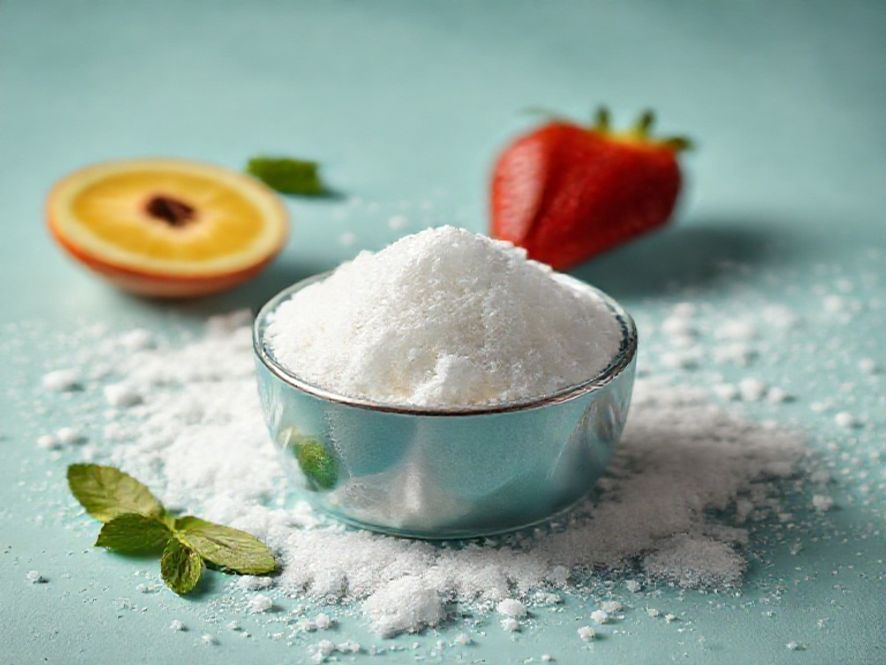
What is Sugar Alternatives?
Sugar alternatives are substances used to sweeten food and beverages without the added calories and blood sugar impact of traditional sugar. They come in various forms, including natural and artificial options, and are increasingly popular among health-conscious consumers. Understanding sugar alternatives can empower you to make informed dietary choices that support your metabolic health.
The Importance of Sugar Alternatives in Metabolic Health
In today’s health landscape, managing blood sugar levels is crucial for overall wellness. High sugar intake is linked to numerous health issues, including obesity, type 2 diabetes, and cardiovascular diseases. Sugar alternatives provide a means to enjoy sweetness without the negative effects of sugar, making them a valuable tool for those looking to maintain healthy blood sugar levels and metabolic function.
How Do Sugar Alternatives Work?
Sugar alternatives can be broadly categorized into two types: natural and artificial. Natural alternatives, such as stevia, monk fruit, and erythritol, are derived from plants and often come with additional health benefits. For example, stevia has been shown to potentially lower blood sugar levels. On the other hand, artificial sweeteners like aspartame and sucralose are synthetically created and may have different impacts on metabolism.
Natural Sugar Alternatives: Examples and Benefits
- Stevia: A plant-based sweetener that is much sweeter than sugar but contains no calories. It may help in lowering blood sugar levels and has antioxidant properties.
- Monk Fruit: Another natural sweetener that is calorie-free and has been used for centuries in traditional Chinese medicine. It may also have anti-inflammatory effects.
- Erythritol: A sugar alcohol that contains fewer calories than sugar and does not significantly impact blood glucose levels.
- Cinnamon: While not a sweetener by itself, cinnamon can enhance the sweetness of foods and has been shown to improve insulin sensitivity.
Artificial Sugar Alternatives: Pros and Cons
While artificial sweeteners can be effective for reducing calorie intake, there are ongoing debates about their long-term health effects. Some studies suggest potential links to metabolic disorders, while others indicate they are safe in moderation. It’s essential to listen to your body and choose what feels right for you.
| Type | Examples | Calories | Impact on Blood Sugar |
|---|---|---|---|
| Natural | Stevia, Monk Fruit, Erythritol | 0 | Minimal |
| Artificial | Aspartame, Sucralose | 0 | None |
Applications in Daily Life
Integrating sugar alternatives into your diet can be simple and effective. Here are some practical tips:
- Cooking and Baking: Substitute traditional sugar with natural alternatives in recipes. For instance, use stevia in smoothies or monk fruit in baked goods.
- Sweetening Beverages: Add sugar alternatives to teas, coffees, or smoothies. Erythritol can be a great option for sweetening your morning beverage without the calories.
- Experiment with Spices: Enhance the natural sweetness of foods using spices like cinnamon or vanilla extract, which can complement sugar alternatives well.
Related Concepts
Understanding sugar alternatives also involves familiarizing yourself with related concepts in metabolic health:
- Blood Sugar Levels: A measure of glucose in the bloodstream. Maintaining stable levels is crucial for preventing diabetes.
- Glycemic Index: A ranking of carbohydrates based on their effect on blood sugar levels. Lower glycemic index foods can be beneficial for blood sugar management.
- Antioxidants: Compounds that protect the body from oxidative stress, which can be found in many natural sweeteners.
- Gut Health: A balanced gut microbiome can influence metabolism. Some sugar alternatives, like erythritol, may have prebiotic effects.
Conclusion: Making Informed Choices
Choosing sugar alternatives can be a powerful step towards better blood sugar management and overall health. By understanding the different types of sweeteners available and their effects on the body, you can make informed choices that align with your health goals. Always remember to consult with a healthcare professional before making significant changes to your diet, especially if you have existing health conditions.
Take a moment to reflect on your current sugar intake and consider how sugar alternatives might fit into your lifestyle. Whether you’re looking to cut calories, manage blood sugar, or simply enjoy a sweet treat without guilt, these alternatives can provide a satisfying solution.