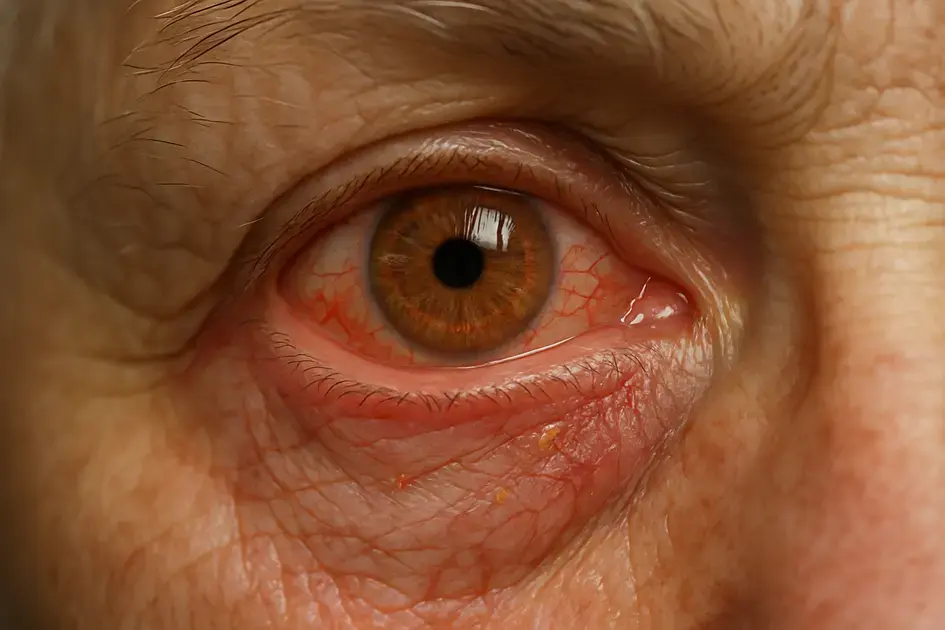
Diabetes and vision are closely linked; high blood sugar damages retinal blood vessels, causing diabetic retinopathy, cataracts, and glaucoma. Managing blood sugar, regular eye exams, a healthy lifestyle, and prompt treatment can prevent vision loss and maintain optimal eye health.
Diabetes and vision The essential health link often goes unnoticed until problems arise. Have you ever wondered how diabetes might quietly affect your eyesight? Let’s uncover what risks you face and simple steps you can take to keep your vision sharp.
Understanding the connection between diabetes and vision
Diabetes and vision are intricately connected. Diabetes, a condition marked by high blood sugar levels, can significantly impact various parts of the body, including the eyes. Understanding this link is crucial for preventing vision loss and maintaining overall eye health.
How Diabetes Affects Eye Health
When blood sugar levels are consistently high, it can damage the small blood vessels in the retina, the light-sensitive tissue at the back of the eye. This damage can lead to a condition called diabetic retinopathy, a leading cause of blindness in adults.
Key Considerations
The longer someone has diabetes and the less controlled their blood sugar is, the higher the risk of developing diabetic retinopathy and other eye problems. Therefore, managing blood sugar, blood pressure, and cholesterol levels is essential for protecting your vision.
Regular eye exams are also vital for early detection and treatment of diabetic eye diseases. Early intervention can slow down the progression of these conditions and prevent vision loss. It’s recommended that people with diabetes have a comprehensive eye exam at least once a year.
By understanding the connection between diabetes and vision and taking proactive steps to manage your health, you can significantly reduce your risk of developing diabetic eye problems and maintain good vision for years to come.
How high blood sugar affects the eyes

High blood sugar levels, a hallmark of diabetes, can wreak havoc on the eyes. The elevated glucose in the bloodstream can damage the delicate blood vessels that nourish the retina, leading to various complications.
Impact on Blood Vessels
The primary way high blood sugar affects the eyes is by damaging the small blood vessels in the retina. Over time, these vessels can become blocked or leak, leading to a condition called diabetic retinopathy. This damage can cause blurred vision, floaters, and even vision loss if left untreated.
Other Eye Problems
Besides diabetic retinopathy, high blood sugar can also increase the risk of other eye problems, such as cataracts and glaucoma. Cataracts cause the lens of the eye to become cloudy, while glaucoma damages the optic nerve, which transmits visual information from the eye to the brain.
Short-Term Effects
Even short periods of high blood sugar can affect vision. Many people with diabetes experience blurred vision when their blood sugar is high. This is because the lens of the eye can swell when glucose levels are elevated, temporarily affecting vision.
Management is Key
Maintaining stable blood sugar levels is crucial for preventing and managing eye problems related to diabetes. Regular eye exams are also essential for early detection and treatment. By controlling blood sugar and getting regular eye care, you can significantly reduce your risk of vision loss.
Common vision problems in people with diabetes
People with diabetes are more prone to certain vision problems due to the effects of high blood sugar on the eyes. Understanding these common issues can help in early detection and management.
Diabetic Retinopathy
Diabetic retinopathy is the most common eye problem in people with diabetes. It occurs when high blood sugar damages the blood vessels in the retina, leading to vision loss. There are two main types: non-proliferative and proliferative. Non-proliferative retinopathy is the earlier stage, while proliferative retinopathy is more advanced and can cause severe vision loss.
Diabetic Macular Edema (DME)
Diabetic macular edema (DME) is another common issue that can occur alongside diabetic retinopathy. It involves swelling in the macula, the central part of the retina responsible for sharp, detailed vision. DME can cause blurred vision and make it difficult to see fine details.
Cataracts
People with diabetes are more likely to develop cataracts, and they tend to develop them at a younger age. Cataracts cause the lens of the eye to become cloudy, leading to blurred or hazy vision. Surgery is usually effective in treating cataracts.
Glaucoma
Glaucoma is also more common in people with diabetes. It involves damage to the optic nerve, which transmits visual information from the eye to the brain. Glaucoma can lead to gradual vision loss and, if untreated, blindness.
Blurred Vision and Fluctuations
Many people with diabetes experience blurred vision due to fluctuations in blood sugar levels. High blood sugar can cause the lens of the eye to swell, leading to temporary vision changes. Maintaining stable blood sugar levels can help minimize these fluctuations.
Regular eye exams are crucial for detecting and managing these common vision problems. Early intervention can help prevent vision loss and maintain good eye health.
What is diabetic retinopathy and how it develops

Diabetic retinopathy is a common eye disease affecting people with diabetes. It occurs when high blood sugar levels damage the blood vessels in the retina, the light-sensitive tissue at the back of the eye.
The Retina and Its Importance
The retina plays a crucial role in vision. It converts light into signals that are sent to the brain, allowing us to see. Healthy blood vessels are essential for supplying the retina with oxygen and nutrients.
How Diabetic Retinopathy Develops
High blood sugar levels can damage the walls of the small blood vessels in the retina. Over time, these vessels can become blocked, leak fluid and blood, or develop fragile new blood vessels. The process typically unfolds in stages:
- Non-proliferative Diabetic Retinopathy (NPDR): This is the early stage, where the blood vessels may begin to weaken and bulge. Small areas of swelling called microaneurysms can appear, and fluid may leak into the retina.
- Proliferative Diabetic Retinopathy (PDR): This is the more advanced stage, where the retina starts growing new blood vessels (neovascularization). These new vessels are often fragile and can bleed into the vitreous, the clear gel that fills the eye, leading to vision loss.
Risk Factors
Several factors increase the risk of developing diabetic retinopathy, including:
- Duration of diabetes: The longer you have diabetes, the higher your risk.
- Poor blood sugar control: High blood sugar levels significantly increase the risk.
- High blood pressure: Hypertension can worsen the damage to the blood vessels.
- High cholesterol: Elevated cholesterol levels can also contribute to the development of diabetic retinopathy.
Regular eye exams are crucial for detecting and managing diabetic retinopathy. Early detection and treatment can help prevent vision loss.
Signs and symptoms of diabetic eye disease
Recognizing the signs and symptoms of diabetic eye disease is crucial for early detection and timely treatment, which can prevent vision loss. These symptoms can vary depending on the stage and type of the eye condition.
Common Symptoms
Some of the most common signs and symptoms of diabetic eye disease include:
- Blurred vision: This is often one of the first symptoms people notice. Vision may be blurry at all distances or fluctuate depending on blood sugar levels.
- Floaters: These are small spots or dark shapes that drift across your field of vision. They can appear as spots, threads, or cobwebs.
- Dark spots or streaks: These can indicate bleeding in the eye.
- Difficulty seeing at night: Reduced night vision can be an early sign of diabetic retinopathy.
- Double vision: This can occur if diabetes affects the nerves that control eye movement.
- Eye pain or pressure: Although less common, some people may experience pain or pressure in the eye.
Specific to Diabetic Retinopathy
In the early stages of diabetic retinopathy, there may be no noticeable symptoms. However, as the condition progresses, symptoms may include:
- Blurry vision: This is often the first sign.
- Floaters: These can appear suddenly and indicate bleeding in the eye.
- Vision loss: This can be gradual or sudden, depending on the severity of the condition.
Specific to Diabetic Macular Edema (DME)
Diabetic Macular Edema (DME), which often accompanies diabetic retinopathy, can cause:
- Decreased central vision: This makes it difficult to see fine details.
- Difficulty reading: This can be one of the first signs.
- Distorted vision: Straight lines may appear wavy or bent.
It’s important to note that many people with diabetic eye disease may not experience any symptoms in the early stages. This is why regular eye exams are so important for early detection and treatment.
Why regular eye exams are critical for diabetics

Regular eye exams are critical for people with diabetes because they allow for the early detection and management of diabetic eye diseases, often before noticeable symptoms occur. These exams can help prevent vision loss and maintain overall eye health.
Early Detection of Eye Diseases
Many diabetic eye diseases, such as diabetic retinopathy and glaucoma, may not cause any symptoms in their early stages. Regular eye exams allow eye care professionals to detect subtle changes in the retina and optic nerve, enabling early intervention.
Prevention of Vision Loss
Early detection and treatment of diabetic eye diseases can significantly reduce the risk of vision loss. Treatments such as laser surgery, injections, and medications can help slow down the progression of these conditions and prevent them from causing irreversible damage.
Comprehensive Eye Evaluation
During a comprehensive eye exam, your eye doctor will:
- Check your visual acuity: This tests how well you can see at different distances.
- Examine your retina: Using special instruments, the doctor will look for signs of damage to the blood vessels in your retina.
- Measure the pressure in your eye: This helps detect glaucoma.
- Dilate your pupils: This allows the doctor to get a better view of the retina.
Personalized Management Plan
Based on the results of your eye exam, your eye doctor can develop a personalized management plan to help protect your vision. This may include recommendations for blood sugar control, lifestyle changes, and specific treatments.
Frequency of Eye Exams
The frequency of eye exams depends on individual risk factors and the presence of eye disease. In general, people with diabetes should have a comprehensive eye exam at least once a year. Your eye doctor may recommend more frequent exams if you have signs of diabetic eye disease.
By making regular eye exams a priority, people with diabetes can take proactive steps to protect their vision and maintain a good quality of life.
Lifestyle habits to protect your vision
Adopting healthy lifestyle habits can significantly protect your vision, especially if you have diabetes. These habits help manage blood sugar levels, reduce inflammation, and promote overall eye health.
Manage Blood Sugar Levels
Maintaining stable blood sugar levels is the cornerstone of protecting your vision when you have diabetes. Work with your healthcare provider to create a management plan that includes a balanced diet, regular exercise, and medication if needed.
Eat a Healthy Diet
A diet rich in fruits, vegetables, and whole grains can help control blood sugar and provide essential nutrients for eye health. Focus on foods that are low in added sugars and refined carbohydrates.
Engage in Regular Exercise
Regular physical activity can improve blood sugar control, reduce blood pressure, and promote overall cardiovascular health. Aim for at least 150 minutes of moderate-intensity exercise per week.
Quit Smoking
Smoking increases the risk of diabetic eye disease and can worsen existing eye problems. Quitting smoking is one of the best things you can do to protect your vision and overall health.
Control Blood Pressure and Cholesterol
High blood pressure and cholesterol can damage the blood vessels in the retina and increase the risk of diabetic retinopathy. Work with your doctor to manage these conditions through lifestyle changes and medication if necessary.
Get Regular Eye Exams
Even with healthy lifestyle habits, regular eye exams are essential for early detection and treatment of diabetic eye disease. Follow your eye doctor’s recommendations for exam frequency.
Limit Alcohol Consumption
Excessive alcohol consumption can negatively impact blood sugar control and overall health. Limit alcohol intake to moderate levels, as recommended by your healthcare provider.
By incorporating these lifestyle habits into your daily routine, you can take proactive steps to protect your vision and reduce your risk of diabetic eye problems.
How diet influences eye health in diabetes

Diet plays a crucial role in managing diabetes and protecting eye health. A well-balanced diet can help control blood sugar levels, reduce inflammation, and provide essential nutrients for optimal vision.
Impact on Blood Sugar Control
The primary way diet influences eye health in diabetes is by affecting blood sugar control. A diet high in refined carbohydrates and added sugars can cause blood sugar levels to spike, increasing the risk of diabetic eye diseases. Choosing foods with a low glycemic index (GI) can help maintain stable blood sugar levels.
Essential Nutrients for Eye Health
Certain nutrients are essential for maintaining eye health. These include:
- Vitamin C: An antioxidant that helps protect against cataracts and macular degeneration. Found in citrus fruits, berries, and leafy greens.
- Vitamin E: Another antioxidant that supports overall eye health. Found in nuts, seeds, and vegetable oils.
- Zinc: Important for retinal health. Found in meat, seafood, and nuts.
- Lutein and Zeaxanthin: Antioxidants that protect against macular degeneration. Found in leafy green vegetables like spinach and kale.
- Omega-3 Fatty Acids: Support overall eye health and reduce inflammation. Found in fatty fish like salmon and flaxseeds.
Foods to Limit or Avoid
Certain foods can negatively impact blood sugar control and eye health. These include:
- Sugary drinks: Soda, juice, and sweetened beverages can cause rapid spikes in blood sugar.
- Refined carbohydrates: White bread, pasta, and pastries are quickly digested and can lead to blood sugar fluctuations.
- Processed foods: Often high in added sugars, unhealthy fats, and sodium, which can contribute to inflammation and poor health outcomes.
Sample Meal Plan
A healthy meal plan for people with diabetes should include:
- Breakfast: Oatmeal with berries and nuts.
- Lunch: Salad with grilled chicken or fish and a variety of colorful vegetables.
- Dinner: Baked salmon with roasted vegetables like broccoli and sweet potatoes.
- Snacks: A handful of nuts, a piece of fruit, or a small portion of Greek yogurt.
By making informed dietary choices, people with diabetes can significantly improve their blood sugar control and protect their eye health.
The role of blood sugar control in preventing vision loss
Effective blood sugar control is paramount in preventing vision loss for individuals with diabetes. Consistently high blood sugar levels can damage the delicate blood vessels in the retina, leading to diabetic retinopathy and other eye complications.
How Blood Sugar Affects the Eyes
When blood sugar levels remain elevated over time, it can cause several problems in the eyes:
- Damage to Blood Vessels: High glucose levels can damage the walls of the small blood vessels in the retina, making them weak and prone to leaking.
- Formation of New Blood Vessels: In response to damaged blood vessels, the retina may start growing new vessels (neovascularization). These new vessels are often fragile and can bleed, leading to vision loss.
- Fluid Leakage: High blood sugar can cause fluid to leak into the macula, the central part of the retina, leading to diabetic macular edema (DME).
Benefits of Tight Blood Sugar Control
Maintaining tight blood sugar control can significantly reduce the risk of developing diabetic eye diseases and slow down their progression. This involves:
- Reducing Damage to Blood Vessels: Keeping blood sugar levels within the target range helps minimize damage to the blood vessels in the retina.
- Preventing Neovascularization: Good blood sugar control can reduce the likelihood of the retina growing new, fragile blood vessels.
- Minimizing Fluid Leakage: Stable blood sugar levels can help prevent fluid from leaking into the macula.
Strategies for Blood Sugar Control
Effective strategies for blood sugar control include:
- Following a Healthy Diet: Choose foods with a low glycemic index (GI) and limit added sugars and refined carbohydrates.
- Regular Exercise: Physical activity helps improve insulin sensitivity and lower blood sugar levels.
- Medication: Take diabetes medications as prescribed by your healthcare provider.
- Regular Monitoring: Check blood sugar levels regularly and adjust your treatment plan as needed.
A1C Target
The A1C test provides an average measure of blood sugar control over the past 2-3 months. The target A1C level for most people with diabetes is below 7%. Work with your healthcare provider to determine the best A1C target for you.
By prioritizing blood sugar control, individuals with diabetes can significantly protect their vision and maintain a good quality of life.
Medications and treatments for diabetic eye diseases

Several medications and treatments are available for managing diabetic eye diseases and preventing vision loss. These treatments aim to address the underlying causes of eye damage, such as high blood sugar and abnormal blood vessel growth.
Anti-VEGF Injections
Anti-VEGF (Vascular Endothelial Growth Factor) injections are a common treatment for diabetic macular edema (DME) and proliferative diabetic retinopathy (PDR). VEGF is a protein that promotes the growth of new blood vessels. Anti-VEGF medications block this protein, helping to reduce swelling in the macula and prevent the growth of abnormal blood vessels.
Laser Surgery
Laser surgery is another treatment option for diabetic retinopathy. There are two main types of laser surgery:
- Focal Laser Treatment: Used to seal off leaking blood vessels in DME.
- Scatter (Panretinal) Laser Treatment: Used to shrink abnormal blood vessels in PDR. This involves making hundreds of small laser burns in the retina to reduce the overall amount of oxygen-deprived tissue.
Corticosteroids
Corticosteroids can be injected into the eye to reduce inflammation and swelling in DME. However, they are typically used as a second-line treatment due to potential side effects, such as increased eye pressure and cataract formation.
Vitrectomy
Vitrectomy is a surgical procedure used to remove blood and scar tissue from the vitreous, the clear gel that fills the eye. This may be necessary in cases of severe PDR with significant bleeding or retinal detachment.
Medications for Blood Sugar and Blood Pressure Control
While not direct treatments for diabetic eye diseases, medications for controlling blood sugar and blood pressure are essential for preventing and slowing the progression of eye damage. These may include insulin, oral diabetes medications, and antihypertensive drugs.
Emerging Treatments
Researchers are constantly exploring new treatments for diabetic eye diseases. Some emerging therapies include gene therapy, stem cell therapy, and new drug delivery systems.
The best treatment approach for diabetic eye disease depends on the specific condition, its severity, and individual patient factors. Regular eye exams and close collaboration with an eye care professional are essential for determining the most appropriate treatment plan.
When to seek professional eye care
Knowing when to seek professional eye care is crucial for managing diabetes and protecting your vision. Early detection and treatment of diabetic eye diseases can significantly reduce the risk of vision loss.
Annual Comprehensive Eye Exam
Individuals with diabetes should have a comprehensive eye exam at least once a year, even if they are not experiencing any symptoms. This exam allows eye care professionals to detect subtle changes in the retina and optic nerve that may indicate early signs of diabetic eye disease.
Specific Symptoms That Warrant Immediate Attention
You should seek professional eye care immediately if you experience any of the following symptoms:
- Sudden blurred vision: This can indicate a sudden change in blood sugar levels or a more serious eye problem.
- Floaters: New or a sudden increase in floaters can be a sign of bleeding in the eye.
- Dark spots or streaks: These can also indicate bleeding in the eye.
- Vision loss: Any sudden or gradual loss of vision should be evaluated promptly.
- Eye pain or pressure: This can be a sign of glaucoma or other eye conditions.
- Double vision: This can occur if diabetes affects the nerves that control eye movement.
- Distorted vision: Straight lines appearing wavy or bent can be a sign of macular edema.
During Pregnancy
Women with diabetes who become pregnant should have a comprehensive eye exam as soon as possible. Pregnancy can worsen diabetic retinopathy, so close monitoring is essential.
After Diagnosis of Diabetes
It is important to schedule a comprehensive eye exam shortly after being diagnosed with diabetes. This will help establish a baseline for monitoring your eye health.
Importance of Regular Follow-Up
Even if you have no symptoms, it’s crucial to follow your eye doctor’s recommendations for regular follow-up exams. Early detection and treatment can significantly reduce the risk of vision loss from diabetic eye diseases.
By being proactive and seeking professional eye care when needed, you can take steps to protect your vision and maintain a good quality of life.
Impact of diabetes on night vision and color perception

Diabetes can significantly impact both night vision and color perception due to the effects of high blood sugar on the delicate structures of the eye. Understanding these impacts can help individuals with diabetes take proactive steps to protect their vision.
Night Vision
Reduced night vision is a common complaint among people with diabetes, particularly those with diabetic retinopathy. High blood sugar can damage the cells in the retina responsible for seeing in low-light conditions. This can make it difficult to drive at night, navigate dimly lit environments, or perform tasks in low light.
Color Perception
Diabetes can also affect color perception, making it difficult to distinguish between certain colors. This is often due to damage to the nerve cells in the retina that are responsible for color vision. The ability to see blue and yellow may be particularly affected.
Mechanisms of Impact
The mechanisms by which diabetes affects night vision and color perception include:
- Damage to Retinal Cells: High blood sugar can damage the cells in the retina, including rods (responsible for night vision) and cones (responsible for color vision).
- Reduced Blood Flow: Diabetic retinopathy can reduce blood flow to the retina, depriving these cells of oxygen and nutrients.
- Nerve Damage: Diabetes can also damage the nerves that transmit visual information from the eye to the brain.
Management and Prevention
While the impact of diabetes on night vision and color perception can be significant, there are steps that can be taken to manage and prevent these issues:
- Blood Sugar Control: Maintaining stable blood sugar levels is crucial for preventing further damage to the retina.
- Regular Eye Exams: Annual comprehensive eye exams can help detect early signs of diabetic eye disease.
- Lifestyle Modifications: Adopting a healthy diet and engaging in regular exercise can improve overall eye health.
- Treatment of Diabetic Retinopathy: Treatments such as laser surgery and anti-VEGF injections can help preserve vision and prevent further damage.
By understanding the potential impact of diabetes on night vision and color perception and taking proactive steps to protect their vision, individuals with diabetes can maintain a good quality of life.
Using technology to monitor and support eye health
Technology offers a range of tools and resources to help individuals with diabetes monitor and support their eye health. These technologies can empower individuals to take a more active role in managing their condition and preventing vision loss.
Telemedicine and Remote Monitoring
Telemedicine and remote monitoring technologies allow individuals to receive eye care from the comfort of their homes. This can be particularly beneficial for people who live in rural areas or have difficulty traveling to see an eye doctor. Remote monitoring devices can track visual acuity, eye pressure, and other key indicators of eye health.
Smartphone Apps
Smartphone apps can provide a wealth of information and support for people with diabetes and eye health concerns. These apps can help individuals track blood sugar levels, manage their diet, schedule eye exams, and access educational resources. Some apps even offer vision tests that can be performed at home.
Artificial Intelligence (AI)
Artificial intelligence (AI) is being used to develop new tools for detecting and diagnosing diabetic eye diseases. AI algorithms can analyze retinal images to identify subtle signs of damage that may be missed by human observers. This can lead to earlier and more accurate diagnoses.
Wearable Devices
Wearable devices, such as smartwatches and fitness trackers, can provide valuable data on physical activity, sleep patterns, and other lifestyle factors that can impact eye health. This information can be used to personalize treatment plans and promote healthy habits.
Virtual Reality (VR)
Virtual reality (VR) is being used to develop immersive educational experiences for people with diabetes. VR simulations can help individuals understand the impact of diabetes on their eyes and motivate them to take better care of their health.
Digital Health Platforms
Digital health platforms can integrate data from various sources, such as blood glucose monitors, wearable devices, and electronic health records, to provide a comprehensive view of an individual’s health. This can help healthcare providers make more informed decisions about treatment and management.
By embracing technology, individuals with diabetes can take greater control of their eye health and reduce their risk of vision loss.
The psychological effects of vision loss due to diabetes

Vision loss due to diabetes can have significant psychological effects on individuals, impacting their emotional well-being, social interactions, and overall quality of life. Understanding these effects is crucial for providing comprehensive care and support.
Emotional Distress
Emotional distress is a common experience for individuals facing vision loss. This can manifest as:
- Anxiety: Worrying about the future, potential loss of independence, and the impact on daily activities.
- Depression: Feelings of sadness, hopelessness, and loss of interest in activities.
- Frustration: Difficulty performing everyday tasks, such as reading, driving, and cooking.
- Fear: Concerns about falling, accidents, and becoming a burden to others.
Social Isolation
Social isolation can occur as individuals withdraw from social activities due to difficulty seeing or fear of embarrassment. This can lead to feelings of loneliness, detachment, and reduced social support.
Loss of Independence
Loss of independence is a major concern for individuals with vision loss. Difficulty performing everyday tasks can make it challenging to live independently and maintain a sense of control over their lives.
Impact on Self-Esteem
Self-esteem can be negatively affected as individuals struggle to adapt to their changing vision. Feelings of inadequacy, embarrassment, and loss of confidence can impact their sense of self-worth.
Coping Strategies
Effective coping strategies can help individuals manage the psychological effects of vision loss:
- Seeking Support: Connecting with support groups, counselors, and other individuals with vision loss can provide emotional support and practical advice.
- Learning Adaptive Techniques: Training in adaptive techniques, such as using assistive devices and mobility aids, can help individuals maintain independence and participate in activities they enjoy.
- Engaging in Meaningful Activities: Pursuing hobbies, interests, and social connections can help individuals maintain a sense of purpose and well-being.
- Practicing Self-Care: Engaging in self-care activities, such as exercise, relaxation techniques, and mindfulness, can help manage stress and improve overall emotional well-being.
By addressing the psychological effects of vision loss and providing comprehensive support, healthcare professionals can help individuals with diabetes maintain a good quality of life.
Emerging research and future treatments for diabetic eye complications
The field of diabetic eye care is continually evolving, with ongoing research and the development of novel treatments offering hope for improved outcomes and prevention of vision loss. Staying informed about these advancements is essential for both patients and healthcare professionals.
Gene Therapy
Gene therapy is a promising area of research for treating diabetic eye diseases. This involves introducing genes into the cells of the retina to promote the production of therapeutic proteins, such as anti-VEGF factors. Gene therapy has the potential to provide long-lasting vision protection with a single treatment.
Stem Cell Therapy
Stem cell therapy is another exciting area of investigation. This involves transplanting stem cells into the retina to replace damaged or lost cells. Stem cell therapy may be able to regenerate retinal tissue and restore vision in individuals with advanced diabetic eye disease.
New Drug Delivery Systems
New drug delivery systems are being developed to improve the effectiveness and reduce the frequency of injections for diabetic eye diseases. These include sustained-release implants, microparticles, and nanoparticles that can deliver medication directly to the retina over an extended period of time.
AI-Powered Diagnostics
AI-powered diagnostics are revolutionizing the way diabetic eye diseases are detected and monitored. AI algorithms can analyze retinal images with high accuracy and efficiency, identifying subtle signs of damage that may be missed by human observers. This can lead to earlier and more accurate diagnoses.
Novel Therapeutic Targets
Researchers are identifying novel therapeutic targets for diabetic eye diseases. These include inflammatory pathways, oxidative stress, and other cellular processes that contribute to retinal damage. Developing drugs that target these pathways may lead to new and more effective treatments.
Clinical Trials
Clinical trials are essential for evaluating the safety and efficacy of new treatments for diabetic eye diseases. Individuals with diabetes may consider participating in clinical trials to help advance the field and gain access to cutting-edge therapies.
By staying informed about emerging research and future treatments, individuals with diabetes and their healthcare providers can work together to optimize vision outcomes and prevent vision loss.
Protecting your vision when you have diabetes requires a proactive and comprehensive approach. By understanding the connection between diabetes and your eyes, adopting healthy lifestyle habits, getting regular eye exams, and staying informed about emerging treatments, you can significantly reduce your risk of vision loss and maintain a good quality of life. Remember, early detection and management are key to preserving your sight for years to come. Take control of your eye health and enjoy the world around you.
Frequently Asked Questions About Diabetes and Vision
How does diabetes affect my vision?
High blood sugar levels can damage the blood vessels in your retina, leading to diabetic retinopathy, cataracts, glaucoma, and other eye problems.
What is diabetic retinopathy?
Diabetic retinopathy is an eye disease that occurs when high blood sugar damages the blood vessels in the retina, potentially leading to vision loss.
What are the symptoms of diabetic eye disease?
Symptoms can include blurred vision, floaters, dark spots, difficulty seeing at night, and vision loss. However, many people have no symptoms in the early stages.
How often should I get my eyes examined if I have diabetes?
You should have a comprehensive eye exam at least once a year, or more frequently if recommended by your eye doctor.
Can I prevent vision loss from diabetes?
Yes, by managing your blood sugar, blood pressure, and cholesterol levels, eating a healthy diet, exercising regularly, and getting regular eye exams, you can significantly reduce your risk of vision loss.
What are the treatments for diabetic eye disease?
Treatments include anti-VEGF injections, laser surgery, corticosteroids, and vitrectomy. The best approach depends on the specific condition and its severity.

