
Caring for your nervous health involves recognizing stress triggers, practicing mindfulness, maintaining physical fitness, and ensuring a balanced diet, all of which significantly contribute to emotional and physical well-being.
Caring for your nervous health is essential for maintaining balance in our busy lives. Have you noticed how stress can affect your body? Staying in tune with our nervous system allows us to enhance our well-being in meaningful ways.
Understanding the nervous system: a basic overview
The nervous system is a complex network that controls everything from how we move to how we feel. It consists of two main parts: the central nervous system (CNS) and the peripheral nervous system (PNS).
Central Nervous System
The central nervous system includes the brain and spinal cord. It acts as the control center, processing information and sending signals throughout the body. The brain has various areas that are responsible for different functions, such as memory, emotion, and decision-making.
Peripheral Nervous System
The peripheral nervous system connects the CNS to the rest of the body. It is divided into the somatic and autonomic systems. The somatic system controls voluntary movements, while the autonomic system manages involuntary actions like heartbeat and digestion.
The Importance of the Nervous System
Understanding how the nervous system works is crucial because it affects our overall health. Factors like stress, nutrition, and sleep can impact its function. When the nervous system is in balance, we feel better and can respond more effectively to our environment.
In summary, the nervous system is vital for everyday functioning and maintaining our well-being. By caring for our nervous health, we can enhance not only our physical capabilities but also our emotional resilience.
Signs of a struggling nervous system

Recognizing the signs of a struggling nervous system is crucial for taking action and improving your health. Common symptoms can show up in various ways, both physically and mentally.
Physical Symptoms
Many people experience physical signs that something may be wrong with their nervous system. These can include:
- Frequent headaches or migraines
- Muscle tension or weakness
- Fatigue that doesn’t seem to improve with rest
- Digestive issues, such as bloating or constipation
- Changes in appetite or weight
Mental and Emotional Symptoms
Along with physical signs, mental and emotional symptoms can indicate nervous system distress. These may involve:
- Anxiety or heightened stress levels
- Difficulty concentrating or focusing on tasks
- Memory issues or forgetfulness
- Sudden mood swings or irritability
- Feelings of overwhelm or helplessness
Sleep Disturbances
A struggling nervous system often disrupts sleep patterns. You might notice:
- Insomnia or trouble falling asleep
- Restless sleep with frequent awakenings
- Waking up feeling unrefreshed or still tired
If you are experiencing these symptoms consistently, it may be time to evaluate your nervous health. Understanding these signs can empower you to seek help and make changes for a better well-being.
The connection between stress and nervous health
Stress has a significant impact on our nervous health, affecting both our mind and body. Understanding this connection can help us navigate stress more effectively and protect our nervous system.
How Stress Affects the Nervous System
When we experience stress, our body enters a fight or flight mode. This response triggers the release of hormones like cortisol and adrenaline, which prepare our body to react to perceived threats. While this can be beneficial in short bursts, chronic stress can lead to serious problems.
Physical Symptoms of Stress
As stress persists, it can lead to various physical symptoms that signal a struggling nervous system. These may include:
- Increased heart rate
- Muscle tension, particularly in the neck and shoulders
- Digestive issues like nausea or diarrhea
- Frequent headaches
Mental and Emotional Consequences
Chronic stress can also impact your mental and emotional well-being. You may notice:
- Heightened anxiety or fear
- Difficulty concentrating or making decisions
- Increased irritability or mood swings
- Feelings of sadness or depression
Managing Stress for Nervous Health
To support your nervous health, it’s essential to find ways to manage stress. Techniques such as mindfulness meditation, regular physical activity, and proper nutrition can be very effective. Building a strong support network and seeking professional help when needed are also critical steps.
Nutrition’s role in supporting the nervous system

Nutrition plays a vital role in supporting the health of your nervous system. What you eat impacts the way your brain and nerves function, making it essential to focus on a balanced diet.
Key Nutrients for Nervous Health
Several nutrients are particularly important for maintaining a healthy nervous system:
- Omega-3 fatty acids: Found in fish like salmon and walnuts, these fats help build cell membranes in your nervous system.
- B vitamins: Vitamins B1, B6, and B12 are crucial for nerve health. They can be found in whole grains, meat, eggs, and dairy products.
- Antioxidants: Foods rich in antioxidants, such as berries, spinach, and nuts, protect nerve cells from damage.
- Magnesium: This mineral helps maintain proper nerve function and can be obtained from leafy greens, seeds, and whole grains.
Hydration Matters
Staying hydrated is another crucial aspect of supporting your nervous system. Water is necessary for transmitting signals between nerves. Aim to drink plenty of fluids throughout the day to stay hydrated.
Avoiding Harmful Foods
Some foods and substances can negatively impact your nervous system:
- Excess sugar: High sugar intake can lead to inflammation, which is detrimental to nerve health.
- Caffeine: While moderate consumption may be fine, too much caffeine can cause jitteriness and anxiety.
- Processed foods: These often contain unhealthy fats and preservatives that can harm your nervous health.
By focusing on a balanced diet rich in essential nutrients, you can support your nervous system and improve your overall well-being.
Mindfulness techniques for better nervous health
Mindfulness techniques can significantly enhance your nervous health by promoting relaxation and reducing stress. These practices help you become more aware of your thoughts and feelings, allowing you to respond rather than react.
What is Mindfulness?
Mindfulness is the practice of being fully present in the moment. It involves paying attention to your thoughts, feelings, and bodily sensations without judgment. This can create a sense of calm and improve your overall nervous health.
Deep Breathing Exercises
One of the simplest ways to practice mindfulness is through deep breathing exercises. You can try the following steps:
- Find a quiet space and sit comfortably.
- Close your eyes and take a deep breath in through your nose, counting to four.
- Hold your breath for a count of four.
- Exhale slowly through your mouth for a count of six.
- Repeat this process for a few minutes.
Body Scan Meditation
A body scan meditation helps you connect with your physical self. Here’s how to do it:
- Lie down comfortably and close your eyes.
- Start by focusing on your toes, noticing any sensations.
- Gradually move your attention up through your body, part by part, until you reach your head.
- As you focus on each area, try to release any tension you find.
Mindful Walking
Mindful walking is another effective technique. When you walk, pay attention to each step:
- Feel the ground under your feet.
- Notice the movement of your legs and arms.
- Take in the sights and sounds around you.
Incorporating mindfulness techniques into your daily routine can pave the way for better nervous health and overall well-being.
Physical exercises that benefit your nervous system

Physical exercises play a crucial role in maintaining the health of your nervous system. Regular activity can help improve your mood, reduce stress, and enhance overall nervous function.
Why Exercise Matters for Nervous Health
Exercise increases blood flow to the brain, promoting the growth of new neurons and enhancing cognitive function. It also helps regulate hormones that affect your mood, making it beneficial for both mental and physical health.
Types of Exercises
Here are some effective types of exercises that benefit the nervous system:
- Aerobic Exercises: Activities like running, swimming, or cycling can boost your heart rate and release endorphins, which help reduce anxiety and stress.
- Strength Training: Lifting weights or engaging in resistance training can improve your body’s overall function. It also helps in building muscle and bone health, which supports your overall physical well-being.
- Yoga: This practice combines physical poses with breathing techniques. Yoga can help reduce stress, enhance flexibility, and improve mental clarity.
- Tai Chi: A form of martial art focused on slow, controlled movements, Tai Chi can promote relaxation and balance, making it excellent for nervous health.
Creating a Routine
To gain the most benefits, aim for at least 150 minutes of moderate exercise each week. You can break this down into manageable sessions throughout the week. It’s essential to find activities you enjoy to keep your routine consistent.
Listening to Your Body
Always pay attention to how your body feels during and after exercise. If you experience discomfort or pain, adjust your routine accordingly. Making gradual changes and consistently engaging in physical activity will yield the best results for your nervous health.
Importance of sleep for nervous system recovery
Sleep is essential for the recovery and functioning of your nervous system. It allows your body to repair itself and strengthens the connections between neurons, enhancing cognitive function.
How Sleep Affects Nervous Health
During sleep, particularly in the REM (Rapid Eye Movement) stage, your brain processes information from the day, consolidating memories and eliminating toxins that build up during waking hours. This process helps maintain optimal brain function and emotional stability.
Consequences of Sleep Deprivation
Not getting enough sleep can lead to various negative effects on your nervous system, including:
- Increased Stress: Lack of sleep raises cortisol levels, making you feel more stressed and anxious.
- Cognitive Decline: Sleep deprivation can impair memory, attention, and decision-making skills.
- Emotional Issues: You may experience greater mood swings, irritability, and increased susceptibility to mental health disorders like anxiety and depression.
Tips for Better Sleep
To ensure you get quality sleep that supports your nervous health, consider these tips:
- Establish a Sleep Routine: Try to go to bed and wake up at the same time every day, even on weekends.
- Create a Relaxing Environment: Make your bedroom a comfortable and quiet space. Consider using blackout curtains and keeping the room cool.
- Limit Screen Time Before Bed: Reduce exposure to phones, tablets, and computers at least an hour before sleeping, as blue light can disrupt your sleep cycle.
- Practice Relaxation Techniques: Engage in activities like deep breathing, meditation, or gentle stretching in the evening to prepare your body for rest.
Prioritizing sleep is a vital step in supporting your nervous system’s recovery and overall health.
Herbal remedies to enhance nervous health

Herbal remedies can offer natural support for enhancing nervous health. Many herbs have been used for centuries to promote relaxation, reduce anxiety, and improve overall well-being.
Popular Herbs for Nervous Health
Here are some effective herbs that may help improve your nervous system function:
- Chamomile: Known for its calming effects, chamomile tea can help soothe the nervous system and improve sleep quality.
- Lavender: This aromatic herb is often used in essential oils and teas. Its soothing scent can help reduce stress and anxiety.
- Valerian Root: Traditionally used as a herbal sedative, valerian root may help improve sleep quality and reduce anxiety symptoms.
- Ashwagandha: An adaptogen that helps the body manage stress. Ashwagandha can support overall mood and reduce anxiety.
- Passionflower: This herb is known for its calming properties and may help reduce anxiety and improve sleep.
Methods of Consumption
There are various ways to incorporate these herbal remedies into your daily routine:
- Teas: Brewing herbal teas is an easy and effective way to enjoy their benefits. Aim for a cup of chamomile or lavender tea before bedtime.
- Tinctures: Herbal tinctures are concentrated liquid extracts that can be taken directly or added to water.
- Essential Oils: Using essential oils in a diffuser or applying diluted oils to your skin can promote relaxation. Lavender and chamomile oils are excellent choices.
Precautions
While herbal remedies can be beneficial, it’s essential to consult with a healthcare professional before starting any new treatment, especially if you are pregnant, nursing, or taking other medications. Some herbs can interact with medications or have side effects.
Incorporating herbal remedies into your lifestyle may help promote a balanced nervous system and enhance your overall health.
Breathing techniques to calm the nervous system
Breathing techniques are simple yet powerful tools to help calm your nervous system and reduce stress. These methods can be practiced anywhere and at any time, making them accessible for everyone.
Why Breathing Matters
When we are stressed, our breathing often becomes shallow and quick. This type of breathing can trigger the fight or flight response, leading to increased anxiety. Focusing on deep, slow breaths helps counteract this response, promoting relaxation and a sense of calm.
Effective Breathing Techniques
Here are some effective techniques you can try:
- Deep Belly Breathing: Sit or lie down comfortably. Place one hand on your chest and the other on your belly. Inhale deeply through your nose for a count of four, allowing your belly to rise. Hold your breath for a count of four, then exhale slowly through your mouth for a count of six. Repeat this several times.
- 4-7-8 Breathing: Inhale through your nose for a count of four. Hold your breath for a count of seven. Exhale through your mouth for a count of eight. This technique is particularly effective for reducing anxiety and helping you relax.
- Box Breathing: Inhale for a count of four, hold your breath for a count of four, exhale for a count of four, and hold again for four counts before inhaling. This technique can help regain focus and calm your mind.
Incorporating Breathing Techniques into Daily Life
You can integrate these breathing techniques into your daily routine. Try using them when you wake up, during your lunch break, or before bedtime. You may also find them helpful during stressful situations to regain control.
Finding What Works for You
Experiment with different breathing techniques to find the ones that work best for you. Practicing regularly can enhance their effectiveness and improve your overall well-being.
How to identify and reduce triggers for nervous strain
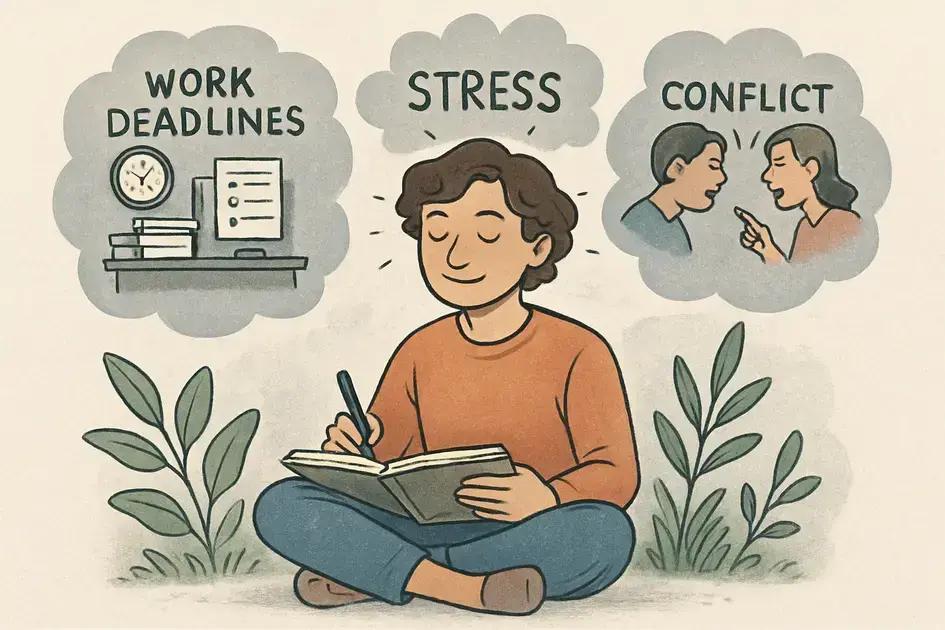
Identifying and reducing triggers for nervous strain is essential for maintaining a healthy nervous system. Recognizing what causes stress allows you to take proactive steps to manage it effectively.
Understanding Triggers
Triggers are specific events, situations, or factors that increase your stress levels. Common triggers may include:
- Work-related stress: Tight deadlines and high workload can contribute significantly to nervous strain.
- Interpersonal conflicts: Disagreements or tensions with friends, family, or coworkers can lead to heightened anxiety.
- Environmental factors: Noisy or chaotic environments can overwhelm your senses and increase stress levels.
Steps to Identify Your Triggers
To manage nervous strain effectively, you first need to identify your personal triggers:
- Keep a journal: Write down your thoughts and feelings during stressful events. Note any patterns that emerge regarding what causes your stress.
- Pay attention to bodily signals: Notice physical reactions like tension, headaches, or a racing heart in response to specific situations.
- Reflect on past experiences: Consider what has stressed you out before and analyze if those situations arise frequently in your life.
Reducing Triggers
Once you identify your triggers, you can take steps to reduce their impact:
- Set boundaries: Learn to say no when you feel overwhelmed. Protecting your time and energy can reduce stress.
- Practice relaxation techniques: Techniques like deep breathing, yoga, or meditation can help manage stress levels when triggers arise.
- Improve time management: Organize your tasks to avoid last-minute rushes. Prioritize your work and break it down into manageable steps.
- Seek support: Talk to friends, family, or professionals about your stressors. Sharing your feelings can provide relief and new insights.
By effectively identifying and reducing triggers for nervous strain, you can create a more balanced and healthy lifestyle.
The impact of social connections on nervous health
Social connections have a profound impact on our nervous health. Building and maintaining relationships with family, friends, and community can greatly influence our mental and emotional well-being.
How Social Connections Affect Nervous Health
Positive social interactions can help reduce feelings of loneliness and isolation, which are known to contribute to anxiety and depression. Here’s how strong social ties benefit your nervous system:
- Stress Reduction: Having a support system can help individuals cope with stress more effectively. Friends and family can provide comfort and reassurance during tough times.
- Improved Mood: Socializing can trigger the release of hormones like oxytocin and serotonin, which enhance mood and create feelings of happiness.
- Enhanced Resilience: Supportive relationships can foster resilience, helping individuals bounce back from life’s challenges and reducing the impact of stressors.
The Importance of Quality Over Quantity
It’s essential to focus on the quality of social connections rather than just the number of friends or acquaintances. Meaningful interactions with a few close friends can be more beneficial than superficial relationships with many people.
Ways to Strengthen Social Connections
Here are some practical tips to enhance your social relationships:
- Make Time for Others: Set aside time to connect with friends and family regularly. Whether it’s a phone call or a face-to-face meeting, consistency is key.
- Join Groups or Clubs: Engage in activities or hobbies where you can meet like-minded individuals. Shared interests can foster deeper connections.
- Practice Active Listening: Show genuine interest in others by listening actively. This helps build trust and strengthens your bond with them.
- Be Supportive: Offer support and help to others when they need it. Caring for others can strengthen your relationships and improve your own well-being.
By nurturing your social connections, you can enhance your nervous health and contribute to a more fulfilling life.
Technology’s role in managing nervous system function

Technology plays an increasingly important role in managing and supporting the function of the nervous system. Various technological advancements can help monitor, enhance, and improve emotional and physical well-being.
Wearable Devices
Wearable technology, such as fitness trackers and smartwatches, allows individuals to monitor their health in real time. These devices can:
- Track Heart Rate: Monitoring your heart rate can help you understand how your body responds to stress and exercise.
- Measure Sleep Quality: Many wearables track sleep patterns, providing insight into how well your nervous system is recovering each night.
- Guide Physical Activity: These devices encourage regular movement, which is essential for maintaining nervous health.
Mobile Apps for Stress Management
Numerous mobile apps can aid in managing stress and anxiety. Some popular features of these apps include:
- Guided Meditations: Apps offer a variety of meditation techniques to help calm the mind and promote relaxation.
- Breathing Exercises: Many apps feature breathing exercises designed to reduce stress and improve focus.
- Progress Tracking: Users can track their mental health and mood patterns, enabling them to identify triggers and trends over time.
Telehealth Services
Telehealth has made mental health support more accessible. Through video calls, individuals can:
- Consult with Therapists: Access professional help without the need for in-person visits.
- Participate in Group Therapy: Join online support groups to connect with others facing similar issues.
Biofeedback and Neurofeedback
Biofeedback and neurofeedback therapies use technology to demonstrate how your body responds to stress. These therapies can:
- Provide Real-Time Feedback: Help individuals learn to control physiological functions such as heart rate and muscle tension.
- Enhance Self-Regulation: Teach techniques for managing stress responses, contributing to better nervous system health.
Incorporating these technologies can empower people to take control of their nervous health and enhance overall well-being.
When to seek professional help for nervous issues
Knowing when to seek professional help for nervous issues is crucial for maintaining mental health. Many people may wonder if their symptoms warrant a visit to a healthcare provider or therapist.
Recognizing Symptoms
Some signs indicate that it might be time to seek help:
- Persistent Anxiety: If feelings of anxiety or fear are overwhelming and last for weeks or months, it is essential to talk to a professional.
- Effective Coping Strategies Aren’t Working: If self-help strategies like relaxation techniques or exercise aren’t relieving your nervousness, it may be time to consult a healthcare provider.
- Physical Symptoms: Frequent headaches, stomach issues, or fatigue related to stress might indicate the need for medical advice.
- Impact on Daily Life: If nervous issues are affecting your work, relationships, or overall quality of life, professional help can provide support and guidance.
- Thoughts of Self-Harm: If you experience thoughts of harming yourself or others, it’s crucial to seek immediate help from a mental health professional or hotline.
Types of Professionals to Consult
Several types of healthcare providers can help with nervous issues:
- Therapists or Counselors: These professionals can provide talk therapy, cognitive-behavioral therapy (CBT), or other therapeutic techniques to address anxiety and stress.
- Psychiatrists: They specialize in mental health and can prescribe medication if needed, along with providing therapy.
- General Practitioners: Your primary care doctor can be a good starting point. They can assess your symptoms and refer you to a specialist.
How to Prepare for Your Appointment
When seeking help, it’s helpful to prepare for your appointment:
- Keep a Journal: Document your symptoms, their frequency, and how they affect your life to share with your provider.
- Be Honest: Share your feelings openly and honestly to ensure you receive the best care.
- Ask Questions: Prepare a list of questions to understand your treatment options and what to expect.
Taking the step to seek professional help can significantly improve your nervous health and overall well-being.
Understanding neuroplasticity and recovery

Neuroplasticity is the brain’s ability to reorganize itself by forming new neural connections throughout life. This process is crucial for recovery from injuries and adapting to changes in our environment.
What is Neuroplasticity?
Neuroplasticity allows the brain to change and adapt. It occurs in two main forms:
- Functional Plasticity: This type enables the brain to shift functions from damaged areas to healthy areas. For example, after a stroke, a healthy part of the brain may take over tasks previously managed by the affected area.
- Structural Plasticity: This refers to the brain’s ability to physically change its structure in response to learning or experience. New pathways can form as we learn new skills or habits.
The Role of Neuroplasticity in Recovery
Neuroplasticity plays a vital role in recovery from various conditions, including:
- Brain Injuries: Individuals recovering from traumatic brain injuries often rely on neuroplasticity to regain lost functions. Therapy can help stimulate the brain to form new pathways.
- Stroke Recovery: Rehabilitation programs focus on exercises that encourage neuroplastic changes, helping people regain movement and speech.
- Mental Health Disorders: Conditions like depression and anxiety can involve dysfunctional neural circuits. Therapeutic interventions, such as cognitive-behavioral therapy, can promote positive neural reorganization.
Ways to Enhance Neuroplasticity
There are several strategies to promote neuroplasticity and recovery:
- Engage in New Learning Experiences: Trying new activities or learning a new language can boost brain connections.
- Physical Exercise: Regular physical activity increases blood flow to the brain and encourages new neuron growth.
- Meditation and Mindfulness: These practices can improve focus and emotional regulation, enhancing the brain’s adaptability.
- Healthy Diet: A diet rich in antioxidants, healthy fats, and nutrients supports brain health and neuroplasticity. Foods like fatty fish, berries, and nuts are particularly beneficial.
Understanding neuroplasticity helps us appreciate the brain’s power to adapt and recover, guiding effective approaches to rehabilitation and mental health treatment.
Building a personal nervous health action plan
Creating a personal nervous health action plan is an effective way to maintain and improve your emotional and mental well-being. A proactive approach can help you manage stress and enhance your overall health.
Assess Your Current State
Start by evaluating your current nervous health. Consider the following:
- Identify Symptoms: Take note of any feelings of anxiety, stress, or emotional challenges you experience regularly.
- Evaluate Triggers: Observe situations or events that increase your stress levels. Understanding these can help you develop strategies to cope with them.
- Reflect on Lifestyle: Consider your diet, sleep patterns, and physical activity levels. These factors can significantly impact your nervous system.
Set Specific Goals
Once you have assessed your current state, set clear and achievable goals for improving your nervous health:
- Short-Term Goals: Examples could include practicing deep breathing exercises daily or engaging in 30 minutes of physical activity three times a week.
- Long-Term Goals: Aim for goals like reducing anxiety to manageable levels within six months or incorporating mindfulness practices into your daily routine.
Develop Strategies and Resources
To achieve your goals, consider various strategies and resources:
- Mindfulness and Relaxation Techniques: Include practices like meditation, yoga, or deep breathing exercises.
- Physical Activity: Regular exercise can help improve mood and reduce stress. Find activities you enjoy, whether it’s running, dancing, or team sports.
- Healthy Nutrition: Focus on a balanced diet rich in fruits, vegetables, whole grains, and healthy fats to support your nervous health.
- Social Connections: Build a support network with friends and family to share your feelings and experiences. Connecting with others boosts emotional resilience.
Monitor Progress and Adjust Plans
Regularly check your progress. Questions to consider include:
- Are you achieving your short and long-term goals?
- What strategies are working, and what needs adjustment?
- Do you need additional support or resources?
By building and following a personal nervous health action plan, you are taking significant steps towards a healthier and more balanced life.
In Summary: Caring for Your Nervous Health
Caring for your nervous health is essential for overall well-being. By understanding the functions of the nervous system, recognizing stressors, and implementing effective strategies, you can significantly enhance your mental and emotional resilience.
Utilizing techniques such as mindfulness, physical exercise, and proper nutrition can help you manage stress better. Additionally, recognizing when to seek professional help is crucial for addressing more significant issues.
Finally, by creating a personal action plan tailored to your needs, you take proactive steps in fostering a healthier nervous system. Remember, small changes can lead to significant improvements in your life.
FAQ – Frequently Asked Questions about Caring for Your Nervous Health
What is nervous health and why is it important?
Nervous health refers to the well-being of your nervous system, which controls and coordinates everything your body does. It’s important because it affects your emotional and physical health.
How can I identify my stress triggers?
You can identify stress triggers by keeping a journal to note your feelings and situations that cause anxiety, and by paying attention to physical and emotional responses.
What are some effective techniques to improve my nervous health?
Techniques include practicing mindfulness, engaging in regular exercise, maintaining a balanced diet, and ensuring you have strong social support.
When should I seek professional help for nervous issues?
You should seek professional help if you experience persistent anxiety, if your coping strategies are not effective, or if your symptoms interfere with daily life.
How does neuroplasticity relate to recovery from nervous issues?
Neuroplasticity is the brain’s ability to adapt and reorganize itself, which plays a vital role in recovery by allowing the brain to form new connections and heal.
What should I include in my personal nervous health action plan?
Your action plan should include assessing your current state, setting specific goals, developing strategies and resources, and regularly monitoring your progress.

