
You can drink alcohol in moderation while taking Ozempic, but it’s crucial to monitor your blood sugar levels and consult your healthcare provider to avoid potential side effects and ensure effective management of your diabetes.

Can you drink alcohol while taking ozempic for weight loss? This question arises for many people considering this medication. Understanding the relationship between alcohol and weight loss treatments is crucial, as it can impact your journey. Let’s dive into what you need to know.
Understanding Ozempic and Its Purpose
Ozempic is a prescription medication that contains the active ingredient semaglutide. It is primarily used to help adults with type 2 diabetes manage their blood sugar levels. Additionally, it has gained attention for its potential in aiding weight loss.
When someone takes Ozempic, it works by mimicking the effects of a natural hormone in the body called GLP-1 (glucagon-like peptide-1). This hormone helps regulate appetite and insulin secretion, leading to better management of blood sugar levels.
How Ozempic Helps with Weight Loss
Many people experience weight loss while using Ozempic, as it can suppress appetite and increase feelings of fullness. This makes it easier for individuals to adhere to a reduced-calorie diet. Clinical studies have shown that patients taking Ozempic alongside lifestyle changes can achieve significant weight loss compared to those who don’t.
Who Should Consider Ozempic?
Ozempic is particularly beneficial for individuals with type 2 diabetes who struggle to control their blood sugar levels through diet and exercise alone. It’s also prescribed to people who are overweight or obese and may benefit from weight management solutions.

However, it’s essential for anyone considering Ozempic to consult with a healthcare professional. They can review your medical history and provide recommendations tailored to your individual health needs.
Potential Side Effects
Some users of Ozempic may experience side effects, such as nausea, vomiting, or stomach pain. It’s important to monitor your body’s reactions and discuss any adverse effects with your doctor.
Being informed about how Ozempic works and its purpose can help individuals make better choices regarding their health, especially when considering combining it with alcohol intake.
The Role of Alcohol in Weight Loss

Alcohol can play a complex role in weight loss, and understanding it is essential for anyone trying to manage their weight. Many people enjoy having a drink, but it’s important to know how it affects your body.
First, alcohol contains calories. Depending on the type of drink, a single serving can range from 100 to 300 calories or more. These calories can add up quickly and contribute to weight gain if not accounted for in your daily intake.
How Alcohol Affects Metabolism
When you consume alcohol, your body prioritizes breaking it down over other nutrients. This means that the metabolism of fats and carbohydrates can slow down while your body processes the alcohol. This can hinder weight loss efforts.

Social Drinking and Weight Management
Another aspect to consider is social drinking. Many people engage in social situations where alcohol is present. This can make it challenging to stick to a healthy eating plan. Making mindful choices about when and how much to drink can help you stay on track with your weight loss goals.
Choosing Lower Calorie Options
If you decide to drink, consider choosing lower-calorie options, such as light beers or wine. Mixing your drinks with soda water instead of sugary mixers can also lower the calorie count. Being aware of what you’re drinking can significantly impact your calorie intake.
Staying informed about the impact of alcohol on your weight can empower you to make better choices that align with your health goals.
Effects of Mixing Ozempic and Alcohol
Mixing Ozempic with alcohol can lead to some significant effects that users should be aware of. Understanding these effects is crucial for anyone taking Ozempic and considering having a drink.
One primary concern is that alcohol can cause fluctuations in blood sugar levels. Ozempic is designed to help stabilize these levels, but alcohol can interfere with its effectiveness. Drinking may lead to unexpected spikes or drops in blood sugar.
Increased Risk of Side Effects
Combining Ozempic and alcohol can also increase the likelihood of certain side effects. For instance, consuming alcohol may enhance gastrointestinal side effects such as nausea and vomiting, which are already reported by some Ozempic users.
Potential for Dehydration
Alcohol is a diuretic, which means it can lead to dehydration. This can be particularly concerning for individuals on Ozempic, as dehydration may complicate the body’s ability to manage blood glucose efficiently. Staying hydrated is vital for overall health.
What Experts Recommend
Health professionals often recommend moderation when it comes to alcohol consumption while taking Ozempic. It’s best to consult with a healthcare provider to discuss personal risks and receive tailored advice. They can provide guidance on how to enjoy social situations without compromising your health.
Being informed about the effects of mixing Ozempic and alcohol empowers users to make safer choices that align with their health goals.
What to Consider Before Drinking

Before you consider drinking while taking Ozempic, there are several important factors to keep in mind. Understanding these considerations can help ensure your health and safety.
First, consult with your healthcare provider. They can guide you on whether drinking alcohol is appropriate based on your specific health situation and medication plan. Your doctor knows your medical history and can provide personalized advice.
Monitor Your Blood Sugar Levels
It’s essential to monitor your blood sugar levels regularly. Alcohol can impact these levels, so being aware of your body’s reactions is crucial. Keep a close eye on your readings, especially after consuming alcohol.

Be Mindful of Portion Sizes
When drinking, pay attention to portion sizes. Opt for smaller servings and choose drinks that are lower in calories. Making smarter choices can help minimize the effect on your weight loss efforts.
Stay Hydrated
Hydration is vital when consuming alcohol, as it can lead to dehydration. Make sure to drink plenty of water before, during, and after consuming alcohol to maintain hydration levels.
Watch for Side Effects
Be attentive to how your body responds to alcohol while on Ozempic. Some individuals may experience enhanced side effects such as nausea or stomach discomfort. If you notice any negative reactions, it’s important to stop drinking and consult your healthcare provider.
Taking these precautions can help you make informed choices about drinking while taking Ozempic, allowing you to enjoy social events safely.
User Experiences: Alcohol and Ozempic
User experiences with alcohol while taking Ozempic can vary widely. Listening to these stories can provide valuable insights into how individuals manage their health with this medication.
Many users report mixed feelings about combining alcohol with Ozempic. Some find that alcohol does not affect their blood sugar levels significantly; others experience unexpected changes. It’s essential to note that everyone’s body reacts differently.

Positive Experiences
Some users share positive experiences, indicating that they are able to enjoy social situations without severe consequences. They often mention that moderation is key. Drinking lightly seems to allow them to have fun without affecting their health goals.
Challenges Faced
On the other hand, several individuals describe facing challenges when drinking. Users have reported symptoms such as increased nausea or gastrointestinal discomfort after consuming alcohol. These experiences can deter some from drinking altogether.
Advice from Peers
Many users advise others to pay attention to their bodies and consider their own reactions. Keeping a food and drink diary can be helpful in tracking how alcohol impacts blood sugar levels. Sharing experiences with others can also create a supportive community.
Health Monitoring
Regular health checks and consultations with healthcare providers can further guide individuals in their choices. Being informed and cautious while enjoying social activities can lead to a balanced lifestyle.
Medical Professional Opinions

Medical professionals have important insights regarding the combination of Ozempic and alcohol. Understanding their perspectives can guide individuals in making informed choices about their health.
Doctors often caution patients about the potential risks associated with mixing alcohol and Ozempic. According to many healthcare providers, alcohol can interfere with blood sugar management. Since Ozempic works to stabilize blood sugar levels, drinking may disrupt this delicate balance.
Concerns About Side Effects
Healthcare professionals report that some patients experience heightened side effects when combining the two. Symptoms such as nausea, dizziness, and gastrointestinal discomfort may be exacerbated. These reactions can vary from person to person.
Individual Assessments
Each patient is unique, so medical professionals recommend personalized assessments. A healthcare provider can evaluate a patient’s overall health, diabetes management, and lifestyle before offering advice about alcohol consumption while on Ozempic.
Moderation is Key
Most doctors agree that if patients choose to drink, moderation is essential. Limiting alcohol intake can reduce the risks associated with these possible interactions. Drinking in small amounts and being mindful of the type of alcohol consumed can help in maintaining balance in health.
Open Communication
Engaging in open communication with healthcare providers about drinking habits is crucial. Patients should feel comfortable discussing their lifestyle choices. This can lead to better management of their health and informed decisions.
Potential Health Risks
Using Ozempic while consuming alcohol can lead to several potential health risks that individuals should be aware of. Understanding these risks is essential for those managing their diabetes and weight loss.
One major concern is the effect of alcohol on blood sugar levels. Alcohol can cause fluctuations, making it difficult to maintain stable glucose levels. This unpredictability can be particularly problematic for individuals with type 2 diabetes, as it may interfere with the effectiveness of Ozempic.
Increased Risk of Hypoglycemia
Drinking alcohol, especially in excess, can increase the risk of hypoglycemia, or low blood sugar. Symptoms include shaking, sweating, and confusion. Those on Ozempic need to be cautious as their body’s response to low blood sugar might be altered.
Gastrointestinal Distress
A common side effect of Ozempic is gastrointestinal distress. Combining this medication with alcohol may worsen symptoms such as nausea, vomiting, or diarrhea. Users should be mindful of how their bodies respond when mixing these substances.
Dehydration and Electrolyte Imbalance
Alcohol acts as a diuretic, which can lead to dehydration if not balanced with adequate fluid intake. Dehydration can further impact blood sugar control and overall health. Using Ozempic while dehydrated can complicate diabetes management.
Long-Term Health Implications
Regularly consuming alcohol while on Ozempic can also lead to long-term health issues. For instance, chronic drinking may contribute to increased fat storage, making weight loss efforts more challenging.
Being aware of these potential health risks can help individuals make educated decisions about their alcohol consumption while taking Ozempic, enhancing their overall well-being.
How Ozempic Works in the Body

Ozempic, or semaglutide, is a medication that plays an essential role in managing type 2 diabetes and aiding with weight loss. Understanding how Ozempic works in the body can help users appreciate its effects and benefits.
Ozempic mimics a hormone in the body known as GLP-1 (glucagon-like peptide-1). This hormone is naturally produced in the intestines and helps regulate blood sugar levels. When you eat, GLP-1 is released, signaling your body to release insulin, which helps lower blood sugar levels. By mimicking GLP-1, Ozempic enhances this natural process.
Mechanism of Action
When Ozempic is injected, it works in several ways: it stimulates insulin secretion from the pancreas when blood sugar levels are high, reduces the amount of sugar produced by the liver, and slows down gastric emptying. This combination helps control glucose levels and keeps you feeling full longer.
Effects on Hunger and Satiety
In addition to its impact on blood sugar, Ozempic decreases appetite, making it easier for individuals to maintain a calorie deficit for weight loss. Many users report feeling less hungry, which can support their dieting efforts.
Weight Management
The weight loss effects of Ozempic are significant for many users. Research shows that individuals taking Ozempic lose more weight compared to those who do not take it while following a similar diet and exercise plan. This makes Ozempic a valuable tool for those struggling with obesity as part of their diabetes treatment.
Understanding how Ozempic works biologically helps users recognize its importance in managing their health effectively.
Signs of Adverse Reactions
When taking Ozempic, it’s essential to be aware of potential adverse reactions. Recognizing the signs early can help you respond appropriately and ensure your health is prioritized.
Some common adverse reactions include gastrointestinal issues, such as nausea, vomiting, and diarrhea. Many users report that these symptoms occur, especially after starting the medication or increasing the dose.
Severe Allergic Reactions
In some cases, individuals may experience severe allergic reactions. This can include symptoms like swelling of the face, lips, or throat, difficulty breathing, and hives. If these symptoms occur, it is crucial to seek medical help immediately.
Persistent Low Blood Sugar
While Ozempic helps manage blood sugar, it can also lead to hypoglycemia if not monitored correctly, especially when combined with other diabetes medications. Signs of low blood sugar include weakness, sweating, headaches, and dizziness.
Gastrointestinal Distress
Besides nausea and vomiting, some users report other gastrointestinal disturbances, such as bloating or stomach cramping. These symptoms can affect daily life and should be discussed with a healthcare provider.
Serious Pancreatic Issues
Although rare, there have been reports of pancreatitis in patients taking Ozempic. Symptoms include severe abdominal pain, persistent nausea, and vomiting. If you experience these, contact your doctor as soon as possible.
Being aware of these adverse reactions can help you manage your health responsibly while taking Ozempic. Monitor any unusual symptoms and consult your healthcare provider to address concerns or make necessary adjustments to your treatment.
Alternatives to Enjoying Alcohol

If you’re taking Ozempic and want to enjoy social occasions without drinking alcohol, there are numerous alternatives to consider. These options can help you stay social while keeping your health on track.
One popular choice is alcohol-free beverages. Many brands now offer non-alcoholic beers, wines, and cocktails that taste great without the negative effects of alcohol. These drinks can be found at most grocery stores and are becoming more prevalent in bars.
Sparkling Water with Flavor
Sparkling water is a refreshing alternative that you can personalize. Adding slices of fruits like lemon, lime, or berries can enhance the flavor. This drink not only tastes good but can also keep you hydrated, which is essential when managing blood sugar levels.
Mocktails
Mocktails are non-alcoholic versions of popular cocktails. They can be made with a variety of ingredients, such as fresh juices, herbs, and sparkling water. These drinks allow you to enjoy the festive atmosphere without the effects of alcohol.
Herbal Teas
Herbal teas can also be a great substitute for alcoholic beverages. They come in various flavors and can be enjoyed hot or iced. Many people find that a soothing cup of tea can provide comfort without compromising health goals.
Healthy Smoothies
Consider making a healthy smoothie as a tasty alternative. Combining fruits, leafy greens, and a source of protein can create a satisfying drink that you can customize. Everybody loves a delicious, nutritious drink that contributes to your health.
Choosing these alternatives allows you to remain social while prioritizing your health and well-being.
Advice from Health Experts
Health experts often provide valuable advice for individuals taking Ozempic and considering alcohol consumption. Understanding their recommendations can help manage health effectively.
One key piece of advice is to consult your healthcare provider before making any changes to your drinking habits. Your provider can offer personalized guidance based on your health history, medication regimen, and overall weight loss goals.
Moderation is Essential
Experts emphasize the importance of moderation when it comes to alcohol. Drinking in small amounts can reduce the risk of adverse interactions with Ozempic. Limiting consumption can help you stay within safe boundaries while enjoying social events.
Monitor Blood Sugar Levels
Regularly checking your blood sugar levels is crucial when consuming alcohol. Experts suggest keeping a close eye on your glucose levels, as alcohol can cause fluctuations. Understanding how your body reacts can guide your choices.
Consider Non-Alcoholic Options
Health professionals often recommend exploring non-alcoholic alternatives. These options allow you to participate in social activities without the negative impacts of alcohol. Mocktails, flavored sparkling water, or herbal teas can be great choices.
Stay Hydrated
Staying hydrated is vital when drinking alcohol. Experts advise drinking plenty of water alongside alcoholic beverages to help counteract dehydration effects. This practice also supports overall health and well-being.
By following these expert recommendations, individuals can enjoy social situations more safely while managing their health effectively while on Ozempic.
Best Practices for Using Ozempic
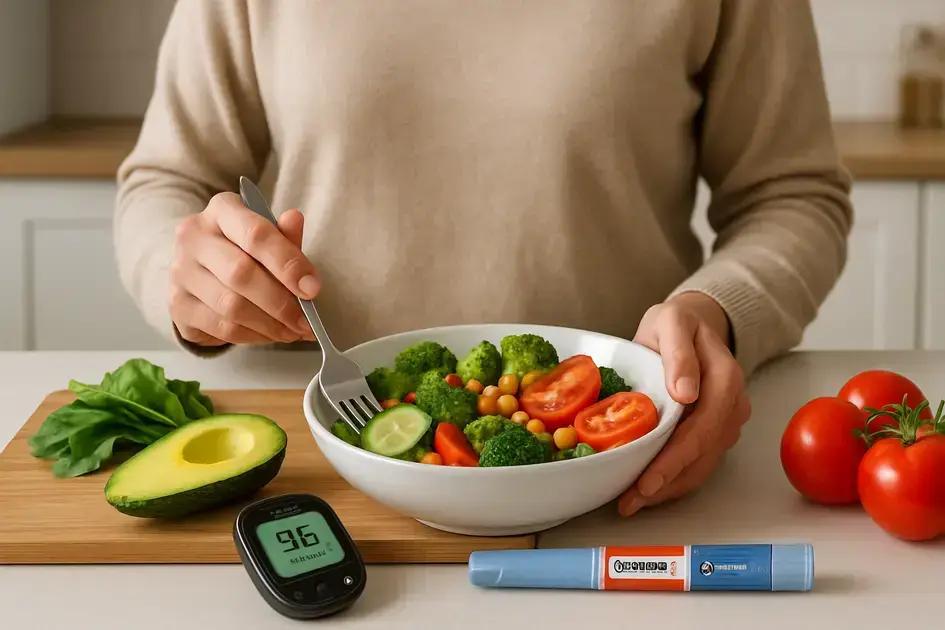
Using Ozempic effectively involves understanding and following best practices. These guidelines can help maximize the benefits of the medication while minimizing potential side effects.
First, always follow your healthcare provider’s instructions. This includes the proper dosage and timing of injections. Consistency is important to maintain stable blood sugar levels and achieve weight management goals.
Monitor Blood Sugar Regularly
It is crucial for users of Ozempic to monitor their blood sugar levels regularly. Keeping track of these levels can help you understand how well Ozempic is working for you. Record your readings and share them with your healthcare provider.
Adopt a Healthy Diet
A balanced diet is vital when using Ozempic. Focus on whole foods, such as fruits, vegetables, lean proteins, and whole grains. This not only supports weight loss but also enhances overall health.
Incorporate Regular Exercise
Physical activity is another essential component. Aim for at least 150 minutes of moderate exercise each week. Exercise can improve insulin sensitivity and contribute to weight loss, making Ozempic more effective.
Stay Hydrated
Drinking enough water helps to maintain hydration, especially when considering the diuretic effects of alcohol or excessive sugar intake. Hydration can support overall bodily functions and enhance your weight management efforts.
Communicate with Healthcare Providers
Regular check-ins with your healthcare provider are vital to adjust your treatment plan as needed. Sharing any side effects or concerns can help tailor your care effectively.
By adhering to these best practices, individuals can optimize the benefits of Ozempic, supporting their health and wellness journey.
Lifestyle Changes While on Ozempic
Making lifestyle changes while taking Ozempic can significantly enhance its effectiveness. These changes can help improve your overall health and support weight loss goals.
One of the key lifestyle changes is adopting a balanced diet. Focus on whole, nutrient-dense foods like fruits, vegetables, lean proteins, and whole grains. Limit processed foods and added sugars to better manage blood sugar levels and promote weight loss.
Regular Physical Activity
Incorporating regular exercise into your routine is crucial. Aim for at least 150 minutes of moderate-intensity exercise each week. Activities like walking, swimming, or cycling can help improve insulin sensitivity and promote weight loss.
Mindful Eating
Practicing mindful eating can help you understand your hunger cues and make healthier choices. Take time to savor your food, and be aware of portion sizes. This practice can prevent overeating and support weight management efforts.
Stay Hydrated
Drinking plenty of water is essential. Proper hydration can enhance digestion and help control hunger. Aim for at least 8 glasses of water each day, and consider replacing sugary drinks with water or herbal teas.
Prioritize Sleep
Quality sleep is often overlooked but is vital for health. Strive for 7-9 hours of sleep each night. Good sleep can improve metabolism and aid in weight loss.
Manage Stress
High stress levels can affect your eating habits and overall health. Incorporate stress-reducing practices such as yoga, meditation, or deep-breathing exercises in your routine. Finding ways to relax will support your health journey.
By making these lifestyle changes while on Ozempic, you can improve your results and enhance your quality of life.
Navigating Social Situations

Navigating social situations while taking Ozempic can be a challenge, especially when it comes to alcohol consumption. Understanding how to handle these scenarios can help you enjoy social events without compromising your health.
When attending gatherings, be prepared to make informed choices. Consider planning ahead by deciding which drinks you will consume or if you will opt for non-alcoholic alternatives.
Communicate with Friends
Letting your friends know about your health goals can create a supportive environment. They may be more understanding and accommodating, making it easier for you to stick to your plan.
Explore Non-Alcoholic Options
While socializing, seek out non-alcoholic drinks that are available. Many bars and restaurants now offer a range of mocktails, flavored sparkling waters, and other refreshing non-alcoholic beverages. These drinks can help you feel included without compromising your health.
Practice Saying No
It’s important to practice saying no to alcohol when offered. You can politely decline by saying you are driving or focusing on your health goals. Having a few go-to phrases can alleviate any pressure you might feel.
Focus on Enjoying the Company
Shift your focus from drinking to enjoying the company and conversations. Engaging with others can help you feel fulfilled without needing alcohol.
Be Mindful of Peer Pressure
Be aware that peer pressure might arise in social situations. Remember your health is a priority. Having a strong resolve will help you stick to your goals.
By thinking ahead and being mindful of your choices, you can navigate social situations confidently while taking Ozempic.
Common Misconceptions About Ozempic
There are several common misconceptions about Ozempic that can lead to confusion. Understanding these myths is important for anyone considering or currently using this medication.
One misconception is that Ozempic is only for people with diabetes. While it is primarily prescribed to manage type 2 diabetes, it is also used off-label for weight management in individuals without diabetes.
Ozempic Causes Weight Loss for Everyone
Another myth is that Ozempic guarantees weight loss for everyone. Some users may not experience significant weight loss despite taking the medication. Success with Ozempic often depends on a combination of diet, exercise, and individual metabolism.
It’s a Quick Fix
Many believe Ozempic is a quick fix for weight loss. However, it should be viewed as part of a broader lifestyle change. Adopting healthy eating habits and regular physical activity is essential for sustained results.
It Can Replace a Healthy Diet
Some users may think they can eat whatever they want while taking Ozempic and still lose weight. This misconception can be dangerous. Ozempic works best when paired with a balanced diet.
All Side Effects Are Uncommon
While many people do not experience severe side effects, some commonly reported side effects include gastrointestinal issues like nausea and vomiting. It’s important to monitor your body’s reactions and communicate with a healthcare provider about any concerns.
By clarifying these misconceptions, users can make more informed decisions about using Ozempic as part of their health journey.
Conclusion and Next Steps

For individuals taking Ozempic, understanding the key points about its use is essential for maximizing its benefits. Following the guidelines and advice can help you manage your health effectively.
Start by maintaining open communication with your healthcare provider. Discuss any concerns or questions you have about using Ozempic. This can help ensure that your treatment plan is tailored to your specific needs.
Monitor Your Progress
Regularly check your blood sugar levels and track your weight loss journey. Keeping a log can help you identify what works best for you. Make adjustments to your lifestyle based on your findings.
Implement Healthy Habits
Incorporate a balanced diet and regular exercise into your routine. Healthy habits are critical for supporting your treatment goals. This combination can lead to better management of your diabetes and improving your overall health.
Educate Yourself
Stay informed about Ozempic and any new research or guidelines. Education empowers you to make informed choices and advocate for your health.
Set Realistic Goals
Goals should be achievable and measurable. Focus on small, gradual changes rather than drastic changes. Celebrate your progress, no matter how small.
By following these steps, you can enhance the effectiveness of Ozempic in your health management plan.
In Summary: Managing Your Health with Ozempic
Using Ozempic can be an effective way to manage diabetes and support weight loss. By understanding how the medication works and addressing common misconceptions, you can make informed decisions about your treatment.
It’s essential to incorporate healthy lifestyle changes, such as eating a balanced diet and exercising regularly, to maximize the benefits of Ozempic. Staying connected with your healthcare provider and monitoring your progress are also crucial steps in this journey.
By following these practices and being aware of how to navigate social situations, you can use Ozempic successfully and enhance your overall wellbeing.
Remember that your health is a priority, and taking proactive steps will help you achieve your goals.
FAQ – Common Questions About Using Ozempic
What is Ozempic used for?
Ozempic is primarily used to manage type 2 diabetes and assist with weight loss.
How does Ozempic work in the body?
Ozempic mimics the hormone GLP-1, helping to regulate blood sugar levels, increase insulin secretion, and reduce appetite.
Can I drink alcohol while on Ozempic?
While it’s possible to have alcohol in moderation, it is important to monitor your blood sugar levels and consult your healthcare provider.
What are the potential side effects of Ozempic?
Common side effects include nausea, vomiting, diarrhea, and abdominal pain. It’s essential to discuss any serious concerns with your healthcare provider.
Are lifestyle changes necessary when taking Ozempic?
Yes, adopting a healthy diet and regular exercise routine is crucial for maximizing the benefits of Ozempic.
What should I do if I experience adverse reactions to Ozempic?
If you experience severe side effects or allergic reactions, contact your healthcare provider immediately for advice.

