
Finding a workout buddy can enhance your fitness journey by providing motivation, accountability, and social interaction, making workouts more enjoyable and effective in achieving your fitness goals.

Best workout routine for women’s weight loss at gym can make a significant difference in achieving your fitness goals. Have you wondered how the right plan can transform your journey? Let’s dive into the best strategies and tips to help you succeed.
Understanding weight loss principles
Understanding the principles of weight loss is essential for achieving your fitness goals effectively. Weight loss occurs when you burn more calories than you consume. This process creates a calorie deficit, which is crucial for shedding pounds.
The Role of Metabolism
Your metabolism plays a significant role in how quickly you lose weight. It refers to the chemical processes in your body that convert food into energy. A faster metabolism means you can burn calories more efficiently.
Types of Calories
Not all calories are created equal. It’s important to focus on nutrient-dense foods that provide vitamins and minerals along with energy. Consuming whole foods like fruits, vegetables, lean proteins, and whole grains can support your weight loss journey.
Importance of Portion Control
Portion control is key to managing your calorie intake. Using smaller plates, measuring serving sizes, and being mindful of your eating habits can help prevent overeating.

Consistency and Lifestyle Changes
For sustainable weight loss, consistency is vital. This includes making permanent lifestyle changes, such as regular exercise and healthy eating habits. Short-term diets may offer quick results but often lead to weight regain.
The role of strength training

The role of strength training in a weight loss routine is often underestimated. It is a crucial component that helps build muscle and boost metabolism. Engaging in regular strength training can significantly enhance your overall weight loss efforts.
Building Lean Muscle
Strength training focuses on building lean muscle mass. Muscle tissue burns more calories at rest compared to fat tissue. This means that the more muscle you have, the more calories you will burn throughout the day.
Increasing Metabolic Rate
One of the main benefits of strength training is its ability to increase your metabolic rate. A higher metabolic rate helps your body burn calories more efficiently, which is essential for weight loss.
Improving Body Composition
Strength training does not just help you lose weight; it also improves body composition. By increasing muscle mass and reducing fat, you can achieve a healthier and more toned appearance.
Boosting Confidence and Mental Health
Additionally, strength training can boost your confidence and improve mental health. As you become stronger and see physical changes, it can enhance self-esteem and reduce symptoms of anxiety and depression.
Incorporating Strength Training into Your Routine
To reap the benefits of strength training, aim to include it in your workout routine at least two to three times per week. Focus on all major muscle groups and gradually increase the weight or resistance as you progress.
Benefits of cardio for women
Cardio exercises play a vital role in a weight loss routine for women. Engaging in cardio not only helps burn calories but also improves overall health and endurance. Here are some of the key benefits of incorporating cardio into your fitness plan.
Effective Calorie Burning
One of the primary benefits of cardio is its ability to burn a significant number of calories. Activities like running, cycling, and swimming can raise your heart rate, leading to increased calorie expenditure during and after the workout.
Improved Heart Health
Cardio workouts strengthen the heart and lungs, improving your cardiovascular health. A healthy heart pumps blood more efficiently, which can reduce the risk of heart disease and other related conditions.
Boosting Endurance and Stamina
Regular cardio training enhances your endurance and stamina. This benefit can make daily activities easier and more enjoyable, allowing you to participate in more physical activities without feeling fatigued.
Enhancing Mood and Reducing Stress
Cardio exercises release endorphins, which are chemicals in the brain that promote feelings of happiness. This natural mood booster can reduce stress and help combat anxiety and depression.
Variety and Flexibility
Cardio workouts can be easily adjusted to fit individual preferences and fitness levels. You can choose from various activities, such as jogging, aerobics, or dance classes, making it easy to keep your routine fresh and enjoyable.
Setting realistic weight loss goals

Setting realistic weight loss goals is essential for a successful journey. Having clear and achievable targets helps keep you motivated and on track. Here are some key points to consider.
Define Specific Goals
Instead of vague statements like “I want to lose weight,” set specific objectives. For example, aim to lose 5 pounds in the next month. This kind of clarity helps you measure your progress.
Make Goals Measurable
Make sure your goals are measurable. This can be done by tracking your weight, inches lost, or even how your clothes fit. Keeping a journal or using apps can help you monitor your achievements.
Achievable Targets
Set goals that are challenging yet achievable. Rather than aiming to lose 20 pounds in a week, focus on losing 1-2 pounds weekly. This approach is healthier and more sustainable.
Time-Bound Goals
Give yourself a timeframe for reaching your goals. Set deadlines like “I want to lose 10 pounds in 2 months.” This helps create a sense of urgency and keeps you focused on your journey.
Adjust as Necessary
As you progress, it’s essential to adjust your goals. If you find your initial targets were too ambitious or too easy, don’t hesitate to re-evaluate and set new ones to keep challenging yourself.

Creating a balanced workout schedule
Creating a balanced workout schedule is essential for achieving your fitness goals effectively. A well-structured plan helps ensure you are working different muscle groups and allows for proper recovery. Here are some important elements to consider.
Include Various Types of Exercise
Your schedule should include different types of exercise: cardio, strength training, and flexibility workouts. This variety not only prevents boredom but also ensures a well-rounded fitness approach.
Set Specific Workout Days
Designate specific days for each type of workout. For instance, you might focus on strength training on Mondays and Thursdays, while reserving Tuesdays and Fridays for cardio. This helps establish a routine and makes it easier to commit.
Incorporate Rest Days
Rest days are just as important as workout days. They allow your muscles to recover and prevent injury. Aim for at least one or two rest days per week, or consider active recovery sessions with light activities such as walking or stretching.
Listen to Your Body
Pay attention to how your body feels during workouts. If you are excessively sore or fatigued, it may be time to adjust your schedule. Balance is key to avoid burnout and stay motivated.
Set Realistic Duration and Intensity
Workouts should be tailored to your fitness level. Start with achievable durations and increase the intensity as you progress. For example, begin with 20-30 minute sessions and gradually extend them as you build endurance.

Incorporating flexibility exercises

Incorporating flexibility exercises into your workout routine is essential for overall fitness. Flexibility helps improve your range of motion, reduces the risk of injury, and enhances performance in other activities. Here are important points to keep in mind.
Types of Flexibility Exercises
Flexibility exercises can be divided into two main types: static and dynamic. Static stretching involves holding a stretch for a period, while dynamic stretching involves moving parts of your body through a full range of motion. Include both types for optimal benefits.
Benefits of Flexibility
Improved flexibility can lead to better posture and enhanced balance. It makes daily activities easier, such as bending down to tie your shoes or reaching for objects on a high shelf. This can contribute to an overall healthier lifestyle.
When to Incorporate Flexibility Exercises
It’s most beneficial to do flexibility exercises after your workouts as part of your cool-down routine. However, you can also include dynamic stretches as part of your warm-up to prepare your body for exercise.
Tips for Effective Stretching
When stretching, focus on breathing deeply and holding each stretch for at least 15-30 seconds. Never force a stretch or bounce; this can lead to injury. Listen to your body and stretch only to the point of mild discomfort.
Creating a Flexibility Routine
Creating a routine that includes flexibility exercises can be easy. Aim to stretch major muscle groups at least two to three times a week. Consider yoga or Pilates classes, which often emphasize flexibility.
Hitting the gym: tips for beginners
Hitting the gym for the first time can be both exciting and intimidating. If you’re a beginner, it’s important to ease into your new workout routine. Here are some essential tips to help you get started.
Start Slow
As a beginner, it’s crucial to start slowly. Don’t overdo it by jumping into high-intensity workouts. Instead, begin with shorter, moderate sessions to help your body adjust. Aim for around 20-30 minutes of exercise a few times a week to start.
Set Realistic Goals
Setting achievable goals will keep you motivated. Whether it’s lifting a certain weight, running a specific distance, or simply going to the gym regularly, make sure your goals are clear and manageable.
Learn Proper Technique
Focus on mastering the proper technique for exercises. Improper form can lead to injuries. If you’re unsure, ask a trainer for help or consider attending group classes with instruction.
Create a Workout Plan
Having a workout plan can take the guesswork out of your gym sessions. Include a balanced mix of cardio, strength training, and flexibility exercises. This will ensure a well-rounded fitness approach and help you stay on track.
Stay Hydrated and Fuel Your Body
Drinking enough water before, during, and after your workout is essential. Also, be mindful of your nutrition. Eating a balanced meal before exercising can provide the energy you need.
Find a Workout Buddy
Working out with a friend can make the gym experience more enjoyable and keep you accountable. A workout buddy can motivate you to stick to your routine and make exercising more fun.
Tracking your progress effectively
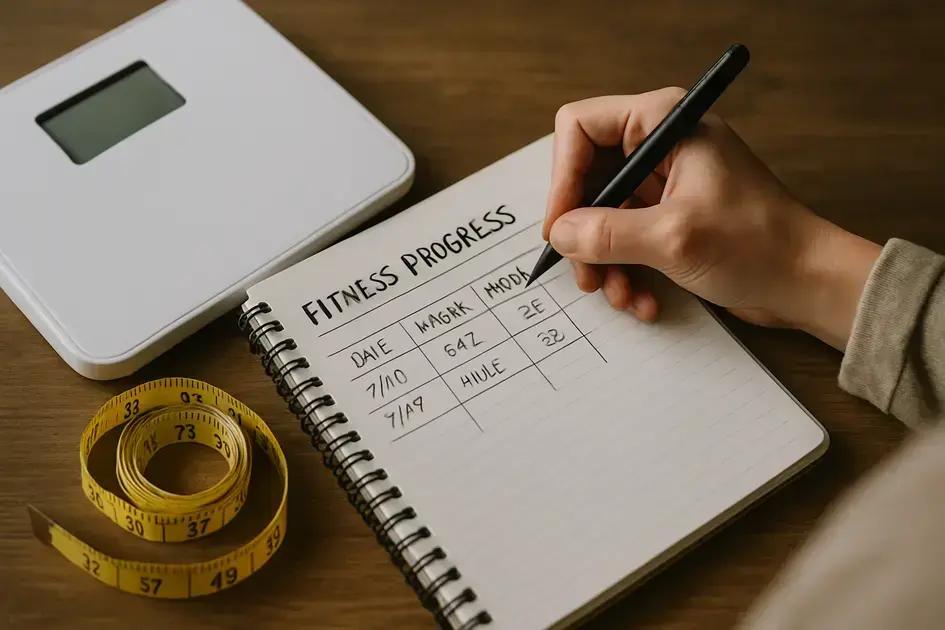
Tracking your progress effectively is essential in a weight loss journey. It helps you see what’s working and where you might need to adjust your efforts. Here are some tips on how to track your progress.
Keep a Fitness Journal
Writing down your workouts, meals, and how you feel can provide valuable insight. A fitness journal allows you to notice patterns and celebrate small victories.
Use Fitness Apps
There are many fitness apps available that can help you track your workouts and nutrition. These apps often come with features like calorie counting, workout logs, and progress charts, making it easy to monitor your goals.
Take Measurements
In addition to tracking weight, take body measurements. Measure your waist, hips, arms, and legs to see how your body is changing. Sometimes the scale doesn’t reflect your hard work, but measurements can show real progress.
Regular Check-Ins
Schedule regular check-ins with yourself. Whether it’s weekly or biweekly, take time to assess how far you’ve come. Reflect on your achievements and consider what adjustments are necessary moving forward.
Celebrate Milestones
Recognize and celebrate your milestones along the way. Whether it’s losing a certain number of pounds or sticking to your workout schedule for a month, acknowledging your achievements can boost motivation.
The importance of recovery days
Recovery days are a crucial part of any fitness routine. They allow your body to heal and prevent injuries while maximizing the benefits of your workouts. Here are some important points about the importance of recovery days.
Muscle Repair and Growth
After intense workouts, your muscles need time to repair and grow stronger. During recovery days, your body works to rebuild the muscle fibers that were stressed during exercise. This process leads to improved strength and performance over time.
Preventing Overtraining
Overtraining can lead to fatigue, decreased performance, and even injuries. By scheduling recovery days, you give your body a chance to rest and recharge, which can help you avoid these negative effects.
Improving Performance
Taking recovery days can actually enhance your overall performance. When you allow your body to rest, you come back stronger and more energized. This can lead to better workouts and more effective training sessions.
Injury Prevention
Incorporating rest days into your routine can help reduce the risk of injuries. When your muscles, joints, and connective tissues are given time to recover, the chances of strains or sprains decrease significantly.
Listening to Your Body
It’s important to listen to your body. If you feel excessively sore, fatigued, or unmotivated, it may be a sign that you need a recovery day. Don’t ignore these signals; taking a break can be beneficial.
Nutrition tips to complement workouts
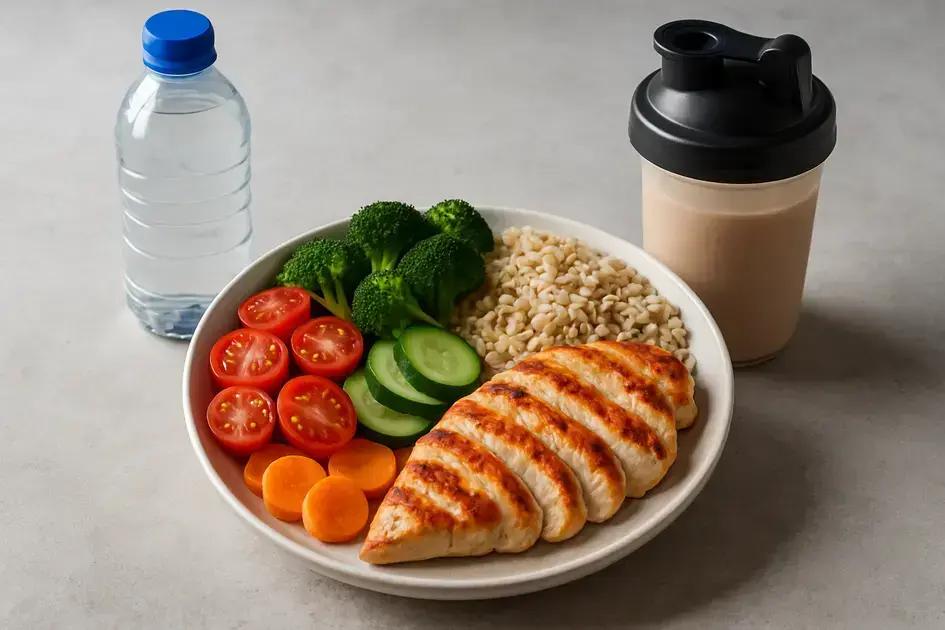
Nutrition plays a vital role in complementing your workouts. What you eat can greatly influence your performance, recovery, and overall fitness goals. Here are some essential nutrition tips to consider.
Fuel Up Before Workouts
Eating a small meal or snack before exercising can provide your body with the energy it needs. Focus on foods that are high in carbohydrates and low in fat, such as bananas, oatmeal, or whole-grain bread.
Hydrate Adequately
Staying hydrated is crucial for optimal performance. Drink plenty of water before, during, and after your workout. Consider electrolyte drinks if you’re exercising for extended periods or in hot conditions.
Post-Workout Nutrition
After exercising, aim to eat a balanced meal that includes protein and carbohydrates. This can aid in muscle recovery and replenish energy stores. Foods like grilled chicken with quinoa or a protein smoothie with fruits are excellent choices.
Incorporate Healthy Fats
Healthy fats, such as those found in avocados, nuts, and olive oil, are essential for overall health. They help in nutrient absorption and can provide long-lasting energy. Include them in moderation in your meals.
Plan Your Meals
Meal planning can help ensure you are eating a balanced diet that meets your nutritional needs. Prepare healthy meals ahead of time to avoid unhealthy choices during busy days.
Overcoming gym intimidation
Overcoming gym intimidation is a common challenge for many people, especially beginners. It’s natural to feel nervous in a new environment full of experienced gym-goers. Here are some tips to help you feel more confident and comfortable.
Start with a Plan
Having a workout plan can reduce anxiety. Know what exercises you want to do before you arrive. This can help you focus on your goals rather than worrying about what others are thinking.
Choose Off-Peak Hours
Try to go to the gym during less busy times. Visiting during off-peak hours can give you more space to exercise and less pressure from others around you.
Bring a Friend
Working out with a friend can make the experience less intimidating. A workout buddy can motivate you, provide support, and make the gym feel like a more welcoming place.
Start with Familiar Equipment
If you’re new to the gym, focus on equipment you know how to use. Whether it’s the treadmill, stationary bike, or basic weights, starting with familiar tools can build your confidence.
Remember Everyone Was a Beginner
Keep in mind that everyone starts somewhere. Often, people at the gym are focused on their own workouts and may not notice you. Reminders of your own progress can help you realize that you’re not alone.
Focus on Yourself
Instead of comparing yourself to others, concentrate on your fitness journey. Celebrate your small victories and progress, no matter how subtle. This mindset shift can help you feel empowered and self-assured.
Finding a workout buddy

Finding a workout buddy can make your fitness journey more enjoyable and motivating. Having someone to share your goals with can make a significant difference in staying committed. Here are some tips for finding the right workout partner.
Look for Common Goals
When searching for a workout buddy, find someone who shares similar fitness goals. Whether you’re both aiming to lose weight, build muscle, or simply stay active, shared goals can keep you both motivated and accountable.
Consider Compatibility
Choose a partner whose schedule and workout style match yours. If one of you prefers morning workouts and the other prefers evenings, it might be challenging to stick to a routine together. Look for someone who fits well into your lifestyle.
Join Group Classes
Participating in group fitness classes can help you meet potential workout buddies. Many people join classes looking for companionship and motivation. This social environment can foster connections with like-minded individuals.
Use Social Media and Apps
Social media platforms and fitness apps often have features for connecting with others. You can find workout partners in your area by using these tools. Many fitness communities online encourage participants to find workout buddies.
Communicate Openly
Once you’ve found a workout buddy, maintain open communication about your fitness goals, preferences, and any limitations. This will help you create a supportive environment for both of you to thrive.
The impact of group classes
Group classes at the gym offer a unique way to exercise and can have a positive impact on your fitness journey. Participating in these classes can bring various benefits that enhance motivation and enjoyment. Here are some key aspects of the impact of group classes.
Increased Motivation
Being part of a group can significantly boost your motivation. When you see others pushing themselves, it encourages you to give your best effort. This collective energy can make your workouts more enjoyable and challenging.
Accountability
When you join a group class, you often commit to attending regularly. This accountability can help you stick to your fitness routine and make it less likely that you’ll skip workouts. The presence of others can keep you focused on your goals.
Variety in Workouts
Group classes often introduce a level of variety that may be hard to achieve in solo workouts. From aerobics to yoga to spinning, these classes can expose you to new exercises and training techniques, keeping your routine fresh and exciting.
Social Interaction
Exercising in a group allows for social interaction, which can make workouts feel less intimidating and more fun. Developing friendships with fellow participants can create a supportive community that encourages you to stay committed to your fitness goals.
Expert Instruction
Most group classes are led by certified instructors who provide guidance on proper form and technique. This expert instruction can enhance your workout experience and help reduce the risk of injury, making it a safer option than exercising alone.
Staying motivated through challenges

Staying motivated through challenges is crucial for maintaining a successful fitness routine. Everyone faces obstacles, but how you respond to them can determine your overall success. Here are some tips to help keep your motivation high, even in tough times.
Set Clear Goals
Having clear and achievable goals can give you something to focus on. Break larger goals into smaller, manageable steps that you can celebrate along the way. This makes it easier to keep going when you encounter obstacles.
Track Your Progress
Keeping track of your progress can boost your motivation. Use a journal or an app to record your workouts and any changes in your body. Seeing how far you’ve come can be a powerful reminder to keep pushing through challenges.
Visualize Success
Visualizing your success can help maintain your motivation. Picture yourself achieving your goals—whether it’s finishing a race, lifting heavier weights, or fitting into your favorite clothes. This mental practice can fuel your determination.
Find Inspiration
Surround yourself with motivational quotes, success stories, or images that inspire you. Joining a community or following fitness influencers on social media can provide additional encouragement and tips to help you stay focused.
Be Flexible with Your Approach
If you encounter challenges, be willing to adjust your approach. Life can be unpredictable, and sometimes you need to change your workout schedule or how you eat. Being flexible can help you adapt without losing sight of your goals.
Adjusting your routine as you progress
Adjusting your routine as you progress is key to achieving long-term fitness success. As your body adapts, it’s important to change your workouts to continue challenging yourself. Here are some strategies to effectively adjust your routine.
Monitor Your Progress
Regularly tracking your progress is essential. Keep a journal or use an app to log workouts, weights, and personal bests. This information helps you see where improvements can be made and when to adjust your routine.
Change Up Your Exercises
If you find that your workouts are becoming too easy, it may be time to change your exercises. Incorporate new activities like cross-training or try different equipment to keep your workouts fresh and engaging.
Increase Intensity or Volume
As you get stronger, gradually increase the intensity or volume of your workouts. This can mean lifting heavier weights, increasing your cardio duration, or adding more sets and repetitions to your exercises.
Set New Goals
Once you achieve your initial goals, set new and more challenging ones. This can help maintain your motivation and push you to continue improving. Whether it’s running a faster mile or completing more push-ups, new goals keep you focused.
Listen to Your Body
It’s important to listen to your body as you adjust your routine. If you feel fatigued or sore, consider incorporating more recovery time or lower intensity workouts. Understanding your body’s signals can help prevent injuries.
Listening to your body for optimal results
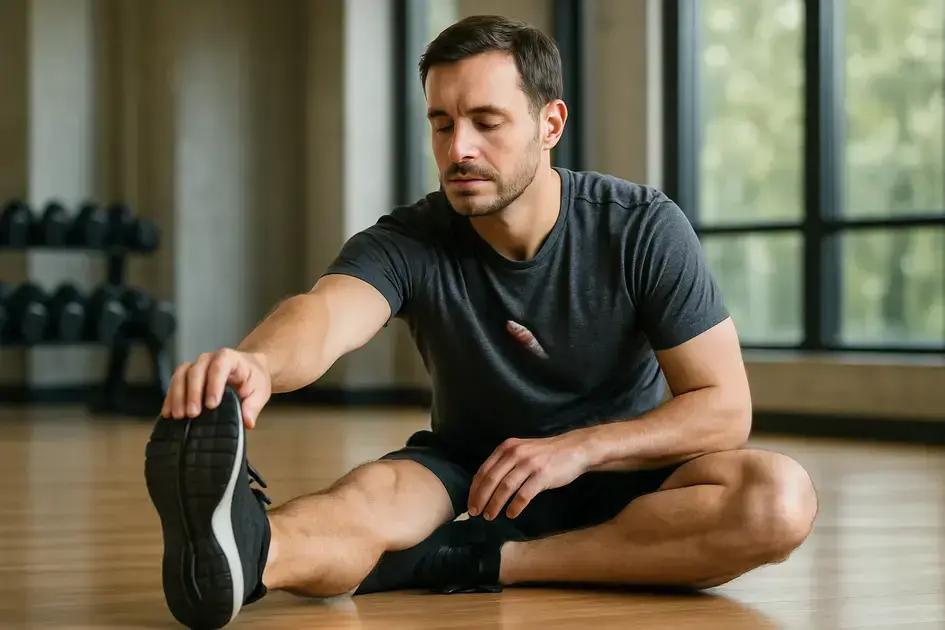
Listening to your body is essential for achieving optimal results in your fitness journey. Understanding your body’s signals can help you improve performance and prevent injuries. Here are some important aspects to consider when it comes to tuning into your body.
Pay Attention to Signs of Fatigue
When you feel tired, it’s crucial to acknowledge it. Fatigue can be a sign that your body needs more rest. Ignoring these signs may lead to burnout or injury. Allow yourself rest days to recover and recharge.
Recognize Discomfort vs. Pain
It’s normal to feel discomfort when trying new exercises or pushing your limits. However, it’s essential to differentiate between discomfort and pain. If you experience sharp pain, stop immediately and assess the situation. Pain can be an indication of an injury.
Modify Workouts as Needed
If you notice certain exercises cause discomfort, do not hesitate to modify them or switch to alternatives. Finding what works best for your body is vital for continued progress and can help you avoid injury.
Stay Hydrated
Dehydration can lead to fatigue and decreased performance. Listen to your body’s thirst cues and be sure to hydrate before, during, and after workouts. Staying properly hydrated supports overall performance.
Schedule Regular Check-Ins
Regularly assessing your physical and mental state can lead you to understand your body’s needs better. Use these check-ins to evaluate how you feel about your workouts, energy levels, and overall well-being.
In conclusion, achieving your fitness goals is a journey
Staying active and healthy requires a combination of motivation, proper nutrition, and listening to your body. From finding a workout buddy to recognizing when to adjust your routine, every step counts.
Group classes and monitoring your progress can also keep your workouts fresh and engaging. As you progress, remember to adapt your routine to continue challenging yourself and to ensure you are getting the most out of your efforts.
Embrace the process and celebrate your achievements, no matter how small. By practicing patience, consistency, and self-awareness, you can reach your fitness goals and maintain a balanced lifestyle.
FAQ – Frequently Asked Questions about Fitness and Health
How can I stay motivated to reach my fitness goals?
Setting clear and achievable goals, tracking your progress, and finding a workout buddy can greatly boost your motivation.
What should I do if I feel overwhelmed at the gym?
Consider going during off-peak hours, starting with familiar exercises, and bringing a friend to ease your anxiety.
How often should I adjust my workout routine?
You should evaluate and adjust your routine every few weeks or whenever you feel that your workouts are becoming too easy.
What are the benefits of group classes?
Group classes provide motivation, accountability, expert instruction, and a sense of community that encourages consistent attendance.
How do I listen to my body during workouts?
Pay attention to signs of fatigue, differentiate between discomfort and pain, and ensure you modify exercises as needed.
What role does nutrition play in my fitness journey?
Proper nutrition fuels your workouts and helps with recovery. Eating balanced meals and staying hydrated are crucial for optimal performance.

