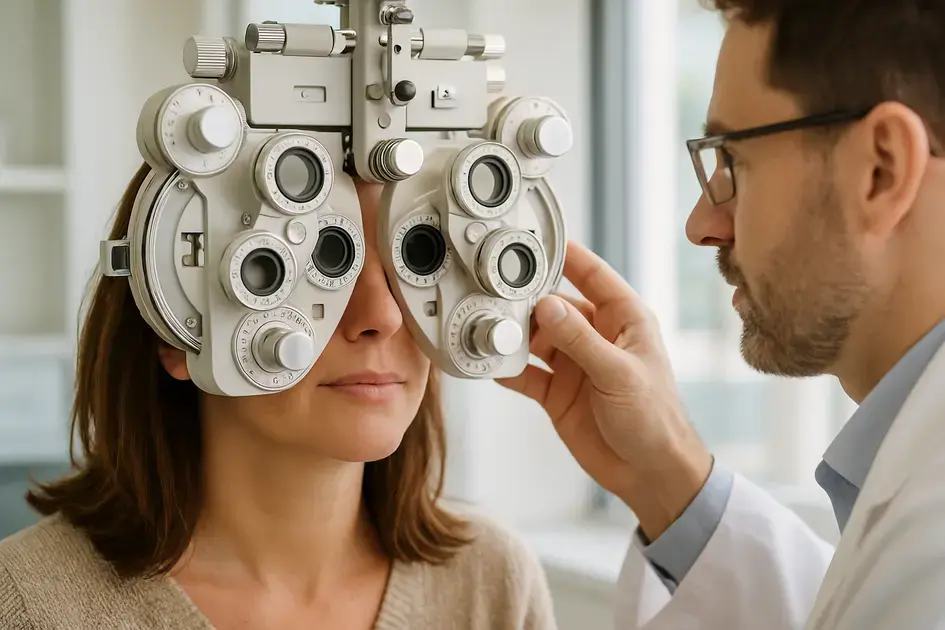
An annual eye exam checklist for adults includes vision tests, eye pressure measurements, and internal eye structure examinations to detect early signs of glaucoma, macular degeneration, and cataracts. Regular exams ensure timely intervention and clear vision, also providing insights into systemic health.
Ever wondered what goes into a annual eye exam checklist for adults? You might be surprised how much your eyes can reveal about your overall health. Let’s explore what usually happens and why these exams matter more than you think.
Understanding the importance of an annual eye exam
Annual eye exams are vital for maintaining overall health, as they go beyond just checking your vision. They help in the early detection of various eye diseases and can even provide insights into systemic health conditions.
Early Disease Detection
Regular eye exams can identify conditions like glaucoma, macular degeneration, and cataracts in their early stages. Early detection often leads to more effective treatment and can prevent significant vision loss.
Insights into Systemic Health
An eye exam can sometimes reveal signs of other health issues, such as diabetes or high blood pressure. The blood vessels in the retina provide a direct view of the circulatory system, allowing optometrists to spot abnormalities that may indicate broader health concerns.
Maintaining Clear Vision
Even if you think your vision is fine, an annual exam can uncover subtle changes that require correction. Ensuring you have the right prescription for your glasses or contacts is essential for comfortable and clear vision.
Who Should Get Annual Eye Exams?
Annual eye exams are especially important for children, adults over 40, and individuals with a family history of eye diseases. Regular exams ensure that any vision changes or potential issues are addressed promptly, promoting long-term eye health.
Preparing for your eye exam: what to bring and expect

Getting ready for your eye exam involves gathering key information and understanding what the appointment entails. Proper preparation ensures a smooth and thorough assessment of your vision and eye health.
What to Bring to Your Eye Exam
Bring your current glasses or contact lenses, a list of any medications you’re taking, and your insurance information. If you have a family history of eye diseases, note that down as well. This information helps the optometrist understand your specific needs and risks.
Questions to Ask Your Eye Doctor
Prepare a list of questions or concerns you have about your vision or eye health. Common questions include: What is my prescription? Are there any signs of eye disease? What steps can I take to improve or maintain my vision?
What to Expect During the Exam
During the exam, expect various tests to assess your vision, eye movement, and overall eye health. These tests may include visual acuity tests, refraction tests, and evaluations for eye diseases like glaucoma or cataracts.
Dilation and Its Effects
Be aware that your eyes may be dilated, which can cause temporary light sensitivity and blurred vision. If you anticipate dilation, consider bringing sunglasses and arranging for someone to drive you home, as your vision may be impaired for a few hours.
Medical history questions commonly asked during eye exams
During an eye exam, your optometrist will ask about your medical history to understand potential risk factors for eye conditions. This information is crucial for providing personalized care and detecting early signs of eye diseases.
Family History of Eye Diseases
Providing details about your family’s history of eye problems is important, as many conditions, like glaucoma and macular degeneration, have a genetic component. Knowing this information can help your optometrist assess your risk and recommend appropriate screening measures.
Personal Medical Conditions
Be prepared to discuss any personal medical conditions you have, such as diabetes, high blood pressure, or autoimmune diseases. These conditions can affect your eye health and may require specific attention during the exam.
Medications and Allergies
Share a complete list of medications and allergies you have. Some medications can have side effects that impact your vision or eye health. Allergies can also influence the types of eye drops or treatments your optometrist might recommend.
Lifestyle Factors
Your optometrist might also inquire about lifestyle factors, such as smoking, diet, and screen time habits. These factors can influence your risk of developing eye conditions and provide insights into how to maintain optimal eye health.
Importance of Honesty and Detail
Providing honest and detailed answers to these medical history questions is essential for an accurate assessment and effective eye care. This information allows your optometrist to tailor your exam and treatment plan to your specific needs.
Vision tests included in a typical eye exam

A typical eye exam includes a series of vision tests designed to assess different aspects of your sight. These tests help determine your visual acuity, detect refractive errors, and evaluate your eye coordination and focusing ability.
Visual Acuity Tests
Visual acuity is usually tested using a Snellen chart, where you read letters of decreasing size from a distance. This test measures how clearly you can see at various distances and helps determine if you need glasses or contact lenses.
Refraction Tests
Refraction tests determine your exact prescription by measuring how your eye focuses light. This can be done with a phoropter, a device that contains lenses of different strengths, or with an automated refractor that provides an objective measurement.
Color Blindness Testing
Color vision is often tested using Ishihara plates, which display patterns of colored dots. This test helps identify deficiencies in your ability to distinguish certain colors, which can indicate color blindness.
Cover Test
The cover test assesses how well your eyes work together. The optometrist will cover one eye and observe the movement of the other eye. This helps detect strabismus or other binocular vision problems.
Depth Perception Test
Depth perception is tested to evaluate your ability to see objects in three dimensions. This test is important for tasks like driving and sports, where judging distances accurately is crucial.
Checking for common eye diseases during exams
A significant part of an eye exam involves checking for common eye diseases such as glaucoma, cataracts, and macular degeneration. Early detection and treatment are crucial for preventing vision loss and maintaining eye health.
Glaucoma Screening
Glaucoma is often detected by measuring the pressure inside your eye (intraocular pressure) and examining the optic nerve. High eye pressure can damage the optic nerve, leading to vision loss. Regular screening is especially important for those with a family history of glaucoma.
Cataract Evaluation
Cataracts are assessed by examining the lens of your eye for clouding. Early cataracts may not significantly affect vision, but as they progress, they can cause blurred vision and sensitivity to light. The severity of cataracts can be monitored during routine eye exams.
Macular Degeneration Assessment
Macular degeneration is checked by examining the macula, the central part of your retina. Signs of macular degeneration include drusen (yellow deposits) and changes in the pigmentation of the macula. Early detection can lead to interventions that slow the progression of the disease.
Diabetic Retinopathy Screening
For individuals with diabetes, screening for diabetic retinopathy is crucial. This involves examining the blood vessels in the retina for signs of damage caused by high blood sugar levels. Early detection and management of diabetic retinopathy can prevent vision loss.
Other Eye Conditions
Eye exams also check for other conditions such as dry eye syndrome, blepharitis, and conjunctivitis. Identifying and treating these conditions can improve comfort and prevent further complications.
How eye pressure is measured and why it matters

Measuring eye pressure, also known as intraocular pressure (IOP), is a critical part of a comprehensive eye exam. Elevated IOP is a major risk factor for glaucoma, a condition that can lead to irreversible vision loss if left untreated.
Methods of Measuring Eye Pressure
There are several methods for measuring IOP, including:
- Applanation Tonometry: This involves using a tonometer to gently flatten a small area of the cornea. The amount of force required to flatten the cornea is used to estimate IOP.
- Non-Contact Tonometry (Air Puff Test): This method uses a puff of air to flatten the cornea. While less invasive, it may be less accurate than applanation tonometry.
- Tonopen: This handheld device is used to measure IOP by gently touching the cornea. It’s often used when applanation tonometry is difficult or not possible.
Why Eye Pressure Measurement Matters
Elevated IOP can damage the optic nerve, which transmits visual information from the eye to the brain. Over time, this damage can lead to blind spots in your vision and, eventually, complete vision loss. Regular IOP measurements help detect glaucoma early, allowing for timely intervention and treatment.
Normal Eye Pressure Range
Normal eye pressure typically ranges from 10 to 21 mmHg (millimeters of mercury). However, it’s important to note that some people can develop glaucoma even with IOP within the normal range (normal-tension glaucoma), while others may have elevated IOP without any signs of optic nerve damage (ocular hypertension).
Follow-Up and Monitoring
If your IOP is elevated or if you have other risk factors for glaucoma, your optometrist may recommend additional tests, such as visual field testing or optical coherence tomography (OCT) of the optic nerve. Regular follow-up appointments are essential for monitoring your eye pressure and detecting any changes that may require treatment.
The role of pupil dilation in comprehensive eye exams
Pupil dilation is a common procedure during comprehensive eye exams that allows the optometrist to get a better view of the internal structures of your eye. By widening the pupils, the doctor can more easily examine the retina, optic nerve, and blood vessels.
Why Pupil Dilation Is Necessary
Dilation is crucial for detecting and monitoring various eye conditions, including:
- Macular Degeneration: Dilation allows for a clearer view of the macula, making it easier to detect early signs of macular degeneration.
- Diabetic Retinopathy: Examining the blood vessels in the retina is essential for detecting diabetic retinopathy, and dilation provides the necessary visibility.
- Glaucoma: Dilation helps the optometrist assess the optic nerve for signs of damage caused by glaucoma.
- Retinal Detachment or Tears: Dilation allows for a thorough examination of the peripheral retina, helping to identify any detachments or tears.
The Dilation Process
Dilation involves using eye drops that cause the pupils to widen. It typically takes about 20-30 minutes for the drops to take full effect. During this time, your vision may become blurry, and you may experience increased sensitivity to light.
What to Expect After Dilation
After dilation, your vision may remain blurry for several hours. It’s recommended to wear sunglasses to protect your eyes from bright light. Many people find it difficult to read or drive immediately after dilation, so it’s a good idea to arrange for transportation or plan to rest your eyes.
Alternatives to Dilation
While dilation is typically recommended for comprehensive eye exams, there are some alternatives, such as:
- Optomap Retinal Imaging: This technology allows for a wide-field view of the retina without dilation in some cases. However, it may not provide as detailed a view as a dilated exam.
Discussing your concerns with your optometrist can help determine the best approach for your individual needs.
Understanding color blindness and how it’s tested

Color blindness, also known as color vision deficiency, is the inability to distinguish certain colors. It affects a significant portion of the population, primarily males. Understanding color blindness and how it’s tested is an important part of a comprehensive eye exam.
What Is Color Blindness?
Color blindness occurs when one or more of the cone cells in the retina are either absent, malfunctioning, or detect a different color than normal. The most common type is red-green color blindness, where individuals have difficulty distinguishing between red and green hues.
Types of Color Blindness
There are several types of color blindness, including:
- Deuteranomaly: The most common type of red-green color blindness, where green is perceived differently.
- Protanomaly: Another form of red-green color blindness, where red is perceived differently.
- Protanopia: Complete red color blindness.
- Deuteranopia: Complete green color blindness.
- Tritanomaly: A rare form of blue-yellow color blindness.
- Tritanopia: Complete blue color blindness (very rare).
- Monochromacy: Complete color blindness, where only shades of gray are perceived (extremely rare).
How Color Blindness Is Tested
Color blindness is typically tested using:
- Ishihara Color Test: This test uses a series of plates with colored dots forming numbers or patterns. Individuals with normal color vision can easily see the numbers, while those with color blindness may not be able to distinguish them.
- Farnsworth D-15 Test: This test involves arranging colored caps in order of hue. It’s used to identify and classify color vision deficiencies.
Impact of Color Blindness
While color blindness doesn’t usually cause significant vision impairment, it can affect daily activities such as:
- Reading traffic lights
- Choosing matching clothes
- Interpreting color-coded information
Management and Correction
There is no cure for color blindness, but some strategies and tools can help manage its effects, such as:
- Colored lenses or filters
- Assistive apps and devices
- Education and awareness
When and why your doctor might recommend additional imaging tests
In some cases, a standard eye exam may not provide enough information for a complete diagnosis. Your eye doctor might recommend additional imaging tests to get a more detailed view of the structures inside your eye. These tests can help detect and monitor various eye conditions and diseases.
Common Imaging Tests
Here are some common imaging tests used in eye care:
- Optical Coherence Tomography (OCT): OCT is a non-invasive imaging technique that uses light waves to capture cross-sectional images of the retina. It’s used to diagnose and monitor conditions like macular degeneration, glaucoma, and diabetic retinopathy.
- Fundus Photography: This involves taking photographs of the back of your eye (the fundus), including the retina, optic disc, and blood vessels. It’s used to document and monitor changes over time.
- Fluorescein Angiography: This test involves injecting a dye (fluorescein) into your bloodstream and taking photographs of the retina as the dye circulates. It’s used to evaluate blood vessel abnormalities in conditions like diabetic retinopathy and macular degeneration.
- Ultrasound: Eye ultrasound uses sound waves to create images of the internal structures of the eye. It’s used when the view of the retina is blocked by cataracts or other conditions.
- Visual Field Testing: While not strictly an imaging test, visual field testing measures the range of your peripheral vision and can help detect glaucoma and other conditions that affect the optic nerve.
Reasons for Additional Imaging
Your doctor might recommend additional imaging tests if:
- They suspect glaucoma or want to monitor its progression.
- You have symptoms of macular degeneration.
- You have diabetes and need to be screened for diabetic retinopathy.
- You have a family history of eye disease.
- They need a more detailed view of the retina or optic nerve.
What to Expect During Imaging Tests
Most imaging tests are non-invasive and painless. Some tests may require pupil dilation. Fluorescein angiography involves injecting a dye, which can cause temporary yellowing of the skin and urine. Your doctor will explain the procedure and any potential side effects before the test.
Interpreting Results
After the imaging tests, your doctor will review the images and discuss the results with you. They will explain any abnormalities or concerns and recommend appropriate treatment or follow-up care.
Signs that indicate a need for more frequent eye exams

While annual eye exams are generally recommended, certain signs and symptoms may indicate the need for more frequent visits to your eye doctor. Recognizing these signs can help ensure early detection and treatment of potential eye problems.
Changes in Vision
Any sudden or gradual changes in your vision should prompt a visit to your eye doctor. These changes may include:
- Blurred Vision: Difficulty seeing clearly at near or far distances.
- Double Vision: Seeing two images of a single object.
- Halos Around Lights: Seeing rings of light around light sources, which can be a sign of glaucoma.
- Floaters and Flashes: Small spots or streaks that drift across your field of vision, or sudden flashes of light, which can indicate a retinal problem.
Eye Pain or Discomfort
Persistent eye pain, redness, or discomfort should not be ignored. These symptoms may indicate:
- Infection: Such as conjunctivitis or keratitis.
- Dry Eye Syndrome: Causing irritation and blurred vision.
- Foreign Body: A particle lodged in the eye causing discomfort.
Headaches or Eye Strain
Frequent headaches, especially those associated with visual tasks like reading or computer use, may indicate:
- Uncorrected Refractive Error: Needing a new or updated glasses prescription.
- Binocular Vision Problems: Difficulty with eye coordination.
Medical Conditions
Certain medical conditions increase the risk of eye problems and may necessitate more frequent eye exams. These include:
- Diabetes: Increased risk of diabetic retinopathy.
- High Blood Pressure: Can cause damage to blood vessels in the retina.
- Autoimmune Diseases: Such as lupus or rheumatoid arthritis, which can affect the eyes.
Age-Related Factors
As you age, the risk of developing age-related eye conditions increases, warranting more frequent exams:
- Over Age 60: Increased risk of cataracts, glaucoma, and macular degeneration.
- Family History: A family history of eye disease increases your personal risk.
If you experience any of these signs or symptoms, schedule an eye exam promptly to ensure your eyes are healthy and your vision is clear.
How to discuss changes in your vision with your eye care provider
Effectively communicating changes in your vision to your eye care provider is essential for accurate diagnosis and appropriate treatment. Here’s how to discuss your vision changes clearly and comprehensively.
Be Specific About Your Symptoms
Instead of saying “my vision is bad,” provide detailed descriptions. For example:
- Blurry Vision: “My vision is blurry when I look at distant objects, especially when driving at night.”
- Double Vision: “I see two images when I try to read, and it gets worse when I’m tired.”
- Difficulty with Night Vision: “I have trouble seeing in low light, and headlights seem very bright.”
- Loss of Peripheral Vision: “I bump into things on the sides because I don’t see them.”
Note When the Changes Started
Provide a timeline of when you first noticed the changes. Was it sudden or gradual? Has it been constant, or does it come and go? For example:
- “I first noticed the blurriness about three months ago, and it’s been getting progressively worse.”
- “The double vision started suddenly last week after I had a bad headache.”
Describe Activities Affected
Explain how the vision changes impact your daily activities. This helps your eye care provider understand the severity of the problem. Examples include:
- “I can no longer read without getting a headache.”
- “I’m having difficulty driving, especially at night.”
- “I can’t see the computer screen clearly at work.”
List Any Associated Symptoms
Mention any other symptoms you’re experiencing, such as:
- Eye Pain: “My eyes hurt, especially after reading for a long time.”
- Headaches: “I get frequent headaches, particularly behind my eyes.”
- Dryness or Irritation: “My eyes feel dry and gritty.”
- Light Sensitivity: “Bright lights bother my eyes.”
Bring a List of Questions
Prepare a list of questions you want to ask during the appointment. This ensures you don’t forget anything important. Examples include:
- “What could be causing these vision changes?”
- “Are there any treatments or solutions available?”
- “How often should I come back for follow-up exams?”
Be Open and Honest
Be honest about your medical history, lifestyle, and any concerns you have. This helps your eye care provider make an accurate diagnosis and recommend the best course of action.
Tips for choosing the right eyewear after your exam

Choosing the right eyewear after your eye exam involves considering several factors, including your prescription, lifestyle, and personal style. Here are some tips to help you select the best glasses or contact lenses for your needs.
Understanding Your Prescription
Your eye care provider will give you a prescription that includes information about your refractive error (nearsightedness, farsightedness, astigmatism) and any additional vision correction you need. Understand what each part of the prescription means and how it affects your vision.
Choosing Frames for Glasses
When selecting frames for glasses, consider:
- Face Shape: Choose frames that complement your face shape. For example, round faces often look good with angular frames, while square faces benefit from rounder frames.
- Frame Size: Ensure the frames fit comfortably and don’t slide down your nose. The width of the frames should be proportional to the width of your face.
- Material: Consider the material of the frames. Options include plastic, metal, titanium, and more. Each material has different properties in terms of weight, durability, and style.
- Style: Choose frames that reflect your personal style and make you feel confident. Consider the color, shape, and overall design of the frames.
Selecting Lenses for Glasses
The lenses you choose are just as important as the frames. Consider:
- Lens Material: Options include plastic, polycarbonate, and high-index lenses. Polycarbonate lenses are more impact-resistant, while high-index lenses are thinner and lighter for stronger prescriptions.
- Lens Coatings: Consider adding coatings such as anti-reflective coating, scratch-resistant coating, and UV protection.
- Progressive Lenses: If you need correction for both distance and near vision, progressive lenses (no-line bifocals) may be a good option.
Choosing Contact Lenses
If you prefer contact lenses, consider:
- Lens Type: Options include soft lenses, gas permeable lenses, and hybrid lenses. Soft lenses are more comfortable, while gas permeable lenses provide sharper vision for some individuals.
- Wearing Schedule: Decide whether you want daily disposable lenses, bi-weekly lenses, or monthly lenses. Daily disposables are more convenient and hygienic.
- Corrective Needs: Ensure the lenses correct your vision properly, including any astigmatism or presbyopia.
Consider Your Lifestyle
Think about your daily activities and choose eyewear that suits your lifestyle. If you’re active, consider durable frames and lenses. If you work at a computer, consider lenses with blue light filtering.
Get a Professional Fitting
Once you’ve chosen your eyewear, have a professional fitting to ensure they fit properly and comfortably. This will help you see clearly and avoid discomfort or eye strain.
Lifestyle factors that affect your eye health
Your lifestyle choices can significantly impact your eye health. Adopting healthy habits can help protect your vision and reduce the risk of developing eye diseases. Here are some key lifestyle factors to consider:
Diet and Nutrition
A balanced diet rich in vitamins and antioxidants is essential for eye health. Include foods like:
- Leafy Green Vegetables: Such as spinach and kale, which are rich in lutein and zeaxanthin, antioxidants that protect against macular degeneration and cataracts.
- Orange and Yellow Fruits and Vegetables: Like carrots, sweet potatoes, and citrus fruits, which are high in vitamin C and beta-carotene, supporting overall eye health.
- Fatty Fish: Such as salmon, tuna, and mackerel, which are rich in omega-3 fatty acids, important for preventing dry eye and macular degeneration.
Smoking
Smoking is a major risk factor for several eye diseases, including:
- Macular Degeneration: Smokers are more likely to develop macular degeneration than non-smokers.
- Cataracts: Smoking increases the risk of developing cataracts.
- Optic Nerve Damage: Smoking can damage the optic nerve, leading to vision loss.
Quitting smoking can significantly reduce your risk of these and other health problems.
Screen Time and Digital Eye Strain
Prolonged screen time can lead to digital eye strain, characterized by:
- Eye Fatigue: Feeling tired and strained after using digital devices.
- Dry Eyes: Reduced blinking while using screens can lead to dry eye.
- Blurred Vision: Difficulty focusing after prolonged screen use.
To reduce digital eye strain:
- Follow the 20-20-20 Rule: Every 20 minutes, look at something 20 feet away for 20 seconds.
- Use Artificial Tears: To keep your eyes lubricated.
- Adjust Screen Settings: Reduce glare and adjust brightness and contrast.
Sun Exposure
Prolonged exposure to ultraviolet (UV) radiation can damage your eyes and increase the risk of:
- Cataracts: UV exposure can accelerate the development of cataracts.
- Macular Degeneration: UV radiation can damage the macula.
- Pterygium: A growth on the cornea caused by sun exposure.
Wear sunglasses that block 100% of UVA and UVB rays to protect your eyes from the sun.
Sleep
Getting enough sleep is important for overall health, including eye health. Lack of sleep can lead to:
- Eye Strain: Fatigue can exacerbate eye strain and discomfort.
- Dry Eyes: Sleep deprivation can disrupt tear production.
- Blurred Vision: Lack of sleep can affect visual clarity.
Aim for 7-8 hours of quality sleep each night.
How nutrition influences your vision

Proper nutrition plays a crucial role in maintaining healthy vision and preventing eye diseases. Certain vitamins, minerals, and antioxidants can protect your eyes from damage and support optimal visual function. Here’s how nutrition influences your vision:
Key Nutrients for Eye Health
Several nutrients are particularly important for eye health:
- Vitamin A: Essential for maintaining the surface of the eye (cornea) and for night vision. Sources include carrots, sweet potatoes, and liver.
- Vitamin C: A powerful antioxidant that protects against oxidative damage and supports the health of blood vessels in the eye. Sources include citrus fruits, berries, and bell peppers.
- Vitamin E: Another antioxidant that protects against cell damage and supports overall eye health. Sources include almonds, sunflower seeds, and vegetable oils.
- Lutein and Zeaxanthin: Antioxidants that accumulate in the retina and protect against macular degeneration and cataracts. Sources include leafy green vegetables, such as spinach and kale.
- Omega-3 Fatty Acids: Important for preventing dry eye and supporting the health of the retina. Sources include fatty fish, flaxseeds, and walnuts.
- Zinc: Helps transport vitamin A from the liver to the retina and is important for overall eye health. Sources include oysters, beef, and pumpkin seeds.
Foods to Support Vision
Incorporating these foods into your diet can help support your vision:
- Leafy Green Vegetables: Spinach, kale, and collard greens are rich in lutein and zeaxanthin.
- Orange and Yellow Fruits and Vegetables: Carrots, sweet potatoes, and bell peppers provide vitamin A and beta-carotene.
- Citrus Fruits and Berries: Oranges, grapefruit, strawberries, and blueberries are excellent sources of vitamin C.
- Nuts and Seeds: Almonds, sunflower seeds, and flaxseeds provide vitamin E and omega-3 fatty acids.
- Fatty Fish: Salmon, tuna, and mackerel are rich in omega-3 fatty acids.
The Impact of Poor Nutrition
A diet lacking in essential nutrients can increase the risk of developing eye diseases:
- Macular Degeneration: Poor intake of lutein, zeaxanthin, and omega-3 fatty acids increases the risk.
- Cataracts: Low levels of antioxidants like vitamin C and vitamin E may contribute to cataract formation.
- Dry Eye Syndrome: Inadequate intake of omega-3 fatty acids can worsen dry eye symptoms.
Supplements
If you have difficulty getting enough nutrients from your diet, consider taking supplements. Consult with your doctor or a registered dietitian to determine the right supplements for your needs.
Hydration
Staying hydrated is also important for eye health. Dehydration can worsen dry eye symptoms. Drink plenty of water throughout the day to keep your eyes lubricated.
What to do if your eye exam reveals a problem
If your eye exam reveals a problem, it’s important to take the appropriate steps to manage and treat the condition. Here’s what to do:
Understand the Diagnosis
Ask your eye care provider to explain the diagnosis clearly. Make sure you understand:
- What the condition is: Get a clear explanation of the eye problem you have been diagnosed with.
- What the causes are: Understand what may have caused the condition.
- How it will affect your vision: Know the potential impact on your vision and daily life.
- What the treatment options are: Learn about the available treatments and their potential benefits and risks.
Follow Your Eye Care Provider’s Recommendations
Adhere to the treatment plan recommended by your eye care provider. This may include:
- Medications: Use prescribed eye drops or oral medications as directed.
- Corrective Lenses: Wear glasses or contact lenses to correct refractive errors.
- Vision Therapy: Participate in exercises to improve eye coordination and focusing.
- Surgery: Consider surgical options if recommended for conditions like cataracts or glaucoma.
Schedule Follow-Up Appointments
Regular follow-up appointments are crucial for monitoring the condition and adjusting the treatment plan as needed. Keep all scheduled appointments and inform your eye care provider of any changes or concerns you have.
Make Lifestyle Adjustments
Certain lifestyle adjustments can help manage and improve eye health:
- Diet and Nutrition: Follow a diet rich in vitamins, minerals, and antioxidants.
- Smoking Cessation: Quit smoking to reduce the risk of eye diseases.
- UV Protection: Wear sunglasses to protect your eyes from UV radiation.
- Screen Time Management: Take breaks from screens and practice good ergonomics.
Seek a Second Opinion
If you are unsure about the diagnosis or treatment plan, consider seeking a second opinion from another eye care provider. This can provide additional insight and ensure you are making the best decision for your eye health.
Stay Informed
Learn more about your eye condition by researching reliable sources and support groups. Understanding your condition can empower you to take an active role in your care.
Maintain a Positive Attitude
Dealing with an eye problem can be challenging, but maintaining a positive attitude and focusing on what you can do to manage the condition can improve your quality of life. Follow your eye care provider’s advice, make healthy lifestyle choices, and seek support from family, friends, or support groups.
Taking proactive steps to maintain your eye health through annual exams is essential. By understanding what to expect during these check-ups and adopting healthy lifestyle habits, you can protect your vision and ensure a lifetime of clear sight. Don’t wait—schedule your annual eye exam today to stay ahead of potential problems and keep your eyes healthy and happy!
Frequently Asked Questions About Annual Eye Exams
How often should adults get eye exams?
Adults should generally have an eye exam every one to two years, or more frequently if they have risk factors like diabetes, high blood pressure, or a family history of eye disease.
What does a comprehensive eye exam include?
A comprehensive eye exam typically includes visual acuity tests, refraction tests, eye pressure measurements, and an examination of the internal structures of the eye.
What are the main benefits of regular eye exams?
Regular eye exams help detect eye diseases early, ensure you have the correct prescription for glasses or contacts, and can even provide insights into your overall health.
What should I bring to my eye exam?
Bring your current glasses or contact lenses, a list of medications you are taking, your insurance information, and any questions you have for the eye doctor.
Why is pupil dilation important during an eye exam?
Pupil dilation allows the eye doctor to get a better view of the retina, optic nerve, and blood vessels, helping to detect conditions like macular degeneration, diabetic retinopathy, and glaucoma.

