
Incorporating effective skincare routines, proper nutrition, stress management, and sun protection can significantly enhance skin appearance and health, helping to prevent issues like acne, dryness, and aging.

Are you looking for ways to lighten your skin and eliminate dark spots naturally? You’re not alone! Many people seek effective, natural solutions to achieve a brighter complexion. Let’s explore some amazing tips together.
Understanding dark spots and their causes
Dark spots, also known as hyperpigmentation, are areas of skin that become darker than the surrounding skin. They can appear for various reasons, including sun exposure, aging, hormonal changes, and skin injuries. Understanding these causes can help you manage and potentially prevent dark spots.
Sun Exposure
One of the primary causes of dark spots is excessive sun exposure. The ultraviolet (UV) rays from the sun stimulate melanin production in the skin as a protective response. Over time, this can lead to the formation of dark patches, especially in areas that are often exposed to sunlight.
Aging

As we age, our skin naturally undergoes changes. The production of new skin cells slows down, and existing cells may become damaged. This can result in uneven pigmentation and the development of dark spots.
Hormonal Changes
Hormonal changes due to pregnancy or conditions like melasma can also lead to the formation of dark spots. This type of hyperpigmentation is often seen in women and is more pronounced during times of hormonal fluctuation.
Skin Injuries
Dark spots can also arise from skin injuries such as cuts, burns, or acne scars. When the skin heals, it may produce excess melanin, causing the affected area to darken.
By understanding the causes of dark spots, you can take informed steps to prevent them and seek appropriate treatments if they occur.
Natural ingredients for skin lightening


Natural ingredients can be very effective for skin lightening while being gentle on the skin. Here are some of the most popular natural ingredients that can help lighten your skin.
Lemon Juice
Lemon juice is known for its natural bleaching properties. It contains citric acid, which can help lighten dark spots and improve overall skin tone. To use lemon juice, apply it directly to the skin with a cotton ball, leave it on for about 10 minutes, and then rinse off. Remember to use sunscreen afterward, as lemon juice can make your skin more sensitive to sunlight.
Aloe Vera
Aloe vera is another powerful natural ingredient. It contains aloein, a compound that can inhibit melanin production and reduce pigmentation. Apply fresh aloe vera gel directly to the affected areas before bedtime, and rinse it off the next morning for best results.
Turmeric

Turmeric is a bright yellow spice that has been used for centuries in skincare. It contains curcumin, which has anti-inflammatory and antioxidant properties. Mixing turmeric powder with yogurt or honey can create a mask that helps lighten dark spots. Apply the mixture to your face, leave it on for 20 minutes, and then wash off.
Honey
Honey is known for its moisturizing properties, but it also has natural bleaching effects. Combine honey with lemon juice or turmeric for a nourishing mask that helps lighten skin. The antioxidants in honey can also help protect your skin from damage.
Yogurt
Yogurt contains lactic acid, which can gently exfoliate the skin and lighten dark spots. Applying plain yogurt to the face can help promote a brighter complexion. Leave it on for about 15-20 minutes before rinsing off.
By incorporating these natural ingredients into your skincare routine, you can achieve a lighter, healthier complexion safely and effectively.
Benefits of aloe vera for dark spots
Aloe vera is a well-known natural remedy that offers numerous benefits for dark spots on the skin. Its soothing properties and healing abilities make it an excellent choice for promoting a brighter complexion.

Skin Healing
Aloe vera contains aloin, a natural depigmenting compound that can help reduce melanin production in the skin. This means it can effectively fade dark spots and hyperpigmentation. By applying aloe vera gel directly to the affected areas, you can encourage skin healing and a more even tone.
Moisturizing Properties
In addition to its lightening effects, aloe vera is incredibly hydrating. It provides essential moisture without clogging pores, which is essential for maintaining healthy skin. Well-hydrated skin is often more resilient and can respond better to treatments aimed at reducing dark spots.
Anti-Inflammatory Effects
One of the key benefits of aloe vera is its anti-inflammatory properties. This can help calm irritated skin and reduce redness, making it suitable for those with sensitive skin or conditions like acne. By soothing the skin, aloe can also prevent further pigmentation issues.

Antioxidant Protection
Aloe vera is rich in antioxidants, which protect the skin from damage caused by free radicals and environmental stressors. By defending your skin against oxidative stress, aloe vera can help maintain an even skin tone and prevent the formation of new dark spots.
How to Use Aloe Vera
To use aloe vera for dark spots, apply fresh aloe vera gel directly to the affected areas before bedtime. Leave it on overnight and wash it off in the morning. Regular use can lead to noticeable improvement over time.
By incorporating aloe vera into your skincare routine, you can leverage its powerful properties to lighten dark spots and promote healthier skin.
How to use lemon juice safely

Lemon juice is a popular natural remedy for skin lightening, but it is important to use it safely to avoid potential skin irritation. Here are some tips on how to use lemon juice safely on your skin.

Patch Test
Before applying lemon juice to your skin, always perform a patch test. Apply a small amount of lemon juice to a discreet area, like your wrist or behind your ear. Wait for 24 hours to see if any irritation occurs. If redness or discomfort develops, avoid using it on larger areas.
Dilution
It’s best to dilute lemon juice with water or a carrier substance like honey or aloe vera. Mixing equal parts lemon juice and water can help reduce its acidity, making it gentler on your skin and less likely to cause irritation.
Limit Sun Exposure
Because lemon juice can make your skin more sensitive to the sun, avoid sun exposure after applying it. Always apply sunscreen if you plan to be outdoors. This will protect your skin and prevent dark spots from worsening.
Application Method
When applying lemon juice, use a cotton ball or your fingertips to gently dab it onto the areas you want to lighten. Avoid rubbing or scrubbing, as this can irritate your skin. Leave it on for about 10-15 minutes, then rinse thoroughly with cool water.
Frequency
Limit the use of lemon juice to 1-2 times a week. Overuse can lead to dryness or irritation. Monitor how your skin reacts and adjust the frequency accordingly.
Using lemon juice safely can help you achieve a brighter complexion without adverse effects. Always listen to your skin and seek alternatives if you experience any discomfort.
The power of turmeric in skin care
Turmeric is a bright yellow spice that has gained popularity for its amazing benefits in skin care. Its active component, curcumin, is known for its powerful anti-inflammatory, antimicrobial, and antioxidant properties.
Lightening Dark Spots
One of the primary benefits of turmeric is its ability to lighten dark spots and hyperpigmentation. Regular use of turmeric can help inhibit melanin production, resulting in a more even skin tone. A simple way to use turmeric is to mix it with yogurt or honey to create a nourishing face mask.
Anti-Inflammatory Properties
Turmeric is also renowned for its anti-inflammatory effects. This makes it an excellent choice for individuals with skin conditions such as acne or eczema. It helps reduce redness, swelling, and irritation, promoting a calmer complexion. Applying a turmeric paste can soothe angry breakouts and aid in faster healing.
Antioxidant Benefits
The antioxidant properties of turmeric help combat free radicals and protect the skin from environmental damage. This is crucial for maintaining healthy, youthful-looking skin. By applying turmeric regularly, you can enhance your skin’s overall vitality and minimize signs of aging.
How to Use Turmeric
To harness the power of turmeric in your skincare routine, you can create a face mask by combining turmeric powder with honey or milk. Apply the mixture to your face, leave it on for about 15-20 minutes, and then rinse off with warm water. You can repeat this process 1-2 times a week for best results.
Precautions
While turmeric is generally safe for most skin types, it is essential to conduct a patch test before applying it to your face. Some individuals may be sensitive to turmeric, which can cause temporary staining on the skin. Using it in moderation can help avoid unwanted discoloration.
Incorporating turmeric into your skincare routine can offer a multitude of benefits, helping you achieve a clearer and more radiant complexion naturally.
Creating a homemade face mask
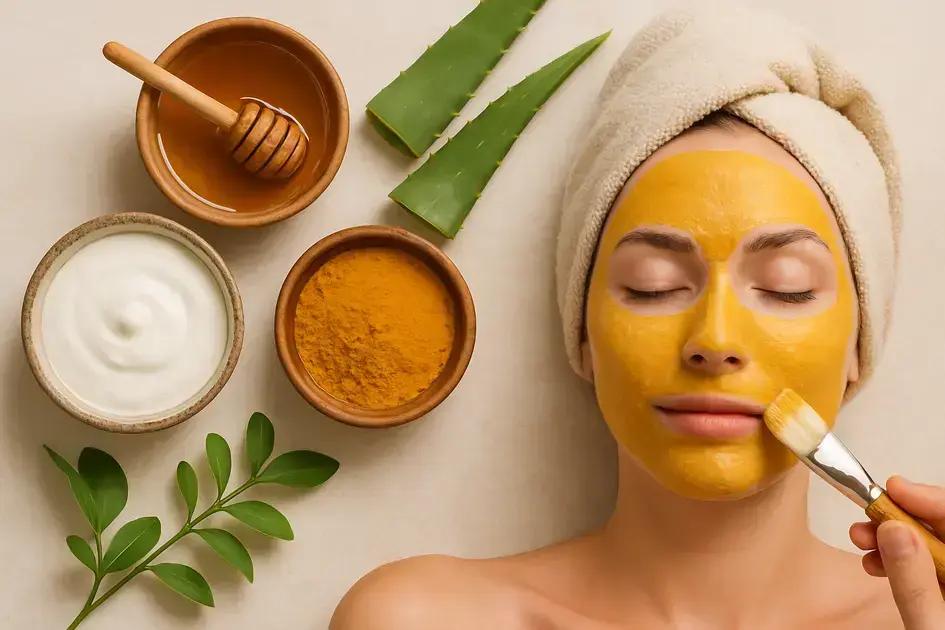
Making a homemade face mask can be a fun and effective way to care for your skin. By using natural ingredients, you can create a mask that suits your skin type and addresses specific concerns, such as hydration, acne, or dark spots. Here’s how to create a simple and effective homemade face mask.
Gather Your Ingredients
Start by choosing the right ingredients for your mask based on your skin needs. Common ingredients include:
- Honey: Moisturizes and has antibacterial properties.
- Yogurt: Contains lactic acid for gentle exfoliation.
- Turmeric: Helps reduce inflammation and brighten skin.
- Aloe Vera: Soothes and hydrates the skin.
- Lemon Juice: Natural brightener but dilute carefully.
Basic Recipe
One easy recipe is a honey and yogurt mask. Mix 2 tablespoons of plain yogurt with 1 tablespoon of honey. This combination helps hydrate and soften the skin.
Application
After preparing your mask, follow these simple steps for application:
- Cleanse your face gently to remove dirt and oil.
- Apply the mask evenly using your fingers or a brush.
- Leave the mask on for 15-20 minutes.
- Relax and enjoy the soothing effects while it works.
Rinse Off
After the time is up, rinse your face with warm water. Make sure to remove all mask remnants and follow with a gentle moisturizer to lock in hydration.
Frequency
Use your homemade face mask once or twice a week for the best results. Consistent use can lead to healthier, glowing skin.
Creating a homemade face mask gives you control over what goes on your skin. Always adjust the ingredients based on your skin’s reaction and preferences.
Daily habits to prevent dark spots
Preventing dark spots requires consistent daily habits that protect your skin and promote a healthy complexion. Here are some effective daily habits to prevent dark spots.
1. Wear Sunscreen Daily
Applying sunscreen every day is one of the most important steps you can take to prevent dark spots. Choose a broad-spectrum sunscreen with an SPF of at least 30. Apply it generously on all exposed skin, even on cloudy days or when indoors, as UV rays can penetrate windows.
2. Stay Hydrated
Drinking plenty of water helps keep your skin hydrated and supports overall skin health. Aim for at least 8 cups of water a day to maintain skin elasticity and promote a youthful appearance.
3. Use Gentle Cleansers
Washing your face with a gentle cleanser helps remove impurities without stripping your skin of its natural oils. Look for products that are sulfate-free and suitable for your skin type. Avoid harsh scrubs that can irritate your skin and lead to discoloration.
4. Exfoliate Regularly
Exfoliation helps remove dead skin cells that can contribute to dark spots. Use a gentle exfoliant 1-2 times a week to promote cell turnover. Consider using products that contain ingredients like alpha hydroxy acids (AHAs) or beta hydroxy acids (BHAs) for effective yet mild exfoliation.
5. Implement a Skincare Routine
Establishing a consistent skincare routine can significantly reduce the risk of dark spots. Include products with antioxidants like vitamin C, which can brighten your skin tone and protect against free radicals.
6. Avoid Tanning Beds
Tanning beds can cause significant skin damage and increase the risk of hyperpigmentation. Opt for sunless tanning products or maintain your natural skin tone to prevent dark spots.
7. Manage Stress
High stress levels can negatively impact your skin, leading to breakouts and other issues. Incorporate stress management techniques such as meditation, yoga, or hobbies that you enjoy.
8. Eat a Balanced Diet
A diet rich in fruits, vegetables, whole grains, and healthy fats provides essential nutrients for skin health. Foods high in antioxidants, like berries and green leafy vegetables, can help protect your skin from damage.
By incorporating these daily habits into your routine, you can effectively reduce the risk of dark spots and maintain a radiant complexion.
The role of diet in skin health

The role of diet in skin health is essential for maintaining a radiant and healthy complexion. What you eat can significantly impact how your skin looks and feels.
1. Hydration
One of the most important aspects of diet for skin health is hydration. Drinking enough water helps keep your skin hydrated and flushes out toxins. Aim to drink at least 8 cups of water a day. Foods with high water content, like cucumbers, oranges, and spinach, also contribute to your hydration.
2. Antioxidant-Rich Foods
Incorporate antioxidant-rich foods into your diet to combat free radicals that can damage skin cells. Berries, nuts, green tea, and dark chocolate are excellent sources of antioxidants that help protect your skin from aging and promote a youthful appearance.
3. Healthy Fats
Healthy fats are critical for maintaining skin elasticity and moisture. Foods rich in omega-3 fatty acids, such as salmon, flaxseeds, and walnuts, can help reduce inflammation and promote healthy skin. Include sources of healthy fats in your daily meals for optimal skin hydration.
4. Vitamins and Minerals
Vitamins A, C, and E are vital for skin health. Vitamin A promotes skin repair, vitamin C helps with collagen production, and vitamin E protects your skin from oxidative damage. Adding carrots, citrus fruits, nuts, and green leafy vegetables can boost your vitamin intake.
5. Limit Sugar and Processed Foods
Cutting back on sugar and processed foods can have a noticeable impact on your skin. High sugar intake can lead to insulin spikes, triggering inflammation and breakouts. Instead, focus on whole foods to provide your body with the nutrients it needs.
6. Maintain a Balanced Diet
A well-balanced diet contributes significantly to skin health. Ensure you have a variety of foods in your diet, including fruits, vegetables, whole grains, and lean proteins. This ensures you receive all the necessary nutrients for optimal skin function.
By paying attention to your diet and making healthy food choices, you can improve your skin’s appearance and overall health, leading to a clearer and more radiant complexion.
Hydration and its effect on skin tone
Hydration plays a crucial role in maintaining healthy skin and can significantly affect your skin tone. When your body is well-hydrated, your skin tends to look plumper, smoother, and more vibrant.
1. Importance of Hydration
Drinking enough water daily helps to keep your skin cells hydrated. This is vital because hydrated skin appears more youthful and has a natural glow. Aim to drink at least 8 cups of water a day to ensure your skin stays healthy and radiant.
2. Effects of Dehydration
When your body is dehydrated, your skin can become dry, flaky, and dull. Dehydration can lead to an uneven skin tone and can accentuate the appearance of fine lines and wrinkles. This can make the skin look older than it is.
3. Foods for Hydration
In addition to drinking water, consuming hydrating foods can also benefit your skin. Fruits like watermelon, cucumber, and oranges are excellent sources of water and nutrients that help improve skin tone.
4. Role of Humidity
The environment also impacts skin hydration. In dry climates, skin can lose moisture more rapidly. Using a humidifier at home can help maintain skin hydration levels and keep your complexion looking fresh.
5. Skincare Routine
A proper skincare routine that includes hydrating products, such as moisturizers and serums, can help improve your skin tone. Look for ingredients like hyaluronic acid and glycerin, which attract water to the skin and lock it in.
6. Monitoring Your Hydration
Pay attention to your body’s signals. Signs of dehydration include dry lips, a parched throat, and dark-colored urine. If you notice these signs, increase your water intake and consider adjusting your diet to include more hydrating foods.
Ultimately, maintaining optimal hydration can lead to a significantly improved skin tone, enhancing your overall appearance and health.
When to consult a dermatologist

Knowing when to consult a dermatologist is crucial for maintaining healthy skin and addressing any concerns effectively. Here are some signs that indicate it might be time to seek professional help.
1. Persistent Skin Issues
If you have a skin problem that lasts more than two weeks, such as a rash, itchiness, or acne that won’t clear up, it’s wise to consult a dermatologist. A professional can provide targeted treatments to address persistent issues.
2. Severe Acne
While occasional breakouts are common, severe acne that causes pain or scarring warrants a visit to a dermatologist. They can recommend stronger medications or treatments that are not available over the counter.
3. Changes in Moles
If you notice changes in existing moles, such as size, shape, or color, or if new moles appear that are irregular, you should see a dermatologist. These changes could be signs of skin cancer, and early detection is key.
4. Skin Infections
Signs of a skin infection, such as redness, swelling, warmth, or pus, should prompt a visit to a dermatologist. Infections require timely treatment to prevent complications.
5. Persistent Dryness or Itching
If your skin is persistently dry, flaky, or itchy despite moisturizing, you may need to consult a dermatologist. Conditions like eczema or psoriasis may require specialized treatment.
6. Skin Allergies
For unexplained skin reactions or allergies, a dermatologist can help identify triggers and provide appropriate allergy testing or medications.
7. Concepts of Anti-Aging
If you’re concerned about signs of aging, such as wrinkles or age spots, a dermatologist can recommend effective skincare routines and treatments that are suitable for your skin type.
8. Concerns About Appearance
If you have cosmetic concerns, like scars or skin discoloration, a dermatologist can discuss treatment options ranging from topical solutions to laser therapy.
Being proactive about your skin health is important. If you notice any of these signs, don’t hesitate to consult a dermatologist for peace of mind and expert care.
Natural sun protection tips
Natural sun protection is essential for maintaining healthy skin and preventing damage from UV rays. Here are some effective natural sun protection tips to help you stay safe while enjoying the outdoors.
1. Use Coconut Oil
Coconut oil is not only a great moisturizer but also provides some level of sun protection. It has an SPF of around 4-5, making it suitable for light sun exposure. For best results, apply it generously to your skin before heading outdoors.
2. Wear Protective Clothing
Covering your skin is one of the simplest ways to protect yourself from the sun. Choose lightweight, long-sleeved shirts, long pants, and wide-brimmed hats to minimize skin exposure, especially during peak sun hours.
3. Seek Shade
Whenever possible, stay in the shade, especially between 10 a.m. and 4 p.m. when the sun’s rays are the strongest. Look for trees, umbrellas, or canopies to shelter you from direct sunlight.
4. Apply Aloe Vera Gel
Aloe vera is known for its soothing properties and can also provide light sun protection. It may not replace sunscreen, but applying aloe vera gel can help soothe sunburns and protect the skin when used alongside other protective measures.
5. Use Natural Oils with SPF
Other natural oils, such as raspberry seed oil and carrot seed oil, have a naturally high SPF and can offer additional protection against UV rays. Mix these oils with your moisturizer or sunscreen for enhanced protection.
6. Include Antioxidant-Rich Foods
Eating a diet rich in antioxidants can help protect your skin from damage. Foods like berries, nuts, and green leafy vegetables can enhance your skin’s defense against the sun. Consider incorporating these foods into your meals for added protection.
7. Stay Hydrated
Drinking plenty of water keeps your skin hydrated and may help it resist sun damage. Aim for at least 8 glasses of water a day, especially when spending time outdoors.
By integrating these natural sun protection tips into your routine, you can enjoy the sun while minimizing the risk of skin damage and promoting overall skin health.
The importance of skincare routines

The importance of skincare routines cannot be overstated when it comes to maintaining healthy and vibrant skin. A consistent routine helps address skin concerns and improves overall skin health.
1. Prevents Skin Problems
Having a regular skincare routine can help prevent common skin issues such as acne, dryness, and uneven skin tone. By using suitable products, you can maintain a clear complexion and keep your skin balanced.
2. Promotes Hydration
Daily moisturization is a key part of a skincare routine. Keeping your skin hydrated prevents it from becoming dry and flaky, which can lead to irritation and premature aging. Choose a moisturizer that suits your skin type for the best results.
3. Enhances Skin Texture
Consistent exfoliation is essential for improving skin texture. Regularly removing dead skin cells helps reveal a smoother and brighter complexion. Incorporate gentle exfoliants into your routine a few times a week to support skin cell turnover.
4. Targets Specific Issues
A personalized skincare routine allows you to target specific skin concerns, such as dark spots, fine lines, or redness. Using products containing active ingredients like vitamin C, retinol, or hyaluronic acid can effectively address these issues over time.
5. Protects Against Damage
Incorporating sunscreen into your daily routine is crucial for protecting your skin from UV rays. Regular sunscreen use can help prevent sun damage, skin cancer, and premature aging. Aim for a broad-spectrum SPF of at least 30.
6. Improves Self-Care
Establishing a skincare routine is an excellent form of self-care. Taking a few minutes each day to care for your skin can help you feel more relaxed and confident. It becomes a moment to focus on yourself and enhance your well-being.
7. Creates Stability
Consistency is key to seeing results. Following a dedicated routine helps your skin adjust to products and can lead to visible improvements over time. Sticking to your regimen will help you achieve your skincare goals.
By understanding the importance of skincare routines, you can develop habits that lead to healthier, more radiant skin.
Effective exfoliation methods
Exfoliation is a crucial step in any skincare routine. It helps remove dead skin cells, unclogs pores, and reveals brighter, smoother skin. Here are some effective exfoliation methods to consider for maintaining healthy skin.
1. Physical Exfoliation
Physical exfoliation involves using scrubs or tools to manually remove dead skin cells. You can find products that contain fine grains, sugar, or crushed fruit seeds. Gently massage the scrub onto your skin in circular motions, then rinse off. Be careful not to over-exfoliate, as it can irritate your skin.
2. Chemical Exfoliation
Chemical exfoliation uses acids or enzymes to dissolve dead skin without scrubbing. Common options include:
- AHA (Alpha Hydroxy Acids): Derived from fruits, AHAs are effective for sun-damaged and dry skin.
- BHA (Beta Hydroxy Acids): Salicylic acid, a BHA, penetrates oily skin and is helpful for treating acne.
- Enzymes: Gentle options like pineapple or papaya enzymes dissolve dead skin cells without harsh scrubbing.
3. DIY Exfoliation
You can create your own natural exfoliants at home. Ingredients like brown sugar mixed with olive oil or honey can make a soothing scrub. Use this mixture on your face or body once a week for best results.
4. Exfoliating Pads
Exfoliating pads are convenient and simple to use. Pre-soaked with exfoliating solutions, these pads can be gently wiped across the skin. They’re useful for maintaining a consistent exfoliation routine, especially for busy individuals.
5. Masks with Exfoliating Properties
Some face masks are formulated with exfoliating ingredients. Look for masks with AHAs, BHAs, or enzymes that can provide both treatment and exfoliation in one step.
6. Frequency
It’s important to determine how often to exfoliate based on your skin type:
- Oily skin: 2-3 times a week.
- Dry or sensitive skin: 1-2 times a week.
- Normal skin: 1-3 times a week based on need.
Listen to your skin and adjust the frequency as necessary. Over-exfoliation can lead to irritation and damage.
By incorporating these effective exfoliation methods into your skincare routine, you can achieve a healthier, brighter complexion.
How lifestyle choices impact skin appearance

Our lifestyle choices greatly influence the appearance of our skin. Factors such as diet, exercise, and sleep can contribute to how our skin looks and feels. Here are some key ways that lifestyle choices can affect skin appearance.
1. Nutrition
A balanced diet rich in fruits, vegetables, whole grains, and lean proteins plays a critical role in skin health. Foods high in antioxidants, vitamins, and minerals support skin repair and vitality. On the other hand, a diet high in processed foods and sugars can lead to inflammation and breakouts.
2. Hydration
Staying hydrated is essential for maintaining skin elasticity and a healthy glow. Drinking enough water helps to flush out toxins and keep your skin plump and hydrated. Aim for at least 8 glasses of water a day, and include hydrating foods like cucumbers and watermelon in your diet.
3. Exercise
Regular exercise boosts blood circulation, which helps deliver oxygen and nutrients to your skin. Sweating during workouts also helps remove impurities from the skin. Aim for at least 30 minutes of physical activity most days of the week to support overall skin health.
4. Sleep
Quality sleep is vital for skin repair and regeneration. Lack of sleep can lead to dark circles, puffiness, and a dull complexion. Aim for 7-9 hours of sleep each night to give your skin the rest it needs to look its best.
5. Stress Management
High levels of stress can lead to skin problems, including breakouts and conditions like eczema. Finding healthy ways to manage stress through relaxation techniques, yoga, or hobbies can significantly improve skin health.
6. Sun Protection
Sun exposure can cause premature aging and damage to the skin. Wearing sunscreen with an SPF of at least 30, even on cloudy days, helps protect your skin from harmful UV rays. Additionally, wearing hats and protective clothing can further shield your skin.
7. Avoiding Smoking and Excessive Alcohol
Both smoking and excessive alcohol consumption can harm your skin’s appearance. Smoking reduces blood flow, which can lead to a pale, sallow complexion. Alcohol dehydrates the skin and can increase the chances of breakouts. Reducing or eliminating these habits can help improve skin health.
By making mindful lifestyle choices, you can enhance your skin’s appearance and maintain a healthy, radiant complexion.
Real-life success stories and tips
Real-life success stories can be incredibly motivating and provide valuable insights into effective strategies for achieving skincare goals. Here are some inspiring examples and tips from individuals who have transformed their skin through dedicated efforts.
1. The Impact of Consistent Skincare Routines
Alice, a 29-year-old graphic designer, struggled with acne and uneven skin tone for years. After researching her skin type, she created a daily skincare routine that included a gentle cleanser, an exfoliating serum, and a moisturizer with SPF. By consistently following her routine, Alice saw a dramatic reduction in breakouts and a more even complexion within three months.
Tip: Establish and stick to a personalized skincare routine tailored to your specific needs.
2. Natural Remedies for Skin Brightening
James, a 35-year-old teacher, wanted to reduce dark spots from sun exposure. He started using a mixture of lemon juice and honey as a natural remedy and incorporated vitamin C-rich foods into his diet. Over time, these changes helped lighten his dark spots significantly.
Tip: Consider incorporating natural ingredients into your skincare to address specific concerns.
3. The Role of Hydration and Nutrition
Maria, a fitness enthusiast, realized that her skin looked dull and dry despite her workout regimen. She increased her water intake and focused on eating more fruits and vegetables. Within weeks, Maria noticed that her skin was more radiant and hydrated, highlighting the impact of proper nutrition.
Tip: Maintain hydration and eat a well-balanced diet rich in vitamins and minerals for healthy skin.
4. Stress Management and Its Effects on Skin
After experiencing a stressful work environment, Tom noticed an increase in stress-induced breakouts. He decided to incorporate mindfulness practices such as yoga and meditation into his daily routine. As he managed his stress better, his skin cleared up significantly within weeks.
Tip: Find ways to manage stress effectively, as it can have direct effects on your skin’s appearance.
5. Seeking Professional Help
Sara had persistent skin issues and sought help from a dermatologist. With professional guidance, she switched to a skincare line suitable for her skin type and added prescription treatments as needed. After a few months of dedication, Sara achieved clearer skin and felt more confident.
Tip: Don’t hesitate to seek professional advice when facing stubborn skin issues.
These success stories illustrate the power of commitment, research, and adapting to your skin’s unique needs. By learning from others and implementing their tips, you can embark on your own journey towards healthier, more beautiful skin.
In Summary: Achieving Healthy Skin
Taking care of your skin is an essential part of maintaining overall health and confidence. By adopting a consistent skincare routine, making mindful lifestyle choices, and addressing any skin concerns early on, you can achieve a radiant complexion.
Remember that hydration, nutrition, and stress management play significant roles in how your skin looks and feels. Don’t hesitate to seek out natural remedies or professional advice when needed.
By implementing the tips and success stories shared in this article, you can embark on your journey to healthier skin and feel empowered in your skincare choices.
FAQ – Frequently Asked Questions about Skincare
How often should I exfoliate my skin?
Exfoliating 1-3 times a week is generally effective, depending on your skin type. Oily skin may benefit from more frequent exfoliation, while sensitive skin should be less frequent.
What natural ingredients can improve my skin?
Natural ingredients like aloe vera, coconut oil, and honey are great for hydrating and soothing the skin. You can also use lemon juice for brightening effects.
How does diet affect my skin’s appearance?
A balanced diet rich in fruits, vegetables, and healthy fats can enhance your skin health. Staying hydrated and reducing processed foods also contribute to a clearer complexion.
When should I consult a dermatologist?
Consult a dermatologist if you have persistent skin issues, such as severe acne, changes in moles, or signs of infection. Professional advice can help you address stubborn problems.
What can I do to protect my skin from the sun?
Use sunscreen with at least SPF 30 daily, wear protective clothing, and seek shade during peak sun hours to minimize UV damage.
How can I manage stress to improve my skin health?
Incorporating stress-relief techniques like yoga, meditation, or regular exercise can help reduce stress levels, which in turn can benefit your skin’s appearance.

