
For sensitive skin, choose products that are fragrance-free, hypoallergenic, and formulated with soothing ingredients like ceramides and hyaluronic acid, while consulting a dermatologist for personalized advice and treatment options.
If you have sensitive skin, finding the right products can feel daunting. Beauty products for sensitive skin are designed to nurture and protect, but how do you choose the best ones for your needs? Let’s dive into what makes these products special and how they can enhance your skincare routine.
Understanding sensitive skin
Understanding sensitive skin is essential for selecting the right beauty products. Sensitive skin can react to various factors, leading to discomfort, redness, and irritation. This skin type is typically more reactive than normal skin, and even gentle products can cause problems.
Characteristics of Sensitive Skin
People with sensitive skin often experience tightness or burning sensations after using certain products. The skin may appear red, flaky, or have noticeable dry patches. Knowing these signs helps in choosing suitable products that won’t trigger reactions.
Common Triggers
Identifying the triggers of sensitive skin is crucial. Common irritants include harsh cleansers, synthetic fragrances, alcohol, and certain preservatives. Weather conditions, such as extreme heat or cold, can also affect sensitive skin. Keeping a journal of reactions may assist in pinpointing the culprits.
How to Care for Sensitive Skin
To properly care for sensitive skin, it’s vital to establish a simple skincare routine. Using fragrance-free, hypoallergenic products will help minimize reactions. Look for ingredients like aloe vera, chamomile, and calendula that soothe and moisturize skin.

Additionally, always perform a patch test before trying new products. Apply a small amount to a discreet area and wait 24 hours to observe any reactions. This precaution can save you from potential irritations.
Common causes of skin sensitivity

Common causes of skin sensitivity can vary from person to person, but several factors frequently contribute to this issue. Understanding these causes can help you avoid irritants and select products that work best for your skin.
Environmental Factors
Weather can significantly affect sensitive skin. Extreme temperatures, whether hot or cold, can lead to dryness and irritation. Windy conditions can further exacerbate these issues, stripping moisture from the skin.
Products and Ingredients
Many beauty products contain harsh ingredients that can irritate sensitive skin. Synthetic fragrances, alcohols, and certain preservatives are common culprits. Always check ingredient labels to identify potential irritants and opt for formulations designed for sensitive skin.
Skin Conditions
Underlying skin conditions, such as eczema and rosacea, can make skin more prone to sensitivity. These conditions often require special care and management. Consulting a dermatologist can help in choosing appropriate treatments.
Allergies and Sensitivities
Some people may have allergies to specific ingredients, including natural elements like nuts or latex. Identifying these allergies is vital. If you suspect an allergy, consider consulting an allergy specialist for testing.
Lifestyle Factors
Stress and lack of sleep can also impact skin sensitivity. When you’re stressed, your body produces more cortisol, which can lead to inflammation and skin issues. Making lifestyle changes, like practicing relaxation techniques, can help improve your skin’s resilience.
Key ingredients to look for
When searching for beauty products for sensitive skin, it’s crucial to focus on key ingredients that can soothe and protect your skin. Understanding what to look for can make a significant difference in managing sensitivity.
Gentle Cleansers
Start with cleansers that are soap-free and free of harsh sulfates. Ingredients like glycerin and chamomile can help cleanse without stripping moisture.
Soothing Agents
Look for ingredients known for their soothing properties. Aloe vera is excellent for calming irritated skin, while oatmeal extracts can help relieve itchiness and provide hydration.
Moisturizing Components
Choose moisturizers containing hyaluronic acid or glycerin, as they draw moisture into the skin. Look for products with natural oils, like jojoba or almond oil, that nourish and protect.
Anti-Inflammatory Ingredients
Ingredients such as green tea extract and calendula are renowned for their anti-inflammatory benefits. These can help reduce redness and inflammation in sensitive skin.

Antioxidants
Incorporating antioxidants like vitamin E and C can also benefit sensitive skin. They help to protect against environmental stressors while promoting healing.
Fragrance-Free Formulas
Finally, always opt for fragrance-free products. Fragrances can lead to irritation, so products labeled as hypoallergenic or formulated specifically for sensitive skin are ideal choices.
Top beauty products for sensitive skin

Finding the best beauty products for sensitive skin can be challenging, but several top-rated options cater specifically to this skin type. Here are some standout products that prioritize gentleness and effectiveness.
Gentle Cleansers
CeraVe Hydrating Facial Cleanser is a favorite for many. It contains ceramides and hyaluronic acid, which help retain moisture while gently cleansing the skin.
Soothing Moisturizers
The Clinique Moisture Surge 72-Hour Auto-Replenishing Hydrator provides intense hydration without clogging pores. This gel-cream formula soothes and calms sensitive skin effectively.
Mineral Sunscreens
For sun protection, consider EltaMD UV Clear Broad-Spectrum SPF 46. This lightweight, mineral-based sunscreen is formulated for sensitive skin and helps prevent breakouts.
Hypoallergenic Makeup
The bareMinerals Original Foundation is a great choice for those with sensitive skin. It is free from preservatives, fragrances, and irritants while providing natural coverage.
Calming Serums
Try the La Roche-Posay Toleriane Ultra Serum, which features soothing ingredients such as niacinamide and neurosensine. This serum helps reduce redness and irritation.
Natural Face Masks
For a pampering treat, the Honey & Oat ‘Soothing Face Mask by The Body Shop hydrates sensitive skin and brings a feeling of comfort and relief.
How to choose the right products
Choosing the right products for sensitive skin involves careful consideration of various factors. With so many options available, it’s essential to know what to look for to ensure your skin stays healthy and happy.
Understand Your Skin Type
Start by identifying your specific sensitivities. This will help you choose products formulated for your unique needs. Sensitive skin can often be dry, oily, or a combination, so understanding your skin type is key.
Check Ingredients Carefully
Always read labels to avoid harsh chemicals or irritating ingredients. Look for products that are fragrance-free, hypoallergenic, and designed for sensitive skin. Ingredients like aloe vera, chamomile, and glycerin are good choices.
Perform Patch Tests
Before using a new product, conduct a patch test. Apply a small amount on a small area of skin and wait 24 hours. If there’s no reaction, it’s likely safe to use on other areas.
Be Mindful of Product Usage
Using fewer products can be beneficial. Stick to a basic routine that includes a gentle cleanser, moisturizer, and sunscreen. This minimizes the risk of irritation from multiple products.
Consult Professionals
If you’re uncertain about which products to use, consider consulting a dermatologist. They can recommend specific products based on your skin’s needs and sensitivities.
Research and Reviews
Look for user reviews and ratings when considering new products. People with similar skin types can provide valuable insights into what works for them.
Daily skincare routine for sensitive skin
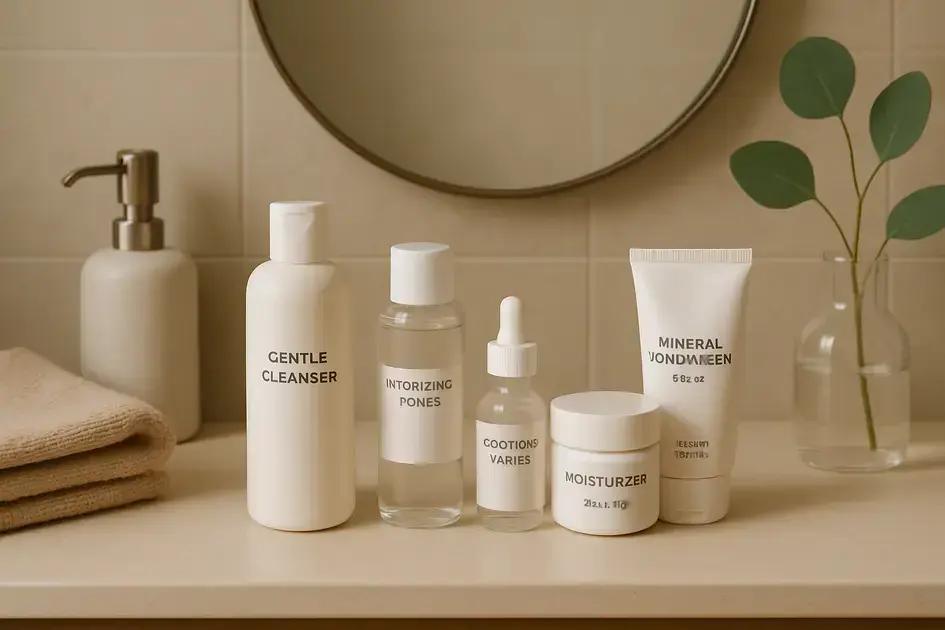
A daily skincare routine for sensitive skin should be gentle yet effective. Following the right steps can help maintain hydration and prevent irritation. Here’s a simple routine to follow each day.
1. Gentle Cleansing
Start your day by using a gentle cleanser that is free from sulfates and fragrances. Apply a small amount with your fingertips and rinse with lukewarm water. This helps remove impurities without stripping your skin’s natural moisture.

2. Hydrating Toner
After cleansing, use a hydrating toner or essence. Look for ingredients like rose water or chamomile. Apply it with a cotton pad or your hands, gently patting it into your skin to enhance hydration.
3. Soothing Serum
Next, apply a soothing serum that contains ingredients such as aloe vera or hyaluronic acid. These ingredients help to calm irritated skin while providing essential moisture.
4. Moisturizer
Follow up with a lightweight, fragrance-free moisturizer. This locks in hydration and creates a protective barrier. Look for products that include ceramides to help strengthen the skin’s natural barrier.
5. Sun Protection
Don’t forget sunscreen! Use a broad-spectrum sunscreen with at least SPF 30 every morning. Choose a mineral sunscreen formulated for sensitive skin to avoid irritation.
Evening Routine
In the evening, repeat the cleansing and toning steps. You may also incorporate a calming facial oil or a richer moisturizer to help your skin repair overnight.
Makeup tips for sensitive skin
Applying makeup to sensitive skin requires special care to avoid irritation and breakouts. Here are some essential tips to keep your skin happy while enhancing your beauty.
Choose the Right Products
Start with hypoallergenic makeup formulated for sensitive skin. Look for products labeled as free from fragrances, parabens, and alcohol, as these can irritate the skin.
Use a Primer
Using a gentle primer can help create a smooth base for makeup. Opt for a soothing primer with calming ingredients like chamomile or aloe vera. This helps reduce redness and provides a barrier between your skin and makeup.
Apply with Care
When applying foundation, use a clean makeup brush or a damp sponge. This method helps avoid bacteria and provides a lighter application, reducing the risk of irritation. Avoid heavy layers; instead, aim for a natural finish.
Be Mindful of Colors
When choosing eyeshadows and blush, select products with natural pigments. Mineral makeup can be a great choice, as it is often less irritating and has fewer synthetic ingredients.
Set Your Makeup
Using a setting spray designed for sensitive skin can help keep your makeup in place without adding irritation. Look for sprays with calming ingredients that hydrate the skin.
Remove Makeup Gently
At the end of the day, gently remove your makeup with a fragrance-free makeup remover or micellar water. Follow up with your regular cleansing routine to ensure all traces of makeup are removed.
How to patch test products

Patching testing products is an essential step for anyone with sensitive skin. It helps identify potential irritants before applying a product widely on your face or body.
Select the Right Product
Start with the product you want to test. Ensure that it is suitable for sensitive skin and free from irritants. Look for labels that indicate it’s hypoallergenic or dermatologically tested.
Choose a Testing Area
Select a small area of skin to apply the product. The inner arm or behind the ear are good spots. These areas are less visible and can help prevent reactions on more prominent skin surfaces.
Application
Apply a small amount of the product to the testing area. Use a cotton swab or your fingertip to gently spread the product, ensuring it’s a thin layer. Avoid rubbing it in too hard to minimize irritation.
Wait for 24-48 Hours
Once applied, wait 24 to 48 hours to observe any reactions. During this time, avoid washing the area or applying other products to ensure accurate results.
Check for Reactions
After the waiting period, check the patch test area for any signs of irritation. Look for redness, swelling, itching, or any other adverse reactions. If you notice any of these, it is best to avoid using the product.
What to Do if No Reaction Occurs
If there is no reaction after 48 hours, it is usually safe to proceed with using the product as directed on the rest of your skin. However, continue to monitor your skin’s response, especially during the first few applications.
Avoiding irritants in skincare
Avoiding irritants in skincare is crucial for maintaining healthy skin, especially for those with sensitive skin. Here are some effective strategies to help you steer clear of potential irritants.
Know Your Skin
Understanding your skin type is the first step. If you have sensitive skin, you are more prone to reactions. Identify specific triggers that cause irritation, such as certain ingredients or environmental factors.
Read Labels Carefully
Always check product labels for harsh chemicals. Ingredients like sulfates, parabens, and synthetic fragrances are common irritants. Look for products labeled as fragrance-free or formulated for sensitive skin.
Patch Test New Products
Before introducing new products, perform a patch test to see how your skin reacts. Apply a small amount to a discrete area, like your inner arm, and wait 24 hours to check for any adverse reaction.
Stick to Minimal Ingredients
Using products with a minimal number of ingredients can reduce the risk of irritation. Opt for simple formulations that focus on the essentials, like moisturizers with few, well-tolerated ingredients.
Avoid Over-Exfoliating
While exfoliating can be beneficial, overdoing it can strip the skin and cause irritation. Limit exfoliation to once or twice a week, and choose gentle exfoliants without harsh abrasives.
Mind Your Environment
Be aware of environmental factors that can irritate your skin, such as extreme weather, pollution, or allergens. Protect your skin by using barriers like sunscreen or protective clothing when necessary.
Natural beauty products for sensitive skin

Natural beauty products can be a great choice for sensitive skin, as they often contain fewer irritants and more soothing ingredients. Here’s a guide to some effective natural options:
1. Coconut Oil
Coconut oil is known for its moisturizing properties. It can hydrate the skin and has anti-inflammatory benefits. Use it as a moisturizer or makeup remover. Make sure to choose organic, unrefined coconut oil for the best results.
2. Aloe Vera
Aloe vera gel is an excellent natural remedy for soothing irritated skin. It’s hydrating and has healing properties. Apply pure aloe vera gel directly to the skin after cleansing to reduce redness and calm irritation.
3. Oatmeal
Colloidal oatmeal is effective in reducing itching and inflammation. Look for natural face masks or creams containing oatmeal. It helps to create a barrier on the skin, locking in moisture while soothing sensitive areas.
4. Honey
Honey is known for its natural antibacterial properties. It’s a great ingredient for masks and can help with hydration. Use raw honey as a face mask to nourish and calm your skin.
5. Shea Butter
Shea butter is rich in vitamins and fatty acids, making it an excellent moisturizer for sensitive skin. It is thick yet absorbs well, providing long-lasting hydration without clogging pores.
6. Chamomile
Chamomile extract is calming and is often found in natural skincare products. It can help reduce inflammation and soothe the skin. Look for creams or serums with chamomile as a key ingredient.
7. Jojoba Oil
Jojoba oil closely resembles the natural oils of the skin, making it suitable for sensitive skin. It helps to balance oil production and moisturize without causing breakouts. Use it as a daily moisturizer or to remove makeup.
Best moisturizers for sensitive skin
Finding the best moisturizers for sensitive skin can make a significant difference in your skincare routine. Here are some top recommendations that help hydrate and soothe without causing irritation.
1. CeraVe Moisturizing Cream
This cream is rich in essential ceramides and hyaluronic acid, which help restore the skin barrier. It offers long-lasting hydration and is fragrance-free and non-comedogenic, making it ideal for sensitive skin.
2. Vanicream Moisturizing Skin Cream
Vanicream is formulated without common irritants like dyes, fragrances, or preservatives. This makes it perfect for anyone with sensitive skin, as it provides moisture without causing breakouts or irritation.
3. La Roche-Posay Toleriane Double Repair Face Moisturizer
This moisturizer not only hydrates but also helps restore the skin’s natural barrier. It contains prebiotic thermal water and is oil-free, making it suitable for sensitive and oily skin types.
4. Eucerin Advanced Repair Cream
Eucerin’s cream is designed for very dry skin but works well for sensitive skin too. It has a rich formula that includes ceramides and urea, providing intense hydration without added fragrances.
5. Neutrogena Hydro Boost Gel-Cream
This gel-cream is lightweight and quickly absorbs into the skin. It’s formulated with hyaluronic acid, which draws moisture into the skin and keeps it hydrated without clogging pores.
6. First Aid Beauty Ultra Repair Cream
This cream is known for its deep hydration and soothing properties. It is formulated with colloidal oatmeal, which helps calm angry, irritated skin while providing necessary moisture.
7. Bioderma Atoderm Intensive Baume
Designed for sensitive and very dry skin, this baume provides long-lasting moisture. It is enriched with lipids and helps restore the skin barrier, making it an excellent choice for sensitive conditions.
Sunscreen options for sensitive skin

Choosing the right sunscreen for sensitive skin is essential to protect against harmful UV rays while avoiding irritation. Here are some recommended sunscreen options that are gentle on sensitive skin:
1. Mineral-Based Sunscreens
Mineral sunscreens, also known as physical sunscreens, use zinc oxide or titanium dioxide to provide protection. These ingredients sit on top of the skin and reflect UV rays. They are less likely to cause irritation for sensitive skin.
2. EltaMD UV Clear Broad-Spectrum SPF 46
This sunscreen is formulated with zinc oxide and niacinamide, which helps soothe and calm sensitive skin. It is oil-free and lightweight, making it an excellent option for daily wear.
3. La Roche-Posay Anthelios Mineral Zinc Oxide Sunscreen SPF 50
This sunscreen provides broad-spectrum protection with a gentle formula. It is fragrance-free, paraben-free, and suitable for sensitive skin, ensuring effective sun protection without irritation.
4. Neutrogena Sensitive Skin Sunscreen SPF 60+
Designed specifically for sensitive skin, this sunscreen features a mineral formula that is both gentle and effective. It’s also fragrance-free and hypoallergenic.
5. CeraVe Hydrating Mineral Sunscreen SPF 30
This sunscreen contains ceramides that help restore the skin’s natural barrier, along with niacinamide for added soothing. It’s a great choice for those needing hydration along with sun protection.
6. Coppertone Pure & Simple Sunscreen Lotion SPF 50
Formulated without synthetic fragrances and dyes, this lightweight sunscreen is great for sensitive skin. Its mineral-based formula provides broad-spectrum protection without irritating the skin.
7. Avene Mineral Fluid SPF 50
Avene’s sunscreen offers a lightweight texture that absorbs quickly and is suitable for sensitive skin. It contains thermal spring water to help soothe the skin while providing sun protection.
Seasonal skincare tips
Adjusting your skincare routine with the changing seasons can help maintain healthy, glowing skin. Here are some essential seasonal skincare tips to keep your skin in top condition throughout the year.
1. Spring Refresh
As the weather warms up, it’s time to lighten your skincare products. Switch to a lighter moisturizer and consider incorporating a gentle exfoliator to remove dead skin cells that may have built up over winter. Look for products with natural ingredients like fruit enzymes or alpha hydroxy acids (AHAs).
2. Summer Protection
During the hot months, sun protection is a must. Use a broad-spectrum sunscreen with at least SPF 30 every day, even if it’s cloudy. You might also want to use a gel-based moisturizer that feels light on the skin. Remember to reapply sunscreen every two hours when outdoors.
3. Fall Hydration
As the air becomes cooler and drier, switch back to a richer moisturizer. Look for ingredients like hyaluronic acid and ceramides that help retain moisture in the skin. This is also a great time to start incorporating heavier oils or creams for extra hydration as needed.
4. Winter Care
Cold weather can lead to dry, flaky skin. Use a fragrance-free, thick moisturizer to protect your skin barrier. Look for products that contain shea butter or petrolatum. Additionally, consider using a humidifier indoors to maintain moisture levels in the air.
5. Adjust Your Cleansing Routine
In the summer, switch to a gentle foaming cleanser to help remove sweat and oil. In the winter, opt for cream-based cleansers that won’t strip essential oils, helping to keep your skin hydrated.
6. Pay Attention to Sensitive Spots
Areas like lips and hands can suffer from seasonal changes. Make sure to keep a nourishing lip balm and hand cream on hand to prevent dryness and cracking. Regularly applying these products can keep your skin healthy and smooth all year.
Reviews of popular brands
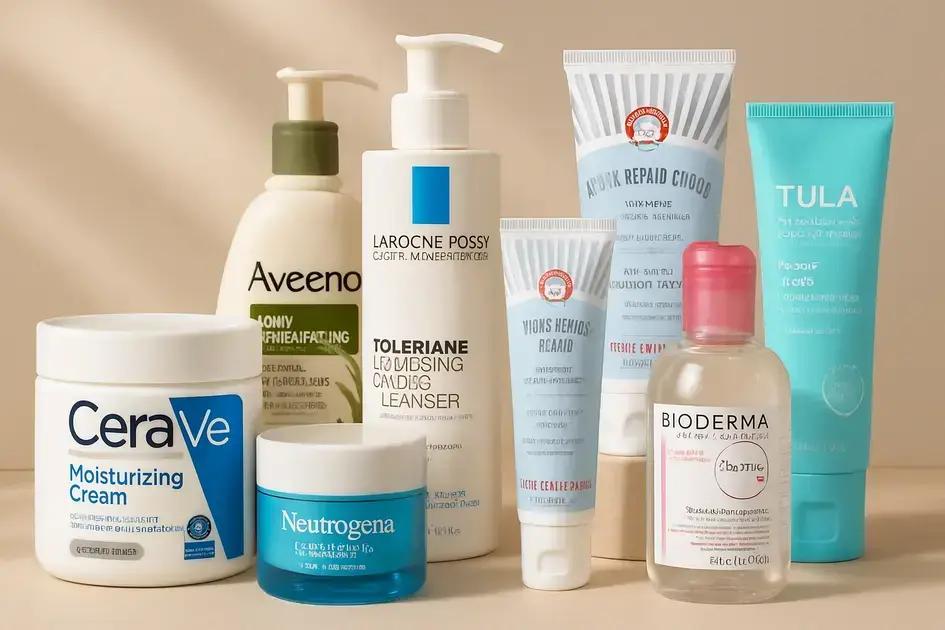
When searching for the best beauty products for sensitive skin, it’s important to consider reviews of popular brands. Here’s a look at a few well-known brands that have earned positive feedback from users with sensitive skin:
1. CeraVe
CeraVe is renowned for its gentle formulas. Many users appreciate the brand’s focus on essential ceramides and hyaluronic acid. The CeraVe Hydrating Cleanser is particularly favored for its ability to cleanse without stripping moisture.
2. La Roche-Posay
This brand is well-loved for its dermatologist-tested products. The La Roche-Posay Toleriane line gets high marks for its soothing capabilities, especially the Toleriane Double Repair Moisturizer, praised for keeping skin hydrated and calm.
3. Neutrogena
Neutrogena offers a variety of products that cater to sensitive skin. The Hydro Boost Gel-Cream has positive reviews for its lightweight feel and effective moisture retention. Users love how it absorbs quickly without feeling greasy.
4. Aveeno
Aveeno is favored for its natural ingredients like oatmeal. The Aveeno Ultra-Calming Foaming Cleanser is often highlighted for its gentle formulation that soothes redness and irritation.
5. First Aid Beauty
First Aid Beauty is well-known for its sensitive skin solutions. The Ultra Repair Cream is a cult favorite, providing intense hydration and helping to alleviate dryness without causing breakouts.
6. Bioderma
Bioderma products, like their Sensibio H2O Micellar Water, receive rave reviews for being gentle yet effective in cleansing sensitive skin without irritation. Users often appreciate its ability to remove makeup easily.
7. TULA Skincare
TULA focuses on probiotic ingredients. The Soothing Gel Cream has been well-received for its calming effects on sensitive skin, helping to reduce redness and inflammation.
Consulting a dermatologist
Consulting a dermatologist is an important step in managing sensitive skin. Dermatologists are specially trained to assess skin conditions and recommend the best treatments. Here are some reasons to consider.
1. Expert Evaluation
A dermatologist can conduct a thorough examination of your skin to identify any underlying conditions, such as eczema, psoriasis, or allergic reactions. This professional evaluation is crucial in developing a personalized care plan.
2. Personalized Product Recommendations
With their experience, dermatologists can recommend specific products that are suitable for your skin type and needs. They can help you navigate the vast array of skincare options, ensuring you choose products that won’t irritate your skin further.
3. Customized Treatment Plans
If you have specific skin issues related to sensitivity, a dermatologist can create a tailored treatment plan. This may include prescription medications, topical treatments, or procedures that can improve your skin’s health.
4. Guidance on Triggers
Consulting a dermatologist allows you to learn about potential triggers for your sensitive skin. They can identify irritants in your environment, diet, or skincare products that might contribute to flare-ups.
5. Education on Skincare Routines
A dermatologist can provide valuable education on how to properly care for sensitive skin. They can guide you on effective and gentle cleansing, moisturizing, and sun protection methods to maintain skin health.
6. Ongoing Support
Regular visits to a dermatologist can help monitor your skin’s condition over time. This support is vital for adjusting treatments as needed and ensuring that your skincare routine remains effective as your skin changes.
Taking Care of Sensitive Skin
Managing sensitive skin requires understanding and the right products. From selecting gentle cleansers to choosing the best moisturizers and sunscreens, every step is important.
Additionally, consulting a dermatologist can provide expert guidance tailored to your unique skin needs. They can help identify irritants, suggest suitable products, and create a personalized skincare plan that works for you.
With the right approach, you can maintain healthy skin while minimizing irritation. Remember to always listen to your skin and make adjustments as necessary to keep it happy and healthy.
FAQ – Frequently Asked Questions about Skincare for Sensitive Skin
What should I look for in a moisturizer for sensitive skin?
Choose a moisturizer that is fragrance-free, hypoallergenic, and contains soothing ingredients like ceramides or hyaluronic acid to keep your skin hydrated without irritation.
How often should I consult a dermatologist for sensitive skin issues?
It’s a good idea to consult a dermatologist if you experience persistent irritation or if your skincare routine is not effective. Regular visits can help monitor your skin’s condition and adjust treatments as needed.
Are mineral sunscreens better for sensitive skin?
Yes, mineral sunscreens containing zinc oxide or titanium dioxide are less likely to irritate sensitive skin compared to chemical sunscreens, as they sit on top of the skin and reflect UV rays.
Can lifestyle changes affect my sensitive skin?
Absolutely! Stress, diet, and environmental factors can all impact your skin’s sensitivity. Maintaining a balanced diet, staying hydrated, and managing stress can help improve your skin’s condition.
What are common irritants I should avoid?
Common irritants include fragrances, alcohol, sulfates, and synthetic dyes. Reading product labels carefully can help you avoid these ingredients.
How can I test new products safely on my sensitive skin?
Always perform a patch test on a small area of skin before applying new products widely. Apply a small amount and wait 24 to 48 hours to see if any irritation occurs.

