
Fungal infections can significantly impact health, causing various symptoms and complications, and require timely diagnosis and treatment, including antifungal medications and lifestyle adjustments to prevent recurrence.
Fungal infections and their impact are more prevalent than many realize. From common athletes’ foot to life-threatening conditions, understanding these infections is crucial. Have you ever wondered how they affect various populations?
Understanding fungal infections
Understanding fungal infections is essential for recognizing how they can affect your health. These infections are caused by various types of fungi, which can thrive in warm and moist environments. While some fungi are harmless, others can lead to significant health challenges.
Fungal infections generally fall into two categories: superficial and systemic infections. Superficial infections, like athlete’s foot and ringworm, affect the outer layers of the skin, nails, and hair. They often cause itching and discomfort but are relatively easy to treat.
On the other hand, systemic infections occur when fungi invade the bloodstream or internal organs. This can happen in those with weakened immune systems, leading to serious health complications. It’s crucial to understand that anyone can become infected, but certain groups, like the elderly or immunocompromised individuals, are at higher risk.
Common examples of fungal infections include:
- Candida infections that can cause oral thrush or yeast infections.
- Aspergillosis that affects the lungs and can be severe.
- Histoplasmosis resulting from inhaling fungal spores found in bird droppings.
Prompt diagnosis and treatment are key to managing these infections effectively. Being aware of the signs and understanding how to prevent exposure can help mitigate risks associated with fungal infections.
Common types of fungal infections
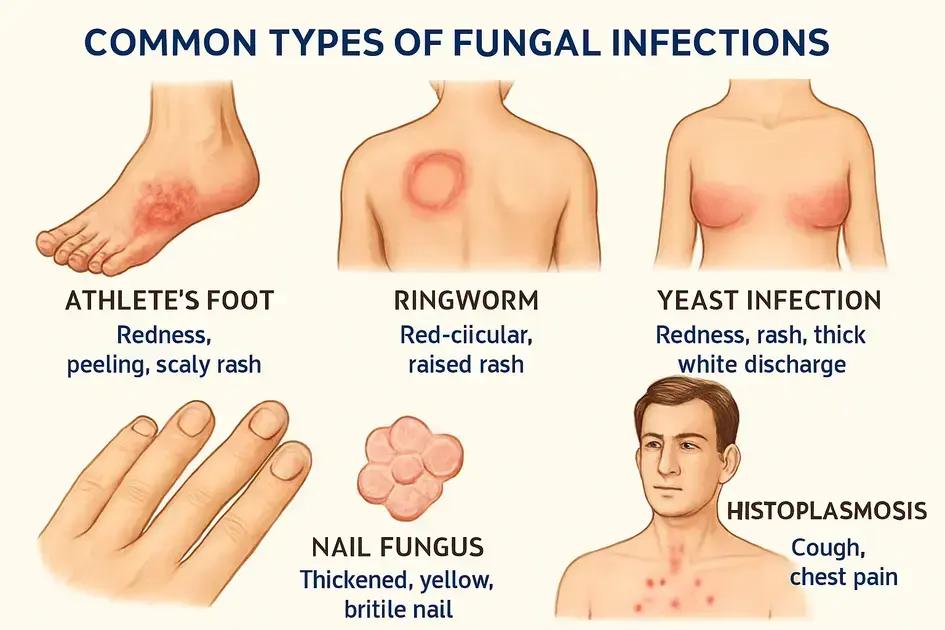
There are several common types of fungal infections that affect individuals today. Knowing these can help in recognizing symptoms and seeking appropriate treatment. Here are some of the most prevalent types:
- Athlete’s foot: This fungal infection usually affects the skin between the toes and is characterized by itching, burning, and peeling. It’s commonly found in damp environments such as public showers and locker rooms.
- Ringworm: Despite its name, ringworm is not caused by a worm. It is a skin infection that appears as a circular rash with clear skin in the center. This infection can occur on various parts of the body, including the scalp.
- Yeast infections: Often caused by the fungus Candida, yeast infections can affect different areas, including the mouth (oral thrush) and female genital area. Symptoms include itchiness, discharge, and irritation.
- Nail fungus (onychomycosis): This infection affects the toenails or fingernails, leading to discoloration, thickening, and potential detachment of the nail from the nail bed.
- Histoplasmosis: This serious infection is caused by inhaling fungal spores from bird or bat droppings, primarily affecting the lungs. Symptoms may include fever, cough, and fatigue.
Understanding these common fungal infections is vital for early detection and treatment. If you experience symptoms related to any of these infections, consult a healthcare professional for guidance and treatment options.
How fungal infections spread
How fungal infections spread is an important topic to understand for prevention. These infections can spread in several ways, often depending on the type of fungus involved.
- Direct contact: Many fungal infections, such as ringworm and athlete’s foot, spread through direct contact with infected skin or contaminated surfaces. This can occur in shared spaces like gyms, swimming pools, or locker rooms where the fungus thrives.
- Indirect contact: Fungi can survive on surfaces for extended periods. If you touch a surface contaminated by an infected person or animal, you could become infected as well. Common items include towels, clothing, or floors.
- Airborne spores: Some fungi, like those causing histoplasmosis, spread through inhalation of spores. These spores can be found in dust, soil, or bird droppings, especially in areas where birds congregate.
- Weakened immune system: Individuals with compromised immune systems, such as those with HIV/AIDS or undergoing chemotherapy, are more susceptible to infections. Fungi that are typically harmless can cause serious disease in these individuals.
Practicing good hygiene, such as washing hands regularly and avoiding sharing personal items, can help reduce the risk of spreading or contracting fungal infections. Knowing how these infections spread enables you to be more vigilant and proactive in protecting yourself and others.
Symptoms of fungal infections
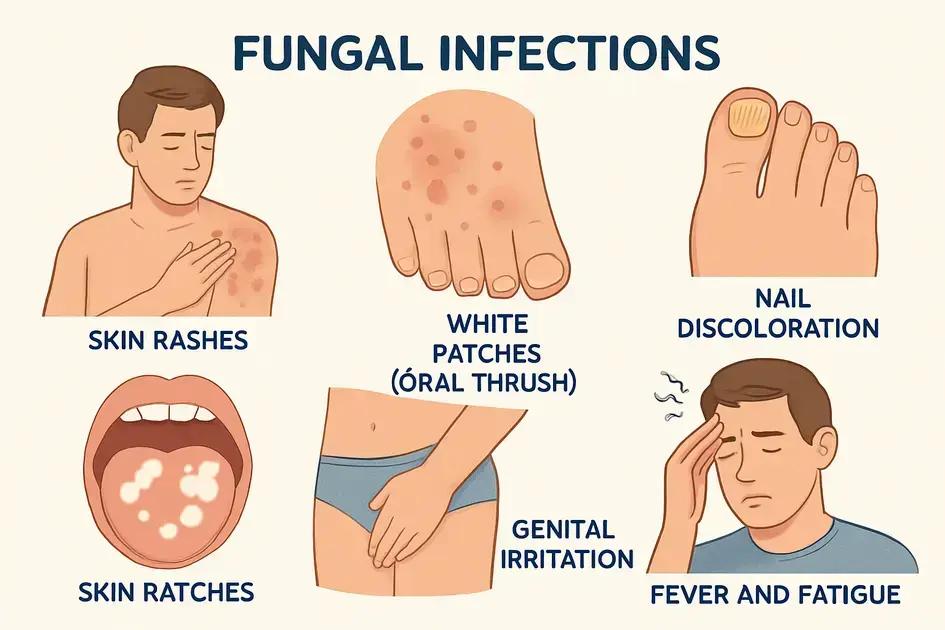
Symptoms of fungal infections can vary significantly depending on the type of infection and where it occurs in the body. Recognizing these symptoms early is crucial for effective treatment.
- Skin infections: For conditions like athlete’s foot or ringworm, symptoms often include:
- Itching and redness
- Peeling or flaking skin
- Rashes that may have a circular shape
- Nail infections: Symptoms of nail fungus can involve:
- Discoloration, such as yellow or white nails
- Thickening, causing the nail to become brittle
- Pain or discomfort in the affected nail
- Oral thrush: This fungal infection can cause:
- White patches on the tongue and inside the mouth
- Painful sores in the mouth
- Difficulty swallowing
- Genital yeast infections: Common symptoms include:
- Itching and irritation in the genital area
- Thick, white discharge
- Redness and swelling
- Systemic infections: These are more serious and can show symptoms like:
- Fever and chills
- Cough and shortness of breath
- Fatigue and weakness
- Muscle aches
If you observe any of these symptoms, it is essential to seek medical advice. Early treatment can help prevent the infection from worsening and spreading.
Risk factors for fungal infections
Understanding the risk factors for fungal infections is important for prevention and early intervention. Certain conditions and habits can make individuals more susceptible to these types of infections.
- Weakened immune system: People with compromised immune systems, such as those with HIV/AIDS, cancer patients undergoing chemotherapy, or individuals on long-term steroids, are at a higher risk. Their bodies are less able to fight off infections.
- Diabetes: Individuals with diabetes may have elevated sugar levels, which can foster fungal growth. This increases the likelihood of infections, particularly yeast infections.
- Antibiotic use: Taking antibiotics can disrupt the balance of bacteria in the body. This can allow fungi, such as Candida, to thrive, leading to infections.
- Poor hygiene: Inadequate hygiene practices can increase the risk of skin infections. Regular washing, especially in areas prone to moisture, is crucial.
- Age: Both the young and the elderly are more vulnerable. Babies have immature immune systems, while older adults may have weakened defenses against infections.
- Warm and humid environments: Fungi thrive in warm, moist conditions. People living in humid climates or those who frequently use public swimming pools or gyms are at increased risk.
- Obesity: Excess weight can create folds in the skin, providing an environment for fungal infections to develop, particularly in areas that trap moisture.
By being aware of these risk factors, individuals can take proactive steps to minimize their chances of developing fungal infections.
Prevention strategies for fungal infections
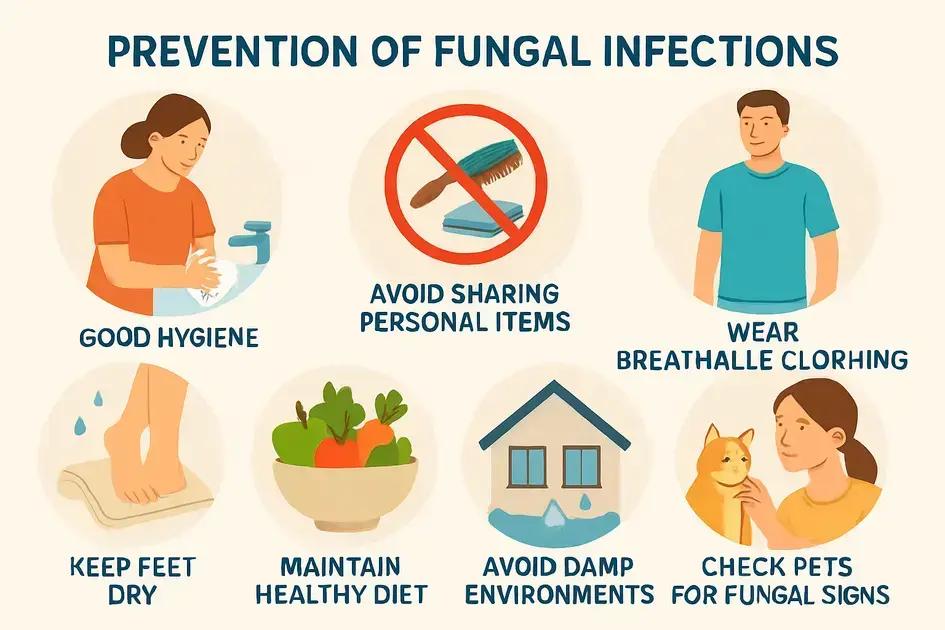
Prevention strategies for fungal infections are essential for reducing your risk of developing these conditions. Implementing effective measures can help keep you and others healthy.
- Practice good hygiene: Regular washing of hands and body helps remove fungi. Pay special attention to areas prone to moisture, such as feet and groin. After showers or swims, dry thoroughly to prevent fungal growth.
- Avoid sharing personal items: Do not share towels, clothing, or footwear with others. These items can carry fungal spores that can lead to infections.
- Wear breathable clothing: Use loose-fitting, breathable fabrics like cotton to help keep your skin dry. Avoid tight, synthetic materials that can trap moisture.
- Keep your feet dry: Change socks regularly, especially if they become damp. Consider using antifungal powders in your shoes to absorb moisture.
- Maintain a healthy diet: Eating a balanced diet can strengthen your immune system. Reducing sugar intake may also help prevent yeast infections.
- Avoid damp environments: Fungi thrive in warm, moist areas. If using public showers or pools, wear flip-flops and avoid walking barefoot.
- Check your pets: Fungal infections can spread from animals to humans. Regularly check pets for signs of fungal infections and consult a vet if needed.
By following these prevention strategies, you can significantly reduce the risk of contracting fungal infections and maintain better overall health.
Treatment options for fungal infections
Treatment options for fungal infections vary depending on the type of infection and its severity. Early diagnosis is important for effective treatment. Here are some common treatment methods:
- Topical antifungal medications: These are creams, ointments, or powders applied directly to the infected area. They are often effective for skin infections like athlete’s foot and ringworm. Common options include clotrimazole and terbinafine.
- Oral antifungal medications: For more severe fungal infections or those affecting the nails, doctors may prescribe oral medications. Drugs like fluconazole, itraconazole, and griseofulvin are commonly used.
- Intravenous antifungal treatment: In cases of systemic fungal infections, especially in immunocompromised patients, antifungal medications may be given through an IV. Amphotericin B is one of the medications used in such situations.
- Home remedies: Some individuals may choose to try home remedies for mild cases. Options include tea tree oil, vinegar soaks, and garlic, which are thought to have antifungal properties, though scientific evidence is limited.
- Hygiene and care: Maintaining good hygiene and keeping the affected area dry can aid in the recovery process. It’s important to follow your healthcare provider’s recommendations.
Consulting a healthcare professional is essential for determining the best treatment plan based on the specific type of fungal infection and individual health conditions.
Fungal infections in immunocompromised individuals
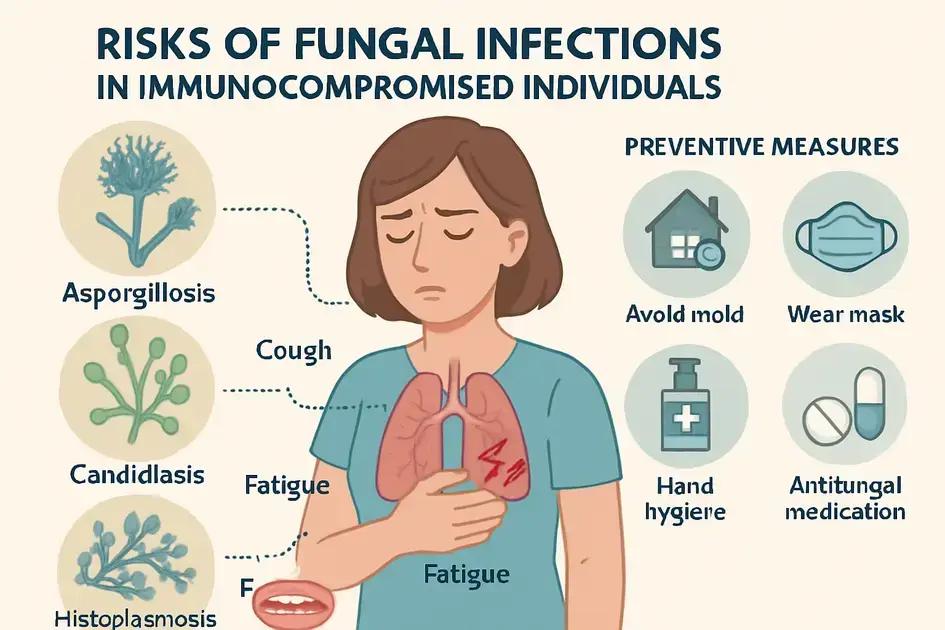
Fungal infections in immunocompromised individuals pose significant health risks due to their weakened immune systems. These infections can lead to severe illness and complications. Here are some key points to understand:
- Who are immunocompromised? Immunocompromised individuals include those with HIV/AIDS, cancer patients undergoing chemotherapy, organ transplant recipients, and those taking immunosuppressive medications. Their bodies are less capable of fighting off infections.
- Common fungal infections: Some of the most frequent fungal infections in immunocompromised individuals include:
- Aspergillosis: Caused by the Aspergillus fungus, this infection primarily affects the lungs and can be life-threatening.
- Candidiasis: This infection can occur in the mouth (oral thrush) or in the genital area. In severe cases, it can enter the bloodstream, causing systemic issues.
- Histoplasmosis: This lung infection is caused by inhaling spores from bird or bat droppings. It can be particularly serious for those with weakened immune systems.
- Symptoms to watch for: Immunocompromised individuals need to be vigilant for signs of fungal infections, which may include:
- Fever and chills
- Cough or difficulty breathing
- Fatigue and weakness
- Skin lesions or rashes
- Preventive measures: It’s crucial for immunocompromised patients to take preventive steps, such as:
- Avoiding areas with mold or excessive dust
- Practicing good hygiene
- Regular medical check-ups to monitor for signs of infection
Understanding the risks and symptoms of fungal infections can help immunocompromised individuals seek timely medical care, which is essential for managing health effectively.
Impact of fungal infections on public health
The impact of fungal infections on public health is significant and growing. Fungal infections can lead to various health issues, exacerbating existing conditions and posing threats to vulnerable populations. Here are some key points to consider:
- Increasing prevalence: Recently, fungal infections have become more common, especially in immunocompromised individuals and those with chronic health issues. For instance, infections like candidiasis and aspergillosis are on the rise, affecting thousands of people each year.
- Economic burden: Fungal infections not only affect individual health but also impose financial strains on healthcare systems. Treatment costs, hospitalizations, and lost productivity due to illness can be substantial, leading to increased healthcare expenditures.
- Public awareness: Many people are unaware of fungal infections and their potential severity. This lack of awareness can delay diagnosis and treatment, resulting in more severe health outcomes.
- Impact on quality of life: Chronic fungal infections can severely affect individuals’ quality of life. Symptoms like pain, fatigue, and skin issues may limit daily activities and social interactions.
- Resistant strains: The emergence of resistant fungal strains poses a serious threat to public health. Some fungi have developed resistance to common antifungal treatments, making infections harder to treat and increasing the risk of severe outcomes.
Addressing the impact of fungal infections on public health requires increased awareness, research, and effective prevention strategies to protect vulnerable groups and improve overall health outcomes.
Fungal infections and antibiotics

Fungal infections and antibiotics are an important topic in healthcare, as antibiotics can significantly impact fungal infections in various ways. Here are some key points to understand:
- Antibiotics target bacteria: Antibiotics are designed to treat bacterial infections and do not work against fungi. Using antibiotics does not help fungal infections and can sometimes make them worse.
- Disruption of normal flora: Antibiotics can disrupt the natural balance of microorganisms in the body. This disruption may lead to an overgrowth of fungi, particularly Candida, causing yeast infections.
- Resistance development: Some fungal species are becoming resistant to antifungal treatments, just as bacteria can become resistant to antibiotics. This has raised concerns in the medical community about the effectiveness of current treatments.
- Over-prescription concerns: The overuse of antibiotics can lead to fungal infections, making it crucial for healthcare professionals to prescribe antibiotics only when absolutely necessary.
- Alternative treatments: For fungal infections, antifungal medications such as fluconazole, itraconazole, or topical treatments should be used instead of antibiotics.
Understanding the relationship between fungal infections and antibiotics is essential for effective treatment. Patients should consult healthcare providers for the appropriate use of medications to prevent complications arising from unnecessary antibiotic use.
Diagnosis of fungal infections
Diagnosis of fungal infections is critical for effective treatment and management. Recognizing the symptoms and using appropriate tests can help healthcare providers identify the specific type of fungal infection. Here are some key points regarding diagnosis:
- Clinical evaluation: The first step in diagnosing a fungal infection often involves a detailed medical history and physical examination. Patients should report any symptoms, such as rashes, itching, or respiratory issues.
- Laboratory tests: Various tests can help confirm the presence of a fungal infection:
- Skin scraping: In cases of skin infections, a sample of the affected area is collected and examined under a microscope. This can help identify fungal elements.
- Culture tests: Fungal cultures can be grown from samples taken from the skin, nails, or other infected areas. This process helps identify the specific type of fungus for targeted treatment.
- Blood tests: For systemic fungal infections, blood tests can detect fungal antigens or antibodies, helping to confirm the diagnosis.
- Imaging tests: In some cases, imaging tests like X-rays or CT scans may be used to assess how deeply a fungal infection has affected organs such as the lungs.
- Biopsy: A small sample of infected tissue may be taken and evaluated under a microscope to provide a definitive diagnosis.
Timely and accurate diagnosis of fungal infections is essential for effective management. Individuals experiencing symptoms should seek medical care promptly to ensure appropriate testing and treatment.
Home remedies for fungal infections

Home remedies for fungal infections can provide relief for mild cases and complement medical treatments. While these remedies may not replace professional medical care, they can help alleviate symptoms and support healing. Here are some effective options:
- Tea tree oil: Known for its antifungal properties, tea tree oil can be applied directly to the affected area. Dilute it with a carrier oil, such as coconut oil, before using on the skin to avoid irritation.
- Apple cider vinegar: This vinegar has natural antifungal properties. You can mix equal parts with water and apply it to the infected area or take it diluted in water to help boost the immune system.
- Garlic: Garlic contains allicin, which has antifungal effects. Incorporating raw garlic into your diet or applying crushed garlic to the affected area may help in reducing fungal growth.
- Coconut oil: With its antifungal mechanisms, coconut oil can be used both topically and as part of your diet. Applying it directly to the skin can help soothe fungal irritations.
- Yogurt: Probiotic-rich yogurt may help balance the body’s natural flora. Consuming yogurt or applying it to affected areas can promote healing, especially for yeast infections.
- Oregano oil: Oregano oil is another potent antifungal agent. It can be mixed with a carrier oil and applied topically, but it should be used with caution due to its potency.
Although home remedies can be helpful, it is essential to consult a healthcare professional if symptoms persist or worsen. Proper diagnosis and treatment are crucial for managing fungal infections effectively.
When to see a doctor for fungal infections
Knowing when to see a doctor for fungal infections is vital for proper treatment and management. Here are some important signs and symptoms to watch for:
- Persistent symptoms: If you have symptoms such as itching, redness, or swelling that do not improve after a few days of home treatment, it is important to consult a healthcare professional.
- Severe discomfort: If the infection causes significant pain or discomfort, seeking medical help is necessary. This may include symptoms like intense itching or burning sensations.
- Fever or chills: If you experience fever, chills, or other flu-like symptoms along with signs of a fungal infection, it may indicate a more serious condition that requires medical attention.
- Frequent recurrences: If you often experience the same type of fungal infection, consult a doctor. Frequent recurrences may indicate an underlying health issue that needs to be addressed.
- Symptoms of systemic infection: If you are immunocompromised or have chronic health conditions, any signs of fungal infection including difficulty breathing, chest pain, or a cough that doesn’t go away should prompt an immediate visit to a doctor.
- Infections in sensitive areas: If a fungal infection affects sensitive areas such as the genital region or nails, a healthcare professional should evaluate and provide appropriate treatment.
Prompt medical attention can prevent complications and ensure effective treatment, so don’t hesitate to reach out to a healthcare provider when you have concerns about a fungal infection.
Emerging fungal infections globally
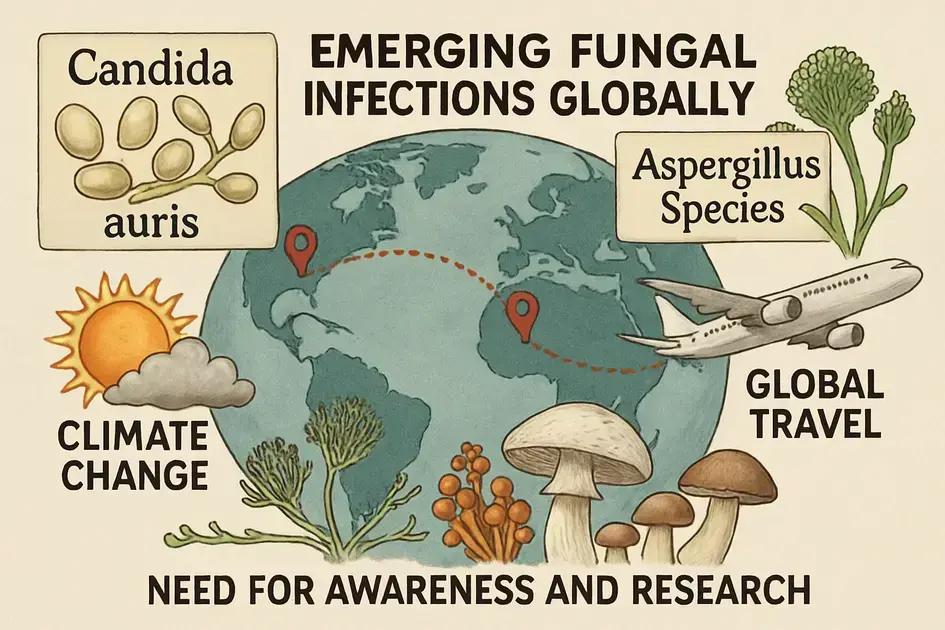
Emerging fungal infections globally are an important public health concern, as they pose new risks to populations worldwide. Here are some key points to consider:
- Increasing prevalence: In recent years, the incidence of certain fungal infections has risen, particularly among vulnerable populations such as immunocompromised individuals and the elderly.
- Notable infections: Some fungal infections that have gained attention in recent years include:
- Candida auris: This multidrug-resistant fungus can cause severe infections in healthcare settings and has been linked to outbreaks in many hospitals.
- Aspergillus species: These fungi can lead to diseases such as aspergillosis, particularly in patients with weakened immune systems. New strains are emerging that show resistance to standard treatments.
- Histoplasmosis: While historically seen regionally, cases are rising in new areas due to climate changes that alter the environment, allowing for more growth of the fungi that cause this infection.
- Climate change impact: Changing climates can expand the habitats of certain fungi, leading to increased human exposure. Warmer temperatures and altered rainfall patterns can create more favorable conditions for fungal growth.
- Global travel: Increased travel and migration can facilitate the spread of fungal pathogens to new regions, making outbreaks more likely.
- Awareness and research: There is a need for increased awareness and research to understand the impact of emerging fungal infections and to develop effective prevention and treatment strategies.
Addressing the challenges posed by emerging fungal infections requires a coordinated global effort, including surveillance, research, and public health initiatives.
Research and advancements in fungal infection treatment
Research and advancements in fungal infection treatment are crucial as the prevalence of these infections continues to rise. Innovations in this field aim to enhance efficacy and safety in managing fungal diseases. Here are some key areas of focus:
- Novel antifungal agents: Researchers are developing new antifungal medications to combat resistant strains of fungi. These include agents targeting specific pathways in fungal cells to overcome existing resistance mechanisms.
- Combination therapies: Combining different antifungals can improve treatment outcomes. This strategy helps attack the fungi from multiple angles, reducing the chance of developing resistance.
- Vaccines: There is ongoing research into developing vaccines against specific fungal infections, such as Candida and Aspergillus. Vaccines could provide proactive protection, especially for vulnerable populations.
- Genomic studies: Advances in genomic techniques allow for a better understanding of fungal biology and pathogenicity. This research can lead to targeted therapies based on the genetic profile of the fungi.
- Improved diagnostic tools: Rapid and accurate diagnostic methods are being developed, helping identify fungal infections sooner. This can facilitate timely treatment and better patient management.
- Microbiome research: Studies on the human microbiome’s role in controlling fungal growth are gaining attention. Understanding how gut flora influences fungal infections may lead to new therapeutic strategies involving probiotics.
Continued research and innovation in fungal infection treatments are essential for addressing the growing challenges in public health associated with these infections.
Living with fungal infections: patient experiences

Living with fungal infections: patient experiences can be challenging and vary significantly from person to person. Understanding these experiences helps shed light on the real-life implications of fungal infections. Here are some key aspects:
- Symptoms and daily life: Many patients describe how symptoms such as itching, burning, and discomfort can interfere with daily activities. This discomfort can affect their ability to work, socialize, or even engage in simple tasks.
- Emotional impact: Living with a fungal infection can lead to feelings of frustration, anxiety, or embarrassment. Patients may feel self-conscious about visible symptoms, especially when they occur in noticeable areas like the skin or nails.
- Treatment journeys: The experiences of individuals often include a range of treatments, from over-the-counter remedies to prescribed medications. Some patients may find relief quickly, while others may struggle with persistent infections that require ongoing management.
- Support systems: Many individuals rely on support from family, friends, or online communities. Sharing experiences with others who have similar challenges can provide comfort and valuable information.
- Awareness and education: Patients often emphasize the importance of educating themselves about their condition. Understanding the causes, symptoms, and treatments helps them make informed decisions about their health.
By sharing patient experiences, we can promote greater awareness of fungal infections and highlight the need for compassion and understanding toward those affected.
Understanding Fungal Infections and Their Impact
Fungal infections can significantly affect health and quality of life. Recognizing the symptoms, understanding the risk factors, and knowing when to seek medical help are essential for effective management.
As research advances, new treatments and strategies are developed to combat these infections. Home remedies can offer relief for mild cases, but professional guidance is crucial for persistent or severe infections.
Living with a fungal infection can be challenging, making support and education vital. By sharing patient experiences and insights, we can foster understanding and compassion for those affected.
In summary, awareness and proactive management are key to navigating the challenges posed by fungal infections.
FAQ – Frequently Asked Questions About Fungal Infections
What are the common symptoms of fungal infections?
Common symptoms include itching, redness, swelling, and discomfort in the affected area. In more severe cases, fever and chills can occur.
When should I seek medical help for a fungal infection?
You should see a doctor if symptoms persist, worsen, or if you have a fever or other systemic signs of infection.
What treatments are available for fungal infections?
Treatment options include topical antifungal creams, oral medications, and in some cases, intravenous antifungal treatments for severe infections.
Can home remedies help with fungal infections?
Home remedies such as tea tree oil, apple cider vinegar, and garlic may provide relief for mild cases, but it’s important to consult a healthcare provider for persistent infections.
How can lifestyle changes help prevent fungal infections?
Maintaining good hygiene, wearing breathable clothing, and keeping areas dry can significantly reduce the risk of developing fungal infections.

